TL;DR

Get backup power and energy gear delivered free — and shop member deals
- Fast, free delivery on millions of items
- Access to Prime Big Deal Days deals on October 6–7
- Prime Video, Amazon Music and more included
PopWheels began a six-month battery-swapping pilot in July for 10 food vendors near Flushing Meadows Corona Park in Queens. The vendors can currently exchange depleted batteries for charged ones at two cabinets without charge, while grant funding supports the trial. The company hopes a future subscription will cost less than buying and fueling a generator, but pricing and the pilot’s results are not yet settled.
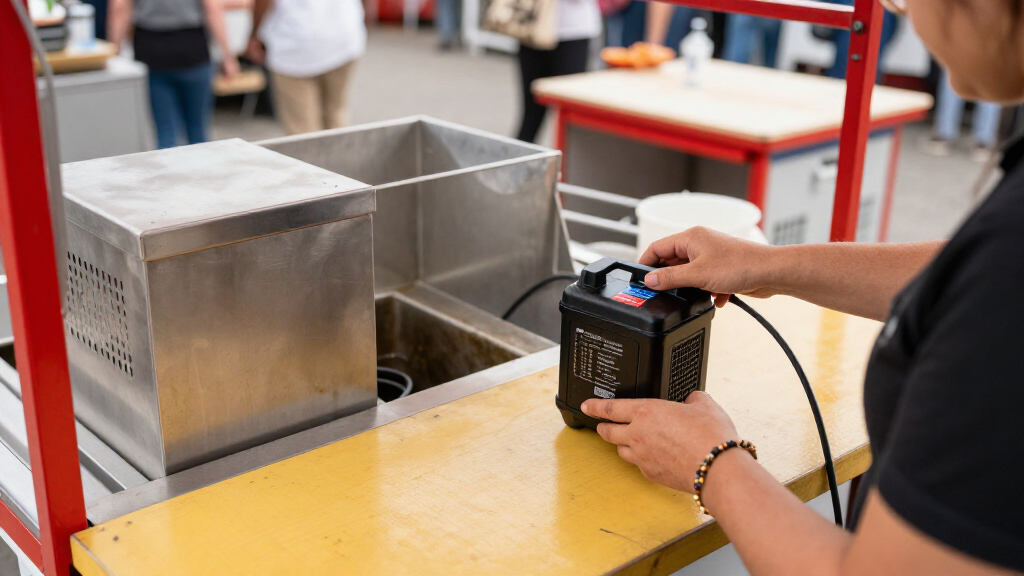
PopWheels has launched a six-month battery-swapping pilot for 10 food vendors near Flushing Meadows Corona Park in Queens, giving participating carts access to charged batteries as an alternative to generators. The trial tests whether vendors can use shared charging cabinets instead of buying and charging their own battery systems, a model that could reduce fuel costs, exhaust and noise if it proves practical and affordable.
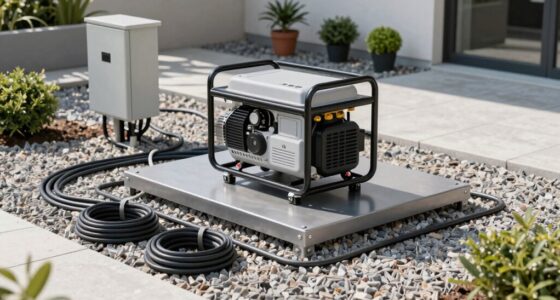
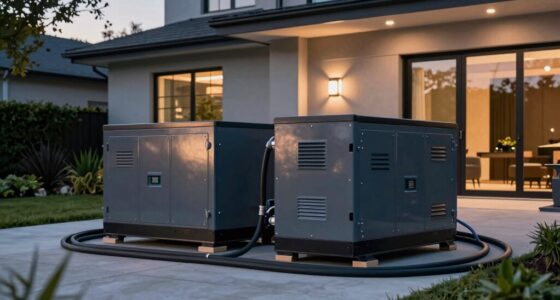
PopWheels installed two battery cabinets in the park area, where participating vendors can exchange depleted batteries for charged ones. The vendors currently use the service for free. The pilot is funded by $46,000 from City Parks Foundation and $30,900 from nonprofit Resilient Cities Catalyst, according to the source report.
The company’s longer-term plan is to charge vendors a monthly subscription for access to the swapping network, along with a fee to buy or lease an inverter that holds the batteries in a cart. PopWheels says it wants the system to compete economically with purchasing and fueling a generator. The report does not give a final subscription price or say whether the business model has been proven.
William Arevalo, a participating vendor, told Canary Media that the batteries had worked well for him so far and that he would consider paying to continue. He said he spends about $500 to $600 a month on generator fuel, in addition to maintenance and repairs. His cart’s electrical equipment now uses batteries, but its grill still runs on propane.
For vendors, the proposal addresses two burdens of generator use: recurring fuel and repair costs, and the noise and exhaust around workers and customers. Arevalo said generator noise can make it hard for people to hear one another. He also described concern about lung damage from smoke and said he has friends with related problems. Those are his accounts; the source report does not provide health measurements from the pilot.
The shared model could also lower the initial hurdle of switching. Vendors would not need to buy a full battery setup or arrange all charging themselves, though the eventual subscription and inverter costs remain unknown. If PopWheels can offer reliable power at a price vendors can afford, the approach could give carts with suitable power needs another way to operate without an on-site generator.
The pilot may connect two existing PopWheels customer groups. The company uses the same batteries for food carts and electric delivery bikes, and some delivery workers have been paid to carry batteries to vendors located farther from cabinets. That arrangement could extend access, while adding a delivery task to the service’s operating costs and logistics.
Testing an Existing Battery Network
PopWheels already operates a battery-swapping service for New York City delivery workers, with more than 45 cabinets around the city. The company charges those users between $65 and $95 per month to access batteries for electric bikes. That existing network gives the food-cart trial a platform to build on, but the source report does not establish that the same price or service design will work for vendors.
Isabelle Thomas, a policy adviser at the NYC Mayor’s Office of Climate and Environmental Justice, which partners on the pilot, said the battery technology has been used before, though not necessarily for food vendors. The carts’ needs are distinct: the battery system powers electrical equipment, while cooking may still rely on fuel. The report says the system cannot provide enough power for Arevalo’s diesel-generator ice cream truck; PopWheels’ deployment director said that operation would require frequent battery swaps and is not feasible with the current setup.
Battery swapping is one possible route. Vendors may also buy batteries and charge them at home, commissaries or depots. But access varies: Thomas said some commissaries can support charging, while others would need electrical upgrades or lack enough outlets. The source report also describes an earlier Street Vendor Project battery pilot in which vendors were responsible for charging their own batteries.
““They’re not going to want to switch if it’s more expensive.””
— Ben Rosenn, PopWheels’ director of deployments
Costs and Cart Power Limits
The trial is free for participating vendors, so it does not yet show what they will pay under a commercial plan or whether subscription and inverter costs will be lower than generator expenses across different carts. The source report does not provide pilot data on battery reliability over a full operating day, the number of swaps vendors need, or the service’s operating costs.
The system also has limits. It currently cannot meet the needs of Arevalo’s ice cream truck, which uses a diesel generator, and the source says more energy-intensive vendors would likely need a different battery type and cabinet network. How many carts could use the current equipment, and what upgrades might be required, remain unclear.
Results After the Six-Month Trial
The pilot is scheduled to run for six months after launching in July. The next useful milestones are whether the participating vendors continue using the batteries, what a paid subscription and inverter would cost, and whether PopWheels can make the service available beyond the initial park area. The source report does not give a specific date for a final evaluation or a citywide rollout.
Any expansion will also depend on where vendors can access cabinets and how batteries reach carts farther away. PopWheels’ use of delivery workers for some battery deliveries offers one approach, but its reach and economics have not been reported. The company’s stated aim is to price the service against generator purchase and fuel costs; whether it meets that target remains to be seen.
Key Questions
What is PopWheels testing in Queens?
It is testing a service in which food vendors exchange depleted batteries for charged ones at two cabinets near Flushing Meadows Corona Park. Ten vendors are participating in the six-month pilot.
Do participating vendors pay to use the batteries?
No. The service is free during the pilot, which is supported by grants. PopWheels hopes to charge a monthly subscription in the future, but a price has not been announced in the source report.
How much does one vendor currently spend on generator fuel?
William Arevalo told Canary Media that he spends about $500 to $600 a month on fuel, apart from generator maintenance and repairs. That is his reported cost, not a figure for all vendors.
Can the battery system replace every food-cart generator?
No. The source report says the current batteries cannot provide enough power for Arevalo’s diesel-generator ice cream truck. More energy-intensive operations may need different batteries and additional cabinets.
When will the pilot’s results be available?
The pilot began in July and is described as a six-month trial. The source report does not give a date for a final evaluation or a decision on expansion.
Source: rss
Fall Picks
fall essentials
As an affiliate, we earn on qualifying purchases.