
The best sodium-ion batteries in this roundup serve different jobs, so the right pick depends on whether you need engine starting, motorcycle fitment, or car-audio power. I’d put the CSI Group 31 first for its jump-start button and starter-focused design, while the Down4Sound DNA-27 stands out for car-audio builds that need more capacity than the DNA-13. The Acoucou YTX7A-Na is the more targeted choice for compatible motorcycles. Sodium-ion options can differ in dimensions, terminal layout, starting output, and charging requirements, so chemistry alone does not make a battery interchangeable. Read on for the full breakdown and a guide to matching each battery to its intended use.

Get backup power and energy gear delivered free — and shop member deals
- Fast, free delivery on millions of items
- Access to Prime Big Deal Days deals on October 6–7
- Prime Video, Amazon Music and more included
Key Takeaways
- CSI Group 31 is the most versatile starting pick here: its jump-start button adds a feature aimed at drivers who want a backup starting aid, though buyers still need to confirm Group 31 fitment.
- The two Down4Sound batteries target audio systems, not general replacement duty: DNA-27 offers greater stated capacity than DNA-13, while the smaller option may suit a more space-limited build.
- Vehicle fit separates the starter options: YGSAM’s H6 form factor and the Group 95R / H9-LN6 model address different battery trays and terminal arrangements.
- The Acoucou YTX7A-Na is the specialist choice: its motorcycle designation makes exact size, polarity, and starting requirements central to compatibility.
- Capacity labels alone do not establish a safe match: buyers also need to compare starting output, charging-system compatibility, dimensions, terminals, and the battery maker’s instructions.

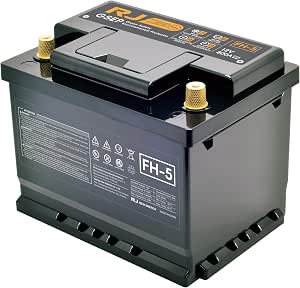


| sodium-ion batterie | Voltage | Weight | Capacity | Chemistry |
|---|---|---|---|---|
| CSI 12V Group 31 Sodium-Ion St | 12 V | 24 lb | 68 Ah | Sodium-ion |
| YGSAM H6 Sodium-Ion Car Batter | 12 V | 14.3 lb | — | Sodium-ion |
| Down4Sound DNA-27 27Ah 12V Sod | 12 V | 10 lb | 27 Ah | Sodium-ion |
| OKMO 12V 10Ah Rechargeable Sod | 12 V | 3 lb | 10 Ah | Sodium-ion |
| Down4Sound DNA-13 13.5Ah 12V S | 12 V | 6.1 lb | 13.5 Ah | Sodium-ion |
| Acoucou YTX7A-Na Sodium-Ion Mo | 12V | 2.4 lbs | 3.4Ah | — |
| Sodium-Ion Car Starting Batter | 12V | 19.8 lbs | 60Ah | — |
More Details on Our Top Picks
CSI 12V Group 31 Sodium-Ion Starter Battery with Jump Start Button
The CSI is the most directly suited to starting large engines in this group: its 1,500 CCA and Group 31 format target trucks, RVs, marine setups, and equipment where cranking power matters more than a compact footprint. Its jump start button is a practical fallback when the battery’s state of charge drops below its programmed starting limit. Compared with the Down4Sound DNA-27, which is built to handle brief audio-system surges, the CSI is designed for engine starting rather than car-audio support. At 24 pounds, it is described as lighter than lead-acid alternatives, but it is still much heavier than the audio batteries here. Buyers should confirm the Group 31 dimensions and terminal fit for their vehicle; the supplied details do not include independent performance or longevity results.
Pros:- 1,500 CCA is specified for heavy-engine starting
- Jump start button can help when charge falls below the programmed starting limit
- Battery management system includes electrical and thermal protections
- Maintenance-free design and described as 60% lighter than lead-acid or AGM batteries
Cons:- Group 31 size and universal-fit claim still require a vehicle-specific fit check
- No independent performance or longevity test results are provided
Best for: Truck, RV, marine, and equipment owners who need high cranking output and a battery sized for Group 31 applications
Not ideal for: Drivers with a smaller battery tray or car-audio builders seeking a compact battery for short power bursts
- Chemistry:Sodium-ion
- Voltage:12 V
- Group size:31
- Cold cranking amps:1,500 CCA
- Capacity:68 Ah
- Weight:24 lb
- Dimensions:6.8 × 13 × 9.4 in (D × W × H)
- Warranty:3 years
Our verdict“Choose the CSI when heavy-duty engine starting and its jump start button matter more than minimizing battery size and weight.”
YGSAM H6 Sodium-Ion Car Battery, 12V, 10,000mAh, Universal Fit
The YGSAM’s strongest differentiator is its stated 1,500-cycle rating to at least 70% capacity, paired with a maintenance-free design and copper terminals. That makes it a candidate for buyers comparing repeated-use claims, though it does not offer the CSI’s stated 1,500 CCA or the Down4Sound DNA-13’s clearly defined pulse-power application. The listed 10,000mAh capacity is modest as presented, and vehicle-fit information is thin: the title says H6 while the specifications list H5 dimensions. That discrepancy makes measuring the tray and checking terminal layout especially important before purchase. I would treat it as a fit-sensitive option for a compatible small vehicle or ATV, rather than a general replacement based on the universal-fit label alone.
Pros:- Rated for 1,500 cycles to at least 70% capacity under specified conditions
- Maintenance-free design
- Pure copper terminals
- Six-cell construction is specified
Cons:- Title and listed dimensions identify different battery sizes, H6 and H5
- Vehicle compatibility details are limited
- Listed 10,000mAh capacity gives little basis for comparing it with higher-capacity options
Best for: ATV owners or vehicle owners who can verify the battery dimensions and want a stated cycle-life figure
Not ideal for: Buyers who need clearly documented fitment, high cranking figures, or a battery selected for heavy-duty starting
- Chemistry:Sodium-ion
- Voltage:12 V
- Listed capacity:10,000 mAh
- Number of cells:6
- Terminals:Pure copper
- Weight:14.3 lb
- Dimensions:6.89 × 9.53 × 7.48 in (D × W × H)
- Cycle life:1,500 cycles to at least 70% capacity
Our verdict“Consider the YGSAM only if its dimensions and terminal arrangement match your vehicle and its stated cycle-life rating fits your priorities.”
Down4Sound DNA-27 27Ah 12V Sodium-Ion Car Audio Battery
The DNA-27 is the lineup’s high-output audio specialist, with a stated 800A pulse discharge for up to three seconds and support for systems rated at 6,000–9,000W. That brief surge is intended to help meet momentary amplifier demand; it does not make this a general-purpose starter battery like the CSI Group 31. Its 27Ah capacity and 10-pound weight sit between the smaller DNA-13 and the much heavier CSI, giving audio installers more stated capacity than the DNA-13 at the cost of extra weight. The tradeoff is the installation: the description calls for a properly upgraded charging system, including a high-output alternator and Big 3 wiring upgrade. Its pulse figures and cycle-life claims are manufacturer-provided ratings, not independent test results.
Pros:- Specified for high-output car-audio systems rated at 6,000–9,000W
- Rated for 800A pulses lasting up to three seconds
- 10 lb weight and side-mounting capability support flexible installation
- Rated for 10,000+ full-power pulse discharges while retaining 90% capacity
Cons:- Pulse output is limited to up to three seconds
- Calls for a high-output alternator and Big 3 wiring upgrade
- Audio-system role does not establish suitability as a general starter battery
Best for: Car-audio builders with 6,000–9,000W systems who need a compact auxiliary battery for short high-current bursts
Not ideal for: Drivers seeking a straightforward engine-starting replacement or unwilling to upgrade the charging and wiring system
- Chemistry:Sodium-ion
- Voltage:12 V
- Capacity:27 Ah
- Maximum pulse discharge:800 A for up to 3 seconds
- Sustained pulse power:8,400 W
- System support:6,000–9,000 W
- Pulse cycle life:10,000+ full-power discharges
- Weight:10 lb
Our verdict“Pick the DNA-27 for a properly upgraded high-output audio system that needs greater stated capacity and pulse output than the DNA-13.”
OKMO 12V 10Ah Rechargeable Sodium-Ion Battery
The OKMO is aimed at small off-grid jobs rather than vehicle starting: its 10Ah capacity, 3-pound weight, and built-in protections suit projects such as a fish finder, marine accessory, or modest backup supply. Its stated 4,000+ charge cycles give it a different appeal from the YGSAM, whose listed capacity is also 10Ah-equivalent but whose stated cycle figure is lower and whose battery-size details conflict. The OKMO does not provide the high pulse output specified for the Down4Sound audio models, so it is a poor match for amplifier surges or large loads. Its BMS covers overcharge, over-discharge, overcurrent, and short circuits, while the stated operating range spans -4°F to 140°F. Buyers still need to check that 10Ah is enough for their runtime needs.
Pros:- Rated for more than 4,000 charge cycles
- Built-in BMS covers overcharge, over-discharge, overcurrent, and short circuits
- Specified for solar, marine, fish-finder, and backup-power uses
- 3 lb weight makes it easier to place in small installations
Cons:- 10Ah capacity limits runtime for larger loads
- No cranking or high-current pulse rating is supplied
- Two-year warranty is shorter than the three-year periods stated for the CSI and YGSAM
Best for: People building small solar, fish-finder, marine accessory, or backup-power setups with modest energy demands
Not ideal for: Owners of high-output audio systems, vehicles needing starter cranking, or projects requiring more than 10Ah
- Model:1210Na
- Chemistry:Sodium-ion
- Voltage:12 V
- Capacity:10 Ah
- Weight:3 lb
- Cycle life:More than 4,000 charge cycles
- Operating temperature:-4°F to 140°F
- Warranty:2 years
Our verdict“Choose the OKMO for a modest solar or accessory setup where its 10Ah capacity and stated cycle life meet the load.”
Down4Sound DNA-13 13.5Ah 12V Sodium-Ion Car Audio Battery
The DNA-13 is the lighter, lower-output choice for car-audio systems rated at 3,500–5,500W. At 6.1 pounds, it is easier to package than the DNA-27, while its stated 400A three-second pulse is half the DNA-27’s 800A figure. That makes the DNA-13 a better fit when space and weight matter and the system’s peak demand stays within its rating; buyers with more powerful systems should look to the DNA-27 instead. It is rated for 10,000+ full-power pulse cycles with 90% capacity retention, and supports charging up to 15.8V. Those figures do not remove the need for compatible charging and wiring: an upgraded charging system and Big 3 upgrade are recommended. This is an audio battery, not a documented substitute for the CSI’s engine-starting role.
Pros:- Specified for car-audio systems rated at 3,500–5,500W
- Rated for 400A pulses lasting three seconds
- 6.1 lb weight and side-mounting capability suit compact installations
- Rated for 10,000+ full-power pulse cycles with 90% capacity retention
Cons:- Pulse output is lower than the DNA-27’s stated 800A
- Charging system and Big 3 wiring upgrade are recommended
- Three-second pulse rating does not describe sustained output
Best for: Car-audio installers with 3,500–5,500W systems who need a lightweight battery for short current bursts
Not ideal for: Owners of systems above its stated power range or buyers looking for a general-purpose starter or house battery
- Chemistry:Sodium-ion
- Voltage:12 V
- Capacity:13.5 Ah
- Maximum pulse discharge:400 A for 3 seconds
- Pulse power:4,200 W
- Recommended system power:3,500–5,500 W
- Maximum charging voltage:15.8 V
- Weight:6.1 lb
Our verdict“Choose the DNA-13 for a space-conscious audio build within its stated power range, and move to the DNA-27 when higher pulse output is needed.”
Acoucou YTX7A-Na Sodium-Ion Motorcycle Battery
The Acoucou YTX7A-Na is the motorcycle-specific pick here: its 2.4-pound weight and 200A starting current suit riders replacing a compatible YTX7A- or YTZ10S-size battery. Its stated -40°F to 176°F operating range gives it a broader temperature specification than the passenger-car-focused Group 95R / H9-LN6 battery, but the two serve different fitments and are not interchangeable. Compared with the larger-format car battery, this Acoucou is compact and purpose-built for motorcycle compartments; compared with the Down4Sound DNA-13, it is for engine starting rather than car audio support. The listed 3,000-plus cycle life is a notable claim, though buyers must use a dedicated sodium-ion charger and confirm dimensions and terminal polarity before ordering. That extra charging requirement makes it a less straightforward swap than a battery compatible with the rider’s existing charger.
Pros:- Lightweight at 2.4 pounds
- 200A starting current for motorcycle starting
- Rated for more than 3,000 cycles
- Wide stated operating range of -40°F to 176°F
Cons:- Requires a dedicated sodium-ion charger
- Fit depends on confirming compartment dimensions and terminal polarity
Best for: Motorcycle owners replacing a compatible YTX7A- or YTZ10S-size battery who want a lightweight sodium-ion starter battery.
Not ideal for: Riders who need a drop-in replacement without checking terminal layout or who rely on a charger not designed for sodium-ion batteries.
- Battery type:Sodium-ion
- Voltage:12V
- Capacity:3.4Ah
- Starting current:200A
- Cycle life:3,000+ cycles
- Dimensions:5.91 × 3.4 × 3.7 inches
- Weight:2.4 lbs
- Charging voltage:14.8V ± 0.2V
Our verdict“Choose the Acoucou for a compatible motorcycle fitment when low weight and a wide stated temperature range matter more than charger convenience.”
Sodium-Ion Car Starting Battery, BCI Group 95R / H9-LN6, 950 CCA
This Group 95R / H9-LN6 battery targets passenger-car owners who need a sodium-ion option for a start-stop vehicle, with 950 CCA and standard auto-post terminals. Its stated 19.8-pound weight is far below what many buyers associate with a full-size car starter battery, though fit remains vehicle-specific and the listed dimensions need checking against the existing battery. The claims of 180,000 start-stop cycles and 4,000 cycles at 50% depth of discharge set it apart from the Acoucou YTX7A-Na, which is a much smaller motorcycle battery and not a car substitute. Compared with the YGSAM H6, this model specifies Group 95R / H9-LN6 fitment and 950 CCA, so it may better suit buyers matching that form factor. Its cycle and service-life figures are manufacturer claims, and the listing provides no independent durability evidence.
Pros:- Designed for passenger cars, including start-stop vehicles
- 950 CCA cranking specification
- Standard auto-post terminals
- Stated operating range of -40°C to 80°C
Cons:- Vehicle-specific fit requires checking group size and dimensions
- Cycle-life and service-life figures are product claims without independent evidence in the supplied data
Best for: Drivers with a vehicle requiring BCI Group 95R / H9-LN6 who want a sodium-ion battery specified for start-stop use.
Not ideal for: Drivers whose vehicle does not call for Group 95R / H9-LN6, or buyers who want independently substantiated cycle-life claims before choosing.
- Battery type:Sodium-ion
- BCI group size:95R / H9-LN6
- Voltage:12V
- Capacity:60Ah
- Cranking power:950 CCA
- Terminals:Auto post
- Dimensions:6.93 × 15.51 × 7.4 inches
- Weight:19.8 lbs
- Claimed start-stop cycles:180,000
Our verdict“Consider this battery for a verified Group 95R / H9-LN6 start-stop fitment if its stated performance claims meet your needs.”
How We Picked
I ranked these batteries by how clearly their stated design matches a buyer’s job: starting a car, powering car audio, or replacing a motorcycle battery. I weighed fitment information, the usefulness of listed features such as the CSI jump-start button, and differences in stated capacity and battery format. A battery with a narrower use case can still rank well for its audience, but it should not be mistaken for a universal replacement.
The ranking puts the CSI Group 31 first for its starter-focused design and backup feature, then separates vehicle-specific starting batteries from audio batteries and the motorcycle option. The DNA-27 ranks ahead of the DNA-13 for buyers seeking more audio capacity; the smaller unit serves builds where a lower capacity and compact application matter more. Product names and brief specifications do not establish independent performance or compatibility, so I treat unprovided details—such as verified cold-cranking performance, charging limits, and exact dimensions—as items buyers must confirm before purchase.
Factors to Consider When Choosing Best Sodium-ion Batteries
Choosing a sodium-ion battery starts with matching the physical and electrical job, then checking that the vehicle or charging setup supports the specific model. These factors help avoid a common mistake: treating batteries with the same nominal voltage as interchangeable.
Match the battery group and terminal layout
Start with the vehicle maker’s specified battery group or motorcycle battery code, then compare the candidate’s dimensions, terminal positions, and hold-down method. Group 31, H6, and Group 95R / H9-LN6 identify different fitment formats, so a battery that fits one tray may not fit another. A near match can leave cables stretched, terminals in the wrong place, or the battery unsecured. Check polarity from the same viewing angle used in the product diagram, since listing photos can make left and right appear reversed. If the listing does not show dimensions or terminal orientation, get those details before ordering.
Separate starting duty from accessory or audio duty
A starter battery must deliver the short burst of current required to crank an engine, while an audio battery is generally selected to support accessory loads and system demands. A larger amp-hour figure does not by itself prove strong engine-starting performance. Check the required starting-current specification for your vehicle and compare it with the battery’s published rating. For an audio build, estimate amplifier draw and listening duration instead of choosing by capacity label alone. A dedicated audio battery should not replace a starter battery unless its maker explicitly rates it for engine starting.
Check charging compatibility before switching chemistry
Battery chemistry affects how a battery accepts charge and what voltage limits it can tolerate. Before swapping a lead-acid battery for a sodium-ion model, confirm the battery maker’s permitted charging range and whether your vehicle’s alternator or charger operates within it. Do not assume a lithium-specific charger or a standard lead-acid charging profile is suitable. This matters especially for vehicles with smart charging systems, auxiliary batteries, or aftermarket audio charging equipment. When documentation is unclear, ask the battery maker for compatibility guidance tied to your exact vehicle or charger.
Compare capacity and starting output as separate measures
Amp-hours describe stored charge under stated test conditions; cold-cranking amps or another starting-current rating address engine-starting demand. These figures answer different questions, and one cannot substitute for the other. For a car that must start in cold weather, verify the required starting rating against the vehicle manual and the battery’s published data. For audio or accessory use, capacity and expected load duration deserve more attention. If a product page gives only one of these figures, treat the missing number as unresolved rather than inferring it from the battery’s size.
Plan around temperature, storage, and maintenance
Operating limits and storage guidance vary by battery model, even within one chemistry. Review the maker’s temperature limits for charging and use, along with instructions for long-term storage and periodic checks. A vehicle parked for weeks may need a compatible maintenance charger or a disconnection plan, depending on its parasitic loads and the battery’s guidance. Riders should also check whether the motorcycle’s charging system and seasonal storage routine suit the specific replacement battery. These details can matter more to reliability than choosing a battery with a higher headline capacity.
Pay for the fit and safeguards your setup needs
Extra capacity makes sense when your measured load or required runtime calls for it; otherwise, it can add size without solving the real constraint. A jump-start feature may appeal to a driver seeking a backup starting aid, but it does not replace checking battery health or keeping a roadside plan. For a first replacement, a model with clear fitment and charging documentation is easier to evaluate than one with attractive but incomplete specifications. Audio builders may favor capacity matched to amplifier use, while motorcycle buyers should prioritize exact case dimensions and terminals. Spend time verifying documentation before paying for a feature your vehicle cannot use.
Frequently Asked Questions
Can I replace my car’s lead-acid battery with any 12V sodium-ion battery?
No. A matching nominal voltage does not confirm that the battery fits the tray, has the correct terminal layout, supplies enough starting current, or works with the vehicle’s charging system. Compare the vehicle manual’s battery group and electrical requirements with the sodium-ion maker’s specifications. Also check the charging limits and any vehicle-specific restrictions. If any of those details are missing, confirm them with the seller or manufacturer before making the swap.
Should I choose the Down4Sound DNA-27 or DNA-13 for a car-audio setup?
Choose based on the audio system’s current draw, available mounting space, and expected use time. The DNA-27 has the larger stated capacity, which may suit a setup with greater energy needs, while the DNA-13 is the lower-capacity option for a more constrained build. Neither capacity figure alone confirms that the battery can handle your amplifier’s peak current or serve as an engine starter. Check those ratings and the charging instructions before wiring either battery into a vehicle. Make sure the intended role—audio support, starting, or both—is supported by the manufacturer.
No. The button is a useful feature to compare, but its operating procedure, limits, and conditions matter. Read the manufacturer’s instructions to learn when it can be used and whether the battery needs a minimum charge or a specific connection sequence. It cannot prevent failures caused by an incompatible fit, charging fault, damaged battery, or unrelated vehicle problem. Keep a backup plan for breakdowns, especially if you travel far from help.
How do I know whether the Group 95R / H9-LN6 battery fits my vehicle?
Check the owner’s manual or the battery group printed on the installed battery, then compare the new model’s dimensions, polarity, terminal style, and hold-down points. The listing’s 950 CCA figure addresses starting output, but it does not prove physical fit or charging compatibility. Some vehicles also require battery registration or specific settings after replacement. Confirm those requirements for your exact model year and trim. If the battery group differs from the original, ask a qualified installer or the vehicle maker before buying.
What should a motorcycle owner verify before choosing the Acoucou YTX7A-Na?
Confirm that YTX7A-Na matches the motorcycle’s specified battery size, terminal orientation, and starting-current needs. Check the battery’s dimensions against the compartment, including clearance for cables and any retaining strap. Then verify that the motorcycle’s charging system and any charger you use fall within the battery maker’s stated limits. Cold-weather starting and seasonal storage guidance can also affect whether the battery suits your riding pattern. The model code is a useful starting point, not a substitute for checking the bike’s manual and product specifications.
Conclusion
For a broad starter-focused recommendation, I’d choose the CSI Group 31 if your vehicle accepts that format and you value its jump-start button. For best value by role, the Down4Sound DNA-13 is the more restrained audio choice when its capacity meets your system’s needs; the DNA-27 is the better fit for audio buyers who need the larger stated capacity. The Group 95R / H9-LN6 model is the premium-style pick for a compatible vehicle that calls for that form factor and starting output, while the YGSAM H6 suits drivers whose battery tray specifies H6. Beginners should favor whichever option has the clearest verified fitment and charging guidance for their vehicle, and motorcycle owners should focus on the Acoucou YTX7A-Na only when the bike’s specifications match. Confirm compatibility before choosing: the right battery is the one that fits the vehicle’s starting or accessory job and its charging system.
Fall Picks
fall essentials
As an affiliate, we earn on qualifying purchases.