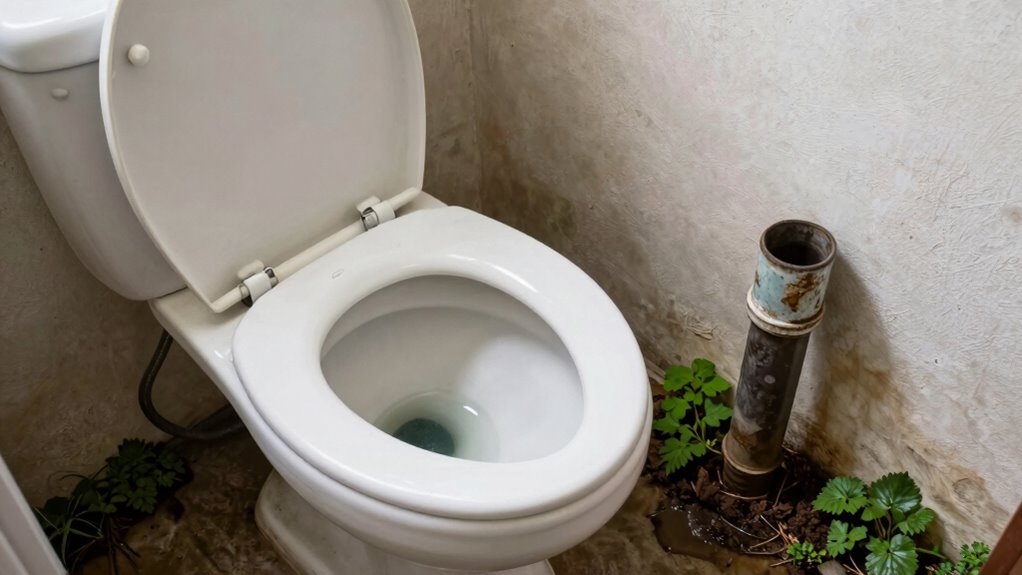

During outages, your standard toilet may still flush if it relies on gravity and water in the tank, but well water and septic systems can cause issues. Well systems depend on electric pumps, so no power means no fresh water, while septic tanks can back up if overused. To keep things functioning, you’ll need water conservation and alternative waste disposal methods. If you want to learn how to manage these challenges effectively, keep exploring the options available.
Key Takeaways
- Standard gravity-flush toilets operate without electricity but depend on water supply, which may be limited during outages.
- Well water pumps require power; outages can cut off water, making toilets unusable unless stored or alternative water sources are used.
- Septic systems function normally with proper waste and water management, but overloading during outages can cause backups or overflows.
- Water conservation—limiting flushes and reusing rinse water—helps preserve limited water supply and prevent septic system overloads.
- Alternative waste disposal methods, like composting toilets or sealed waste bags, are essential when well water and septic systems are inaccessible.
How Standard Toilets Function During Power Outages

During power outages, standard toilets continue to function because they rely on gravity and water pressure rather than electricity. When you flush, water from the tank flows down into the bowl, pulling waste into the trap and through the drain. Since no electricity is needed, you can flush multiple times as long as your water supply remains available. If needed, you can manually flush by pouring a bucket of water into the tank, ensuring waste gets pushed through the system. Your septic tank isn’t impacted by normal use, and the flushing process remains consistent. Additionally, septic system maintenance is important to prevent backups or issues during extended outages. Proper septic tank care helps maintain its function under various conditions. Regular inspection and pumping can help avoid costly repairs and ensure optimal performance. To further safeguard your system, avoiding overloading the septic tank with excessive water or waste is recommended, especially when water sources are limited. Using water conservation techniques can help extend your supply and prevent unnecessary strain on your septic system during outages. However, conserving water helps extend your supply, especially during extended outages. Keep in mind, if your water source is limited, you’ll need to be mindful about usage to avoid running out of water when it’s most needed.
Impact of Well Water Systems on Toilet Use in Emergencies

When the power goes out, your well water system can prevent you from using your toilets normally, since the electric pump stops working. With no power, your water supply becomes limited to the stored amount in your well tank, which quickly runs low. This means you’ll need to conserve water and find alternative ways to manage waste until power is restored.
Power Dependency Limitations
Power dependency in well water systems considerably limits toilet use during outages because electric pumps are essential for delivering water from the well to your home. Without power, the pump stops, and your household water supply for toilets, sinks, and other fixtures vanishes. This means you can’t flush or refill the toilet tank, making it unusable until power is restored. Even if residual water remains in the well tank, it’s limited and can quickly run out during prolonged outages. You’ll need alternative methods, like stored water or manual flushing, to manage waste. Relying on an electric pump makes your toilet system vulnerable to power failures, forcing you to adapt and prepare for temporary water scarcity during outages.
Water Supply Constraints
Well water systems substantially limit toilet use in emergencies because their supply relies on electric pumps. When power goes out, the pump stops, leaving you with little or no water in the well tank. Since the tank’s volume is limited, water for flushing quickly runs out, making toilets unusable. This forces you to conserve water and find alternative methods for waste disposal. Additionally, understanding the modern kitchen technology can help you prepare for such outages by implementing smart water management solutions. Regular maintenance and effective water storage can also mitigate some of these issues during outages. Being aware of arcade game mechanics can inspire innovative solutions for managing limited resources in critical situations. Recognizing precious metal IRA markets can help diversify your assets and provide financial stability during emergencies, ensuring you have resources beyond water management issues. Moreover, considering backup power options like generators can ensure the electric pumps remain operational during outages, maintaining your water supply.
Managing Septic Systems Without Electricity

Managing septic systems without electricity requires careful attention to prevent overflows and maintain proper function. Since gravity drainage to the tank continues, avoid overloading the system with excessive flushing or waste. Limit water use to prevent filling the tank too quickly, and consider manually flushing with water from stored supplies if necessary. Be cautious with chemicals or additives that might disrupt the bacterial balance essential for breakdown. Regularly monitor your system for signs of backup or overflow, especially if you notice slow drains or gurgling sounds. To reduce strain, use your toilet sparingly and avoid flushing non-biodegradable items. Proper maintenance and mindful use help guarantee your septic system remains functional until power is restored, reducing the risk of costly repairs or environmental hazards. Additionally, understanding your septic system components can help you better troubleshoot issues during outages. Familiarity with waste treatment processes can also aid in managing the system effectively during power outages. Being aware of backup prevention strategies can further protect your system from potential damage during extended outages.
Water Conservation Tips for Outage Situations

During outage, conserving water becomes essential to prevent shortages and reduce strain on your plumbing systems. First, limit toilet flushes to only when necessary—use a bucket of stored water for manual flushing if possible. Avoid running sinks or appliances unless essential, and take shorter showers to save water. Collect rainwater or store tap water beforehand for flushing and hygiene needs. Insulate pipes to prevent freezing and reduce leakage. Consider lining the toilet tank with a heavy-duty bag filled with water to reduce the amount used per flush. Be mindful of waste—dispose of trash properly to prevent plumbing blockages. Additionally, understanding your septic system can help you avoid complications during outages. Proper maintenance of your plumbing and septic system ensures they function well during water shortages. Regularly inspecting and updating your plumbing components can prevent unexpected failures. Incorporating water-saving fixtures can further reduce overall consumption and ease the pressure on your system. Implementing water-efficient flushing mechanisms can make a significant difference in conserving water during outages. By conserving water now, you’ll ensure enough supply for essential needs and help maintain your plumbing system during extended outages.
Preparing Your Toilet System for Extended Power Failures

Preparing your toilet system for extended power failures requires proactive measures to guarantee functionality and sanitation. First, store enough water in clean, sealed containers to manually flush your toilet when needed. Keep a supply of heavy-duty trash bags or portable toilet kits ready for waste disposal if your system becomes inoperable. Consider installing a battery backup or generator that can power essential components like well pumps or septic alarms. Insulating pipes can help prevent freezing during cold weather and maintain system efficiency. Regularly check your stored water and replace it as needed. Limiting flushing to conserve water and reduce strain on your septic system is also advisable. Planning ahead enhances home safety and ensures your toilet remains functional and hygienic until power is restored. Incorporating emergency preparedness measures specific to your plumbing system can further safeguard your sanitation needs during outages.
Alternative Solutions for Waste Disposal When Water and Power Are Out

When water and power are out, finding effective waste disposal solutions becomes essential to maintaining hygiene and preventing health hazards. You can consider alternatives like composting toilets, which turn waste into compost with minimal water use. Portable urinals are another option, ideal for quick disposal in emergencies. You might also use lined trash bags in your toilet or bucket, sealing waste securely until proper disposal.
| Solution | Description |
|---|---|
| Composting Toilets | Convert waste into compost, no water needed |
| Portable Urinals | Suitable for quick, temporary use |
| Trash Bag Liners | Seal waste for safe disposal, no plumbing |
These methods help manage waste safely when traditional systems are unavailable, keeping sanitation under control.
Practical Tips for Maintaining Hygiene and Sanitation During Outages

During outages, conserving water and managing waste safely become vital for maintaining hygiene. You can reduce water use by limiting flushing and using alternative disposal methods like heavy-duty trash bags. Staying prepared with these techniques helps keep your space sanitary until regular services are restored.
Water Conservation Techniques
To conserve water effectively during outages, focus on limiting the number of flushes and reusing water whenever possible. Use a bucket to catch water from rinsing or other sources, then pour it into the toilet tank for flushing. Reduce unnecessary flushes by waiting until the tank is full or only flushing solid waste. Store extra water in containers for manual flushing or cleaning. You can also line the toilet bowl with a heavy-duty trash bag to contain waste temporarily. These simple steps help stretch limited water supplies and maintain hygiene.
| Tip | Description | Benefit |
|---|---|---|
| Reuse rinse water | Collect water from washing or rinsing | Saves fresh water |
| Limit flushes | Only flush solids or when necessary | Conserves water |
| Store extra water | Keep water in containers for emergencies | Ensures availability |
| Use a trash bag in toilet bowl | Temporarily contain waste to reduce flush needs | Maintains sanitation |
| Insulate pipes | Prevent freezing and leaks | Protects water supply |
Alternative Waste Disposal
In outages when traditional toilets aren’t an option, finding alternative waste disposal methods becomes essential for maintaining hygiene and sanitation. You can use heavy-duty trash bags lined with a sturdy container or bucket. After use, seal the bag tightly to contain odors and prevent contamination. For added sanitation, sprinkle a small amount of disinfectant or lime inside the bag. Store used waste in a secure, ventilated area away from living spaces until trash collection resumes. If you have access to a composting toilet, ensure it’s properly maintained and vented to control odors. Avoid flushing waste into septic systems or storm drains, as this can cause backups or environmental contamination. Implementing vetted waste management practices, such as proper disposal and sanitation, helps prevent health hazards. Proper handling and disposal of waste are crucial to prevent the spread of germs and contamination risks. Always wash your hands thoroughly after handling waste to prevent the spread of germs.
Frequently Asked Questions
Can I Flush My Toilet Without Electricity or City Water Supply?
You can flush your toilet without electricity or city water if you have a standard gravity-flush toilet and stored water. Pour a bucket of water into the tank to manually flush. Make sure you have enough stored water beforehand, and consider lining the toilet with trash bags for waste. Remember, septic systems continue to work without power, but avoid excessive flushing to prevent overflow.
How Do I Prevent Septic Tank Backups During Outages?
Did you know that excessive flushing can increase overflow risks in septic tanks? To prevent backups during outages, only flush when necessary, and consider lining your toilet with heavy-duty trash bags for waste. Store enough water for manual flushing, and use a generator to power septic pumps if needed. Insulating pipes and conserving water helps maintain system balance, reducing the chance of backups when power or water supply is disrupted.
What Are Safe Waste Disposal Methods During Prolonged Power Outages?
During prolonged power outages, you should use heavy-duty trash bags lined in your toilet for waste disposal. Avoid flushing your regular toilet to prevent septic backups. Store water for manual flushing, and consider setting up designated waste containers outside if possible. Always prioritize sanitation; if available, use a composting toilet or portable options. Proper waste disposal helps prevent health hazards and keeps your system functioning smoothly during emergencies.
How Long Can a Household Sustain Toilet Use Without Power or Water?
You can usually maintain toilet use for about 24 to 48 hours during a power outage if you’ve stored enough water. On average, households rely on 180 gallons daily, but with conservation, you might stretch that to several days. To extend use, fill your toilet tank manually, limit flushing, and use backup water wisely. Planning ahead guarantees you won’t be caught short when power and water are unavailable.
Are There Portable or Alternative Toilet Options for Emergencies?
Yes, you can use portable toilets or bucket toilets during emergencies. Portable options include chemical or composting toilets that don’t need plumbing or electricity, making them ideal for outages. You can also create makeshift toilets using heavy-duty trash bags lined with a bucket. Always store disinfectants and waste disposal supplies nearby. These solutions help maintain sanitation, prevent odors, and keep your household safe when traditional toilets aren’t an option.
Conclusion
While power outages can complicate toilet use, understanding your well and septic systems helps you stay prepared. You might think solutions are limited, but with proper planning—like storing water or using alternative disposal methods—you can maintain hygiene and sanitation. Remember, taking proactive steps ensures you’re not caught off guard. Investing a little time now can save you stress later, proving that with the right knowledge, even extended outages won’t disrupt your comfort or safety.