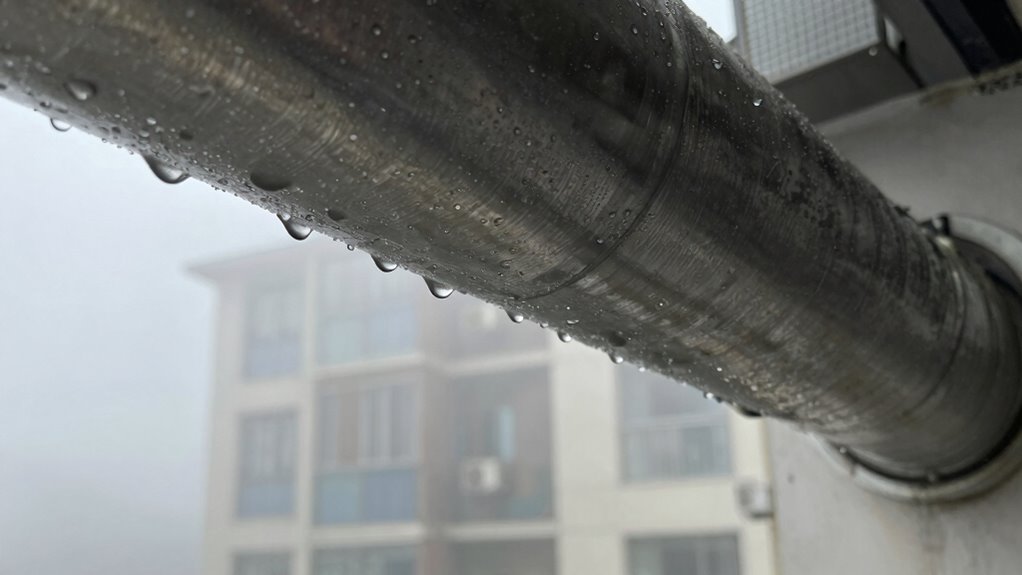

When your HVAC is off, moisture can quickly cause condensation, leading to damage. To prevent this, make certain your building is well-sealed and insulated, especially around ductwork and cold surfaces. Manage indoor humidity levels between 30-50%, using dehumidifiers or ventilation when needed. Regularly inspect and clean drain lines and mechanical components to prevent blockages and leaks. Proper drainage, air control, and source management help keep condensation at bay—keep exploring for more tips to protect your space.
Prime for Young Adults — start your free trial
Fast free delivery, streaming and member deals for eligible 18–24 year olds.
As an affiliate, we earn on qualifying purchases.
Key Takeaways
- Seal ductwork and insulation to prevent moist air infiltration and surface condensation during HVAC downtime.
- Maintain indoor humidity between 30-50% using dehumidifiers or ventilation to reduce dew point risk.
- Insulate cold surfaces and refrigerant lines with vapor barriers to keep temperatures above dew point.
- Regularly inspect and clean drain lines and pans to prevent water buildup and mold growth.
- Use moisture barriers and seal building envelope gaps to minimize moisture entry and condensation potential.
Understanding the Risks of Moisture Accumulation During HVAC Downtime

When your HVAC system is turned off or undergoing maintenance, moisture can quickly accumulate inside the building and on its components, leading to potential damage. Without proper airflow and dehumidification, humidity levels can rise, causing surfaces to reach their dew point. This results in condensation forming on cold ducts, coils, and walls, which promotes mold growth, corrosion, and material deterioration. Stagnant air during downtime allows moisture to settle and seep into insulation, framing, and other building parts. Over time, these conditions weaken structural elements and increase the risk of water damage. Recognizing the importance of building envelope integrity helps you understand the need to manage indoor humidity and moisture levels even when your HVAC isn’t actively heating or cooling. Proper moisture management can significantly reduce the chances of condensation-related problems during periods of HVAC inactivity. Additionally, implementing ventilation strategies during downtime can help remove excess humidity and improve air circulation, further preventing moisture buildup. Ensuring adequate air exchange during these periods can also help maintain a healthier indoor environment and reduce the potential for long-term damage.
Ensuring Proper Insulation and Sealing of Ductwork and Building Envelope

You need to seal ductwork leaks thoroughly to prevent moist air from infiltrating and causing internal condensation. Improving the building’s insulation layers, especially around cold surfaces, helps maintain consistent temperatures and reduces sweating. When both steps are in place, you minimize the risk of moisture buildup and condensation-related damage effectively. Proper building insulation also enhances overall energy efficiency and comfort. Additionally, ensuring that air sealing techniques are properly implemented can further reduce unwanted moisture ingress, which is essential in managing moisture control for a healthy indoor environment. Incorporating connected home technology such as smart sensors can also help monitor humidity levels and alert you to potential moisture issues before they become problematic. Utilizing smart appliances that track environmental conditions allows for proactive adjustments to prevent condensation.
Seal Ductwork Leaks Effectively
Sealing ductwork leaks is essential for maintaining system efficiency and preventing condensation issues. Leaks allow moist air to infiltrate or conditioned air to escape, increasing humidity and the risk of surface sweating. Proper sealing keeps airflow directed where it’s needed and reduces energy loss. Use mastic or foil tape to seal all joints, seams, and connections thoroughly. Consider sealing points like registers, vents, and access panels.
| Duct Component | Sealing Method |
|---|---|
| Joints & Seams | Mastic sealant or foil tape |
| Connections | Clamps and sealants |
| Vents & Registers | Foam gaskets or sealant |
Regular inspection ensures leaks stay sealed, reducing moisture buildup and protecting your space from condensation damage.
Enhance Building Insulation Layers
Enhancing building insulation layers is essential for preventing condensation damage by maintaining stable surface temperatures and controlling moisture migration. Proper insulation on walls, ceilings, and floors reduces temperature differences that cause surfaces to reach dew point. Seal gaps and cracks in the building envelope to prevent moist air infiltration, which can lead to internal condensation. Insulate cold-side ductwork and refrigerant lines in unconditioned spaces to keep surface temperatures above dew point, minimizing sweating. Use vapor barriers and high-quality insulation materials, such as closed-cell foam, especially in humid environments. Well-insulated and sealed structures help maintain consistent indoor temperatures and humidity levels, reducing the likelihood of condensation forming on surfaces when HVAC systems are off. Proper insulation is a key strategy in moisture management and overall building durability.
Managing Indoor Humidity Levels to Prevent Surface Condensation

Maintaining indoor humidity between 30% and 50% helps prevent surfaces from reaching the dew point and forming condensation. Installing dehumidifiers or using ventilation strategies can effectively control excess moisture, especially in humid climates. Monitoring humidity levels with sensors allows you to make timely adjustments before condensation becomes a problem. Proper ventilation and humidity control are essential components of whole-house water filtration systems that ensure optimal indoor air quality and prevent moisture-related issues. Additionally, understanding cloud-based services and their reliability can help in planning for contingencies if environmental controls or smart systems fail. Incorporating creative storytelling techniques into your home environment can also promote awareness and better management of indoor humidity levels. Regularly inspecting and maintaining your humidification and dehumidification equipment ensures consistent performance and helps prevent unexpected moisture problems. Being aware of environmental sensors can further enhance your ability to monitor and respond to humidity fluctuations in real-time.
Maintain Optimal Humidity Range
Controlling indoor humidity levels is essential to prevent surface condensation on cold surfaces and avoid water damage. Keep indoor humidity between 30% and 50%, which minimizes dew point and reduces the likelihood of moisture forming on cooler surfaces. Use a humidistat or digital sensors to monitor humidity levels regularly. If humidity rises too high, consider running a dehumidifier or improving ventilation to remove excess moisture. Pre-conditioning spaces by lowering humidity before shutting off HVAC systems helps prevent residual moisture buildup. Additionally, sealing leaks and using vapor barriers in walls and floors can reduce moisture intrusion. Maintaining this ideal range ensures surfaces stay dry, protecting your home from condensation-related issues and extending the lifespan of your HVAC system. Implementing effective moisture control techniques such as proper insulation and ventilation contributes significantly to humidity management.
Use Dehumidification Strategies
Using dehumidification strategies effectively reduces indoor humidity levels, helping prevent surface condensation on cold surfaces. Installing whole-building dehumidifiers or zoned units in high-moisture areas can actively remove excess moisture from the air, especially during humid seasons. Ventilation also plays a key role; mechanical exhaust fans or controlled natural ventilation help purge moist air and maintain balanced humidity. Pre-conditioning spaces before turning off HVAC systems prevents residual moisture buildup. Monitoring humidity with datalogging sensors allows you to identify trends and take proactive measures before conditions reach dew point. Additionally, indoor humidity management techniques can be tailored to specific spaces for optimal control. Proper humidity control not only prevents condensation but also contributes to a healthier indoor environment. Maintaining consistent humidity levels through environmental monitoring helps you respond swiftly to changes and avoid moisture-related issues. By maintaining indoor relative humidity between 30-50%, you reduce the likelihood of condensation forming on surfaces. Smart humidity controls can optimize dehumidification efforts and adapt to changing conditions. Integrating advanced humidity sensors enables more precise adjustments and improves overall environmental stability. Combining these strategies ensures moisture levels stay controlled, protecting your property from water damage and microbial growth caused by excess humidity.
Implementing Effective Drainage and Condensate Management Strategies
Effective drainage and condensate management are essential to guarantee water damage and assure HVAC system reliability. You should regularly inspect drain lines to prevent clogs caused by algae, dirt, or biofilm buildup. Always verify drain lines slope correctly, directing water away from foundations and into approved drainage areas. When gravity drainage isn’t feasible, install condensate pumps with alarms and redundant units for backup. Routinely flush drains with cleaning solutions to keep them clear. Use secondary or overflow pans with separate drains or float switches to catch failures before water leaks onto floors. Insulate drain pans and pipes to prevent condensation. Properly managing condensate guarantees your system operates efficiently and minimizes the risk of moisture-related damage, especially during off periods. Additionally, understanding condensation control principles helps optimize your system’s performance and longevity. Regular maintenance and awareness of moisture accumulation can further prevent hidden problems that might not be immediately visible. Incorporating proper insulation techniques can further reduce temperature differentials that lead to condensation issues.
Maintaining Airflow and System Controls for Optimal Moisture Control
Maintaining proper airflow and system controls is essential for preventing excess moisture buildup within HVAC systems. When airflow is inadequate, cold surfaces can become excessively chilled, leading to condensation. Proper system controls help manage temperature and humidity, minimizing moisture issues during off periods. To optimize moisture control, consider these key practices:
- Regularly calibrate thermostats and humidistats to ensure accurate readings and appropriate system responses.
- Use variable-speed fans to modulate airflow, reducing the risk of overcooling and excess condensation.
- Adjust supply-air temperatures during system start-up and shut-down to keep surfaces above dew point.
- Balance zoning systems to prevent localized overcooling, which can cause surface moisture and microbial growth.
Implementing these controls helps maintain a dry, stable environment, reducing condensation risks when your HVAC system isn’t actively heating or cooling.
Regular Inspection and Maintenance of Drain Lines and Mechanical Components

Regular inspection and maintenance of drain lines and mechanical components are essential to prevent water damage caused by blockages, leaks, or component failure. You should check drain lines monthly to remove debris, algae, or biofilm that can cause clogs. Flush the lines with a cleaning solution or biocide regularly to keep them clear. Make certain drain pans are clean, properly sloped, and free of standing water. Test condensate pumps periodically, and install float switches or alarms to catch overflows early. Inspect mechanical components like coils, filters, and fittings for corrosion, damage, or leaks. Replace filters as recommended to maintain airflow and reduce excess moisture. Properly functioning drainage and mechanical systems are crucial to avoiding costly water damage and maintaining a healthy, condensation-free environment.
Utilizing Source Control Measures to Minimize Internal Moisture Generation
Controlling the sources of internal moisture can substantially reduce the burden on your HVAC system and lower the risk of condensation issues. By addressing moisture-generating activities and leaks, you prevent excess humidity from stressing your system. Here are key measures you can take:
Managing internal moisture sources reduces HVAC strain and prevents condensation issues effectively.
- Ensure plumbing leaks and roof penetrations are promptly repaired to prevent ongoing moisture entry.
- Use exhaust fans in bathrooms, kitchens, and laundry areas to vent moisture outdoors effectively.
- Keep interior drying, cooking, and showering activities well-ventilated to minimize humidity spikes.
- Install vapor barriers in walls, floors, and attics to prevent moisture migration and condensation on cool surfaces.
These source control strategies help maintain a balanced indoor environment, reducing condensation risk even when the HVAC system is off.
Frequently Asked Questions
How Can I Detect Hidden Leaks Causing Indoor Moisture Buildup?
You can detect hidden leaks causing indoor moisture buildup by using water-detection sensors in problem areas, like beneath air handlers or near plumbing lines. Regularly inspect for unexplained damp spots or mold growth, and check for musty odors. Consider using infrared cameras to spot hidden leaks or moisture behind walls. Monitoring humidity levels with dataloggers helps identify abnormal increases, indicating leaks that need repair before they cause further damage.
What Are the Best Sensors to Monitor Humidity and Condensation Risks?
Think of sensors as vigilant sentinels guarding your space. To monitor humidity and condensation risks effectively, install water-detection sensors in mechanical rooms and beneath air handlers—these act like early warning signals. Use digital hygrometers with data logging to track moisture trends, and place high-quality humidity sensors near cold surfaces. These tools help you catch issues before they escalate, keeping your environment dry and safe.
How Often Should Ductwork Insulation Be Inspected for Moisture Issues?
You should examine your ductwork insulation at least once a year for moisture issues. Look for signs of mold, dampness, or discoloration, especially in unconditioned spaces or areas with high humidity. Check for damaged or missing insulation, and make certain seams are sealed properly. Regular inspections help catch problems early, preventing mold growth, structural damage, and compromised indoor air quality, keeping your system efficient and safe.
What Are Effective Methods to Prevent Microbial Growth in Drain Pans?
To prevent microbial growth in drain pans, you should regularly clean and disinfect them with biocidal solutions or diluted bleach. Visualize a clean, dry pan with a fresh coating that inhibits mold and bacteria. Maintain proper drainage and ensure pans are insulated and sloped correctly. Using antimicrobial coatings or algae-resistant pans further reduces growth. Routine inspections and flushing prevent biofilm buildup, keeping your system sanitary and free from microbial contamination.
How Do I Balance Airflow to Minimize Both Humidity and Temperature Fluctuations?
You should maintain proper airflow across your evaporator coils by balancing system settings and installing variable-speed fans. Increase airflow during low-load periods to prevent coil freezing and reduce moisture buildup. Use dampers or zoning controls to optimize air distribution, and avoid overcooling specific areas. Regularly adjust airflow based on indoor humidity and temperature readings, ensuring consistent conditions that minimize fluctuations and maintain comfort without promoting condensation.
Conclusion
By taking these proactive steps, you can markedly reduce condensation damage when your HVAC system is off. Did you know that improper moisture control can lead to mold growth and property loss of up to 15%? Staying vigilant with insulation, humidity management, and regular maintenance keeps moisture at bay, protecting your space and health. Don’t wait until problems arise—act now to keep your environment safe and dry year-round.
Fall yard work Picks
leaf blowers
As an affiliate, we earn on qualifying purchases.