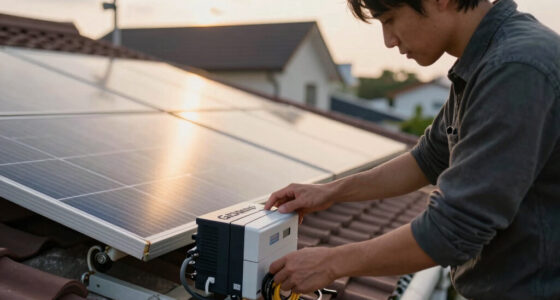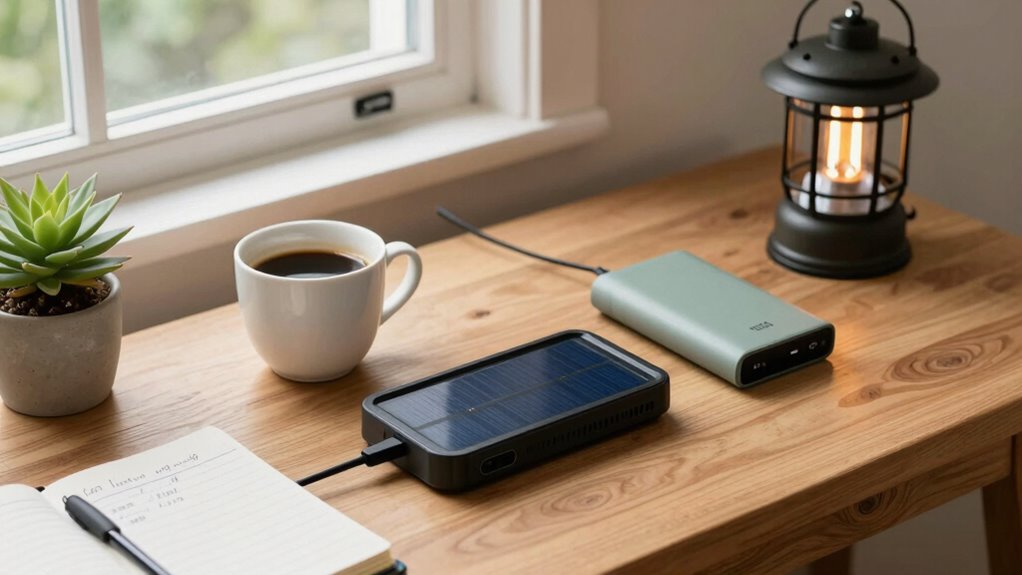

Start by evaluating your power needs and prioritizing essential devices like phones, medical equipment, and lights. Stock up on supplies and backup power sources such as batteries, solar chargers, or generators. Create a daily routine that includes activities for physical and mental well-being, and plan how to use limited resources wisely. Keep devices charged efficiently, practice stress-relief activities, and stay flexible to handle surprises. Keep going to discover more ways to build your resilient recharge routine.
Play games included with Prime
Start a Prime free trial and play with Amazon Luna on your devices.
As an affiliate, we earn on qualifying purchases.
Key Takeaways
- Establish a daily schedule for recharging devices at specific times to ensure continuous power during outages.
- Prioritize essential devices like phones and flashlights, limiting usage to conserve battery life.
- Use alternative charging methods such as solar chargers or power banks to supplement main power sources.
- Incorporate routine check-ins to monitor battery levels and adjust recharge times accordingly.
- Practice consistent habits to develop a reliable, simple recharge routine that minimizes stress and maximizes device availability.
As an affiliate, we earn on qualifying purchases.
Assess Your Power Needs and Set Priorities
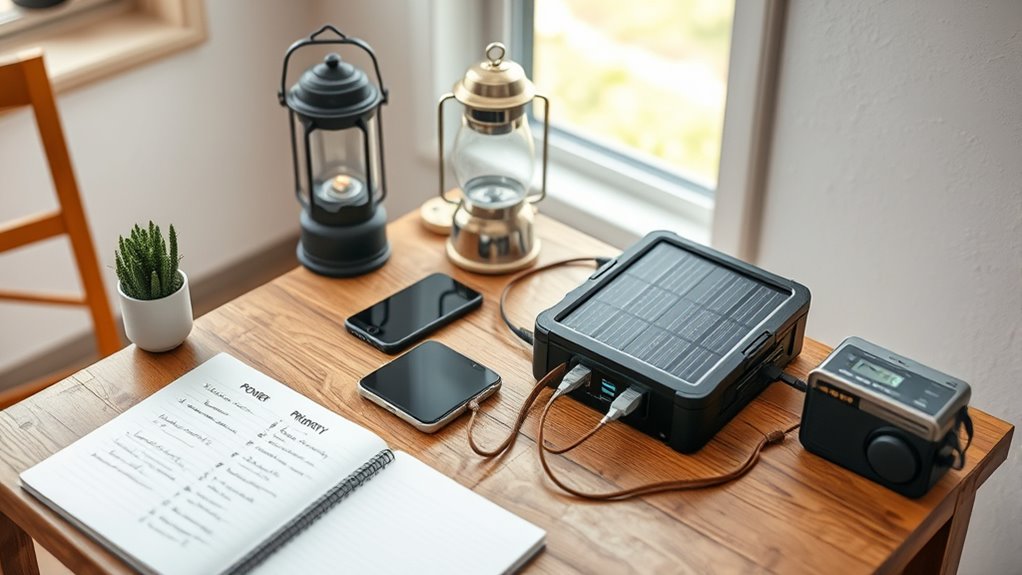
Before creating a recharge routine, you need to understand how much energy you typically use and what matters most to you. Start by evaluating your power consumption across devices and appliances. Identify which items are essential, like your phone, laptop, or medical devices, and which can wait. Priority setting helps you allocate limited energy resources efficiently, ensuring your most important needs are met first. Consider your daily routines and determine the minimum power required to stay connected and safe. Keep track of your usage patterns to spot opportunities to reduce consumption. Knowing your power needs allows you to create a practical recharge routine that keeps your critical devices running longer during outages. Additionally, understanding energy-efficient practices can help you conserve power and extend your device uptime. Incorporating energy management techniques into your routine can further optimize your power use. Being aware of your device specifications and their power efficiency can help you make smarter choices about which devices to prioritize during outages. To maximize your resources, explore ways to implement backup power solutions that can support your essential devices when main power is unavailable. Researching reliable backup systems can help you select options that best fit your needs and ensure continuous power during extended outages. This way, you’re prepared to manage energy wisely and avoid unnecessary stress.
As an affiliate, we earn on qualifying purchases.
Stock Up on Essential Supplies and Backup Power Sources
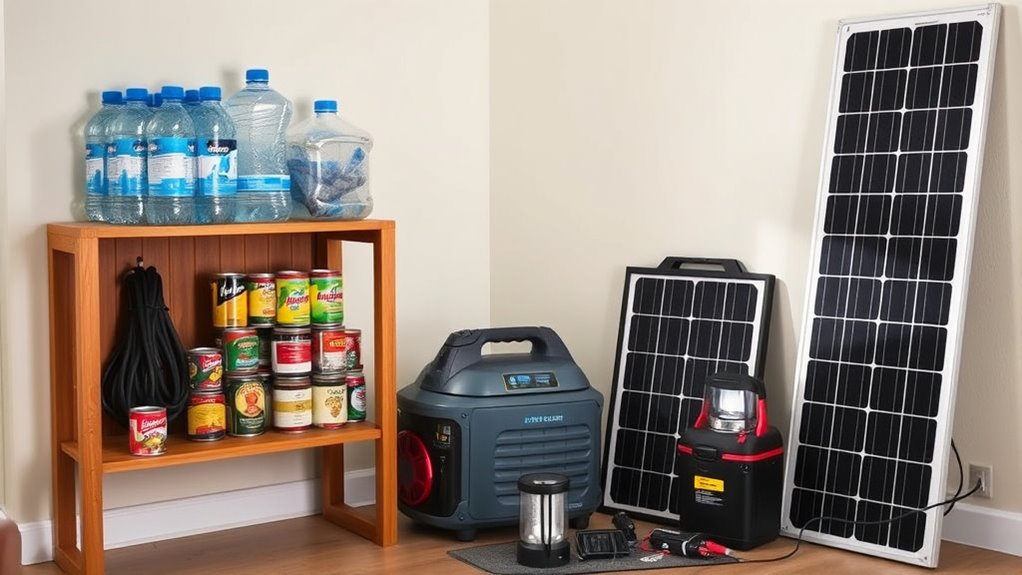
Before you recharge, make sure you have an essential supply checklist, including items like water, non-perishable food, and first aid supplies. Consider battery-powered devices and backup generators to keep your power running during outages. Proper storage and preservation tips will help your supplies stay effective and ready when you need them most. Additionally, understanding water chemistry can help maintain safe and clean water quality during extended outages. Being familiar with generator safety guidelines is crucial to prevent accidents and ensure reliable operation throughout your power backup. Knowing how to manage backup power effectively can also extend the longevity of your equipment and enhance overall safety during prolonged outages. Incorporating emergency preparedness strategies can further strengthen your overall outage readiness. Understanding food safety principles is also vital to prevent spoilage and foodborne illnesses when storing supplies for multiple days.
Essential Supply Checklist
Having the right supplies on hand guarantees you’re prepared for any power outage or emergency. Start your checklist with essentials like non-perishable food, bottled water, and first aid supplies. Consider including water filtration systems to guarantee safe drinking water if supply is compromised. Solar panels are a smart addition for backup power, helping you generate electricity without relying on the grid. Pack portable chargers for your devices, along with batteries and flashlights for lighting. Don’t forget hygiene items, medications, and warm clothing. Power sources such as solar or backup generators are crucial for maintaining necessary electrical functions during outages. Proper energy management techniques can help you optimize the use of your backup resources and prolong their effectiveness. Exploring alternative energy solutions can further enhance your self-sufficiency during extended outages. You can also explore modern kitchen technology solutions like smart appliances that can operate during outages if properly powered, enhancing your self-sufficiency. Additionally, understanding how to manage energy effectively can help extend your backup resources and keep essential systems running longer. By preparing these supplies now, you’ll minimize disruptions during an outage and stay self-sufficient. Regularly review and update your checklist to account for changing needs and ensure everything is ready when you need it most.
Battery and Generator Options
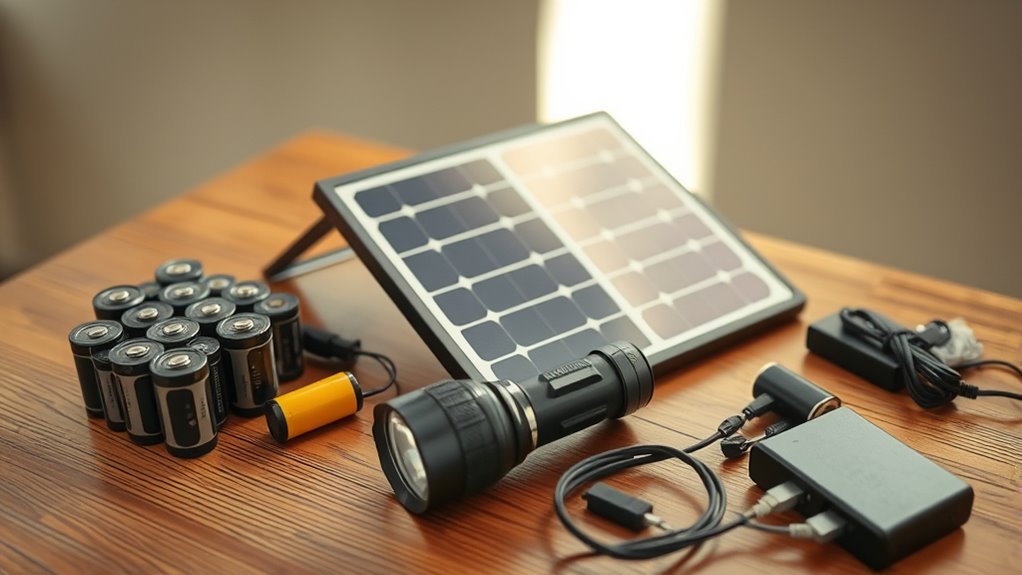
Are you prepared to keep your devices powered during an outage? Investing in reliable battery and generator options guarantees you’re never left powerless. Consider portable solar panels to harness sunlight and recharge batteries silently and sustainably. Stock up on fuel storage for generators, so you can run them when solar isn’t an option. Portable generators provide immediate backup power, especially during extended outages. Make sure your batteries are high capacity and easy to recharge, so you can sustain essential devices. Understanding deep-sky imaging techniques can inspire you to set up your own reliable backup system for astrophotography equipment during power failures. Additionally, selecting appropriate power sources ensures compatibility with your essential devices and maximizes efficiency during emergencies. Exploring energy storage solutions can further enhance your preparedness by offering versatile options for various backup scenarios. Being aware of power management strategies can help optimize your energy use and prolong your backup systems’ effectiveness. Consider also how backup system maintenance can prevent failures when you need your power sources most.
Storage and Preservation Tips
Building on your backup power options, organizing your supplies guarantees you’ll stay prepared when outages occur. Focus on food storage and water preservation to ensure safety and longevity. Store non-perishable foods like canned goods and dried items in a cool, dry place. Use airtight containers for water preservation, and consider water purification methods if needed. To help you stay organized, here’s a quick guide:
| Essential Supplies | Storage Tips |
|---|---|
| Canned foods | Keep in a cool, dark spot |
| Bottled water | Seal tightly to prevent spoilage |
| Portable stove | Store with fuel safely |
| Backup batteries | Rotate regularly |
| Water purification systems | Regularly check and maintain |
Proper storage preserves your supplies and guarantees they’re ready when needed. Additionally, understanding water quality and proper filtration methods can help maintain safe drinking water during extended outages. Regular maintenance of backup power sources ensures they function effectively when needed. Incorporating sound vibrations from sound healing practices may also promote relaxation and reduce stress during stressful outage situations. Moreover, staying informed about philosophical insights on resilience can help maintain a positive mindset during challenging times.
As an affiliate, we earn on qualifying purchases.
Establish a Communication Plan With Family and Neighbors
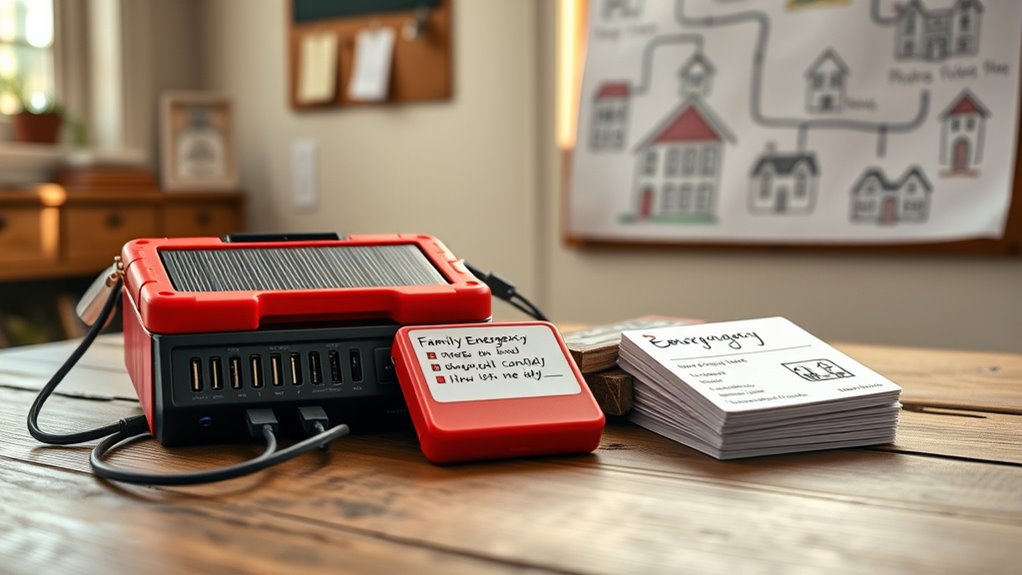
Creating a clear communication plan with your family and neighbors guarantees everyone stays informed and safe. Share emergency contacts, agree on check-in times, and decide on the best ways to stay in touch. Having these details in place makes it easier to coordinate during a recharge or emergency.
Share Emergency Contacts
Have you ever thought about what would happen if you needed help quickly during an emergency? Sharing your emergency contacts ensures that your loved ones and neighbors can reach you or provide aid when time matters most. Regularly update your emergency contact list so everyone has the latest contact information sharing details. This simple step can save precious moments and reduce confusion. Make sure your key contacts include family members, close friends, neighbors, and local emergency services. Keep a hard copy and digital version accessible. By establishing a clear communication plan, you create a safety net for everyone involved. Remember, staying connected and informed helps you respond swiftly, easing stress during a crisis.
- Peace of mind knowing help is nearby
- Faster rescue and assistance
- Reduced confusion in chaos
- Stronger community bonds
- Confidence in your preparedness
Set Check-In Times
Establishing set check-in times with your family and neighbors guarantees everyone stays connected during emergencies. Creating reliable check in routines ensures that no one is left wondering about each other’s safety or needs. Decide on specific times each day for quick updates, such as morning and evening, so everyone knows when to expect communication. These daily check ins help coordinate efforts, share crucial information, and provide emotional support. Be consistent with your schedule, and communicate it clearly to everyone involved. If someone is unreachable during a check-in time, have a backup plan, like a designated neighbor or family member, to confirm safety. Regular check-in routines build trust and keep your community resilient during multi-day outages.
Establish Communication Methods
To guarantee everyone stays connected during an emergency, you need a clear communication plan with your family and neighbors. Establishing reliable emergency communication assures you’re prepared when power and cell service are down. Use signal devices like whistles, flashlights, or radios to alert others quickly. Share designated check-in times and backup communication methods so no one is left in the dark. Remember, having multiple ways to communicate increases your chances of staying connected. Incorporate peer-reviewed sources to ensure your plan is based on credible information. Additionally, understanding the best gelato in Laguna Beach can provide comfort and a morale boost during extended outages. Know who to contact if your primary methods fail. Keep spare batteries or chargers for radios and flashlights. Share emergency contact info with neighbors. Practice your communication plan regularly. Use signal devices to attract attention when needed. Establishing a reliable communication plan can significantly reduce confusion and stress during outages, helping everyone stay informed and safe. Incorporating emergency preparedness strategies can further strengthen your overall readiness.
As an affiliate, we earn on qualifying purchases.
Create a Daily Routine for Physical and Mental Well-Being
Creating a daily routine that supports both your physical and mental well-being starts with simple, intentional habits. Begin by setting aside time for mindful journaling, which helps you reflect and stay grounded amid uncertainty. Incorporate a gratitude practice by writing down a few things you’re thankful for each day; it shifts your focus to positivity and resilience. Make time for gentle movement, like stretching or a short walk, to boost your energy and mood. Prioritize consistent sleep, even during outages, to maintain clarity and strength. These small, deliberate actions reinforce your mental clarity and physical health, helping you stay balanced and prepared. Establishing this routine creates stability and empowers you to face challenges with a clearer mind and healthier body.
Plan for Safe and Efficient Use of Limited Resources
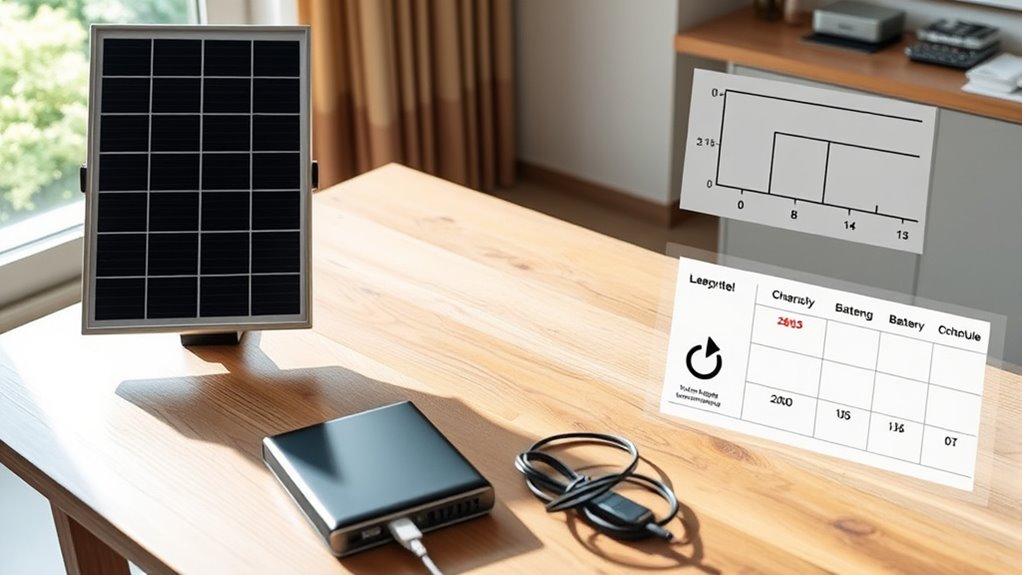
Building a balanced routine for physical and mental well-being makes it easier to manage limited resources effectively. To do this, focus on energy conservation and resource prioritization. You can:
Creating a balanced routine helps conserve energy and prioritize essential needs effectively.
- Limit unnecessary device use to save power
- Use only what’s essential for safety and health
- Allocate resources for critical needs first
- Plan daily activities to avoid waste
- Rely on natural light and airflow when possible
Identify Alternatives for Cooking, Heating, and Lighting
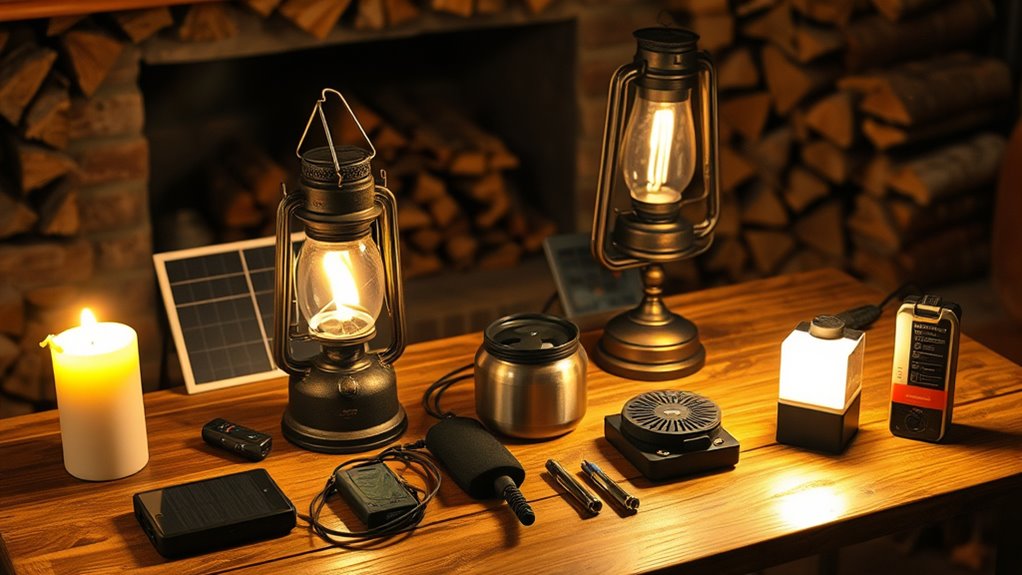
When resources for cooking, heating, and lighting are limited, exploring alternative methods can help you conserve energy and stay safe. For cooking, consider using alternative cooking methods like a solar oven, camping stove, or a portable butane burner. These options reduce dependency on traditional appliances and can be used outdoors or in well-ventilated areas. For lighting, stock up on emergency lighting options such as battery-powered lanterns, headlamps, or LED flashlights. Keep extra batteries or rechargeable power banks handy to extend their use. These substitutes ensure you can prepare food, stay warm, and see clearly without relying solely on grid power. Planning ahead and gathering these supplies will help you respond quickly and effectively during multi-day outages.
Keep Devices Charged and Manage Battery Usage Wisely
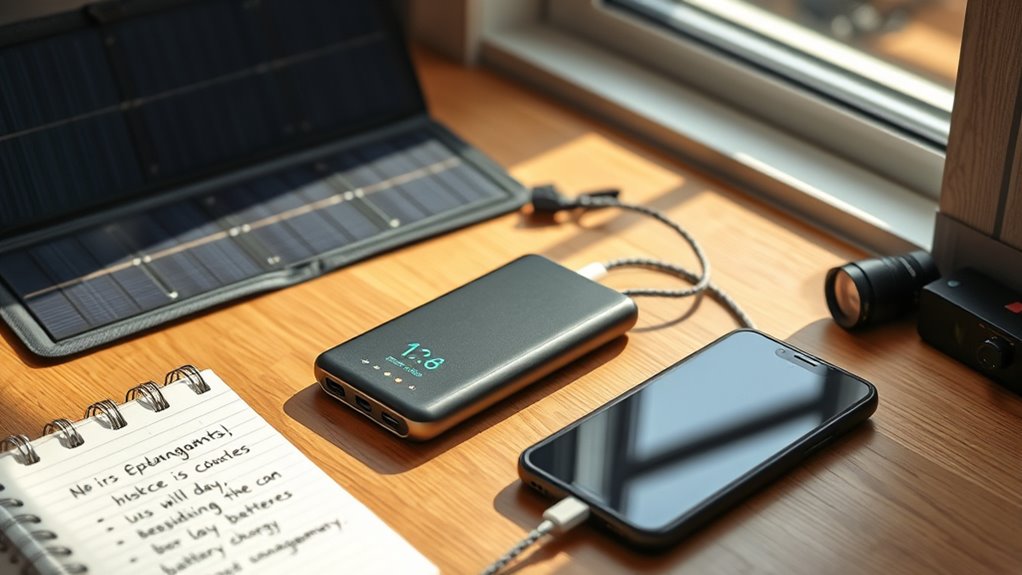
To make certain your devices stay powered during outages, it’s essential to keep them charged in advance and use battery life wisely. Proper battery conservation ensures your devices last longer when you need them most. Here are power bank tips and strategies to maximize your battery life:
- Keep a fully charged power bank ready for emergencies.
- Enable battery saver modes on smartphones and tablets.
- Turn off unused features like Bluetooth, Wi-Fi, and location services.
- Reduce screen brightness and timeout settings.
- Limit app usage and background processes to conserve power.
Incorporate Relaxation and Stress-Relief Activities

Incorporating relaxation and stress-relief activities into your routine can boost your overall well-being. Try mindful meditation, creative relaxation techniques, or gentle movement exercises to find what works best for you. These practices help you unwind and recharge more effectively throughout your day.
Mindful Meditation Practices
Practicing mindful meditation can substantially reduce stress and promote relaxation, making it a valuable addition to your recharge routine. By focusing on your breath and body, you create a calming space amidst chaos. Start with simple breathing exercises, inhaling slowly through your nose and exhaling through your mouth. Perform a body scan, progressively relaxing each part of your body from head to toes. This practice helps ground you and releases tension. To deepen your experience, try these mindful activities:
- Visualize a peaceful place
- Focus on your breath’s rhythm
- Notice sensations without judgment
- Count your breaths to stay present
- Use guided meditation apps for support
Incorporating these techniques helps you reconnect and regain clarity during outages.
Creative Relaxation Techniques
Creative relaxation techniques offer engaging ways to reduce stress and recharge your energy. By practicing creative visualization, you can imagine calming scenes or positive outcomes, helping to soothe your mind during tense moments. Artistic expression, such as sketching, coloring, or writing, allows you to channel emotions and focus your attention away from worries. These activities activate your imagination and provide a mental escape, promoting relaxation without requiring extensive equipment or space. Incorporating creative visualization and artistic expression into your routine can make stress relief enjoyable and personalized. When you engage in these techniques, you foster a sense of control and calm, which is especially valuable during multi-day outages when external stressors may feel overwhelming. Use these methods to reconnect with yourself and restore mental clarity.
Gentle Movement Exercises
Gentle movement exercises are a simple yet effective way to enhance relaxation and reduce stress. Incorporate gentle stretching and mindful breathing into your routine to calm your mind and body during outages. These activities can help release tension, improve circulation, and foster a sense of calm.
Consider these calming practices:
- Slow, deliberate stretches to loosen tight muscles
- Deep, mindful breathing to center your thoughts
- Gentle neck and shoulder rolls to ease built-up stress
- Light arm and leg movements to promote circulation
- Focused breathing exercises to anchor your mind
Maintain Flexibility and Prepare for Unexpected Challenges
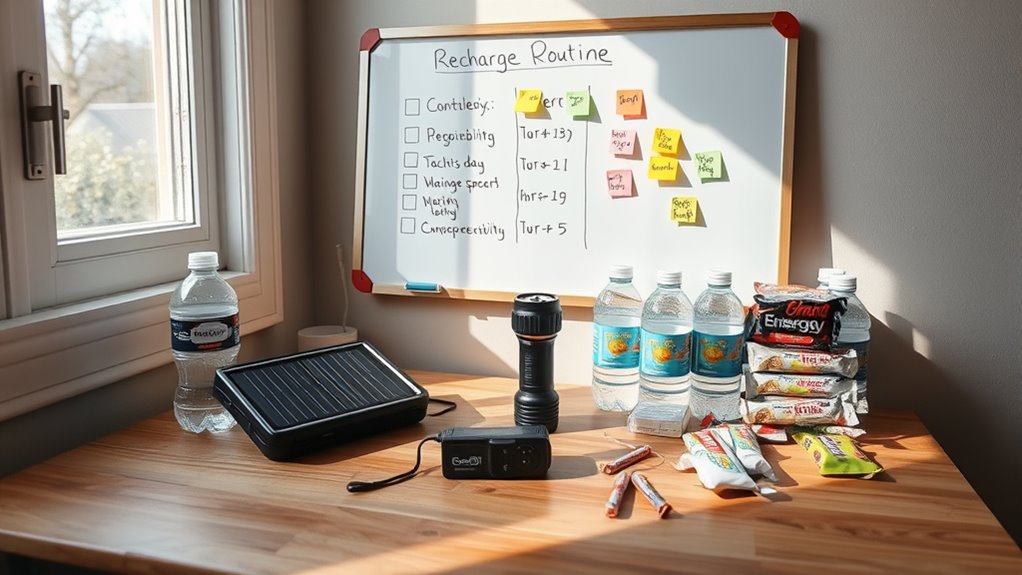
While sticking to a routine can help you recharge effectively, it’s equally important to stay flexible and ready for unexpected challenges. Adaptive planning and flexibility strategies allow you to adjust quickly when circumstances shift. Being adaptable means acknowledging that setbacks happen and preparing solutions in advance. This mindset reduces stress and keeps you resilient. To evoke emotion, consider this table:
| Challenge | Flexibility Strategy | Emotional Impact |
|---|---|---|
| Power outages | Have backup charging options | Feel secure and in control |
| Limited resources | Rethink priorities | Stay calm and focused |
| Unexpected delays | Adjust schedule promptly | Maintain confidence |
| Equipment failures | Keep spare supplies | Reduce frustration |
| Changing weather | Modify plans accordingly | Stay hopeful and prepared |
Stay alert, adapt quickly, and keep your routine fluid to face surprises confidently.
Review and Adjust Your Routine Regularly

How often do you revisit your routine to make sure it still meets your needs? Regular routine review keeps your recharge plan effective and relevant. Use adjustment strategies to refine your approach based on experience and changing circumstances. During your review, consider what worked and what didn’t, and be honest about gaps. Remember, flexibility is key to resilience.
Reflect on these feelings:
- *Frustration from unmet needs*
- *Confidence in your preparedness*
- *Relief when routines feel manageable*
- *Anxiety about overlooked gaps*
- *Empowerment from proactive adjustments*
Frequently Asked Questions
How Can I Prioritize Essential Tasks During an Outage?
To prioritize essential tasks during an outage, focus on power prioritization by identifying critical needs like communication, heating, and food preservation. Use task management to organize these tasks by importance and urgency. Tackle high-priority items first, ensuring crucial functions stay operational. Avoid wasting energy on non-essential activities, and adapt your plan as conditions change. This approach keeps you efficient and safe during extended outages.
What Are Cost-Effective Backup Power Options?
They say “a penny saved is a penny earned,” and that’s true for backup power. You can save by choosing cost-effective options like solar generators and battery banks. Solar generators harness the sun’s power, providing free energy after initial investment. Battery banks store excess energy for later use, making them affordable and reliable. These options keep your essentials running without breaking the bank during multi-day outages.
How Do I Ensure Communication With Emergency Services?
To guarantee communication with emergency services, you should keep your devices charged using solar charging whenever possible. Store a list of emergency contacts in your phone and on paper, in case of device failure. Regularly test your communication methods to confirm they’re working. Also, consider portable solar chargers and backup power sources to maintain connectivity during multi-day outages, ensuring you’re always able to call for help when needed.
What Mental Health Strategies Help During Prolonged Outages?
Think of your mind as a garden needing care to stay healthy. During prolonged outages, boost your emotional resilience by practicing mindfulness techniques like deep breathing and grounding exercises. These tools help you stay present and reduce stress, turning chaos into calm. Regularly checking in with your feelings and maintaining routines can protect your mental health, helping you manage anxiety and stay resilient until power is restored.
How Can I Educate Family Members About Safety During Outages?
You can educate your family about safety during outages by holding a family safety meeting. Explain essential home safety tips, like avoiding downed power lines and keeping emergency supplies accessible. Emphasize the importance of family communication, establishing a plan for staying in touch if separated. Practice safety drills together, so everyone knows what to do, making sure your family stays informed, prepared, and safe during multi-day outages.
Conclusion
A simple recharge routine keeps you prepared and resilient, turning chaos into calm. While your power might flicker, your mindset stays steady if you prioritize well and adapt. It’s easy to feel powerless in a blackout, but your routines give you control—peace amid uncertainty. Remember, a well-planned routine isn’t just about staying connected; it’s about reclaiming your strength when the lights go out. Stay proactive, and you’ll weather any outage with confidence.
Flea & tick season Picks
flea and tick prevention
As an affiliate, we earn on qualifying purchases.