Efficiency losses in backup power plans change over time because system components wear out and external factors shift, like temperature and load changes. These fluctuations affect how well your system performs, making it necessary to adjust and optimize your setup periodically. Monitoring and maintaining your system helps catch inefficiencies early. Understanding these evolving factors can lead to smarter upgrades and better energy use, so keep exploring to learn more about keeping your backup power reliable and efficient.

Get backup power and energy gear delivered free — and shop member deals
- Fast, free delivery on millions of items
- Access to Prime Big Deal Days deals on October 6–7
- Prime Video, Amazon Music and more included
Key Takeaways
- External factors like temperature and load fluctuations cause variability in system efficiency over time.
- Aging components and outdated technology increase energy losses in backup power systems.
- Changes in system configuration or added energy sources introduce additional conversion losses.
- Regular system monitoring reveals efficiency trends that influence backup power planning.
- Technological upgrades improve efficiency, requiring updates to backup strategies to reflect new performance levels.
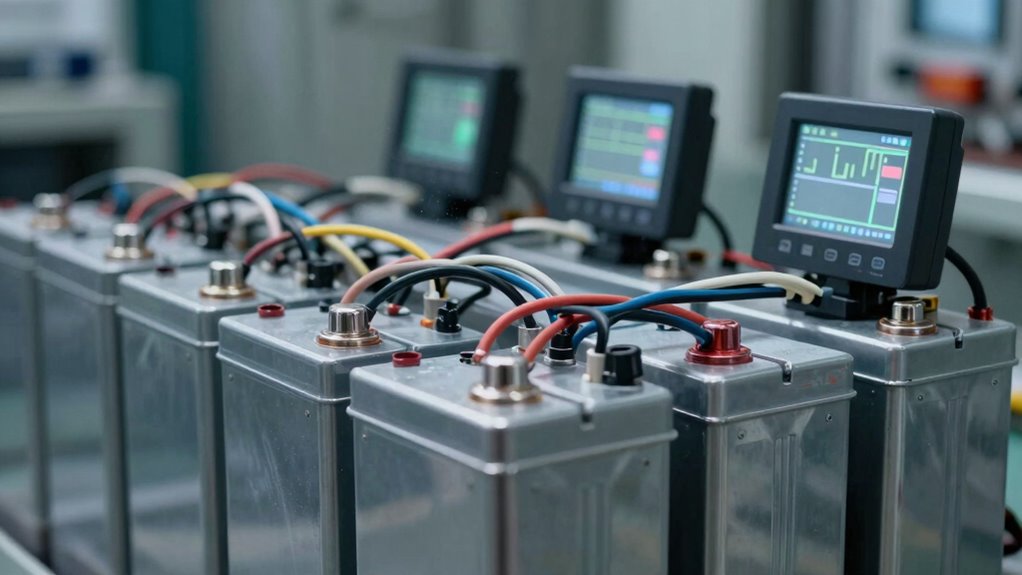
Efficiency losses also change based on how your system is configured and operated. If you’re using multiple energy sources, converting energy from one form to another introduces losses at each step—think of inverters, rectifiers, and transformers. The more conversions, the greater the loss. Additionally, as system components age or become less efficient, the overall efficiency drops. External factors like temperature and load fluctuations also play a role, sometimes causing unexpected efficiency dips. Because these variables constantly evolve, each backup power plan must adapt to changing conditions to minimize energy waste. Regularly monitoring and system maintenance can help identify inefficiencies early and ensure optimal performance over time. Furthermore, advances in system components like inverters and batteries can help reduce some of these losses, but only if they are properly maintained and upgraded over time. Recognizing these factors helps you anticipate future challenges and optimize your backup power plan. By regularly evaluating and maintaining your system, you can reduce losses, improve reliability, and make the most of your energy investments over time. Understanding efficiency variability is key to developing a resilient and cost-effective backup power strategy. Considering system efficiency trends can also aid in planning upgrades and expansions more effectively.
As an affiliate, we earn on qualifying purchases.
Frequently Asked Questions
How Do Climate Conditions Affect Backup Power Efficiency?
Climate conditions directly impact your backup power efficiency by influencing renewable integration and thermal management. Hot weather can cause overheating, reducing system performance and increasing energy losses, while cold conditions may hinder battery performance. Humidity and temperature fluctuations complicate thermal management, affecting the reliability of your backup system. Adjusting your plan to these climate factors guarantees better efficiency, minimizes losses, and maintains consistent power during outages.
Can Equipment Aging Impact Efficiency Losses Over Time?
Yes, equipment aging can impact efficiency losses over time. As equipment degrades, it becomes less reliable and more prone to inefficiencies, which might catch you off guard if you’re not vigilant. Regular maintenance scheduling becomes essential to detect early signs of wear, ensuring your backup power system stays efficient. Neglecting this can lead to unexpected failures when you need power most, leaving you scrambling in critical moments.
What Role Does Load Variability Play in Efficiency Changes?
Load fluctuations and demand shifts considerably influence efficiency changes in backup power systems. When your load varies unpredictably, the system must frequently adapt, often operating outside its ideal range. This results in increased efficiency losses because equipment isn’t running at peak performance. As your demand shifts, the system’s components may work harder or less efficiently, causing overall efficiency to fluctuate and sometimes decline over time.
Do Different Backup Power Sources Have Distinct Efficiency Loss Patterns?
Like a trusty steed in a bygone era, different backup power sources show unique efficiency loss patterns. You’ll notice that batteries tend to suffer from degradation over time, reducing their efficiency, while fuel-based generators often have fluctuating fuel consumption rates depending on load and age. These patterns influence overall backup system performance, so understanding each source’s quirks helps you optimize reliability and minimize efficiency losses.
How Often Should Efficiency Assessments Be Conducted?
You should conduct efficiency assessments regularly, ideally aligning with your maintenance schedules and energy audits. This helps identify changes in efficiency loss patterns, ensuring your backup power systems stay ideal. Typically, performing assessments annually or biannually is recommended, but more frequent checks might be needed if you notice performance issues or significant system updates. Staying proactive maintains reliability and minimizes energy waste in your backup power setup.
As an affiliate, we earn on qualifying purchases.
Conclusion
So, next time you’re designing a backup power plan, remember that efficiency losses aren’t static—they change over time, much like the shifting sands of the desert. Staying aware of these variations helps you make smarter choices, ensuring your system remains reliable and cost-effective. Don’t forget, even in this digital age, old-school vigilance can save you from future power outages. Keep your backup game sharp, and you’ll always be ready, no matter what the future holds.
As an affiliate, we earn on qualifying purchases.
As an affiliate, we earn on qualifying purchases.
Fall Picks
fall essentials
As an affiliate, we earn on qualifying purchases.


![The GNU Emacs Architecture: Unlocking The Core [Pdf]](https://wattreserve.com/wp-content/uploads/2026/07/the-gnu-emacs-architecture-unlocking-the-core-pdf-featured-560x300.jpg)