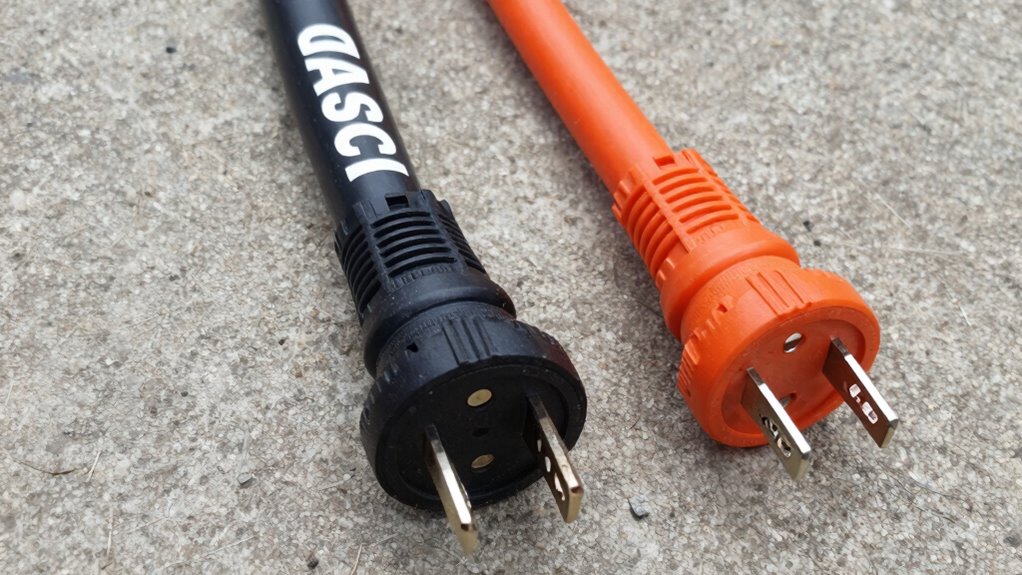

When choosing between a 10-gauge and a 12-gauge extension cord for backup power, take into account your power needs and the cord length. A 10-gauge cord handles higher current and is better for longer runs and heavy loads, providing added safety and less voltage drop. A 12-gauge is suitable for lighter devices and shorter distances. To make sure you get it right and keep your power steady during emergencies, there’s more to consider that can help you make an informed choice.

Get backup power and energy gear delivered free with Prime
- Fast, free delivery on millions of items
- Prime Video, Amazon Music and more included
- Member-only deals all year
Key Takeaways
- 10-gauge cords handle higher current loads and are better suited for heavy-duty backup power applications.
- 12-gauge cords offer a balance of flexibility and capacity, ideal for most backup power needs.
- 10-gauge cords have lower voltage drops over long distances, ensuring stable power delivery.
- 12-gauge cords are generally safer and sufficient for smaller backup setups and light devices.
- Proper gauge selection depends on power demands, cord length, and outdoor or indoor use.
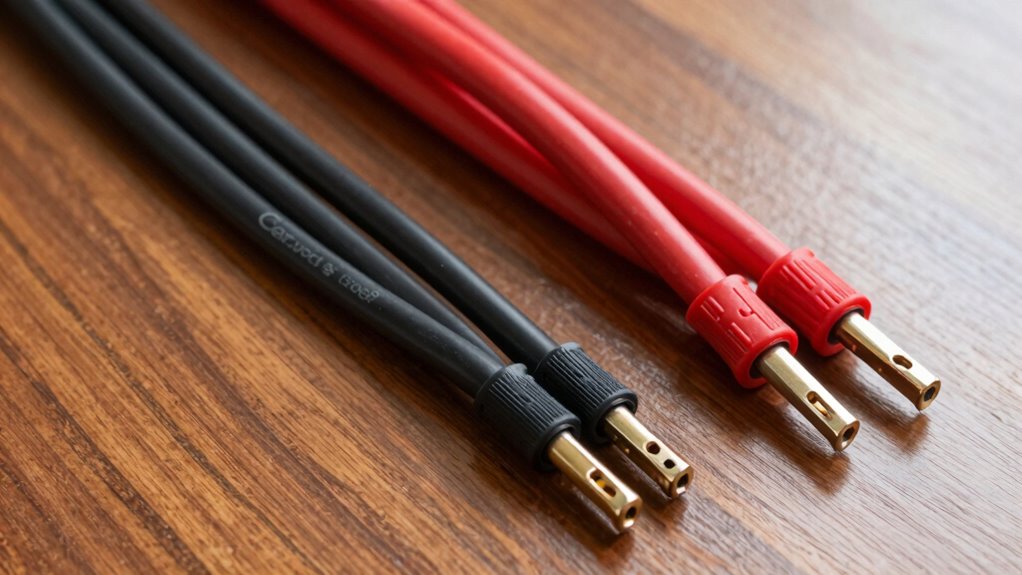
When choosing an extension cord, understanding gauge ratings is essential to guarantee safety and performance. The wire gauge history helps explain why certain gauges are used for specific tasks, especially when considering backup power options. The thicker the wire, the lower the gauge number, which means it can handle more current without overheating. This history traces back to early electrical standards, where thicker wires were necessary to prevent hazards, emphasizing the importance of extension cord safety. Knowing this background helps you make informed decisions, especially when selecting cords for backup power needs, where reliability is critical. Additionally, wire gauge standards have evolved to ensure consistent safety and performance across different applications, reflecting ongoing advancements in electrical safety protocols. A 12-gauge extension cord is a popular choice because it balances flexibility and capacity. It can safely power multiple devices or larger equipment during power outages or emergencies. Because of its larger wire diameter, a 12-gauge cord can carry more current over longer distances without significant voltage drop. This makes it suitable for backup power situations, where maintaining a steady supply is crucial. When comparing gauges, keep in mind that the lower the gauge, the more robust the cord, which directly impacts extension cord safety. Using a cord with insufficient gauge can lead to overheating, fires, or damage to your devices. Proper ampacity ratings are also vital to ensure the cord can handle the intended load safely.
In contrast, higher-gauge cords, like 14 or 16 gauge, are thinner and more flexible but have less capacity for carrying current. They work well for light-duty tasks over short distances but aren’t ideal for backup power setups that demand sustained power output. Overloading a thinner cord can compromise extension cord safety, increasing risks of electrical hazards. When selecting a cord for backup power, understanding the current-carrying capacity helps prevent overloads and potential hazards. It’s also important to consider cord material quality, as durable materials can withstand environmental factors better. When considering a backup power solution, opting for a 12-gauge cord ensures you’re providing a safe and reliable connection. It’s important to match the cord’s gauge to the power requirements of your devices, especially during emergencies when safety is paramount. Furthermore, selecting the appropriate extension cord gauge can also help optimize energy efficiency and reduce the risk of electrical faults. For outdoor or long-distance applications, using a properly rated gauge becomes even more critical to prevent voltage drops and ensure consistent performance.
Choosing the right gauge also depends on the length of the extension cord. Longer cords require thicker wire to prevent voltage drops that could impair device performance or cause safety issues. For backup power, where your setup might involve running longer cords through a home or outdoor environment, a 12-gauge extension cord offers the necessary capacity and safety margin. In summary, understanding wire gauge history enriches your knowledge of extension cord safety, guiding you toward the best choice. Selecting a 12-gauge extension cord for backup power ensures you have a safe, efficient, and dependable connection during critical moments.
10 gauge extension cord for backup power
As an affiliate, we earn on qualifying purchases.
As an affiliate, we earn on qualifying purchases.
Frequently Asked Questions
Can I Use a 14-Gauge Cord for High-Power Tools?
You can use a 14-gauge cord for high-power tools, but it’s not ideal. Power tool compatibility depends on the cord’s capacity and the tool’s power draw. For safety, always check the tool’s amperage and follow cord safety tips, like avoiding extension cords that are too long or damaged. If your tools require more power, choose a heavier gauge, like 12-gauge, to prevent overheating and guarantee safe operation.
How Does Cord Length Affect Electrical Safety?
Think of your extension cord as a river channeling power; the longer it flows, the more resistance it faces. As wire gauge increases, resistance drops, but longer cords can cause voltage drops, risking electrical safety. Keep your wire gauge suitable for the distance to prevent overheating and guarantee safe, efficient power delivery. In short, longer cords demand thicker wire to keep the current safe and steady.
Are Thicker Gauges More Durable Outdoors?
Thicker gauges generally offer better durability for outdoor use because they have higher wire thickness, which enhances outdoor resilience. Durability factors like insulation quality and weather resistance also play vital roles. When choosing an extension cord for backup power, opt for a heavy-duty gauge designed for outdoor conditions to guarantee safety and longevity. This way, your cord will withstand the elements and provide reliable power during emergencies.
What Is the Maximum Recommended Length for a 12-Gauge Cord?
You should limit a 12-gauge extension cord to about 100 feet for safe use. Thicker wire gauges like 12-gauge can handle higher power capacity, reducing voltage drop over shorter distances. Notably, beyond 100 feet, the wire’s resistance increases considerably, risking reduced efficiency or damage. So, for backup power, stick to that length to guarantee your equipment stays protected and performs at its best.
Can Gauge Differences Impact Cost and Availability?
Yes, gauge differences can impact cost and availability. A lower gauge, like 10-gauge, usually costs more due to thicker wiring and higher current capacity, but it may be less available in some areas. Conversely, 12-gauge cords are more common and often cheaper, making them easier to find. Your choice depends on your backup power needs, balancing cost comparison and availability factors to guarantee you get the right extension cord.
As an affiliate, we earn on qualifying purchases.
Conclusion
Choosing the right extension cord gauge can make all the difference in backup power situations. A 10-gauge cord can handle more current than a 12-gauge, reducing the risk of overheating or power loss. Did you know that a thicker, 10-gauge cord can carry up to 30% more current? This means you’ll have a more reliable backup, especially during emergencies when every second counts. Make the smart choice and guarantee your power stays steady when you need it most.
heavy-duty extension cord for generator
As an affiliate, we earn on qualifying purchases.
As an affiliate, we earn on qualifying purchases.
long distance backup power extension cord
As an affiliate, we earn on qualifying purchases.
As an affiliate, we earn on qualifying purchases.
Fall Picks
fall essentials
As an affiliate, we earn on qualifying purchases.