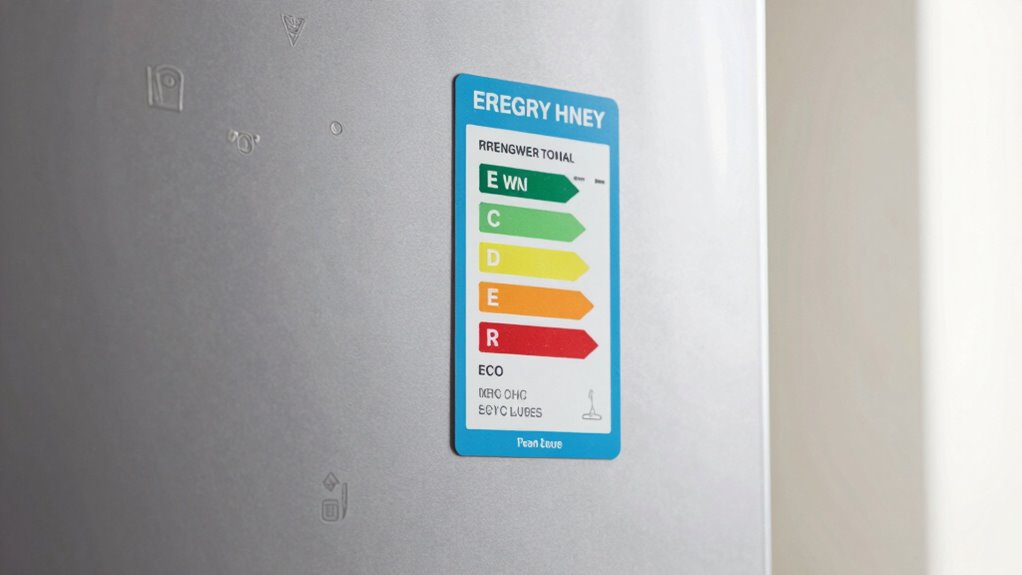

Appliance labels can tell you an appliance’s estimated annual energy use, efficiency ratings, and sometimes maximum power draw in watts. However, they don’t show your actual power draw during daily use or account for your specific habits. They are based on standardized tests, so real-world energy consumption can differ. If you want to know how appliances perform under normal conditions, keep exploring to get a clearer picture.
Key Takeaways
- Appliance labels show maximum power consumption, not typical or average power draw during normal use.
- They provide estimated annual energy usage based on standardized testing, not real-world consumption.
- Labels indicate efficiency ratings but do not reflect actual performance in daily conditions.
- They cannot reveal fluctuations in energy use or the appliance’s longevity and durability.
- Labels help compare models but do not offer precise, real-time power draw information.
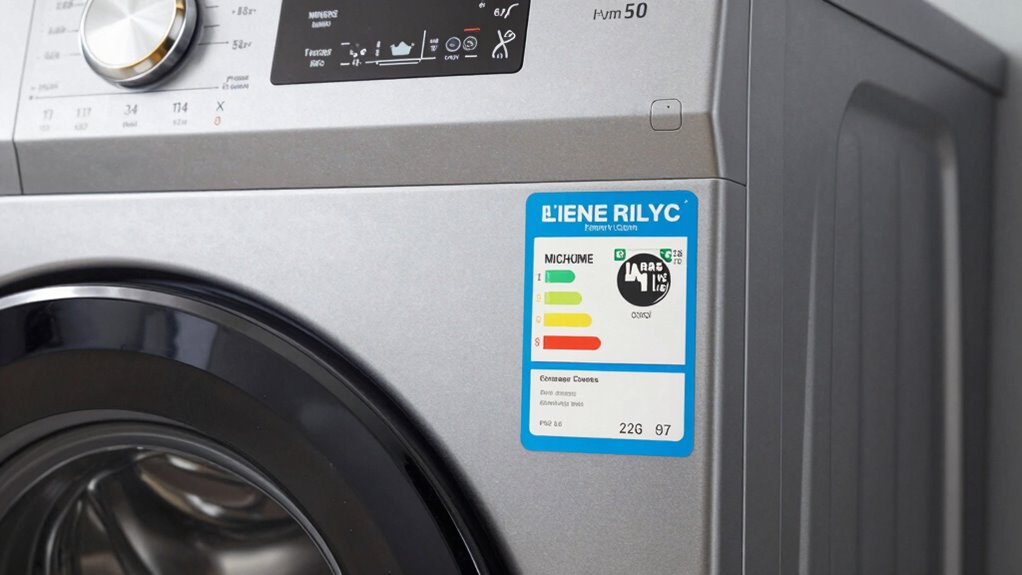
Understanding appliance labels and power draw is essential for managing your energy consumption effectively. These labels provide a quick snapshot of an appliance’s energy efficiency and help you compare different models. However, it’s important to know what they can and cannot tell you about actual power consumption. Labels are designed around specific standards and often follow strict labeling standards to ensure consistency across brands and appliances. They usually display information like estimated annual energy usage, energy efficiency ratings, and sometimes the maximum power draw. While these details are helpful, they don’t always reflect real-world performance or how much energy you’ll actually use day-to-day.
Energy efficiency ratings, for example, give you a relative idea of how well an appliance uses power compared to others in its category. A higher rating generally indicates lower energy consumption for the same task, which is great for reducing your utility bills and environmental impact. But keep in mind, these ratings are often based on standardized testing conditions, not your specific usage habits. So, an appliance with a high efficiency rating might still use more energy if you operate it differently than the test parameters. Labels also often include estimated annual energy costs and consumption, which can help you budget for energy expenses. However, these estimates are based on average usage patterns, and your actual costs could vary depending on how often you use the appliance and how efficiently your home’s energy system operates.
What appliance labels can’t tell you, unfortunately, is the precise power draw during everyday use. Many labels list the maximum power consumption in watts, but this figure usually represents the peak power when the appliance is running at full capacity. It doesn’t show the typical or average power draw, which is more relevant for understanding your ongoing energy use. For instance, a refrigerator’s label might specify a maximum wattage, but in reality, it cycles on and off, meaning its actual power consumption fluctuates. Additionally, labels don’t account for how well the appliance performs in real-world conditions or how long it lasts, which are also important factors in choosing energy-efficient models. Recognizing the importance of real-world energy use can help you make more accurate estimates of your ongoing energy costs and efficiency. Understanding the difference between maximum power and typical energy use can help you make more informed decisions about your appliances. Moreover, considering real-world performance can provide a clearer picture of an appliance’s efficiency in your daily life.
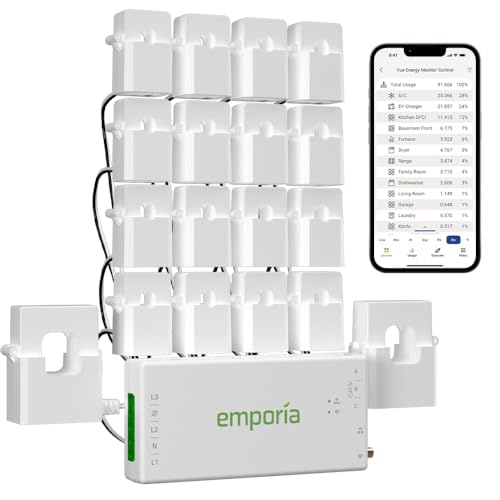
Emporia Vue 3 Home Energy Monitor – Smart Home Automation Module and Real Time Electricity Usage Monitor, Power Consumption Meter, Solar and Net Metering for UL Certified Safe Energy Monitoring
SAFETY YOU CAN TRUST WITH UL CERTIFICATION: With Emporia Energy, your home energy monitoring is safe, reliable, and…
As an affiliate, we earn on qualifying purchases.
As an affiliate, we earn on qualifying purchases.
Frequently Asked Questions
Can Appliance Labels Indicate Actual Energy Consumption Over Time?
Appliance labels don’t show your actual energy consumption over time. They provide an estimate based on manufacturer accuracy, but real usage varies depending on how you operate the appliance. Labels are updated periodically to reflect new standards, yet they can’t account for your specific habits. To understand your true energy costs, track your appliance’s energy use with a meter or monitor, rather than relying solely on the label.
Do Labels Show Power Draw Under Different Usage Conditions?
Appliance labels generally don’t show power draw under different usage conditions. You won’t find details about usage variability directly on the label, and label accuracy can vary depending on testing methods. This means actual power consumption might differ when you use the appliance in real-life scenarios. To get a clearer picture, monitor your appliance’s energy use over time or check for more detailed specifications from the manufacturer.
Are Appliance Labels Standardized Across All Countries?
Imagine appliance labels as international travelers with different accents. While they all share the goal of informing, each follows unique customs—some align with global standards, others show label variations based on local regulations. International standards aim to unify these, but disparities remain. You’ll find that labels can vary in detail and format across countries, making it essential to understand local labeling practices to interpret power draw accurately and compare appliances effectively.
Can Labels Predict Future Energy Savings?
Appliance labels can’t accurately predict your future energy savings because label accuracy varies, and they mainly provide a snapshot of current energy use. They help improve your consumer understanding of an appliance’s efficiency, but many factors influence actual savings, like your usage habits and appliance maintenance. Rely on labels as a guide, but don’t rely solely on them for long-term savings predictions.
Do Labels Include Information About Appliance Lifespan?
Appliance labels don’t typically include information about lifespan or durability—they’re like a map showing only part of the journey. While the labels highlight efficiency and power draw, they don’t serve as lifespan indicators. To gauge an appliance’s durability, you’ll need to check manufacturer warranties or look for reviews. Remember, a well-built appliance might last longer, even if its label doesn’t directly reveal its lifespan.
Emporia Vue 3 Home Energy Monitor – Smart Home Automation Module and Real Time Electricity Usage Monitor, Power Consumption Meter, Solar and Net Metering for UL Certified Safe Energy Monitoring
SAFETY YOU CAN TRUST WITH UL CERTIFICATION: With Emporia Energy, your home energy monitoring is safe, reliable, and…
As an affiliate, we earn on qualifying purchases.
As an affiliate, we earn on qualifying purchases.
Conclusion
So, next time you glance at an appliance label, remember—it’s just a glimpse. Will that number tell you everything about what it really costs to run? Think about the unseen factors waiting behind the label’s numbers—fluctuating power, hidden surges, efficiency quirks. You might think you’re in control, but as you plug in, a silent question lingers: what’s the true energy story behind that shiny tag? The answer might just surprise you.
Emporia Vue 3 Home Energy Monitor – Smart Home Automation Module and Real Time Electricity Usage Monitor, Power Consumption Meter, Solar and Net Metering for UL Certified Safe Energy Monitoring
SAFETY YOU CAN TRUST WITH UL CERTIFICATION: With Emporia Energy, your home energy monitoring is safe, reliable, and…
As an affiliate, we earn on qualifying purchases.
As an affiliate, we earn on qualifying purchases.

Power Probe Parasitic Draw Monitor with OBDII Connection (PPDRAW)
Monitors car battery voltage and parasitic current draw for accurate diagnostics.
As an affiliate, we earn on qualifying purchases.
As an affiliate, we earn on qualifying purchases.