TL;DR

Get backup power and energy gear delivered free with Prime
- Fast, free delivery on millions of items
- Prime Video, Amazon Music and more included
- Member-only deals all year
CATL’s Australia and New Zealand general manager Zhou says mining and data-centre operators in Australia have expressed interest in the company’s sodium-ion battery storage. CATL has not announced Australian sodium-ion orders or a delivery schedule; the technology’s bankability and market acceptance are still developing.
CATL’s Australia and New Zealand general manager Zhou says the company is hearing interest in sodium-ion battery storage from Australian mining and data-centre customers, two sectors with demanding power needs. Speaking at All-Energy Australia 2026 in Melbourne on October 28, Zhou described the interest but did not announce Australian orders, contracts or a deployment timetable for the technology.
Zhou identified mining and data centres as particular sources of enquiries about CATL’s sodium-ion products. The comments come as companies weigh storage options for electrification and new electricity demand, including computing facilities. CATL chairman and chief executive Robin Zeng had also highlighted data-centre loads at a company event in Ningde, China, on October 15, according to Energy-Storage.News.
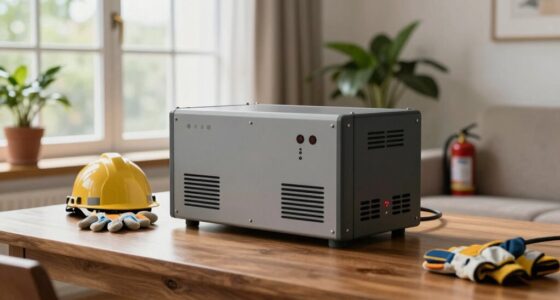
CATL says its TENER Sodium battery energy storage system can operate at temperatures up to 55°C and deliver more than 10,000 cycles at 45°C. Those performance figures are company claims, not independently verified results in the source material. An Energy-Storage.News Premium examination of the system’s container reported that it operates at 65 decibels and uses a dedicated bidirectional voltage regulation system to maintain a 690-volt output across the sodium cells’ wider voltage range.
Zhou said sodium-ion still needs to build a track record with buyers. He compared its anticipated path to lithium-ion, which he said took about eight to 10 years to reach maturity. CATL expects to ship at least 1 gigawatt-hour of sodium-ion batteries in China during 2026, Zhou said, and has signed framework agreements in Europe worth a few gigawatt-hours, with deliveries there due to begin in the second half of 2027. Those overseas plans do not establish when Australian projects might use the technology.
Why Mining and Data Centres Are Interested
Mining operations and data centres can have substantial electricity requirements, making reliable power and storage relevant to their operating plans. CATL’s report of enquiries suggests the potential market for storage may extend beyond grid-scale projects and electric vehicles to customers seeking power solutions for industrial sites and computing infrastructure. The report does not identify specific Australian companies or explain what applications they are considering.
For prospective buyers, sodium-ion is a possible alternative to established lithium-ion systems, but interest is not the same as a procurement decision. A project would still depend on technical requirements, cost, operating conditions, grid arrangements and confidence in long-term performance. CATL’s comments offer evidence of customer attention, not confirmation that sodium-ion has reached commercial acceptance in Australia.
Products Worth Considering

Dyson Big Ball Multi Floor Canister Vacuum, Yellow

LEVOIT Air Purifier for Home, Pets, Bedroom, Smart WiFi

eufy Security Floodlight Camera E30, 2K
As an affiliate, we earn on qualifying purchases.
CATL’s Australian Storage Push
The sodium-ion comments came during a broader CATL presence at All-Energy Australia. On October 28, the company launched its 9-megawatt-hour TENER+ lithium-ion system and announced a memorandum of understanding with Hitachi Energy. The proposed offering would pair CATL’s direct-current battery equipment with Hitachi Energy’s power conversion system for Australia and the Asia-Pacific region, with the stated aim of improving equipment compatibility and reducing integration risk. CATL also signed memoranda of understanding with EPEC Group and UNSW Sydney.
CATL already supplies battery systems used with third-party power conversion equipment in Australia. At Quinbrook’s 780-megawatt/3,075-megawatt-hour Supernode project in Queensland, GE Vernova is supplying conversion, control and integration technology for Stage 3, while CATL supplies TENER S systems. CATL says it has more than 17 gigawatt-hours of projects installed in Australia. The company was also upgraded to AAA, the top tier, in the Q2 update of the Battery StorageTech Bankability Ratings Report, which cited its vertical integration across cell and system manufacturing.
CATL’s TENER+ launch concerned lithium-ion rather than sodium-ion. Zhou said TENER+ could take around one to one-and-a-half years to reach Australia, citing project design, strict grid requirements known as Generator Performance Standards, financial close and notice to proceed. He also said CATL wants market feedback from other regions before carrying out further localisation for Australia. That timetable should not be treated as a forecast for TENER Sodium.
Australian Orders Remain Unconfirmed
CATL has not disclosed Australian sodium-ion customers, signed supply deals, project locations or delivery dates in the source report. It is also unclear whether the reported interest has progressed beyond discussions, what applications potential buyers have in mind, or whether any Australian project has completed technical or commercial evaluation.
The performance figures cited for TENER Sodium come from CATL, and the report provides no independent Australian operating data for the system. Zhou’s comparison with lithium-ion’s eight-to-10-year path to maturity is an expectation, not a confirmed timeline for sodium-ion. The framework agreements and delivery plans he cited relate to Europe and China, not Australian deployments.
Evidence Needed for Australian Projects
The next signs of progress would be named Australian customers, project agreements, procurement decisions or a delivery schedule. Buyers and project developers will also need to evaluate how the system performs under their operating conditions and whether its costs, warranties and technical characteristics meet project requirements. No Australian sodium-ion milestone was announced at the event.
CATL’s stated near-term shipment target is at least 1 gigawatt-hour in China during 2026, while it expects European deliveries under framework agreements to start in the second half of 2027. Those milestones may show how the company is developing supply and references in other markets, but the timing and scale of any Australian deployment remain open.
Key Questions
What did CATL say about sodium-ion interest in Australia?
CATL’s ANZ general manager Zhou said the company had received interest from mining and data-centre customers. He did not identify the customers or say that any had placed orders.
Has CATL announced an Australian sodium-ion project?
No Australian sodium-ion contract, customer, project location or delivery schedule was announced in the source report. The comments describe customer interest, not confirmed deployment.
What performance does CATL claim for TENER Sodium?
CATL says TENER Sodium operates at temperatures up to 55°C and delivers more than 10,000 cycles at 45°C. These are company claims; the report does not provide independent operating results from Australian projects.
When might sodium-ion batteries arrive in Australia?
CATL has not provided an Australian delivery date for sodium-ion systems. Zhou cited planned Chinese shipments during 2026 and European deliveries from the second half of 2027, but those plans do not set an Australian timetable.
Source: energy-storage.news