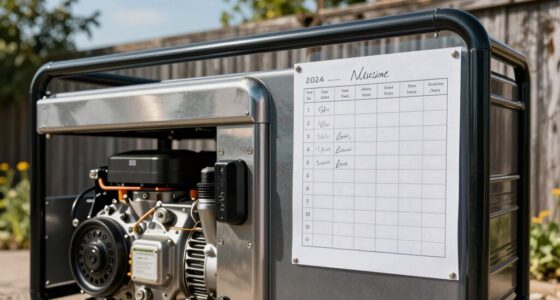
Wet stacking happens when your generator runs at light loads or stays idle for too long. This prevents it from reaching the right temperature, causing unburned fuel, soot, and oil to build up in the exhaust system. Over time, this buildup can clog parts, reduce efficiency, and even damage your engine. To keep your generator running smoothly, understanding how load levels affect performance is key—and there’s much more to explore.
Key Takeaways
- Wet stacking occurs when a generator runs at low loads, preventing the engine from reaching optimal operating temperature.
- Insufficient heat causes unburned fuel and oil to accumulate as oily deposits in the exhaust system.
- Running below 30% load or extended idling leads to incomplete combustion and buildup of carbon and soot.
- Wet stacking results in reduced engine efficiency, increased maintenance costs, and potential long-term damage.
- Operating at higher loads (60-75%) and using load banks helps prevent wet stacking by maintaining proper engine temperature.
What Is Wet Stacking and How Does It Affect Your Generator

Have you ever noticed thick black liquid dripping from your generator’s exhaust or seen excessive smoke during operation? That’s a sign of wet stacking, a condition where unburned fuel, soot, and oil accumulate in the exhaust system as a dark, oily liquid. It happens when your generator runs below its *ideal* temperature, usually at low loads or prolonged idling. Instead of burning fuel completely, the engine leaves behind these deposits, which then drip from the exhaust pipe or turbocharger. Wet stacking not only creates mess but also harms your engine—clogging injectors, increasing carbon buildup, and reducing efficiency. Recognizing wet stacking early helps you take steps to prevent long-term damage. Proper maintenance and monitoring projector technology can also help optimize engine performance and prevent issues like wet stacking. Being aware of engine thermodynamics can further aid in understanding how to keep your generator running at optimal temperatures. Additionally, understanding combustion efficiency can help you better manage engine loads to minimize wet stacking risks. Maintaining proper load management ensures your generator operates within its optimal temperature range, reducing the chances of wet stacking.
Causes of Wet Stacking in Diesel Generators

Wet stacking primarily occurs when your diesel generator operates at less than 30% of its rated load for extended periods. This prevents the engine from reaching ideal operating temperature, leading to incomplete fuel combustion. Running at low loads, even with a full speed, keeps cylinder temperatures too low, causing unburned fuel and carbon buildup. Proper operation is essential to prevent this issue and ensure optimal generator performance. Factors contributing include oversized generators, cold weather, or excessive fueling. To understand better, see the table below:
| Cause | Effect | Example |
|---|---|---|
| Low load operation | Incomplete combustion, carbon deposits | Running at 20% load |
| Extended idling | Insufficient heat, fuel accumulation | Idle for hours |
| Oversized generator | Inadequate load, low temperatures | Large unit with small load |
| Cold weather | Reduced engine temperature | Winter operation |
| Excess fueling | Excess unburned fuel, fouling | Over-fueling during startup |
Additionally, engine temperature plays a critical role in complete combustion, highlighting the importance of maintaining proper operating conditions. Ensuring adequate load management can help mitigate the risk of wet stacking and maintain engine health. Moreover, the use of AI-driven solutions in diagnostics could assist in optimizing generator operation and preventing such issues.
Recognizing the Symptoms of Wet Stacking
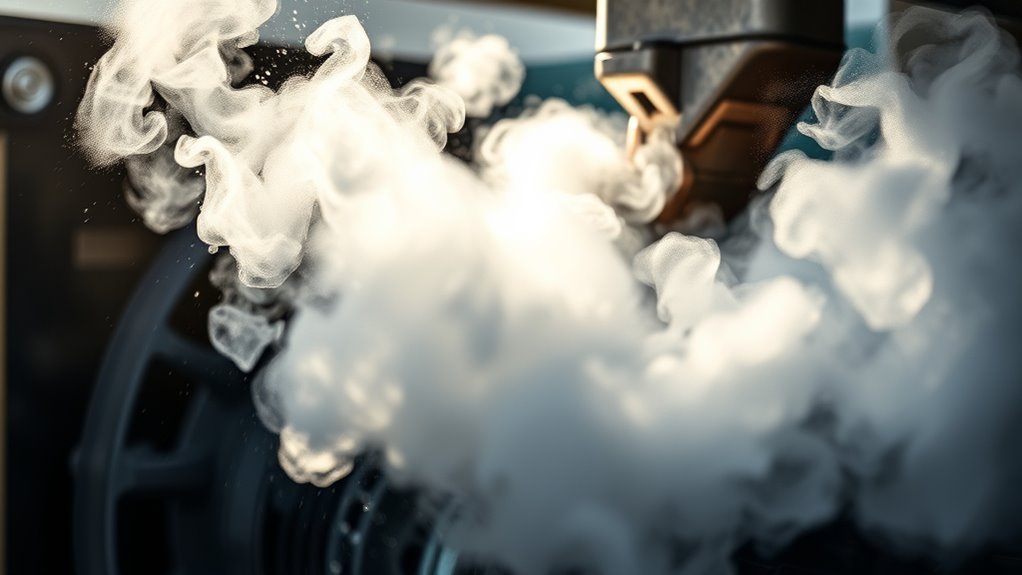
You’ll notice wet stacking symptoms when thick, dark liquid drips from your exhaust pipes or turbocharger. This visible exhaust drip indicates unburned fuel and oil buildup. Additionally, if your engine’s performance declines or you see more smoke, these are clear signs of wet stacking issues. Proper exfoliation can help prevent some buildup problems associated with engine operation, and maintaining appropriate fuel load levels can reduce the occurrence of wet stacking. Regular support breakfast options, such as high-protein meals, can also contribute to better engine performance and longevity. Understanding Gold IRA markets can help investors make informed decisions about diversifying their portfolios and protecting their assets. Paying attention to vacuum cleaner features, such as suction power and filters, can also prevent debris buildup that hampers engine efficiency.
Visible Exhaust Drips
One of the clearest signs of wet stacking is visible drips of dark, oily liquid emanating from the exhaust pipe or turbocharger. You may notice black, greasy ooze collecting around the exhaust connections or dripping directly downward. This wetness indicates unburned fuel and oil buildup caused by incomplete combustion. It’s a visual warning that your generator isn’t reaching ideal operating temperature, often due to running under low loads or idling too much. To help you identify the problem quickly, here’s a helpful chart:
| Symptom | Location | Appearance |
|---|---|---|
| Dark oily drips | Exhaust pipe, turbocharger | Thick, black, greasy liquid |
| Black residue | Exhaust connections | Oily, dark smudges |
| Wetness in exhaust | Entire exhaust system | Moist, soot-laden |
| Dripping from turbo | Turbocharger outlet | Oily droplets |
| Accumulation | Exhaust pipe joint | Greasy buildup |
This visual evidence points to wet stacking and the need for corrective action. Consistent operation at proper loads can prevent this issue from recurring. Additionally, proper maintenance can help ensure your generator operates efficiently and reduces the risk of wet stacking. Regularly monitoring load levels can also be an effective preventative measure.
Engine Performance Decline
As wet stacking progresses, you’ll notice a noticeable decline in your generator’s performance. You may experience reduced power output and sluggish response, especially under load. The engine might struggle to reach its usual RPMs, and acceleration could feel sluggish. You might also see increased smoke emissions and hear knocking or rough running sounds. These symptoms stem from carbon buildup and unburned fuel affecting combustion efficiency. Over time, this leads to clogged injectors and fouled valves, further diminishing performance. You may also observe increased oil consumption or oil dilution, signaling that unburned fuel is bypassing piston rings. Light loads can contribute to wet stacking because they cause the engine to operate at low RPMs for extended periods, which prevents proper combustion and promotes the buildup. Proper engine maintenance and regular load management can help mitigate these issues and keep your generator running efficiently. Additionally, understanding how fuel combustion impacts engine health can help you develop strategies to prevent wet stacking from occurring. Regularly monitoring engine temperature and implementing appropriate operating practices are essential in avoiding the adverse effects of light loads on your generator. Being aware of performance symptoms can also help diagnose early signs of wet stacking before significant damage occurs.
The Role of Load Levels in Preventing Wet Stacking

Maintaining proper load levels is essential for preventing wet stacking in diesel generators. When you operate your generator at less than 30% of its rated load for extended periods, the engine doesn’t reach the temperature needed for complete combustion. This incomplete burning causes unburned fuel, oil, and soot to accumulate in the exhaust system, leading to wet stacking. To avoid this, you should aim to run your generator at a minimum of 60-75% load. Using load banks, either automatic or manual, helps sustain consistent loads during low-demand periods. Regularly applying these practices ensures your engine reaches ideal operating temperature, burns fuel efficiently, and prevents the buildup that causes wet stacking. Proper load management keeps your generator clean, efficient, and long-lasting. Additionally, understanding best heat pump practices can contribute to overall system efficiency and longevity.
How Low Loads and Idling Contribute to Incomplete Combustion

Low loads and idling prevent your engine from reaching the necessary temperature for complete fuel combustion. When the engine stays cool, fuel doesn’t burn fully, leading to unburned diesel accumulating in the exhaust system. This creates a thick, black residue that causes wet stacking. To understand this better:
- Fuel doesn’t vaporize properly at low temperatures.
- Combustion becomes inefficient, leaving unburned fuel.
- Excessive idling keeps engine parts cool and prevents heat buildup.
- Light loads don’t generate enough heat for complete burning.
- Carbon deposits form, fouling injectors, valves, and turbochargers.
- Proper engine operation involves maintaining adequate load and temperature to ensure complete combustion.
As a result, your engine’s performance drops, and maintenance costs rise. Running at low loads or idling for extended periods hampers proper combustion, setting the stage for wet stacking and associated problems.
The Impact of Wet Stacking on Engine Components and Performance
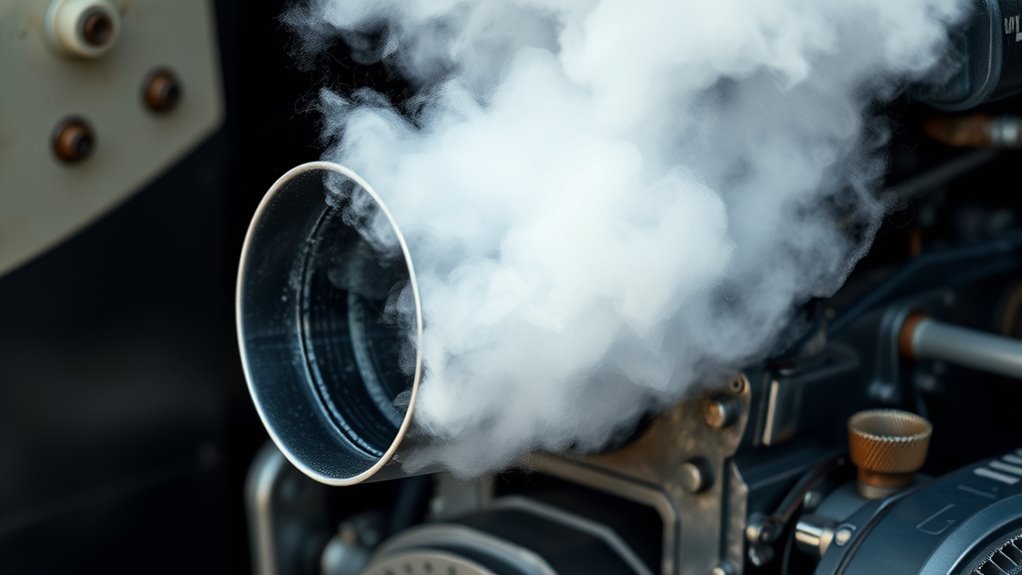
Wet stacking can cause serious damage to your engine components, starting with injector fouling that clogs nozzles and reduces fuel efficiency. It also leads to carbon buildup on the turbocharger, impairing airflow and increasing exhaust back pressure. Over time, these issues accelerate engine wear, shortening its lifespan and raising maintenance costs. Additionally, engine failure can occur if wet stacking is not addressed promptly, emphasizing the importance of proper fuel management and regular maintenance.
Injector Fouling Risks
When wet stacking occurs, unburned fuel and carbon deposits can quickly accumulate in your engine’s fuel injectors, leading to fouling. This buildup clogs nozzles, impairing fuel spray and combustion efficiency. As a result, your engine struggles to run smoothly, losing power and fuel economy. Fouled injectors can cause uneven fuel delivery, increased emissions, and engine misfires. You might notice increased smoke, rough idling, or difficulty starting. To prevent injector fouling:
- Regularly operate at 60-75% load to maintain proper combustion temperatures
- Use load banks to simulate higher loads during light operation
- Perform periodic injector cleaning and maintenance
- Avoid prolonged idling or very low loads
- Address wet stacking early to prevent severe fouling and costly repairs
Keeping injectors clean is essential for reliable engine performance.
Turbocharger Carbon Build-up
Fouling injectors from wet stacking can lead to increased carbon deposits on the turbocharger’s blades and housing. These deposits result from unburned fuel and soot that settle on the turbocharger during incomplete combustion caused by light loads. As carbon builds up, it disrupts the airflow through the turbine wheel, reducing efficiency and boosting back pressure. Over time, this buildup causes the blades to become dull and uneven, impairing the turbo’s ability to spool quickly and generate boost. The housing also becomes encrusted with carbon, further restricting airflow and heat dissipation. This deterioration not only hampers engine performance but can also lead to mechanical failures if left unaddressed. Regular maintenance and correct operating loads are key to preventing excessive carbon accumulation on your turbocharger.
Engine Wear Acceleration
Persistent wet stacking accelerates engine wear by causing unburned fuel and carbon deposits to build up on critical components. This buildup leads to uneven wear, reducing engine lifespan and reliability. As deposits accumulate, you may notice increased back pressure and poor combustion efficiency. These effects hasten component deterioration and can cause costly failures. Key impacts include:
- Fouling injectors, causing misfires and reduced fuel economy
- Carbon deposits on valves and piston rings, increasing wear and risking damage
- Turbocharger fouling, impairing boost performance
- Oil dilution from unburned fuel, thinning lubrication and accelerating engine parts’ wear
- Elevated exhaust temperatures, stressing engine parts and shortening lifespan
Addressing wet stacking promptly is essential to minimize engine damage and maintain idealperformance.
Strategies to Avoid Wet Stacking During Generator Operation
To prevent wet stacking during generator operation, it’s essential to keep the engine running at an ideal load level. Aim for at least 60-75% of the generator’s rated capacity to ensure the engine reaches proper operating temperatures. This helps burn off unburned fuel and prevents buildup. Avoid running the generator at low loads or idling for extended periods, as this keeps the engine cold and incomplete combustion occurs. Using load banks is highly effective—automatic load banks switch in during light loads, maintaining optimal temperature, while manual load banks allow you to test and simulate typical loads. Regularly monitoring engine performance and scheduling load testing ensures the generator stays within the proper operating range, reducing the risk of wet stacking and prolonging engine life.
Utilizing Load Banks to Maintain Proper Operating Temperatures

How can load banks help maintain your generator’s proper operating temperature? Load banks simulate real-world loads, guaranteeing your generator runs at ideal temperature and burns fuel completely. This prevents unburned fuel buildup, reducing wet stacking risks. Using load banks during low-demand periods keeps the engine warm and promotes full combustion. They can be set to automatically engage during light loads, maintaining consistent operating conditions. Manual load banks are useful for testing and clearing accumulated deposits. By maintaining ideal temperature levels, load banks help avoid costly repairs and efficiency loss.
- Simulate real-world loads to keep engine warm
- Prevent unburned fuel buildup and carbon deposits
- Keep engine components at optimal operating temperature
- Reduce maintenance costs and extend engine life
- Ensure consistent performance during low-demand periods
Restoring Efficiency After Wet Stacking: Solutions and Best Practices
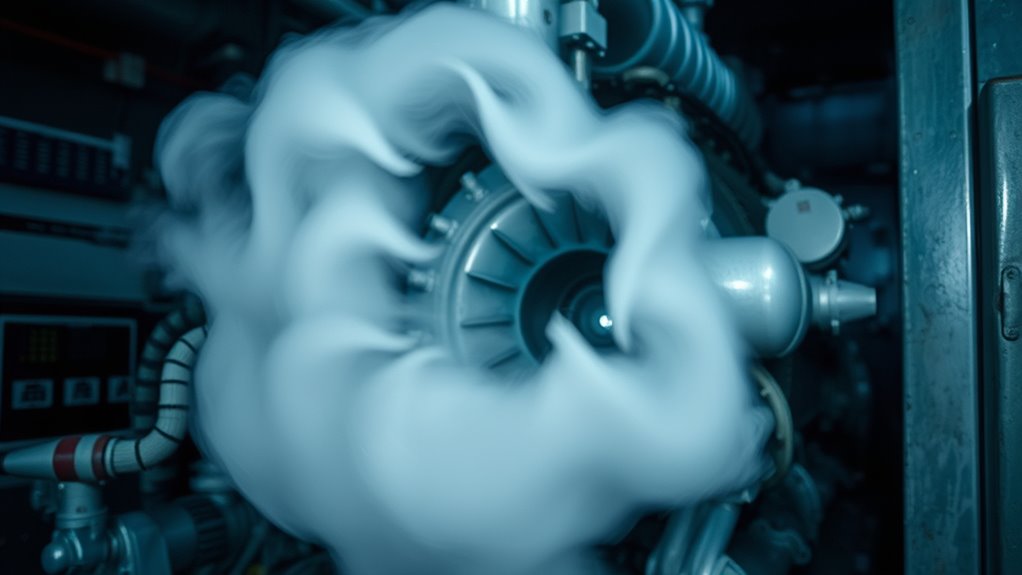
When wet stacking has occurred, simply maintaining proper operating temperatures isn’t enough to restore your generator’s efficiency. You need to actively eliminate the buildup of unburned fuel and carbon deposits. One effective method is load bank testing, which forces the engine to operate under higher loads, burning off the accumulated deposits. Automatic load banks can be set to engage during light loads, while manual ones are useful for targeted testing. If deposits are severe, an engine overhaul may be necessary to remove carbon buildup and replace worn components. Additionally, consistently operating your generator at or above 75% load helps prevent future wet stacking. Regular maintenance, including monitoring exhaust emissions and checking for signs of buildup, guarantees your generator stays clean and runs efficiently over time.
Preventative Maintenance to Minimize Wet Stacking Risks
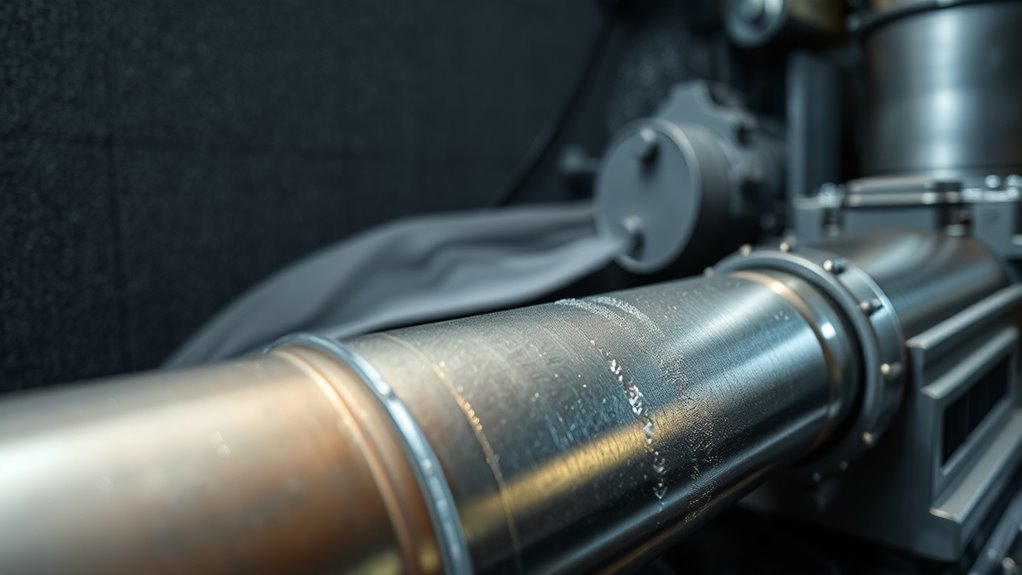
To prevent wet stacking, you need to keep your generator operating at proper load levels, ideally between 60-75%. Regular load testing helps burn off deposits and keeps the engine running efficiently. Using automatic load banks can maintain consistent loads during light operation, reducing the risk of unburned fuel buildup.
Regular Load Testing
Regular load testing is a key preventative measure to minimize the risk of wet stacking in diesel generators. It helps guarantee the engine reaches and maintains the ideal temperature for complete fuel combustion. Regular testing prevents the buildup of unburned fuel, carbon deposits, and oil in the exhaust system. To maximize effectiveness, consider these practices:
- Use load banks during testing to simulate real-world loads.
- Schedule tests at least monthly, especially if running lightly.
- Gradually increase load to avoid sudden stress.
- Monitor engine temperature and exhaust emissions.
- Record performance data to identify trends over time.
Maintain Proper Load Levels
Maintaining proper load levels on your generator is a key step in preventing wet stacking. Running your generator at less than 30% of its rated load causes it not to reach the necessary temperature for complete combustion. This leads to unburned fuel, carbon buildup, and oil contamination in the exhaust system. To avoid this, operate your generator consistently at 60-75% load, ensuring it reaches ideal temperature for efficient fuel burn. Avoid prolonged idling or light loads that keep the engine cold and unproductive. Proper sizing of your generator to match typical demand is essential. Regularly monitoring load levels and adjusting as needed helps prevent unburned fuel accumulation. Following these practices keeps your engine cleaner, improves efficiency, and minimizes the risk of wet stacking.
Use Automatic Load Banks
Automatic load banks play a crucial role in preventing wet stacking by guaranteeing your generator operates at ideal loads without your constant oversight. They automatically kick in during low-demand periods, maintaining the necessary temperature for complete combustion. This prevents unburned fuel buildup and keeps your engine running efficiently. By switching on when loads are light, automatic load banks help you avoid prolonged idling and underloading, which are primary causes of wet stacking. They also:
- Regulate loads to prevent excessive idling or low power.
- Reduce manual intervention with automated switching.
- Improve engine longevity by maintaining excellent operating conditions.
- Minimize maintenance costs caused by carbon buildup.
- Enhance overall generator reliability and performance.
Using automatic load banks ensures your generator stays in the proper operating range, reducing the risk of wet stacking and extending its lifespan.
Frequently Asked Questions
Can Wet Stacking Occur in Both Diesel and Gas Generators?
Yes, wet stacking can occur in both diesel and gas generators. In both cases, running the engine at low loads prevents it from reaching the most favorable temperature needed for complete combustion. This results in unburned fuel and carbon buildup in the exhaust system. To prevent wet stacking, you should operate your generator at proper loads, ideally above 60%, and perform regular load testing to keep it clean and efficient.
What Are the Long-Term Effects of Untreated Wet Stacking on Engine Lifespan?
Ignoring wet stacking’s long-term effects is like giving your engine a slow, smoky death sentence. Over time, it fouls injectors, builds carbon on valves and turbochargers, and causes premature wear. This shortens your engine’s lifespan, reduces efficiency, and racks up costly repairs. So, if you want your generator to outlive its warranty and keep humming happily, you better tackle that black ooze before it turns into a catastrophic mess.
How Does Ambient Temperature Influence the Likelihood of Wet Stacking?
Ambient temperature greatly influences wet stacking. In colder weather, your engine struggles to reach ideal operating temperature, increasing the risk of unburned fuel and oil accumulating in the exhaust system. Conversely, in warmer conditions, the engine heats up faster, promoting complete combustion. To prevent wet stacking, you should adjust your load operation based on temperature, ensuring your generator runs at the right load to maintain proper temperature and avoid buildup.
Are There Specific Fuel Types More Prone to Causing Wet Stacking?
Fuel finesse and formulation markedly influence wet stacking propensity. Heavier, lower-quality diesel fuels with high sulfur or moisture content tend to produce more unburned fuel, increasing the risk. You should choose cleaner, stable fuels and avoid those with excess additives or contaminants. By selecting superior fuels and maintaining proper engine operation, you prevent buildup, promote efficient combustion, and protect your generator from costly, corrosive, carbon-laden complications.
Is It Possible to Prevent Wet Stacking Without Load Bank Testing?
Yes, you can prevent wet stacking without load bank testing by maintaining your generator’s load between 60-75%, ensuring it reaches ideal operating temperature. Avoid prolonged idling or running at very low loads, which causes incomplete combustion. Regularly running your generator under proper load conditions helps burn off unburned fuel and carbon deposits, keeping your system clean and efficient without needing load bank tests.
Conclusion
Think of your generator as a finely tuned orchestra; when the load is too light, the music falters, and discordant notes—like wet stacking—arise. By maintaining proper load levels and regular maintenance, you guarantee a harmonious performance. Avoid letting your generator drift into silent, incomplete combustion. Instead, keep it engaged and in rhythm, so it plays its essential role smoothly and reliably, avoiding the chaos of inefficient operation.