To prevent last-minute stress, develop a consistent generator setup routine that includes checking fuel levels, inspecting safety features, and following a detailed checklist. Regular maintenance and practice reduce the chance of surprises during outages. Keep logs of your checks to spot early issues and guarantee everything runs smoothly. Building these habits ensures your backup power is always ready and reliable when you need it most. Keep going to learn more about creating an effective routine.
Open a free Amazon Business account
Business pricing, bulk buying and tax-exempt orders.
As an affiliate, we earn on qualifying purchases.
Key Takeaways
- Establish and follow a regular setup checklist to ensure all steps are completed calmly and thoroughly.
- Perform routine maintenance and inspections to prevent unexpected issues during outages.
- Monitor fuel levels consistently to avoid last-minute refueling emergencies.
- Schedule and document periodic checks to identify potential problems early.
- Practice your setup routine regularly to build confidence and reduce setup stress.
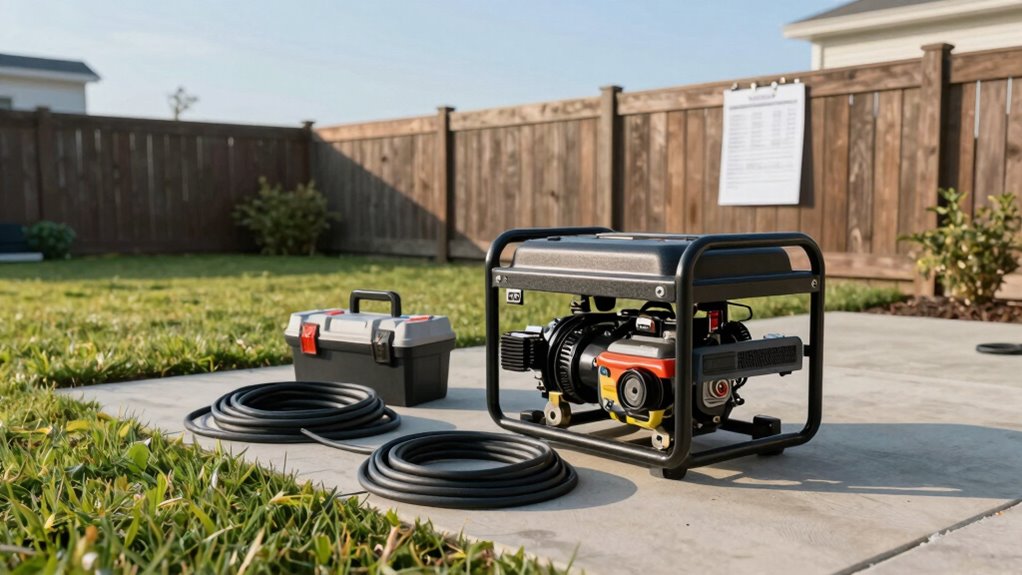
Have you ever considered how establishing a consistent generator setup habit can save you time and prevent emergencies? It’s true—by sticking to a routine, you guarantee your generator is always ready when you need it most. One of the key elements to this habit is paying attention to your generator’s fuel efficiency. Regularly monitoring fuel levels and refilling before they run too low helps prevent unexpected shutdowns and keeps your generator running smoothly. When you keep a close eye on fuel consumption, you also extend the lifespan of your generator, saving you money in the long run. Fuel efficiency isn’t just about saving fuel; it’s about making sure your power backup system is reliable and efficient whenever an outage strikes.
Consistently monitoring fuel levels ensures your generator runs smoothly and stays ready for emergencies.
Alongside fuel management, sticking to a well-defined maintenance schedule is vital. Your generator needs routine checkups—changing oil, inspecting filters, and testing key components—to operate at peak performance. When you develop a consistent maintenance schedule, you catch small issues early before they turn into costly repairs or complete breakdowns. Scheduling these checks at regular intervals, such as every three to six months, keeps your generator in excellent condition and reduces the risk of last-minute surprises. It’s a proactive approach that guarantees your generator is always prepared, especially during storm seasons or prolonged outages. Developing a maintenance routine is essential for long-term reliability. Regular inspections also help you ensure that all safety features are functioning properly, which is crucial for safe operation. Additionally, understanding the importance of fuel management can help you optimize your system’s efficiency and longevity. Ensuring proper generator operation is another key part of this routine, as it helps prevent issues caused by neglect or improper use.
Creating a habit around your generator setup also means establishing a checklist and following it every time you prepare your system. This checklist could include tasks like checking fuel levels, inspecting for leaks, testing safety features, and ensuring all connections are secure. By making this routine automatic, you eliminate the stress of last-minute setup panic. You won’t be scrambling to troubleshoot or fix issues when the power drops—your generator will be ready to start smoothly and efficiently.
Furthermore, maintaining a log of your setup routine and maintenance activities helps you track patterns and identify potential problems early. Over time, this record becomes a valuable resource, guiding you on when to perform more in-depth maintenance or upgrades. When your setup becomes second nature, it reduces the chances of forgetting important steps, ensuring your generator operates dependably and efficiently. Incorporating proper fuel management into your routine also minimizes waste and inefficiency, contributing to overall system reliability.
In the end, cultivating this habit of consistent setup, fuel management, and scheduled maintenance isn’t just about convenience. It’s about peace of mind—knowing your backup power will work flawlessly when you need it most. By making these practices a regular part of your routine, you stay ahead of emergencies and keep your home or business protected without last-minute stress.
As an affiliate, we earn on qualifying purchases.
Frequently Asked Questions
How Often Should I Test My Generator After Setup?
You should test your generator at least once a month after setup to stay on top of your maintenance schedule. Regular testing helps catch issues early and guarantees reliable power when needed. During each test, follow troubleshooting tips like checking fuel levels, oil, and battery condition. Consistent testing keeps your generator in good shape, prevents last-minute stress, and assures it performs smoothly during emergencies or outages.
What Tools Are Essential for a Proper Generator Setup?
You need essential tools like a wrench, screwdrivers, and a multimeter for proper generator setup. Focus on fuel management tools to guarantee safe operation, and follow a regular maintenance schedule for peak performance. Keep fuel filters and oil levels checked regularly, and have spare parts handy. These tools and practices help prevent issues, ensuring your generator runs smoothly when you need it most. Proper setup saves you from last-minute stress.
Can I Set up a Generator Without Professional Help?
You can set up a generator yourself if you’re comfortable with basic electrical work and follow safety guidelines, but it’s vital to prioritize generator maintenance and emergency preparedness. Make sure you thoroughly read the manual, check all connections, and test the system before use. If you’re unsure or uncomfortable, seeking professional help is wise to prevent risks. Proper setup now saves stress and guarantees reliable power during emergencies.
How Do I Store a Generator During Long-Term Disuse?
Did you know that improperly stored generators can lose up to 50% of their fuel quality? To store your generator during long-term disuse, drain or stabilize the fuel to prevent gumming. Store it in a cool, dry place away from sunlight. Follow a maintenance schedule, including oil changes and battery checks, before storage. Cover the generator to protect it from dust and pests, ensuring it’s ready for use when needed.
What Safety Precautions Are Necessary During Setup?
During setup, you need to guarantee fuel stability by checking for leaks and using fresh fuel. Always prioritize grounding safety by connecting the generator to a proper grounding rod to prevent electrical shocks. Keep the area dry and clear of debris to avoid hazards. Turn off all unnecessary appliances before starting, and wear protective gear like gloves and goggles, ensuring a safe and smooth setup process.
As an affiliate, we earn on qualifying purchases.
Conclusion
By establishing a consistent generator setup habit, you can dodge last-minute stress and guarantee your power needs are always covered. Did you know that 60% of power outages last longer than a day, often due to delayed generator preparations? Staying proactive means you’re less likely to be caught off guard, saving you time and hassle. Make setup a routine—your future self will thank you when the lights stay on, no matter what.
portable generator safety features
As an affiliate, we earn on qualifying purchases.
As an affiliate, we earn on qualifying purchases.
As an affiliate, we earn on qualifying purchases.
NFL season / tailgating Picks
team gear
As an affiliate, we earn on qualifying purchases.