
TL;DR

Get backup power and energy gear delivered free — and shop member deals
- Fast, free delivery on millions of items
- Access to Prime Big Deal Days deals on October 6–7
- Prime Video, Amazon Music and more included
German startup Revolta AG has secured support through Hesse’s European Regional Development Fund program for a residential sodium-ion battery designed to charge from the grid when electricity is cheaper. The project is listed with €660,545 in eligible costs and about €264,200 in EU co-financing, but the company has not disclosed product capacity, price or launch date.
German startup Revolta AG has secured European Regional Development Fund support from the state of Hesse to develop a grid-charging sodium-ion battery for homes, a project aimed in part at renters and other households without solar panels. The system is being designed to charge when electricity prices and grid fees are low, then send power back when prices are higher; its capacity, price and launch date have not been announced.
Hesse’s register of ERDF beneficiaries lists Revolta’s “Highly Efficient AC Salt Battery” project with eligible costs of €660,545 and a 40% EU co-financing rate, equivalent to about €264,200. The listed project period runs from August 1, 2026, to December 31, 2029. The figures describe the project’s eligible costs and EU contribution, not a disclosed retail budget or a confirmed total investment by the company.
Revolta says it is developing an alternating-current (AC) battery intended to connect directly to the electricity grid. Its planned price-based charging and discharging model is designed to let a household store electricity bought at lower prices and return it when prices rise. The company is targeting smaller rental apartments without their own photovoltaic systems, which may not have access to the familiar combination of rooftop solar and home storage.
The system is based on sodium-ion cells, which do not require lithium or cobalt, according to the source report. Revolta has not supplied technical specifications for the proposed AC product, including its storage capacity or power rating. Nor has it announced a sales price, availability date or whether the planned system has reached a particular development or testing milestone.
Grid Storage Beyond Rooftop Solar
The project addresses a gap in the residential storage market: households in apartments, particularly renters, may lack a roof or permission to install solar panels but could still have access to an electricity tariff with prices that vary over time. A battery able to charge from the grid could let those households shift some consumption to cheaper periods, subject to the product’s eventual capabilities and the terms of their electricity supply.
The business case also depends on how charging and exporting are treated under German rules. The source report says the country’s grid regulator adopted rules on October 1, 2026, allowing storage systems to take electricity from the grid and feed it back later with lower levies and grid fees on returned power. It says the provisions also cover storage without its own generation. That change is relevant to a grid-charging battery, but it does not establish that every household will save money: returns would depend on tariffs, fees, equipment costs and the battery’s performance.
For consumers, the announcement is a funded development project, not evidence that a finished product is available. The grant provides support for work over several years, while the missing specifications make it impossible to estimate likely household savings or compare the system with other storage options.
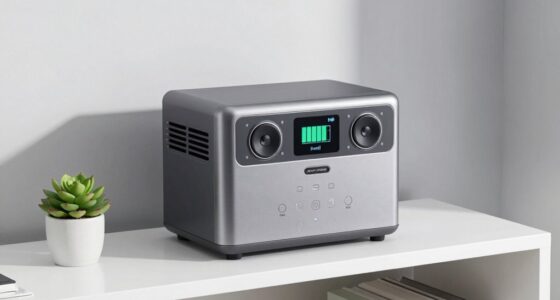
home grid-charging sodium-ion battery
As an affiliate, we earn on qualifying purchases.
As an affiliate, we earn on qualifying purchases.
Revolta’s Battery Projects
Revolta is based in Frankfurt and has already introduced a different sodium-ion home battery. According to the source report, the company launched a high-voltage battery for households with photovoltaic systems in July 2026. That product is distinct from the AC battery now under development, which is intended to connect to the grid and serve households that may not have solar generation.
The company also holds a separate €124,940 grant from the German Federal Environmental Foundation for an AC battery project running from September 2025 to September 2027. The available report does not explain how that earlier project relates technically or financially to the newly listed Hesse ERDF project, so the grants should not be treated as a single award.
Public backing for sodium-ion manufacturing is also being provided elsewhere in Germany. The report says Moll Batterien secured €22.17 million in public funding for a planned 1-gigawatt-hour sodium-ion battery plant in Lichtenfels, Bavaria, including €2.52 million from the ERDF. That manufacturing project is separate from Revolta’s residential battery development.
As an affiliate, we earn on qualifying purchases.
Product Specs and Savings Still Unknown
The announcement and beneficiary-register details do not establish when Revolta’s AC battery will be ready for sale, how much energy it will store, how quickly it can charge or discharge, or what it will cost. The company has not disclosed those details in the source report, and no product performance results or household savings estimates are provided.
It is also unclear how the new Hesse-funded work is divided from Revolta’s earlier grant-backed AC battery project, or what stage the product has reached. The regulator’s rule change may improve the economics of storing and returning grid electricity, but the report does not provide the precise tariff arrangements, fee calculations or consumer conditions that would determine the benefit for an individual home. No claim of guaranteed savings can be made from the information available.
home energy storage system for renters
As an affiliate, we earn on qualifying purchases.
As an affiliate, we earn on qualifying purchases.
Development Runs Through 2029
The ERDF register gives the Hesse project a scheduled period from August 1, 2026, through December 31, 2029. Revolta is expected to use the supported project period to develop the proposed AC sodium-ion system, but the source report does not identify interim milestones, a testing schedule or a planned market launch.
The next concrete information for prospective users would be the company’s publication of specifications, pricing, availability and details on how the battery would operate with household electricity tariffs and grid-export rules. Until Revolta provides those details, the grant confirms support for development, not a commercial product or a demonstrated financial return for households.
As an affiliate, we earn on qualifying purchases.
Key Questions
What did Revolta AG receive funding for?
Hesse’s ERDF beneficiary register lists support for the company’s “Highly Efficient AC Salt Battery” project, which is developing a grid-connected sodium-ion battery for residential use. The project has €660,545 in eligible costs and a 40% EU co-financing rate, or about €264,200.
Who is the proposed battery intended for?
Revolta is targeting homes that can charge the battery from the grid when prices and grid fees are low and return power when prices rise. The source report identifies smaller rental apartments without their own solar panels as a target group.
When will the battery be available, and what will it cost?
Neither a launch date nor a price has been disclosed. The listed project period ends on December 31, 2029, but that date is not a confirmed product-release deadline.
How much energy will the battery store?
Revolta has not disclosed the proposed battery’s capacity or power rating. The available project information does not include performance specifications or savings estimates.
Does the grant mean households will save money?
No household savings have been demonstrated in the reported information. The battery’s potential economics would depend on its price and performance, electricity tariffs and applicable grid fees; the grant itself funds development rather than guaranteeing consumer savings.
Source: rss
Halloween Picks
halloween
As an affiliate, we earn on qualifying purchases.