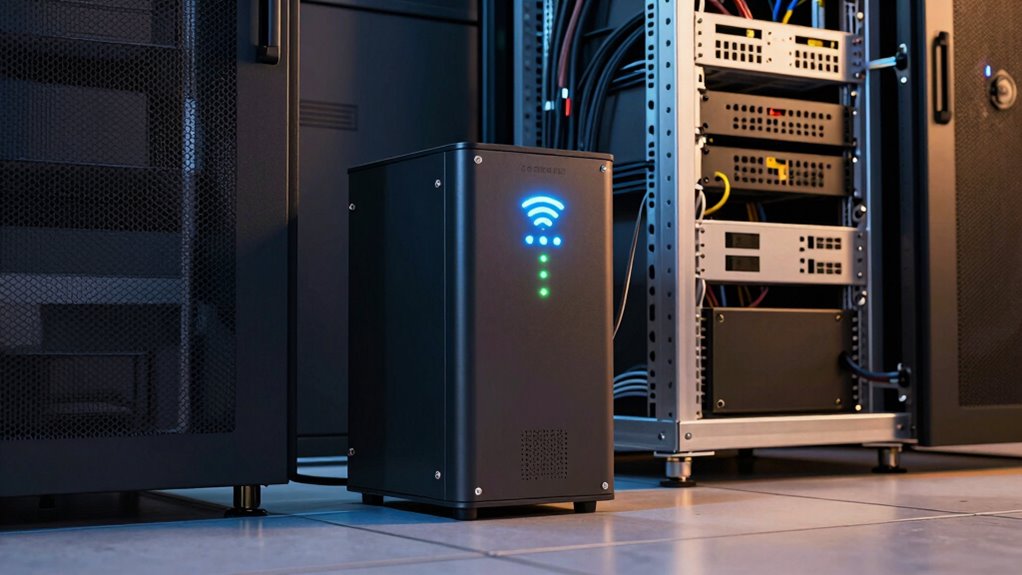
A UPS offers immediate, short-term backup power with active noise filtering and surge protection, making it ideal for keeping your Wi-Fi device stable during brief outages. In contrast, a power station provides longer-lasting, portable energy for extended outages or outdoor use, but without the specialized power quality features of a UPS. Understanding these differences helps you choose the right solution for reliable Wi-Fi—more details reveal which best fits your needs.

Get backup power and energy gear delivered free with Prime
- Fast, free delivery on millions of items
- Prime Video, Amazon Music and more included
- Member-only deals all year
Key Takeaways
- UPS provides short-term, stable power with noise filtering and surge protection, ideal for maintaining Wi-Fi during brief outages.
- Power stations offer longer backup durations but lack specialized noise filtering, suitable for extended outages or outdoor use.
- UPS is stationary, heavier, and designed for indoor use, while power stations are portable, lightweight, and easy to set up anywhere.
- Surge protection and power quality management are more advanced in UPS systems, ensuring consistent Wi-Fi performance.
- Cost, environmental impact, and maintenance differ, with UPS being more affordable upfront but requiring upkeep, unlike eco-friendlier power stations.
uninterruptible power supply for Wi-Fi
As an affiliate, we earn on qualifying purchases.
As an affiliate, we earn on qualifying purchases.
Understanding the Basics of UPS and Power Stations
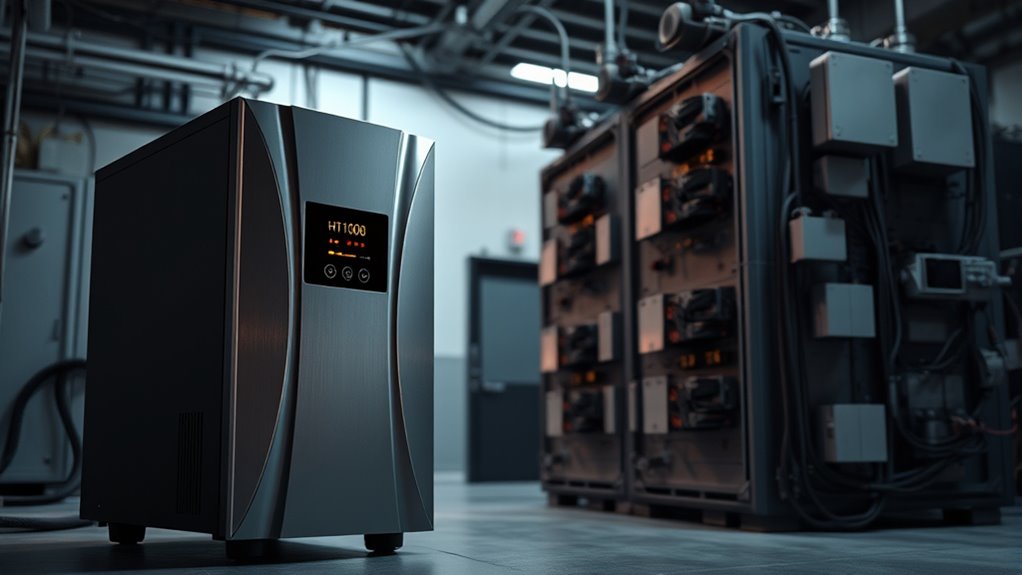
To understand the differences between a UPS and a power station, it’s important to know what each one does. A UPS, or Uninterruptible Power Supply, primarily provides immediate backup power by using batteries with specific chemistry, such as lead-acid or lithium-ion. It also includes noise filtering features that smooth out power fluctuations, protecting your devices from surges and spikes. Power stations, on the other hand, store energy in larger batteries designed for longer usage but don’t necessarily focus on noise filtering. They deliver clean power when needed, but their main role is capacity and portability. Knowing these distinctions helps you decide which device suits your needs, especially when it comes to maintaining Wi-Fi stability and protecting sensitive electronics. Understanding electrical concepts can help you choose the right device for your specific setup. Additionally, recognizing the power capacity of each device can ensure reliable operation during outages or high-demand situations.
Furthermore, the technology used in batteries influences the efficiency and longevity of these devices, which can be critical for prolonged use. This understanding underscores the importance of reliance on cloud services, which can be vulnerable during outages and highlights why selecting the right backup power source is critical. Being aware of power output levels can also guide you in matching the device to your energy requirements for optimal performance.
portable power station for outdoor use
As an affiliate, we earn on qualifying purchases.
As an affiliate, we earn on qualifying purchases.
Power Capacity and Runtime Differences
While both UPS systems and power stations provide backup power, their capacities and runtimes differ substantially. A UPS typically has a smaller battery capacity, designed to power your Wi-Fi and essential devices for a short duration—often just a few minutes—giving you enough time to save work or shut down safely. In contrast, power stations boast larger battery capacities, allowing longer runtime durations, sometimes several hours, depending on the load. This makes them more suitable for extended outages and off-grid applications. This means you can keep Wi-Fi and multiple devices running for extended periods during outages. If you need quick, short-term backup, a UPS is sufficient. For longer outages or off-grid use, a power station’s greater battery capacity offers more reliable, sustained power. Understanding the different types of backup energy solutions can help you choose the right device for your needs. Additionally, power management strategies can optimize how you utilize these backup options to ensure continuous connectivity, especially when considering the battery capacity and energy consumption of your devices. Incorporating protective styling benefits can also help preserve your equipment during power fluctuations.
surge protected UPS for internet router
As an affiliate, we earn on qualifying purchases.
As an affiliate, we earn on qualifying purchases.
Surge Protection and Power Quality
Surge prevention capabilities are essential for safeguarding your devices from sudden power spikes. Proper surge protection can prevent damage to sensitive electronics and prolong their lifespan. Power stability assurance guarantees your equipment runs smoothly without interruptions. Understanding how UPS systems and power stations handle these issues helps you choose the right solution for reliable performance. Additionally, some units incorporate thermal management features to prevent overheating during extended use, further ensuring consistent power quality. Recognizing power fluctuations and how each device manages them is crucial for maintaining optimal device performance and longevity. Effective power management is vital for ensuring your devices operate safely and efficiently over time.
Surge Prevention Capabilities
Power stations and UPS systems both play essential roles in protecting your equipment from electrical surges, but their effectiveness varies greatly. A UPS offers dedicated surge prevention by incorporating surge suppressors that absorb sudden voltage spikes, shielding your devices from damage. It also provides voltage regulation, maintaining a consistent power level even during fluctuations. Power stations, on the other hand, typically lack specialized surge prevention features; they focus more on energy storage and output stability. While some advanced models may include basic surge protection, they generally don’t match the targeted surge prevention capabilities of a UPS. For Wi-Fi equipment, this means a UPS is better suited to prevent damaging voltage surges, ensuring continuous, safe operation. Emerging nanotechnology is beginning to influence the development of more advanced surge protection components, offering greater reliability and efficiency. Additionally, the integration of European cloud innovation drives the development of smarter, more resilient surge protection solutions that enhance overall network security. Understanding power quality and its impact on sensitive devices is crucial for choosing the right equipment to safeguard your home network. Moreover, advancements in surge protection technology are making these devices more adaptable to varying electrical environments, further improving your home’s electrical resilience. Incorporating smart grid technologies can also improve the responsiveness and effectiveness of surge protection systems in modern homes.
Power Stability Assurance
A UPS not only protects against voltage spikes but also actively maintains consistent power quality, guaranteeing your devices operate smoothly. This stability minimizes disruptions that can cause data loss or equipment damage. By providing clean, stable power, a UPS improves energy efficiency, reducing waste caused by power fluctuations. It also lowers your environmental impact by preventing unnecessary device strain and extending equipment lifespan. Power quality is vital for reliable Wi-Fi, especially in areas prone to outages or unstable grids. A stable power supply ensures your network remains uninterrupted, which is essential for productivity and entertainment. Additionally, power conditioning features in some UPS systems help filter out electrical noise, further enhancing network stability. Incorporating power quality management can optimize performance and safeguard your devices from unforeseen electrical issues. Moreover, ensuring proper grounding can significantly improve overall power stability. In addition, selecting a UPS with advanced surge protection can provide an extra layer of defense against unexpected electrical surges. Proper maintenance of your UPS system also plays a crucial role in ensuring consistent power delivery. Overall, the UPS’s ability to guarantee power stability supports both your device’s longevity and a more sustainable energy footprint.
long-lasting portable power bank
As an affiliate, we earn on qualifying purchases.
As an affiliate, we earn on qualifying purchases.
Portability and Ease of Use
When choosing between a UPS and a power station, your focus on mobility and convenience matters. Setting up a power station is typically quicker and easier, making it more portable for on-the-go use. Plus, a user-friendly design guarantees you can operate either device confidently without complicated instructions. Additionally, power stations are often designed with features that support ambient‑light play, making them more adaptable to different environments. Moreover, many power stations include safety checklists (CO alarms, cords/gauges, placement) to help ensure safe operation in various settings. Understanding power management can further optimize device performance and safety during use.
Mobility and Convenience
Ever wondered which option is easier to carry around? Both UPS and power stations offer different advantages for mobility and convenience. Power stations excel with wireless connectivity, allowing you to use them without cumbersome cables, and their aesthetic design often looks sleek and modern, fitting well in various environments. They are generally lightweight and compact, making them easier to transport for outdoor activities or travel. In contrast, UPS units are usually heavier and designed for stationary use, but they still provide quick access to backup power. Consider these points:
- Power stations are portable and lightweight
- Wireless connectivity enhances ease of use
- Aesthetic design adds to portability appeal
- UPS units are less mobile but reliable indoors
Choosing the right depends on your need for mobility and convenience.
Setup and Portability
Have you considered how easy it is to set up and carry these power options? Power stations typically feature straightforward setup processes—just turn them on and start plugging in devices—thanks to intuitive designs and simple interfaces. Their portability features, like lightweight frames and built-in handles, make them easy to transport, even over longer distances. In contrast, UPS units are usually bulkier and designed for stationary use, limiting mobility. When evaluating portability, consider the battery lifespan because longer-lasting batteries assure you’re not constantly recharging or replacing units. Overall, power stations excel in portability and ease of use for on-the-go needs, while UPS systems are better suited for stable, indoor setups where portability isn’t a priority.
User-Friendly Operation
Power stations are designed with user-friendly features that make operation straightforward, even if you’re not tech-savvy. Their intuitive user interface enhances your user experience, allowing you to operate them with minimal effort. You’ll appreciate features like clear displays, simple controls, and quick-start options that save you time and frustration.
To maximize ease of use, look for:
- Easy-to-read screens
- Minimal setup steps
- Single-button operation
- Clear indicator lights
These elements ensure you can quickly understand the device’s status and respond accordingly. Power stations prioritize portability and simplicity, making them ideal for those who want reliable power without complicated procedures. This user-focused design ultimately makes managing your Wi-Fi and devices more convenient.
Battery Life and Maintenance
While UPS systems typically require less maintenance, their batteries still need regular attention to guarantee peak performance. Proper maintenance routines help extend battery longevity, ensuring your device remains reliable during outages. Check the battery status periodically, clean terminals, and replace batteries when they show signs of wear or reduced capacity. Avoid letting batteries sit unused for long periods, as this can diminish their lifespan. Keeping an eye on voltage levels and performing routine tests helps identify issues early, preventing unexpected failures. Although UPS batteries are designed for durability, neglecting maintenance can shorten their effective lifespan and compromise backup power when you need it most. Consistent care ensures your UPS continues to provide dependable, long-lasting backup, supporting your Wi-Fi during outages.
Cost and Investment Considerations
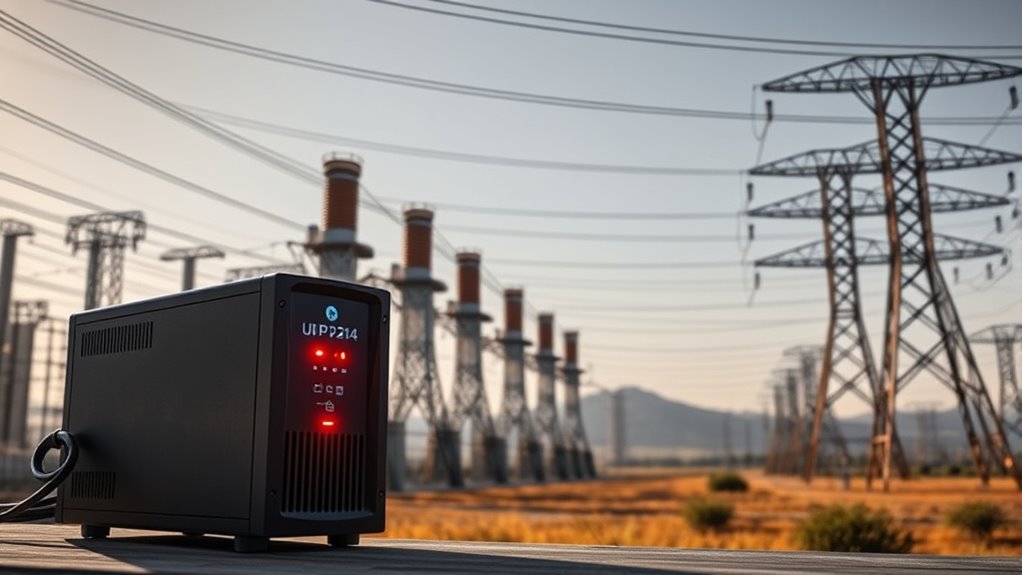
Investing in a UPS or power station involves evaluating both upfront costs and long-term expenses. Your budget considerations will influence which option fits best. Initial costs for a UPS are typically lower, but they may require replacement or maintenance over time. Power stations often have higher initial costs but can offer better value over their lifespan. Consider these points:
Assess upfront costs and long-term savings when choosing between UPS and power stations for reliable Wi-Fi during outages.
- Lower upfront investment with UPS units
- Higher initial costs for portable power stations
- Potential maintenance expenses for UPS systems
- Long-term savings with durable power stations
Balancing these factors helps you decide whether a lower initial investment or a more robust long-term solution aligns with your needs. Carefully appraise your budget considerations to make an informed choice that ensures reliable Wi-Fi power during outages.
Compatibility With Wi-Fi Equipment
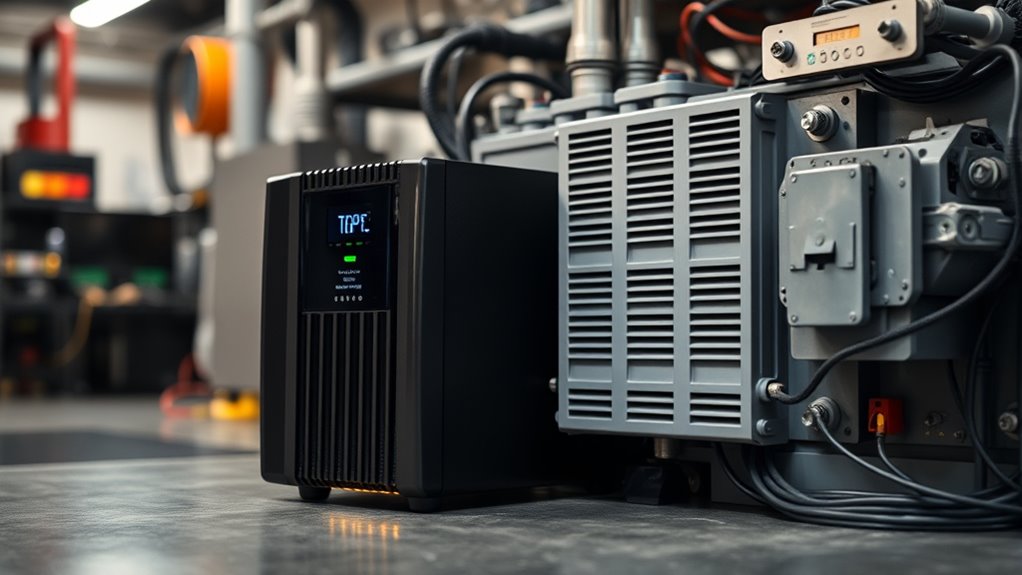
When choosing between a UPS and a power station, ensuring compatibility with your Wi-Fi equipment is key to maintaining connectivity during outages. A UPS typically offers better Wi-Fi compatibility because it provides a stable, clean power output that minimizes network interference. This stability helps prevent disruptions to your Wi-Fi signal caused by power fluctuations. In contrast, some power stations may generate electrical noise or experience voltage irregularities, which can lead to network interference and weaken your Wi-Fi connection. To keep your network reliable, verify that the device you select supports the necessary power output and offers interference mitigation features. By prioritizing Wi-Fi compatibility, you ensure your internet stays connected, even when the power goes out.
Installation and Setup Requirements
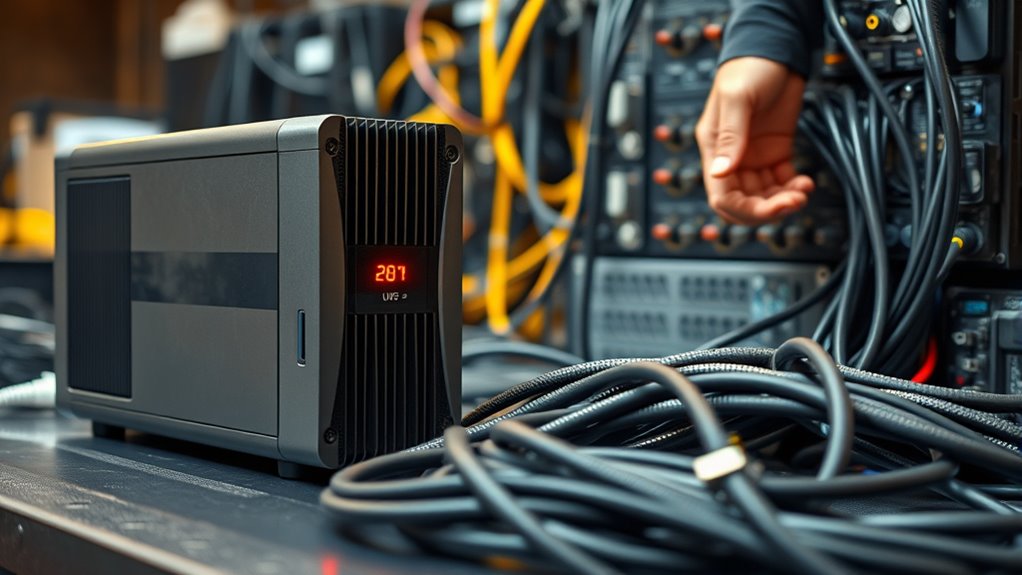
Setting up a UPS generally requires less time and effort because it’s designed for straightforward installation—usually involving plugging it into a power outlet and connecting your devices. This simplicity minimizes installation challenges and streamlines setup procedures. Typically, you just need to ensure the UPS is positioned in a well-ventilated area and avoid overloading it. Power stations, on the other hand, often involve more complex setup steps, such as charging batteries, configuring interfaces, or installing apps.
Be aware of potential installation challenges with power stations, like ensuring proper connections and understanding power input requirements. For a smooth process, consider these points:
- Reading the user manual thoroughly
- Checking compatibility with your Wi-Fi equipment
- Ensuring proper ventilation
- Following safety guidelines for connections
Safety Features and Reliability
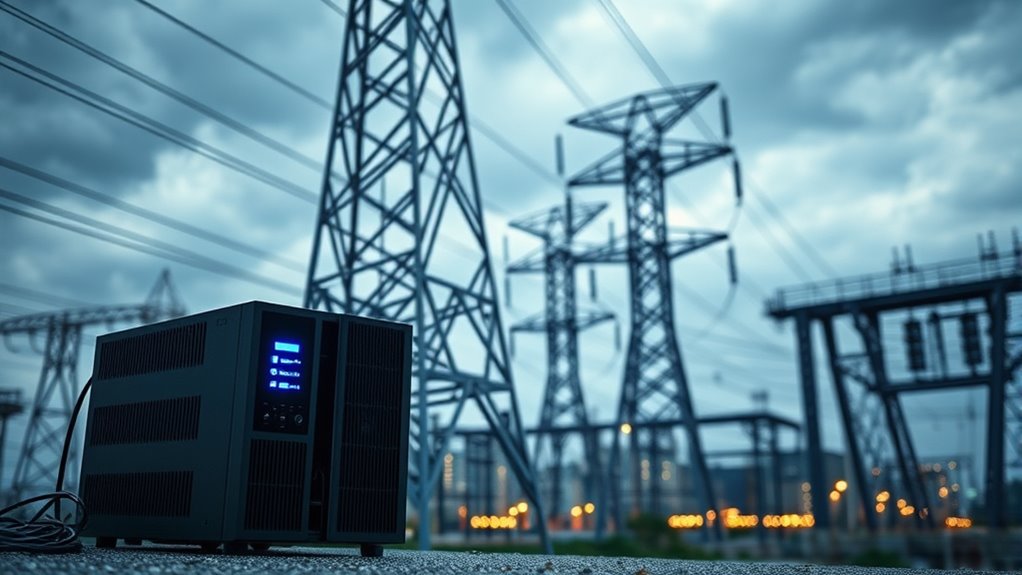
Safety features and reliability are critical factors to contemplate when choosing between a UPS and a power station. With fire safety, some UPS units have built-in thermal protection and fire-resistant materials to reduce fire risks, ensuring your home remains safe. Power stations, on the other hand, often include overload protection and surge safeguards to prevent damage during unexpected power fluctuations. User protection is prioritized with features like automatic shutoff in case of faults, preventing electrical shocks or hazards. Reliability depends on build quality and internal circuitry; a dependable UPS offers consistent backup power, while a robust power station features durable batteries and circuits designed for repeated use. Both options aim to keep your devices safe and operational, but understanding their safety features helps you select the most reliable solution.
Making the Right Choice for Your Needs
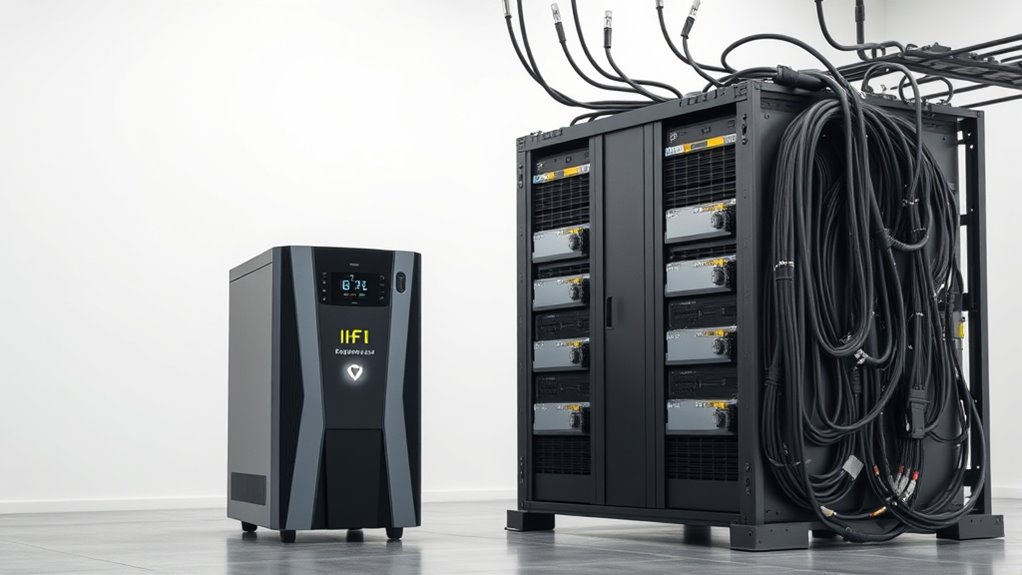
To choose between a UPS and a power station, you need to take into account your power stability requirements and how long you need backup power. Think about your budget and which option provides the best value for your needs. By matching these factors, you’ll find the solution that keeps your devices running smoothly and reliably.
Power Stability Requirements
Choosing the right power solution depends largely on your need for consistent and stable electricity. If your Wi-Fi setup requires a steady supply, consider how each option guarantees power stability. UPS units deliver clean, uninterrupted power, ideal for sensitive devices, but may have limited battery longevity. Power stations can provide stable power over longer periods, especially when paired with efficient energy use. When making your choice, focus on:
- Ensuring minimal power fluctuations for reliable Wi-Fi
- Balancing battery longevity with your usage patterns
- Prioritizing energy efficiency to reduce power waste
- Considering how stable the power source remains during outages
Your decision should align with your need for uninterrupted connectivity and long-term energy efficiency, ensuring your Wi-Fi stays reliable without frequent interruptions.
Backup Duration Needs
Understanding how long your backup power needs to last is essential when selecting between a UPS and a power station. If you need only a few minutes to save work during outages, a UPS with high battery longevity works well. For longer durations, a power station offers extended backup times, but consider battery longevity and warranty coverage to guarantee durability.
| Backup Duration | Suitable Device |
|---|---|
| Seconds to Minutes | UPS for quick, short-term needs |
| 10-30 Minutes | Power station for moderate use |
| Several Hours | Power station with large capacity |
| Multiple Days | Heavy-duty power station |
| Long-term Use | Devices with strong warranty coverage |
Cost and Budget
Are you trying to stay within a specific budget while ensuring reliable backup power? When comparing UPS units and power stations, consider the initial cost, ongoing expenses, and energy efficiency. Power stations often have a higher upfront price but offer better energy efficiency, reducing long-term operating costs. UPS units tend to be more affordable initially but may require frequent replacements or upgrades. Additionally, think about the environmental impact—power stations typically generate less waste and consume cleaner energy sources. To make an informed choice, evaluate:
- Upfront costs versus long-term savings
- Energy efficiency and operational expenses
- Environmental impact and sustainability
- Maintenance and replacement costs
Balancing these factors helps you select a solution that fits your budget while supporting eco-friendly use.
Frequently Asked Questions
Can a UPS or Power Station Support Outdoor Wi-Fi Devices?
Yes, you can use a UPS or power station to support outdoor Wi-Fi devices, but consider solar compatibility and portability concerns. A portable power station with solar charging options makes outdoor setup easier, reducing reliance on mains power. UPS units are less portable and typically not ideal for outdoor use due to size and power source limitations. verify the device’s power output matches your Wi-Fi equipment’s needs for reliable outdoor connectivity.
Do UPS Units Require Regular Firmware Updates?
Yes, UPS units often require regular firmware updates to guarantee ideal device compatibility and performance. Just like your smartphone, these updates fix bugs, improve stability, and add new features. Ignoring firmware updates can lead to compatibility issues with your Wi-Fi devices or power fluctuations. Stay proactive by checking for updates periodically, so your UPS continues supporting your outdoor Wi-Fi devices reliably and efficiently.
Are Power Stations Eco-Friendly Compared to Traditional UPSS?
Power stations tend to be more eco-friendly than traditional UPS units because they often use rechargeable batteries with longer longevity, reducing waste and replacement frequency. This lower environmental impact means fewer batteries end up in landfills. Plus, many power stations incorporate sustainable features like solar charging, making them a greener choice overall. So, if you’re concerned about environmental impact, a power station could be a more eco-conscious option for your Wi-Fi needs.
How Do Temperature Variations Affect Battery Performance?
Temperature variations can critically impact your battery’s performance. When temperatures are too high or low, thermal management becomes vital to prevent overheating or freezing, which can degrade battery chemistry. Excessive heat speeds up chemical reactions, reducing battery lifespan, while cold temperatures slow these reactions, decreasing capacity. To keep your device functioning at its best, guarantee proper thermal management and understand your battery chemistry’s ideal temperature range.
Can I Use Both a UPS and a Power Station Together?
Yes, you can use both a UPS and a power station together to enhance your setup. Doing so can extend battery lifespan and provide extra surge protection for your devices. Make sure the power station’s output matches the UPS’s capacity and that you connect them properly to avoid overloads. This combination offers reliable backup power, boosts surge protection, and ensures your Wi-Fi remains uninterrupted during outages.
Conclusion
Ultimately, choosing between a UPS and a power station depends on understanding your needs, evaluating capacity and portability, and considering safety and compatibility. By clarifying your priorities—whether it’s seamless backup, mobility, or power quality—you can make an informed decision. Both options aim to protect your Wi-Fi and devices, but only one aligns perfectly with your specific requirements. Stay mindful, stay prepared, and choose the solution that best supports your connectivity and peace of mind.
Halloween Picks
halloween
As an affiliate, we earn on qualifying purchases.