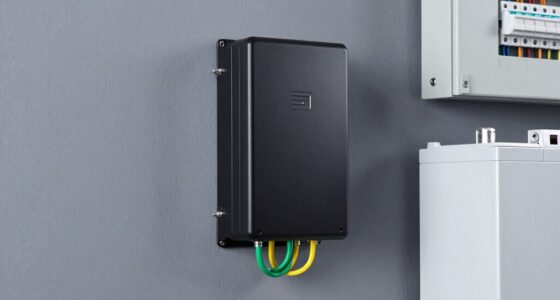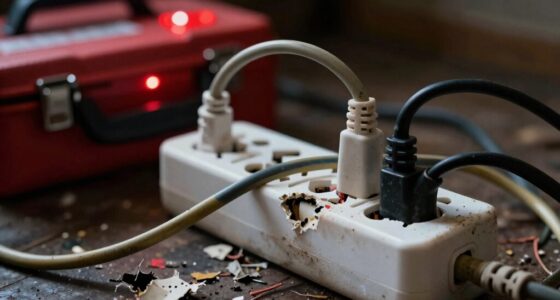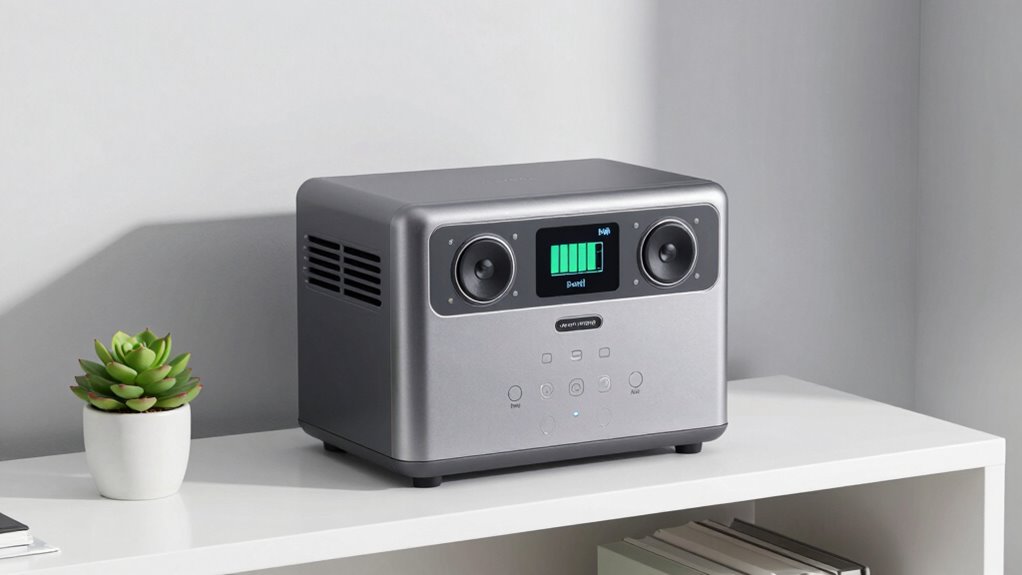
To make your backup power system feel tidy instead of temporary, organize your cables along walls or within conduits to prevent tangling and keep everything accessible. Regularly inspect and clean batteries, terminals, and components to maintain efficiency. Use labeled storage for spare parts and tools, and keep the area well-ventilated and clutter-free. Consistently schedule system checks to catch issues early, making your setup both reliable and visually neat—if you want to discover more tips, keep exploring this guide.

Get backup power and energy gear delivered free — and shop member deals
- Fast, free delivery on millions of items
- Access to Prime Big Deal Days deals on October 6–7
- Prime Video, Amazon Music and more included
Key Takeaways
- Organize cables neatly using conduits and labels to create a tidy, permanent appearance.
- Allocate a dedicated, ventilated space for batteries and equipment to enhance accessibility and order.
- Implement a systematic maintenance schedule to keep components clean and functional, reducing clutter buildup.
- Use storage containers and labeled bins for spare parts and tools to maintain a clean, organized setup.
- Incorporate consistent system checks and inspections to ensure all components are properly arranged and functioning.
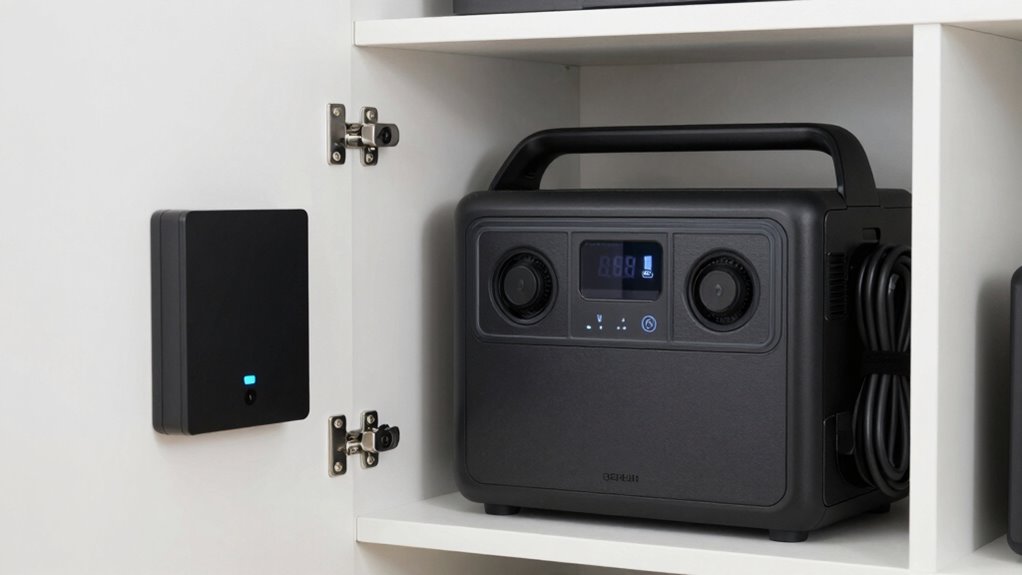
When it comes to backup power systems, a cluttered setup can quickly become overwhelming and hard to manage. The key to making your backup power feel organized isn’t just about hiding wires or buying more storage; it’s about thoughtful placement and regular upkeep. Start with solar panel placement. Position your solar panels where they can receive the maximum sunlight throughout the day, avoiding shade from trees or structures. Proper placement not only optimizes energy collection but also keeps the panels accessible for cleaning and inspection. If panels are scattered or crammed into tight spots, you’ll struggle with maintenance and could end up with uneven wear or reduced efficiency. Keep cables tidy by running them along walls or within conduits, which prevents them from becoming tangled or damaged. A clean, logical layout makes future adjustments or troubleshooting much easier.
Next, focus on battery maintenance. Batteries are the backbone of your backup power, so caring for them regularly keeps your system reliable and reduces clutter caused by emergency replacements. Check the charge levels periodically and clean terminals to prevent corrosion, which can cause poor performance or system failures. Keep the area around your batteries organized—use labeled wiring and designated storage containers for spare parts or tools. Having everything in its place means you won’t waste time searching during an outage or repair. Additionally, ensure your batteries are housed in a well-ventilated, protected space, so they don’t leak or overheat, which can lead to messy spills or corrosion that clutter your setup. Regular inspections and battery maintenance practices help prevent unexpected failures and keep your system running smoothly. Incorporating system organization techniques can further streamline your setup, making troubleshooting faster and more efficient. Conducting routine system checks periodically can also reveal areas where clutter accumulates and needs to be addressed, maintaining a tidy and efficient backup power system. Additionally, establishing a maintenance schedule can help you stay on top of small issues before they become major problems.
backup power system organization kit
As an affiliate, we earn on qualifying purchases.
As an affiliate, we earn on qualifying purchases.
Frequently Asked Questions
What Are the Best Storage Options for Backup Power Supplies?
You should choose a dedicated, well-ventilated storage location for your backup power supplies to prevent damage and guarantee safety. Opt for sturdy, organized containers to keep batteries protected and easily accessible. Consider a climate-controlled space to extend battery lifespan. Using wall-mounted shelves or labeled storage bins helps keep everything tidy, making your backup power supplies both functional and visually neat, ready for use when needed.
How Often Should I Test My Backup Power System?
Think of your backup power system as a garden needing regular care. You should test it monthly to make certain everything’s working smoothly, like watering and pruning. During these tests, focus on battery maintenance and power monitoring. Regular checks help catch issues early, keeping your system reliable and tidy. By staying proactive, you prevent surprises and keep your backup power feeling like a well-tended garden, always ready when you need it.
Can I Integrate Backup Power With My Home Automation?
Yes, you can integrate backup power with your home automation system. Focus on smart integration by choosing backup power solutions compatible with your existing system. Many modern generators and uninterruptible power supplies (UPS) support smart features, allowing you to monitor and control them remotely. Make certain your devices and automation hub are compatible, and you may need to update firmware or add specific modules for seamless system compatibility and efficient management during outages.
What Safety Measures Are Necessary for Backup Power Setups?
You should prioritize safety measures like installing automatic transfer switches and guaranteeing proper grounding to prevent electrical hazards. Regularly maintain your backup power system for efficiency and reliability. Keep emergency preparedness in mind by storing fire extinguishers and having clear safety protocols. Using energy-efficient equipment reduces power load, making your system safer and more sustainable. Always follow local codes and consult professionals to ensure your backup power setup is both safe and effective.
How Do I Choose the Right Size Backup Power System?
Imagine shopping for shoes—fit and comfort matter. Similarly, choose a backup power system that matches your energy needs, considering your essential appliances and future growth. To maximize battery lifespan and power efficiency, avoid oversizing or undersizing. Calculate your power requirements carefully, and opt for a system that provides reliable backup without excess capacity. This guarantees your setup remains tidy, efficient, and ready whenever you need it, just like a well-fitted pair of shoes.
As an affiliate, we earn on qualifying purchases.
Conclusion
By organizing your backup power system, you’ll enjoy a cleaner, more efficient space during outages. Consider that a survey found 78% of homeowners feel more confident when their backup power setup is tidy and well-maintained. So, take the time to streamline your equipment—label cords, store batteries properly, and keep everything accessible. Not only will this boost safety, but it’ll also give you peace of mind knowing your backup power is ready to go when you need it most.
As an affiliate, we earn on qualifying purchases.
As an affiliate, we earn on qualifying purchases.
Fall Picks
fall essentials
As an affiliate, we earn on qualifying purchases.