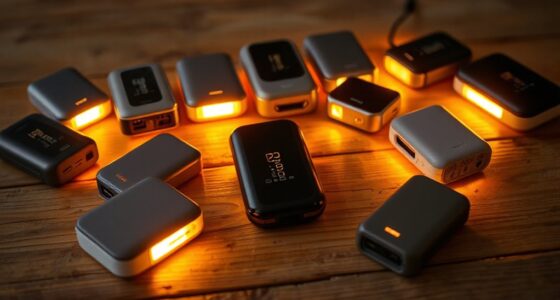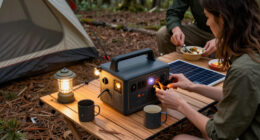
The best portable power station overall is the Anker SOLIX C1000 Gen 2, which strikes the strongest balance between capacity, output, and portability in this lineup. For whole-home backup, the Jackery HomePower 3600 Plus delivers far more runtime than anything else here, while the Anker SOLIX C300 and Jackery Explorer 300 win on price and grab-and-go convenience. The main tradeoff in this category is simple: more watt-hours means more weight and more money, and the second tradeoff is battery chemistry, since LiFePO4 units last years longer but cost more upfront. Keep reading for the full breakdown of all 15 models and which one fits your situation.

Get backup power and energy gear delivered free — and shop member deals
- Fast, free delivery on millions of items
- Access to Prime Big Deal Days deals on October 6–7
- Prime Video, Amazon Music and more included
Key Takeaways
- Capacity splits this lineup into three distinct tiers: sub-300Wh day-trippers (C300, Explorer 300, EnginStar, ALLWEI), midsize 1kWh workhorses (C1000 Gen 2, DELTA 3, AC180, Explorer 1000 v2), and whole-home backup units above 2kWh (C2000 Gen 2, S2000, Elite 300, HomePower 3600 Plus).
- The top picks separated from the pack on battery chemistry: LiFePO4 models like the BLUETTI AC180 and Anker SOLIX units are rated for thousands of cycles, while cheaper options like the EnginStar and ALLWEI trade longevity for a lower entry point.
- The Jackery HomePower 3600 Plus is in a different weight class — literally. At 3584Wh it can run a fridge for days, but it is not a product you carry to a campsite, unlike the 256Wh Jackery Explorer 240D.
- Bundled solar panels (like the Jackery Explorer 300 with 40W panel) rarely charge fast enough to be a primary power source — treat them as a slow trickle top-up, not a replacement for wall charging.
- Wattage output matters as much as capacity: a 200–300W unit like the Explorer 240D can charge phones and run lights but will shut down on a microwave or space heater, while 1800W+ models like the DELTA 3 handle kitchen appliances.
| BLUETTI Elite 30 V2 Portable Power Station, 288Wh, 600W |  | Best Small-Capacity Powerhouse | Capacity: 288Wh | Continuous output: 600W | Surge output: 1500W (Power Lifting Mode) | VIEW LATEST PRICE | See Our Full Breakdown |
| Anker SOLIX C1000 Gen 2 Portable Power Station |  | Best Overall | Capacity: 1,024Wh | Output: 2,000W (3,000W peak) | Recharge time: 49 minutes via AC; 1.8 hours via 600W solar | VIEW LATEST PRICE | See Our Full Breakdown |
| Jackery Explorer 240D Portable Power Bank, 256Wh, 200W DC |  | Best Ultralight DC Companion | Capacity: 256Wh | Output: 200W DC (up to 140W per port) | Ports: 3x USB-C, 1x USB-A | VIEW LATEST PRICE | See Our Full Breakdown |
| Anker SOLIX C300 Portable Power Station, 288Wh |  | Best for Beginners | Capacity: 288Wh | AC output: 300W total (600W surge) | AC outlets: 3 | VIEW LATEST PRICE | See Our Full Breakdown |
| Jackery HomePower 3600 Plus Portable Power Station, 3584Wh, 3600W |  | Best for Home Backup | Capacity: 3,584Wh (expandable to 43kWh) | AC output: 3,600W (7,200W parallel) | Voltage: 120V; 240V in parallel | VIEW LATEST PRICE | See Our Full Breakdown |
| BLUETTI AC180 Portable Power Station, 1152Wh LiFePO4 Battery |  | Best Overall Midsize Pick | Battery capacity: 1152Wh | Battery type: LiFePO4 | AC output: 1800W (2700W peak boost) | VIEW LATEST PRICE | See Our Full Breakdown |
| Jackery Explorer 1000 v2 Portable Power Station |  | Best for Appliance-Heavy Backup | Battery capacity: 1,070Wh | Battery type: LFP | AC output: 1,500W (3,000W surge) | VIEW LATEST PRICE | See Our Full Breakdown |
| Jackery Explorer 300 Portable Power Station, 292Wh |  | Best Lightweight Weekend Pick | Capacity: 292Wh | Weight: 7.1 lbs | Battery type: LiFePO4, 4,000+ cycles | VIEW LATEST PRICE | See Our Full Breakdown |
| EcoFlow DELTA 3 Portable Power Station, 1024Wh, 1800W |  | Best for Fast Recharging | Battery capacity: 1024Wh | Output power: 1800W | Battery chemistry: LiFePO4 (4,000 cycles to 80%) | VIEW LATEST PRICE | See Our Full Breakdown |
| ALLWEI Portable Power Station 300W, 256Wh LiFePO4 Solar Generator |  | Best Budget Emergency Backup | Capacity: 256Wh | Continuous output: 300W (600W surge) | Waveform: Pure sine wave | VIEW LATEST PRICE | See Our Full Breakdown |
| Jackery Explorer 300 Portable Power Station with 40W Solar Panel |  | Best Solar Starter Kit | Battery capacity: 292Wh | Battery chemistry: LiFePO4 | Weight: 7.5 lbs | VIEW LATEST PRICE | See Our Full Breakdown |
| Anker SOLIX C2000 Gen 2 Portable Power Station, 2,048Wh, 2,400W |  | Best Overall | Capacity: 2,048Wh (expandable to 4kWh) | Battery type: LiFePO4 | Full recharge time: 58 minutes (AC/solar) | VIEW LATEST PRICE | See Our Full Breakdown |
| Anker SOLIX S2000 Portable Power Station, 2,010Wh, 1,500W |  | Best for Home Backup | Capacity: 2,010Wh | Continuous output: 1,500W (3,000W peak) | Battery type: LFP | VIEW LATEST PRICE | See Our Full Breakdown |
| BLUETTI Elite 300 Portable Power Station for RV & Home Backup, 3014.4Wh |  | Best for RV Owners | Capacity: 3014.4Wh | Output: 2400W (4800W surge) | Battery: LiFePO4, 6000+ cycles | VIEW LATEST PRICE | See Our Full Breakdown |
| EnginStar Portable Power Station, 300W, 296Wh |  | Best Budget Pick | Capacity: 296Wh | AC output: 300W pure sine wave, 110V (2 outlets) | Other outputs: 12V/24V DC, USB-A (5V/3.1A), USB-C (18W) | VIEW LATEST PRICE | See Our Full Breakdown |
| portable power station | Capacity | Weight | Battery type |
|---|---|---|---|
| BLUETTI Elite 30 V2 Portable P | 288Wh | 9.4 lbs | — |
| Anker SOLIX C1000 Gen 2 Portab | 1,024Wh | 11.3 kg (about 25 lbs) | — |
| Jackery Explorer 240D Portable | 256Wh | 4.85 lbs | LiFePO4 lithium |
| Anker SOLIX C300 Portable Powe | 288Wh | — | — |
| Jackery HomePower 3600 Plus Po | 3,584Wh (expandable to 43kWh) | — | — |
| BLUETTI AC180 Portable Power S | — | — | LiFePO4 |
| Jackery Explorer 1000 v2 Porta | — | 23.8 lbs | LFP |
| Jackery Explorer 300 Portable | 292Wh | 7.1 lbs | LiFePO4, 4,000+ cycles |
| EcoFlow DELTA 3 Portable Power | — | — | — |
| ALLWEI Portable Power Station | 256Wh | 6.4 lbs | LiFePO4, 3,000 cycles (~10 years) |
| Jackery Explorer 300 Portable | — | 7.5 lbs | — |
| Anker SOLIX C2000 Gen 2 Portab | 2,048Wh (expandable to 4kWh) | 41.7 lbs | LiFePO4 |
| Anker SOLIX S2000 Portable Pow | 2,010Wh | 35.7 lbs | LFP |
| BLUETTI Elite 300 Portable Pow | 3014.4Wh | 58 lbs | — |
| EnginStar Portable Power Stati | 296Wh | 6.5 lbs | Lithium-ion |
More Details on Our Top Picks
BLUETTI Elite 30 V2 Portable Power Station, 288Wh, 600W
Most power stations in the sub-300Wh class are gentle giants — lots of convenience, little muscle. The Elite 30 V2 breaks that pattern with 600W of continuous output and a Power Lifting Mode that stretches to 1500W for resistive loads like kettles or hair dryers. That’s double the working output of the similarly sized Anker SOLIX C300, and it means this little box can briefly run appliances its rivals simply refuse to start. The 45-minute recharge to 80% is also unusually quick for this class, cutting downtime between uses. The tradeoff is unavoidable physics: 288Wh drains fast under heavy loads, so a microwave session will eat most of the battery. Still, for a grab-and-go unit that punches above its weight, this pick makes the most sense for buyers who want real AC muscle in a 9.4 lb frame.
Pros:- 600W continuous output with 1500W Power Lifting Mode rivals bigger units
- Very fast stated AC recharge: 0–80% in 45 minutes
- Lightweight at 9.4 lbs with AC, solar, and car charging
- 10ms UPS switch makes it viable as a small desk or router backup
Cons:- 288Wh capacity limits runtime for anything beyond phones, laptops, and short appliance bursts
- Loads above 600W only work through Power Lifting Mode, which suits resistive heating devices but not all electronics
Best for: Weekend campers and van lifers who need to briefly run higher-wattage appliances from a small, easy-to-carry unit
Not ideal for: Anyone expecting long runtimes from high-power devices — 288Wh empties quickly once you push past light loads
- Capacity:288Wh
- Continuous output:600W
- Surge output:1500W (Power Lifting Mode)
- Weight:9.4 lbs
- AC recharge time:0–80% in 45 minutes
- UPS switch time:10ms
- Charging options:AC, solar, car
Our verdict“Buy this if you want small-station portability with mid-size output muscle; skip it if your devices need hours of runtime rather than minutes.”
Anker SOLIX C1000 Gen 2 Portable Power Station
This is the model I’d point most buyers toward, because it nails the capacity-to-portability balance better than anything else here. With 1,024Wh and 2,000W of output, it covers the realistic middle ground between the underpowered small units and the heavyweights like the Jackery HomePower 3600 Plus: enough to run a fridge, lights, and laptops through an outage, or a full weekend camp setup, without wheels or a back-breaking carry. The 49-minute AC recharge is the standout — roughly half the AC time of the HomePower 3600 Plus — so the battery cycles back quickly during extended outages. Its battery rating of 80% capacity after 4,000 cycles also means years of daily use before meaningful degradation. The annoyances are real though: fast charging requires the Anker app to enable, and hitting the fastest solar times demands a 600W panel setup.
Pros:- 1,024Wh with 2,000W output handles fridges, power tools, and most household loads
- 49-minute AC recharge minimizes downtime during outages
- Rated to retain at least 80% capacity after 4,000 cycles
- Sub-10ms UPS switchover protects computers and network gear
Cons:- HyperFlash charging and TOU mode require setup through the Anker app
- Fastest solar recharge requires a compatible 600W solar input
Best for: Households and campers who want one do-everything unit big enough for outages but light enough to actually carry
Not ideal for: Buyers who want full home-circuit backup or 240V appliances — this is a room-by-room solution, not a whole-house one
- Capacity:1,024Wh
- Output:2,000W (3,000W peak)
- Recharge time:49 minutes via AC; 1.8 hours via 600W solar
- Battery life:At least 80% capacity after 4,000 cycles
- UPS switchover:Under 10 ms
- Weight:11.3 kg (about 25 lbs)
- Voltage:120V AC
Our verdict“The most balanced pick on this list — the right size, speed, and output for the widest range of buyers.”
Jackery Explorer 240D Portable Power Bank, 256Wh, 200W DC
The Explorer 240D isn’t competing with the AC-outlet crowd — it’s competing with your laptop power bank, and winning. At 4.85 lbs with 256Wh of LiFePO4 capacity, it will run a Starlink Mini for up to 10 hours or fast-charge a laptop at a full 140W across any of its three USB-C ports. Compared with the BLUETTI Elite 30 V2, you give up every AC outlet entirely; compared with a power bank, you gain roughly five to eight times the usable energy. The 6,000-cycle battery rating means this is a decade-long purchase, not a two-season gadget. The defining limitation is simple and honest: 200W DC-only output. No coffee maker, no fan, no anything with a wall plug. For remote workers, photographers, and satellite-internet users who live on USB-C, that tradeoff is one they’ll happily make for the weight savings.
Pros:- Featherweight at 4.85 lbs with a genuinely pocket-of-the-pack footprint
- Three 140W USB-C ports fast-charge laptops and drones at full speed
- LiFePO4 cells rated for 6,000 cycles and roughly 10 years of use
- Charges via USB-C, solar, car, or AC-DC dual input, reaching 80% in an hour
Cons:- DC-only output means zero compatibility with household AC appliances
- 200W total output limits how many high-draw devices can charge simultaneously
Best for: Remote workers, drone photographers, and off-grid communicators who charge everything over USB-C and count every ounce
Not ideal for: Anyone who needs to plug in a standard appliance — there are no AC outlets at all, and 200W total caps multi-device charging
- Capacity:256Wh
- Output:200W DC (up to 140W per port)
- Ports:3x USB-C, 1x USB-A
- Battery type:LiFePO4 lithium
- Battery lifespan:10 years (≥70% capacity after 6,000 cycles)
- Weight:4.85 lbs
- Fast charge:0–80% in 1 hour with 100W charger
Our verdict“A purpose-built USB-C power tank for gear-first travelers — brilliant if you never plug into a wall socket, useless if you do.”
Anker SOLIX C300 Portable Power Station, 288Wh
If you’re buying your first power station and don’t want to think too hard, the C300 is the gentlest entry point in this lineup. Its 300W output across three AC outlets covers the beginner essentials — laptop, lamp, fan, camera batteries — while the quieter-than-a-whisper 25dB operation makes it pleasant to keep on a nightstand or desk. Compared with the BLUETTI Elite 30 V2, it trades raw output muscle for a friendlier port layout and a calmer user experience; compared with the Jackery Explorer 240D, it adds the AC outlets that entry-level buyers almost always end up wanting. Recharging is flexible with wall, solar, car, and USB-C options, and the 5-year warranty outlasts most rivals in this class. Just budget mentally for extras: the shoulder strap and solar panel cost extra, and the panel compatibility list is pickier than you’d expect.
Pros:- Three AC outlets plus car socket and four USB ports cover every beginner device
- 25dB operation is quiet enough for bedrooms and offices
- Four recharge methods including USB-C and solar
- 5-year warranty and 3,000-cycle LiFePO4 battery
Cons:- Shoulder strap and solar panel sold separately
- Not compatible with several Anker solar panels, including PS30, PS200, and PS400
Best for: First-time buyers who want a simple, quiet, do-a-bit-of-everything unit for laptops, small devices, and short outages
Not ideal for: Buyers planning to run anything above 300W — heaters, kettles, and power tools are all off the menu
- Capacity:288Wh
- AC output:300W total (600W surge)
- AC outlets:3
- USB-C ports:2 at 140W each; 1 at 15W
- Wall recharge time:80% in 50 minutes
- Battery cycle life:3,000 cycles (LiFePO4)
- Noise level:25dB at 3.3 ft
- Warranty:5 years
Our verdict“The least intimidating way into portable power — buy it for quiet, low-watt essentials and accept its 300W ceiling.”
Jackery HomePower 3600 Plus Portable Power Station, 3584Wh, 3600W
This is the roundup’s heavy artillery, and it earns its spot by doing things no mid-size unit can. With 3,584Wh of capacity and 3,600W of output — expandable to 43kWh with additional units — the HomePower 3600 Plus is built to keep essentials running through multi-day outages, not just a single evening. Where the Anker SOLIX C1000 Gen 2 handles a room, this handles a household, including the option for 240V output when paired with a second unit in parallel. The hybrid charging strategy is its smartest trick: solar, AC, or even a gas generator can refill it, with hybrid AC+DC hitting full in about 2 hours. The wheels and telescopic handle are necessities rather than luxuries at this weight class. The catches are structural: real home integration needs a transfer switch (MTS), and 240V only exists in the parallel configuration, which means buying two.
Pros:- 3,584Wh capacity and 3,600W output run whole essential circuits for days
- Expandable up to 43kWh with additional batteries and units
- Hybrid, solar, AC, and gas-generator charging options for flexible refueling
- Up to 6,000-cycle LFP cells rated for roughly a decade of service
Cons:- 240V output requires parallel operation with a second unit
- True plug-and-play home backup requires adding a manual transfer switch
Best for: Homeowners in outage-prone areas who want multi-day essential-circuit backup and a path to expandable, parallel-capable storage
Not ideal for: Campers and casual users — it’s far more capacity and weight than a weekend trip justifies, and 240V requires a second unit
- Capacity:3,584Wh (expandable to 43kWh)
- AC output:3,600W (7,200W parallel)
- Voltage:120V; 240V in parallel
- Recharge time:Hybrid 2 hrs; AC 2.5 hrs; solar 4 hrs
- Battery cycle life:Up to 6,000 cycles
- Charging options:Hybrid AC+DC, AC, solar, gas generator
- Design:Wheels and telescopic handle
Our verdict“The clear choice for serious home backup — just know that full 240V capability means buying two units and wiring in a transfer switch.”
BLUETTI AC180 Portable Power Station, 1152Wh LiFePO4 Battery
This option stands out for balancing capacity, output, and charging speed in a single package that covers most realistic backup scenarios. With 1800W of continuous output and 1152Wh of storage, it runs refrigerators, power tools, and multiple electronics at once — something the smaller Jackery Explorer 300 simply cannot attempt with its 300W ceiling. The headline feature is the roughly one-hour AC recharge, which matters when grid power returns only briefly between outages. Compared with the EcoFlow DELTA 3, the AC180 gives you slightly more capacity and a 2700W boost mode for motor-driven appliances, though that boost must be activated through the app rather than working out of the box. The 20 ms UPS switchover makes it a genuine desktop-computer backup, not just a camping battery.
Pros:- 1152Wh capacity comfortably runs a fridge plus electronics for hours
- Full AC recharge in about one hour minimizes downtime between outages
- 20 ms UPS switchover protects computers from shutdowns
- 500W solar input supports meaningful off-grid recharging
Cons:- 2700W power boost requires app activation instead of working automatically
- Solar recharge takes 2.8–3.3 hours, slower than its AC speed
Best for: Homeowners who want whole-room backup for fridges, routers, and a desktop PC without moving to a heavy 3kWh+ unit
Not ideal for: Backpackers and ultralight campers — at this capacity and output class, it’s a car-trunk power station, not a carry-along
- Battery capacity:1152Wh
- Battery type:LiFePO4
- AC output:1800W (2700W peak boost)
- Outlets:8
- Solar input:500W
- UPS response time:20 ms
- AC charging time:About 1 hour
- Warranty:5 years
Our verdict“Buy this if you want one midsize station that handles home backup and off-grid weekends without compromise.”
Jackery Explorer 1000 v2 Portable Power Station
The Explorer 1000 v2 earns its spot by pairing 1500W of continuous output with a genuinely portable 23.8 lb frame and a foldable handle — a combination that makes it easier to move between rooms or vehicles than the comparable BLUETTI AC180, which gives you more capacity but a bulkier footprint. Three pure sine wave AC outlets plus dual USB-C ports let it run a mix of appliances and modern devices simultaneously, and the LFP chemistry rated past 4,000 cycles means this is a buy-once battery. The tradeoffs are real: the advertised one-hour charging only happens after you enable emergency mode in the app, and solar input is locked to Jackery’s own panels, which are sold separately. Compared with the EcoFlow DELTA 3, it’s lighter and more travel-friendly but less expandable.
Pros:- 1500W output runs kettles, blenders, and small kitchen appliances
- 23.8 lb weight with foldable handle is unusually portable for this class
- LFP battery rated for 4,000+ charge cycles
- App includes quiet overnight and energy-efficiency modes
Cons:- One-hour charging requires enabling emergency mode in the app
- Solar charging restricted to Jackery-branded panels (not included)
Best for: RV owners and renters who need to run small appliances on the road and want a station that’s still easy to carry
Not ideal for: Buyers planning a solar-first off-grid setup — proprietary panel compatibility limits your charging options and adds cost
- Battery capacity:1,070Wh
- Battery type:LFP
- AC output:1,500W (3,000W surge)
- Weight:23.8 lbs
- Ports:3 AC, 2 USB-C, 1 USB-A, 1 car port
- Charging time:1.7 hours standard; 1 hour with emergency mode
- Battery lifespan:70%+ capacity after 4,000 cycles
Our verdict“A strong choice if portability and appliance power matter equally, as long as you’re not betting on third-party solar.”
Jackery Explorer 300 Portable Power Station, 292Wh
At 7.1 lbs, the Explorer 300 is the station you’ll actually grab without thinking — unlike the larger BLUETTI AC180 or EcoFlow DELTA 3, which live in the trunk rather than a tote bag. Its 292Wh capacity and six output ports make it a natural fit for laptops, cameras, drones, and phone banks over a two- or three-day trip, and the 100W USB-C PD port charges a modern laptop at full speed without a bulky adapter. The LiFePO4 chemistry rated past 4,000 cycles is impressive at this size and outclasses older NMC units in the same weight class. The 300W ceiling is the obvious limit: no hair dryers, no kettles, no induction cooktops. If you need serious appliance power, skip straight to the Jackery Explorer 1000 v2.
Pros:- 7.1 lb weight with compact 9.1-inch footprint travels easily
- Six output ports including 100W USB-C PD for laptops
- LiFePO4 battery rated for over 4,000 cycles
- Solar recharge to 80% in roughly 2.8 hours with a 100W panel
Cons:- 300W rated output excludes most household appliances
- Solar panel not included
- Full recharge takes about 4 hours via AC
Best for: Campers, photographers, and remote workers who need days of device charging in a bag-friendly package
Not ideal for: Anyone hoping to run kitchen appliances or power tools — 300W rated output rules out nearly all of them
- Capacity:292Wh
- Weight:7.1 lbs
- Battery type:LiFePO4, 4,000+ cycles
- Ports:2 AC, 1 USB-C (100W PD), 2 USB-A, 1 car port
- AC charge time:About 4 hours
- Dimensions:9.1 x 5.2 x 7.8 inches
Our verdict“The pick for device-first power needs where weight matters more than wattage.”
EcoFlow DELTA 3 Portable Power Station, 1024Wh, 1800W
The DELTA 3’s claim to fame is speed: a stated 56-minute full charge and 30 minutes to 80%, which beats even the quick-charging BLUETTI AC180. When outages are short and unpredictable, that recharge rate determines how many cycles of backup you actually get. Output is generous too — 1800W continuous with support for up to 13 devices at once, and the option to expand to 5kWh with compatible EcoFlow battery packs gives it a growth path the non-expandable Jackery Explorer 1000 v2 lacks. That expandability is both the appeal and the catch: the extra capacity only comes from buying EcoFlow’s own batteries, so the true 5kWh system costs far more than this base unit suggests. As a standalone 1kWh station it competes well; as a scalable system, budget carefully before committing.
Pros:- Full recharge in a stated 56 minutes; 80% in 30 minutes
- Expandable up to 5kWh with compatible EcoFlow packs
- Powers up to 13 appliances simultaneously
- LiFePO4 rated for 4,000 cycles to 80% capacity
Cons:- Capacity expansion requires proprietary EcoFlow battery packs
- Expandability makes the full system a much larger investment
Best for: Buyers in areas with frequent short outages who value the fastest possible recharge and may expand capacity later
Not ideal for: Off-grid solar users prioritizing maximum panel input — 500W solar charging trails its impressive AC speed by a wide margin
- Battery capacity:1024Wh
- Output power:1800W
- Battery chemistry:LiFePO4 (4,000 cycles to 80%)
- Full charge time:56 minutes (AC)
- Solar input:500W
- Expandable capacity:Up to 5kWh
- Warranty:5 years
Our verdict“The fastest-recharging station here — ideal if downtime between outages is your biggest worry.”
ALLWEI Portable Power Station 300W, 256Wh LiFePO4 Solar Generator
This pick makes the most sense for buyers who want a dependable emergency battery without paying midsize prices. Its strengths are quietly practical: pure sine wave output safe for a CPAP machine or laptop, six ports including 60W USB-C PD, pass-through charging, and a LiFePO4 battery rated for roughly a decade of use — durability that cheaper NMC units in this class can’t match. Compared with the Jackery Explorer 300, the ALLWEI is lighter at 6.4 lbs and adds a built-in LED with SOS mode plus dual AC+solar charging that cuts recharge time to 2–2.5 hours, though its 256Wh capacity and single AC outlet sit slightly behind the Jackery’s numbers. The 300W ceiling is the familiar small-station limitation: fine for medical devices and electronics, useless for kettles or heaters.
Pros:- Pure sine wave output safe for CPAP machines and laptops
- LiFePO4 battery rated for ~10 years of use with 5-year warranty
- Dual AC+solar charging recharges in 2–2.5 hours
- Lightweight 6.4 lb build with built-in LED and SOS mode
Cons:- 300W output can’t run higher-wattage appliances
- Solar panel sold separately
- Single AC outlet limits simultaneous appliance use
Best for: CPAP users and households wanting an affordable bedside backup for overnight medical devices and phones
Not ideal for: Anyone needing to run cooking or heating appliances — 300W output and 256Wh capacity won’t support them
- Capacity:256Wh
- Continuous output:300W (600W surge)
- Waveform:Pure sine wave
- Battery type:LiFePO4, 3,000 cycles (~10 years)
- Ports:1 AC, 2 DC5521, 1 car port, 1 USB-A 18W, 1 USB-C PD 60W
- Weight:6.4 lbs
- Dual charge time:2–2.5 hours (AC + solar)
- Warranty:5 years
Our verdict“A sensible low-cost emergency pick for sensitive electronics and overnight medical gear rather than whole-room power.”
Jackery Explorer 300 Portable Power Station with 40W Solar Panel
This option stands out as the only small-capacity pick in this lineup that ships with a solar panel in the box, which makes it a natural entry point for anyone curious about off-grid charging. Compared with the EnginStar 300W, it offers a superior LiFePO4 battery rated for over 4,000 cycles versus a standard lithium-ion cell, so it should hold up over many more seasons of weekend use. The 100W USB-C Power Delivery port also charges modern laptops at full speed, something the EnginStar’s 18W USB-C can’t match. The tradeoff is patience: the bundled 40W panel needs roughly 7.5 hours of good sun to reach 80%, so this works best for slow, all-day charging at camp rather than quick top-ups.
Pros:- Includes a 40W solar panel so it’s off-grid ready out of the box
- LiFePO4 cells rated for over 4,000 charge cycles for long-term durability
- 100W USB-C Power Delivery charges laptops at full speed
- Lightweight 7.5 lb design with integrated carry handle
Cons:- The 40W panel takes about 7.5 hours to reach 80% charge
- 292Wh capacity and 300W output limit it to small devices
Best for: Weekend campers and van lifers who want a complete solar charging setup without buying panels separately
Not ideal for: Anyone needing to run appliances over 300W or recharge quickly on short trips — the bundled panel is slow and capacity is modest
- Battery capacity:292Wh
- Battery chemistry:LiFePO4
- Weight:7.5 lbs
- Charge cycles:Over 4,000 before reaching 70% capacity
- Ports:2 AC, 100W USB-C PD, 2 USB-A, 120W car port
- Included solar panel:40W
Our verdict“This kit makes the most sense for first-time solar users who value a complete off-grid setup over raw power or speed.”
Anker SOLIX C2000 Gen 2 Portable Power Station, 2,048Wh, 2,400W
Of all the full-size stations in this roundup, the C2000 Gen 2 has the strongest balance of power, speed, and portability, which is why it earns the top spot. Its 2,400W rated output with a 4,000W peak is enough to run window and RV air conditioners — a threshold the Anker SOLIX S2000’s 1,500W continuous output can’t reach. The headline feature is recharge speed: a full charge in as little as 58 minutes, while the BLUETTI Elite 300 needs 78 minutes just to hit 80%, despite costing a similar amount of waiting. The 800W alternator charging is a genuine differentiator for road-trippers, topping up from a vehicle in about 3 hours. The catch is that expansion to 4kWh requires a separate battery purchase, and 41.7 lbs is still a two-hand carry.
Pros:- Full recharge in as little as 58 minutes via AC or solar
- 4,000W peak output runs window and RV air conditioners
- Expandable to 4kWh with an additional battery
- 800W alternator charging reaches 100% in 3 hours from a vehicle
Cons:- Expansion battery sold separately to reach 4kWh
- At 41.7 lbs, it’s awkward to carry over long distances
Best for: Home-backup planners and RV owners who want appliance-grade power with the fastest recharge in this lineup
Not ideal for: Backpackers or car campers with light power needs — it’s overkill next to sub-300Wh picks like the Jackery Explorer 300
- Capacity:2,048Wh (expandable to 4kWh)
- Battery type:LiFePO4
- Full recharge time:58 minutes (AC/solar)
- Alternator charging:800W, 100% in 3 hours
- Weight:41.7 lbs
- Runtime:Up to 32 hours on a dual-door fridge
Our verdict“If one station has to do everything from outages to road trips, this is the pick that makes the fewest compromises.”
Anker SOLIX S2000 Portable Power Station, 2,010Wh, 1,500W
This model is better suited to sitting beside a desk or entertainment center than riding in a trunk. Its UPS switchover in under 10 milliseconds keeps computers and network gear alive through an outage without a hiccup — a role the EnginStar and other small units simply can’t fill. The battery chemistry is the standout for stationary use: an LFP cell rated for up to 10,000 cycles, meaning years of daily cycling before meaningful degradation, which beats the BLUETTI Elite 300’s 6,000-cycle rating. Compared with its sibling, the Anker SOLIX C2000 Gen 2, you give up 900W of continuous output and can’t run an air conditioner, but you gain eight outlets for keeping many smaller devices alive. Note the missing 12V DC port, which matters if you plan to run car-style accessories.
Pros:- LFP battery rated for up to 10,000 charge cycles
- UPS switchover under 10 ms protects computers and critical gear
- Eight outlets for powering many devices simultaneously
- Six charging methods including 400W solar input
Cons:- No 12V DC port for car-style accessories
- 1,500W continuous output can’t run air conditioners
- Claimed fridge runtime of 35 hours varies heavily with conditions
Best for: Remote workers and households who want seamless UPS protection and long battery life for electronics during outages
Not ideal for: RV owners and anyone running high-draw appliances like air conditioners — 1,500W continuous output and no 12V DC port are limiting
- Capacity:2,010Wh
- Continuous output:1,500W (3,000W peak)
- Battery type:LFP
- Maximum solar input:400W
- Outlets:8
- UPS switchover:Under 10 ms
- Weight:35.7 lbs
Our verdict“Buy this if uptime for your electronics matters more than raw appliance power; skip it if you need RV or AC loads.”
BLUETTI Elite 300 Portable Power Station for RV & Home Backup, 3014.4Wh
What separates the Elite 300 from the other big stations here is its RV-ready TT-30 outlet and 12V/30A DC output, letting it power RV appliances directly without adapters or workarounds — something neither Anker model in this roundup offers. At 3kWh, it delivers roughly 50% more capacity than the Anker SOLIX C2000 Gen 2 in a chassis nearly 59% smaller than typical 3kWh stations, so it tucks into a compartment rather than dominating it. The 10ms UPS switchover matches the SOLIX S2000 for protecting critical devices at home. The compromises are real, though: just two AC outlets means power strips are basically mandatory, and 58 pounds makes it the heaviest pick in this batch — fine for sliding into a bay, painful for hauling to a campsite.
Pros:- RV-ready TT-30 outlet and 12V/30A DC output for RV appliances
- Ultra-compact body nearly 59% smaller than typical 3kWh stations
- 10ms UPS switchover protects computers during outages
- LiFePO4 battery rated for 6,000+ cycles with 0-80% recharge in 78 minutes
Cons:- Heavy at 58 pounds despite the compact footprint
- Only 2 AC outlets, so multi-device setups need power strips
Best for: RV and travel-trailer owners who need direct 30A RV connectivity plus serious home-backup capacity in one unit
Not ideal for: Campers who carry their power station by hand — 58 pounds is a burden compared with the 35.7 lb Anker SOLIX S2000
- Capacity:3014.4Wh
- Output:2400W (4800W surge)
- Battery:LiFePO4, 6000+ cycles
- Recharge time:0-80% in 78 minutes
- UPS switch time:10ms
- RV outputs:TT-30 outlet, 12V/30A DC
- Weight:58 lbs
Our verdict“This is the one to buy if your power station lives in an RV bay and doubles as home outage insurance.”
EnginStar Portable Power Station, 300W, 296Wh
For buyers who just need dependable phone, laptop, and camera power on the cheap, this option covers the basics without frills. Its pure sine wave AC output is the key spec — sensitive electronics like camera chargers and laptops get clean power that cheaper modified-sine units can’t safely provide. At 6.5 pounds, it’s the lightest pick in this batch, and it undercuts the similarly sized Jackery Explorer 300 on price while matching its 296Wh-class capacity. The compromises appear in the details: charging tops out at 65W (roughly 2 hours to 80%, which is fine, but the Jackery’s 100W USB-C outpaces its 18W port for laptops), the solar panel is not included, and the lithium-ion battery is rated for just over 1,000 cycles versus 4,000+ for LiFePO4 rivals — so it will age faster with heavy use.
Pros:- Lightest pick in the lineup at 6.5 pounds
- Pure sine wave AC output safe for sensitive electronics
- Charges several devices at once across multiple ports
- Supports wall, car, and compatible solar charging
Cons:- Solar panel not included
- Only about 1,000 charge cycles from the lithium-ion battery
- 18W USB-C is slow for charging modern laptops
Best for: Budget-conscious campers, photographers, and students who need lightweight charging for small electronics
Not ideal for: Frequent off-grid users — the 1,000-cycle battery ages faster than LiFePO4 rivals, and 300W won’t run anything beyond small appliances
- Capacity:296Wh
- AC output:300W pure sine wave, 110V (2 outlets)
- Other outputs:12V/24V DC, USB-A (5V/3.1A), USB-C (18W)
- Battery type:Lithium-ion
- Cycle life:More than 1,000 charge cycles
- Recharge time:Up to 80% in 2 hours
- Weight:6.5 lbs
Our verdict“A sensible low-cost choice for light-duty power needs, as long as you accept the shorter battery lifespan and buy a panel separately if you need solar.”
How We Picked
I evaluated each power station against the factors that actually change a buying decision: usable capacity in watt-hours, continuous and surge output in watts, battery chemistry and cycle life, weight and portability, recharge speed, and outlet variety. A model only earns a high spot if its specs match a realistic use case — a 288Wh unit is judged as a day-trip power bank, not penalized for failing to run a refrigerator. Where two models have similar capacity, the tiebreakers were surge tolerance, app control, and how quickly the unit recharges from a wall outlet.
Ranking also reflects value relative to the job. Budget units like the ALLWEI and EnginStar place lower not because they are bad, but because their 300W ceiling limits what they can power. Premium whole-home units place high only when their capacity justifies their bulk. This ordering favors versatility and longevity over raw specs, which is why LiFePO4 models with long cycle ratings consistently outrank similarly sized alternatives.
| portable power station | Battery type |
|---|---|
| BLUETTI Elite 30 V2 Portable P | — |
| Anker SOLIX C1000 Gen 2 Portab | — |
| Jackery Explorer 240D Portable | LiFePO4 lithium |
| Anker SOLIX C300 Portable Powe | — |
| Jackery HomePower 3600 Plus Po | — |
| BLUETTI AC180 Portable Power S | LiFePO4 |
| Jackery Explorer 1000 v2 Porta | LFP |
| Jackery Explorer 300 Portable | LiFePO4, 4,000+ cycles |
| EcoFlow DELTA 3 Portable Power | — |
| ALLWEI Portable Power Station | LiFePO4, 3,000 cycles (~10 years) |
| Jackery Explorer 300 Portable | — |
| Anker SOLIX C2000 Gen 2 Portab | LiFePO4 |
| Anker SOLIX S2000 Portable Pow | LFP |
| BLUETTI Elite 300 Portable Pow | — |
| EnginStar Portable Power Stati | Lithium-ion |
Factors to Consider When Choosing Best Portable Power Stations
Before settling on a model from the roundup, step back and match the purchase to how you will actually use it. Most disappointment in this category comes from mismatched expectations, not bad products.Start With Watt-Hours, Not Marketing Watts
The single most common mistake buyers make is confusing watt-hours (capacity) with watts (output). A 300W power station advertised as a “solar generator” cannot run a hair dryer, a microwave, or often even an electric kettle — those draw 1,000W or more. Capacity tells you how long something runs; output tells you whether it runs at all. Write down the two or three devices you actually need powered, check their wattage labels, and add a 20% buffer for surge draw when motors and compressors kick on. A refrigerator that averages 150W may surge past 800W at compressor startup, which is why a 600W unit like the BLUETTI Elite 30 V2 handles lights and laptops fine but fails at kitchen appliances.
Battery Chemistry Determines How Many Years You Will Own It
LiFePO4 (lithium iron phosphate) batteries are rated for 3,000+ charge cycles — roughly a decade of weekend use — while older NMC cells often fade noticeably after 500–800 cycles. That difference is why the BLUETTI AC180 and the Anker SOLIX lineup hold their value better over time, even at a higher upfront cost. If you plan to use the station weekly for camping or work, chemistry should weigh heavily in your decision. If it will sit in a closet for occasional outages, a cheaper chemistry hurts less. Also note that cycle life ratings assume partial discharge; draining any battery to empty repeatedly shortens its life regardless of chemistry.
Weight Changes How You Use It
Capacity and weight rise together, and buyers consistently underestimate this. A sub-300Wh unit like the Jackery Explorer 300 weighs a few pounds and lives in a car trunk; a 3,584Wh unit like the Jackery HomePower 3600 Plus is a two-person lift that stays where you set it down. If your plan involves carrying the station from a car to a campsite, cap your target around 1,200Wh — roughly the BLUETTI AC180’s territory — or accept a wheeled design. For home backup, weight stops mattering and capacity becomes the whole conversation. Be honest about which scenario is real before paying for capacity you will never move.
Recharge Speed Is the Spec Nobody Checks Until It Is Too Late
A large station that takes ten hours to refill is far less useful during repeated outages than a smaller one that recharges in under two. Modern units like the EcoFlow DELTA 3 and Anker SOLIX C1000 Gen 2 support fast AC input that restores 80% of capacity quickly, which matters if you are rotating one unit through an extended power cut. Also check whether the unit supports pass-through charging — the ability to power devices while the station itself recharges — because that turns one station into an uninterruptible power supply for a router or medical device. Slow-charging budget units are fine for occasional use but frustrating as emergency infrastructure.
Solar Panels: Realistic Expectations
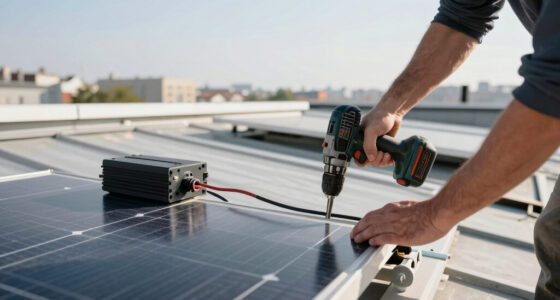
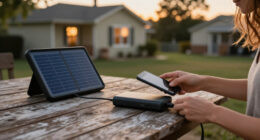
Bundles like the Jackery Explorer 300 with 40W panel look appealing, but a 40W panel in average sunlight delivers maybe 25–30W, meaning a full day of good sun adds only a fraction of a charge. Solar makes sense as a primary source only with 200W of panel or more and sunny conditions. For most buyers, solar is best treated as a way to extend a camping trip by a day or trickle-top a unit in storage, not as the main charging method. If off-grid living is the goal, budget for panels separately at higher wattage rather than defaulting to the bundled option.
When to Pay More — and When Not To
Paying more buys three things: capacity, cycle life, and output headroom. If any of those three maps to a real need — running a fridge, decade-long durability, or high-watt appliances — the premium is justified by models like the Anker SOLIX C2000 Gen 2. If your use case is phone charges, camera batteries, and a camp light, spending above the sub-300Wh tier wastes money that would serve you better on a second unit or a panel. A common pattern: buyers overbuy capacity once, regret the weight, and end up owning two smaller units anyway. Decide first whether you are buying for portability or for backup, because no single model does both well.
Frequently Asked Questions
What size portable power station do I need to run a refrigerator during an outage?
A typical fridge consumes 1–2 kWh per day depending on efficiency and how often the door opens, so a 1,024Wh unit like the EcoFlow DELTA 3 covers roughly a day, while the BLUETTI AC180 at 1,152Wh buys a bit more. For multi-day outages, the 2kWh-plus tier — the Anker SOLIX C2000 Gen 2 or BLUETTI Elite 300 — is the realistic starting point, and the Jackery HomePower 3600 Plus can stretch to several days. Remember that compressor surge can hit 800W or more at startup, so verify the station’s surge rating, not just its continuous output. Also factor in recharge access: a fast-charging midsize unit you can refill at a friend’s house or with solar may outperform a big slow unit.
Is LiFePO4 worth paying extra for over standard lithium-ion?
For regular use, yes. LiFePO4 chemistry tolerates 3,000–6,000 charge cycles before degrading to about 80% capacity, versus roughly 500–800 cycles for older NMC cells, which translates to many more years of service from the same purchase. The tradeoffs are slightly lower energy density — meaning LiFePO4 units are marginally heavier per watt-hour — and a higher upfront price. If you use the station weekly for camping, van life, or job sites, the chemistry pays for itself; if the unit is emergency-only insurance that cycles a few times a year, the premium is harder to justify. Models like the BLUETTI AC180 and ALLWEI 300W show LiFePO4 has reached budget price points, so the gap is narrowing.
Can I take a portable power station on a plane?
Generally no for anything in this roundup. Airline limits cap lithium batteries at 100Wh for carry-on without airline approval, and 160Wh with approval — even the smallest unit here, the 256Wh Jackery Explorer 240D, exceeds both thresholds. Power stations are designed for ground transport: camping, road trips, job sites, and home backup. If you need flight-legal power, look at dedicated power banks in the 27,000mAh range instead. For international travel, ship the station ahead or rent at your destination, since lithium batteries over the limit cannot go in checked baggage under any circumstances.
How long do portable power stations hold a charge in storage?
Expect a self-discharge rate of a few percent per month, so a fully charged unit retains most of its capacity after several months of sitting idle — but do not assume it will be ready after a year of neglect. The better models include a low-power storage mode that balances the cells for long idle periods, and some will self-top-up when plugged in, which is the ideal setup for emergency backup. As a habit, check the charge level every two to three months and top up to around 50–80% rather than leaving the unit drained or pinned at 100%. A station stored empty for a year may arrive at your emergency with a deeply discharged battery that will not take a charge at all.
Should I buy one large station or two smaller ones for the same money?
Two smaller units win on flexibility: one stays in the car for trips while the other sits charged at home for outages, and if one fails you still have power. One large station wins on efficiency — a single 2,048Wh unit runs high-draw appliances like a microwave or space heater that two 1,000Wh units each cannot handle alone, and there is only one thing to recharge. Households that lose power often and need to run a fridge should choose the single large station. Campers, van lifers, and people who mostly charge devices will get more practical value from splitting the budget, since the sub-300Wh tier covers phones, cameras, and lights without the back strain.
Conclusion
The right pick depends entirely on what you are powering. Best overall goes to the Anker SOLIX C1000 Gen 2, which covers camping, work sites, and short outages without the bulk of a whole-home unit. Best value is the ALLWEI 300W or EnginStar 296Wh for buyers who need basic device charging at the lowest entry point, with the caveat of a low output ceiling. Best premium belongs to the Jackery HomePower 3600 Plus for genuine multi-day home backup, with the Anker SOLIX C2000 Gen 2 as the smarter choice if you still want some portability. Best for beginners is the Jackery Explorer 300 — simple, light, and forgiving of first-time mistakes. For specific needs: the EcoFlow DELTA 3 for fast recharge cycles during outages, the BLUETTI AC180 for the best capacity-to-weight ratio in the midsize tier, and the Jackery Explorer 240D as a minimalist car-trunk unit. Whatever you choose, match the wattage and capacity to your actual devices — that single step prevents nearly every regret in this category.
Fall Picks
fall essentials
As an affiliate, we earn on qualifying purchases.