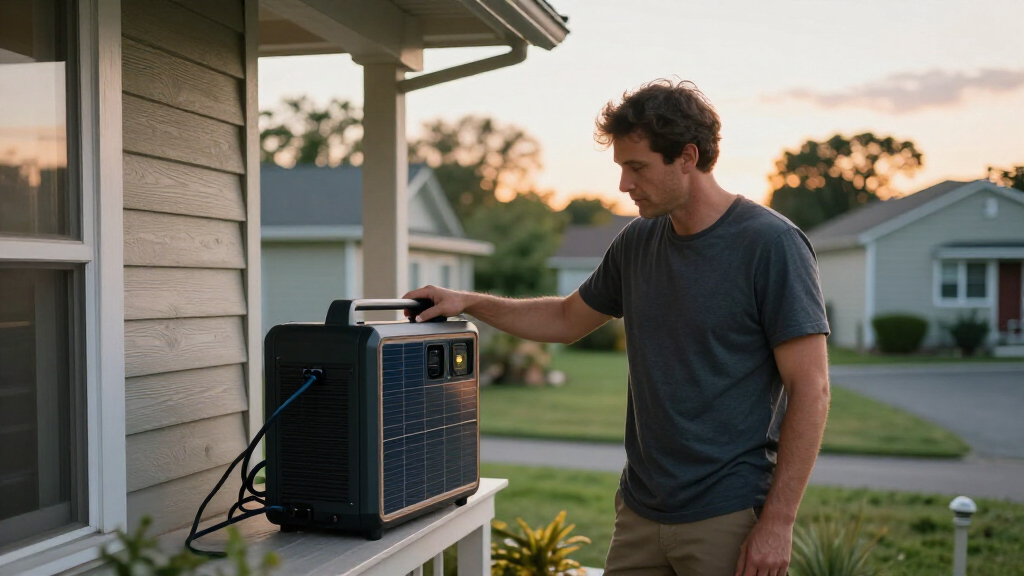

When selecting a solar backup power station, the key considerations are capacity, portability, and expandability. The Jackery HomePower 3600 Plus stands out as the best overall due to its massive 3584Wh capacity and expandability up to 21kWh, making it ideal for home backup. For those prioritizing lightweight portability, the Anker SOLIX C300 offers a compact design perfect for camping. The main tradeoffs here involve balancing power output, size, and price—larger units deliver more backup but are less portable, while smaller models sacrifice capacity for ease of transport. Keep reading for a full breakdown of these options and how to choose the best one for your needs.

Get backup power and energy gear delivered free — and shop member deals
- Fast, free delivery on millions of items
- Access to Prime Big Deal Days deals on October 6–7
- Prime Video, Amazon Music and more included
Complete the kit


Key Takeaways
- The top models combine high capacity with reliable solar input for consistent backup during extended outages.
- Portability varies widely; smaller units are easier to carry but have limited power storage, suitable for camping or light use.
- Expandability features are a game-changer for home backup, allowing future-proofing as needs grow.
- Build quality and battery chemistry (LFP vs. others) significantly influence lifespan and safety.
- Pricing can vary dramatically; understanding your actual power needs prevents overspending on capacity you won’t use.


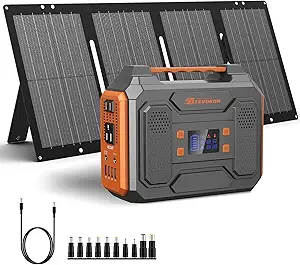


| solar backup power station | Capacity | Battery Type | Weight |
|---|---|---|---|
| Jackery HomePower 3600 Plus Po | 3584Wh, expandable to 21kWh | LFP (Lithium Iron Phosphate) | Lightweight, with wheels and telescopic handle |
| Jackery Explorer 300 Portable | 292Wh | — | 7.5 lbs |
| UDPOWER S1000 Pro Portable Pow | — | LFP (Lithium Iron Phosphate) | — |
| Anker SOLIX C300 Portable Powe | 288Wh | LiFePO4 | — |
| Librids Portable Power Station | 640Wh | LiFePO4 | — |
| Portable Solar Generator 300W | — | — | — |
| Jackery Explorer 1000 v2 Porta | 1070Wh | LFP | 23.8 lbs |
| Takki Solar Generator 120W Pea | — | — | 2.29 lbs |
| Anker SOLIX S2000 Portable Pow | 2010Wh | LiFePO4 | — |
| GRECELL Portable Power Station | 230.88Wh | — | — |
| BROWEY 1600W Portable Power St | 1024Wh | LiFePO4 | — |
| BLUETTI Elite 100 V2 Portable | 1024Wh | — | 25 lbs |
| Portable Power Station 200W wi | — | — | 4.07 lbs |
| BLUETTI Elite 30 V2 Portable P | 288Wh | — | 9.4 lbs |
More Details on Our Top Picks
Jackery HomePower 3600 Plus Portable Power Station, 3600W AC Output, 3584Wh LFP Solar Generator, Expandable up to 21kWh, Home Backup, RV
The Jackery HomePower 3600 Plus stands out for its impressive capacity and expandability, making it ideal for those who need reliable full-home backup or high-power RV support. Unlike the smaller Jackery Explorer models, it offers a massive 3584Wh base capacity that can grow up to 21kWh with additional units, providing flexibility for extensive power needs. Its 3600W continuous output handles most home appliances, while multiple charging options—including AC, solar, and hybrid—boost convenience. The use of durable LFP batteries promises a long lifespan of 6,000 cycles, though the initial investment is higher, particularly because expansion requires multiple units. Its portability, aided by wheels and a telescopic handle, makes it manageable for frequent relocation. However, detailed compatibility with solar panels is limited, requiring careful selection of solar input gear.
Pros:- Massive capacity expandable to 21kWh for whole home backup
- Flexible multiple charging options including solar and hybrid
- Lightweight, portable design with wheels and telescopic handle
- Long-lasting LFP battery with 6,000 cycles
Cons:- Requires multiple units for full home expansion, increasing complexity and cost
- Higher initial price point due to advanced features and expandability
- Limited info on solar panel compatibility may hinder setup
Best for: Homeowners seeking scalable backup power capable of supporting most household appliances during outages.
Not ideal for: Small apartment dwellers or those with minimal backup needs, as the system’s size and cost exceed simple emergency use.
- Power Output:3600W (7200W in parallel)
- Capacity:3584Wh, expandable to 21kWh
- Charging Time:AC in 2.5 hours, Solar in 4 hours, Hybrid in 2 hours
- Battery Type:LFP (Lithium Iron Phosphate)
- Lifespan:6,000 cycles, 10 years
- Weight:Lightweight, with wheels and telescopic handle
Our verdict“This system is best suited for homeowners who want a scalable, reliable backup that can grow with their power needs.”
Jackery Explorer 300 Portable Power Station with 40W Solar Panel
The Jackery Explorer 300 offers a compact, lightweight solution for outdoor enthusiasts and emergency preparedness, weighing only 7.5 lbs. Compared to the larger HomePower 3600 Plus, it provides a much smaller 292Wh capacity, suitable for charging phones, tablets, and small devices without overwhelming portability. Its durable LiFePO4 battery boasts over 4,000 charge cycles, making it a reliable choice for frequent use. Paired with a 40W solar panel, it can recharge efficiently in outdoor settings, though it doesn’t match the rapid charging speeds of larger systems like the Anker SOLIX C300. Its multiple outlets—including USB-C, USB-A, and AC—are versatile, but the limited capacity means it isn’t suitable for powering larger appliances or multiple devices simultaneously for long periods.
Pros:- Extremely lightweight and portable at 7.5 lbs
- Over 4,000 charge cycles for longevity
- Multiple versatile outlets including USB-C PD
- Fast solar charging with compatible panels
Cons:- Limited to 292Wh capacity, suitable only for small devices
- Requires separate purchase of solar panels, adding to total cost
- Not designed for powering larger appliances or high-demand electronics
Best for: Campers, hikers, or emergency kit users who need a portable, reliable power source for small electronics.
Not ideal for: Users seeking to power home appliances or run multiple devices for extended periods, as capacity is too limited.
- Weight:7.5 lbs
- Capacity:292Wh
- AC Outlets:2
- USB-C PD Port:100W
- USB-A Ports:2
- Charge Cycles:over 4,000
- Solar Charging Time:80% in 2.8 hours with 100W panel
Our verdict“Ideal for outdoor adventurers and emergency preppers needing portable power for small devices, not for whole-home backup.”
UDPOWER S1000 Pro Portable Power Station, Solar Generator for Home Backup, RV, Camping
The UDPOWER S1000 Pro excels at providing a robust 2200W continuous output and 3000W surge, making it suitable for running larger home appliances, RV systems, and camping gear. Unlike the smaller Anker SOLIX C300, it offers significantly higher power capacity to handle demanding loads, complemented by a long cycle life of over 3,000 cycles. Its silent operation and professional-grade UPS features add reliability during outages or sensitive electronics operation. Nevertheless, the lack of detailed weight and dimension info makes portability less clear, and it may be heavy for casual outdoor use. Its fast solar charging enhances convenience, but the price and size might be prohibitive for casual users or those with limited space.
Pros:- High continuous and surge power for demanding devices
- Long-lasting battery with over 3000 cycles
- Fast solar charging for efficient recharging
- Professional-grade UPS for uninterrupted power
Cons:- Potentially heavy and bulky, less portable
- Limited info on weight and dimensions
- No listed price, making affordability uncertain
Best for: RVers, homeowners needing to run high-wattage appliances, or those with sensitive electronics requiring UPS protection.
Not ideal for: Individuals with limited space or those seeking a lightweight, portable solution for minimal outdoor use.
- Surge Power:3000W
- Continuous Power:2200W
- Battery Type:LFP (Lithium Iron Phosphate)
- Cycle Life:3000+ cycles
- Switchover Time:<10ms
- Operation Noise:Whisper-quiet
Our verdict“Best suited for users who need reliable, high-power support for home or RV appliances, not for portability or casual outdoor use.”
Anker SOLIX C300 Portable Power Station, 288Wh Solar Generator for Camping
The Anker SOLIX C300 is designed for outdoor use, offering 288Wh of capacity in a compact, impact-resistant body. Compared to the larger Librids 640Wh, it prioritizes portability and quick recharging, making it ideal for camping, hiking, or short-term emergencies. Its 300W continuous output handles small appliances, while the dual USB-C ports deliver up to 140W each for fast device charging. The rapid recharge times—just 50 minutes to 80% from wall—are excellent for outdoor scenarios, but the limited capacity restricts extended use of multiple devices. Compatibility issues with some solar panels, like Anker’s SOLIX PS30, could limit setup options. Its lightweight, rugged design favors outdoor adventurers over those needing high-capacity backup.
Pros:- Lightweight and impact-resistant for outdoor use
- Fast recharge time and solar compatibility
- Multiple USB-C ports with high wattage
- Compact design easy to carry
Cons:- Limited to 288Wh capacity, only for small devices
- Shoulder strap sold separately, adding extra cost
- Not compatible with some solar panels like SOLIX PS30
Best for: Campers and travelers requiring a portable power source for small electronics and short outings.
Not ideal for: Users needing to power larger appliances or run multiple devices for long periods, as capacity and power output are limited.
- Capacity:288Wh
- Power Output:300W (600W Surge)
- USB-C Ports:2x 140W
- USB-A Ports:1x 12W
- AC Outlets:3
- Recharge Time:80% in 50 min
- Battery Type:LiFePO4
Our verdict“Perfect for outdoor enthusiasts needing a portable, quick-recharge power source for small electronics, not for home or high-demand use.”
Librids Portable Power Station 640Wh, 1200W Surge, Solar Generator with 4 AC Outlets
The Librids 640Wh offers a balanced combination of capacity and power, making it a strong choice for backup during outages or outdoor use where sensitive electronics need stable power. Its 4 AC outlets, USB ports, and pure sine wave inverter allow safe operation of delicate devices, while the rapid 1.5-hour recharge from the wall supports quick resupply. Compared to the smaller Anker SOLIX C300, it provides more capacity and outlets, though it is heavier and less portable. Its long cycle life of over 4,000 cycles and 5-year warranty add to its appeal for long-term reliability. However, its indoor-only design and weight may limit outdoor portability, making it better suited for stationary backup or indoor use.
Pros:- Fast charging in just 1.5 hours
- Multiple outlets including 4 AC sockets
- Pure sine wave inverter for safe electronics operation
- Long battery cycle life with 4,000+ cycles
Cons:- Designed for indoor use, not waterproof or weatherproof
- Heavier and less portable than smaller units
- Limited mobility due to size and weight
Best for: Homeowners seeking reliable, safe power for sensitive electronics during outages or indoor backup scenarios.
Not ideal for: Outdoor adventurers who prioritize ultra-lightweight gear or need high portability for camping.
- Capacity:640Wh
- Surge Power:1200W
- Charging Time:1.5 hours
- Battery Type:LiFePO4
- Cycle Life:4000+
- Warranty:5 years
Our verdict“Best for stationary backup in homes or offices needing safe, reliable power for sensitive electronics, not for outdoor portability.”
Portable Solar Generator 300W with 60W Solar Panel
This portable solar generator stands out for its 300W capacity and a high 20.5% solar conversion efficiency, making it a reliable choice for charging small devices outdoors. Compared to the GRECELL 230.88Wh model, it offers more power and versatility, especially with multiple charging options including solar, AC, and car power. However, it isn’t suited for powering larger appliances over 300W, and its junction box isn’t waterproof, which limits durability in harsh weather. Its compact design makes it perfect for camping or emergency kits, but performance may decline if not regularly charged. Overall, this model balances portability with enough power for most outdoor essentials, provided you stay within its size and power limits.
Pros:- High solar conversion efficiency of 20.5% for faster solar charging
- Multiple charging methods including solar, AC, and car power
- Built-in safety protections and cooling system for durability
- Compact and lightweight for outdoor portability
Cons:- Performance may decline if not charged regularly
- Not suitable for devices over 300W or high-power appliances
- Junction box is not waterproof, limiting outdoor durability
Best for: Outdoor enthusiasts, campers, and emergency prepper who need reliable, portable power for small devices
Not ideal for: Home backup users or those needing to run high-power appliances or multiple devices simultaneously
- Power Output:300W
- Solar Panel:60W monocrystalline
- AC Outlets:2 x 300W Max
- DC Port:9V-12.6V/10A max
- USB Ports:3 x 5V/3A, 1 x quick charge 5V/3A 9V/2A
- Charging Methods:AC, solar, car
- Battery Management System:Yes
- Conversion Efficiency:20.5%
Our verdict“This generator is ideal for outdoor users who prioritize portability and moderate power needs in outdoor settings.”
Jackery Explorer 1000 v2 Portable Power Station, 1070Wh, 1500W
The Jackery Explorer 1000 v2 makes the list for its substantial 1070Wh capacity and 1500W AC output, making it suitable for longer trips or emergency power. It outshines smaller models like the Takki 120W generator by offering enough capacity to run multiple devices or small appliances for hours. The fast charging feature, achieving full recharge in just one hour, is a major advantage, though it requires Jackery-specific solar panels, which limits flexibility. Its portable design with a foldable handle makes it easy to carry, but it’s relatively heavy at 23.8 pounds. The reliance on Jackery’s proprietary solar panels can be a drawback for those seeking broader compatibility. This unit is a strong choice for users who need high capacity and quick recharge times, especially during extended outdoor stays.
Pros:- Large 1070Wh capacity for prolonged device operation
- Fast recharge in about one hour for quick turnaround
- Multiple ports including USB-C PD 100W for fast device charging
- Durable design with foldable handle for portability
Cons:- Requires Jackery-specific solar panels, limiting compatibility
- Cannot be delivered to PO Box addresses
- Relatively heavy at nearly 24 pounds for frequent portability
Best for: Campers, road trip enthusiasts, and emergency preppers needing high capacity in a portable form
Not ideal for: Those who want a flexible solar charging setup with third-party panels or need lighter weight options
- Capacity:1070Wh
- AC Output:1500W
- Surge Peak:3000W
- Weight:23.8 lbs
- Charging Time:1 hour
- Battery Type:LFP
Our verdict“This model is best suited for users seeking high capacity and quick recharging with a preference for reliable, brand-specific solar integration.”
Takki Solar Generator 120W Peak Portable Power Station with 21W Solar Panel and 88.8Wh Battery
Compared with larger models like the GRECELL or Jackery 1000, the Takki 88.8Wh generator excels in portability, thanks to its lightweight 2.29-pound frame and foldable 21W solar panel. It’s well-suited for quick power needs during camping or small-scale outdoor activities, especially with multiple output ports and fast charging options. The limited battery capacity, however, restricts its use to devices under 80W, making it unsuitable for running larger appliances or extended use. While its small size is a plus, charging devices while the station itself charges can reduce its lifespan, and it’s not meant for high-power applications. It’s a good backup for small electronics but falls short for those needing sustained power for larger devices.
Pros:- Extremely lightweight and portable for outdoor use
- Multiple charging ports including USB-C PD and quick charge USB-A
- Supports solar, AC, and car charging for flexibility
- Built-in LED flashlight with SOS mode
Cons:- Limited to devices under 80W, not suitable for larger appliances
- Battery capacity may be insufficient for prolonged use
- Charging while in use can reduce battery lifespan
Best for: Hikers, backpackers, and emergency kit owners needing lightweight, quick-charging power for small devices
Not ideal for: Users wanting to run high-power appliances or needing long-term power solutions
- Battery Capacity:88.8Wh
- Power Output:120W peak
- Solar Panel:21W foldable
- Weight:2.29 lbs
- Charging Time (AC):2 hours to 80%
- Output Ports:AC, USB-C PD, USB-A
Our verdict“This generator is ideal for those needing ultra-lightweight power on the go, with limited but quick-charging support for small devices.”
Anker SOLIX S2000 Portable Power Station, 2010Wh, 3000W Peak, Home Backup
The Anker SOLIX S2000 earns its place for its massive 2010Wh capacity and 3000W peak power, making it suitable for home backup and demanding outdoor needs. It surpasses smaller capacities like the GRECELL or Takki for powering essential appliances over longer periods. Its LiFePO4 battery promises a long cycle life of 10,000 cycles, a significant advantage for frequent use. However, it lacks a dedicated 12V DC port, which could limit certain device connections, and it requires additional accessories to enable solar charging, adding complexity and cost. At 35.7 pounds, it’s less portable than smaller units but still manageable for stationary backup or semi-permanent outdoor setups. This model is best for users prioritizing large capacity, long lifespan, and versatile backup capabilities.
Pros:- Enormous 2010Wh capacity supports extended backup periods
- Long-lasting 10,000 cycle battery lifespan
- Multiple recharging options including solar and AC
- Compact design considering its high capacity
Cons:- No 12V DC port, limiting some device connections
- Requires additional accessories for solar input
- Relatively heavy for frequent portability
Best for: Homeowners and outdoor enthusiasts needing reliable, high-capacity backup for essential appliances
Not ideal for: Those seeking lightweight, portable units for short-term outdoor use or lower power needs
- Capacity:2010Wh
- Peak Power:3000W
- Continuous Power:1500W
- Battery Type:LiFePO4
- Battery Cycle Life:10,000 cycles
- Solar Input:up to 400W
Our verdict“This station is best suited for users who need a high-capacity, reliable backup system for home or outdoor use with long-term durability.”
GRECELL Portable Power Station 330W, 230.88Wh Solar Generator
The GRECELL 230.88Wh generator ranks highly for its compact size and versatile output, supporting a range of small devices with a 330W (600W surge) pure sine wave inverter. Compared to the Takki 88.8Wh model, it offers nearly triple the capacity, making it more capable for short-term power needs. Its multiple recharging methods, including solar, AC, and car, provide flexibility for outdoor adventures or emergencies. Its upgraded BMS enhances safety, while dual silent cooling fans help maintain performance. However, its limited capacity restricts use to devices under 80W, and prolonged use of multiple devices may drain the battery quickly. It’s a suitable backup for small electronics but isn’t designed for continuous high-power demands or long-term use.
Pros:- Lightweight and highly portable for outdoor use
- Supports multiple recharging options including solar and car
- Fast charging ports and multiple output types
- Enhanced safety features with upgraded BMS
Cons:- Limited to devices under 330W, unsuitable for high-power appliances
- Battery capacity may not support prolonged multi-device use
- Dependent on compatible solar panels for optimal solar charging
Best for: Campers, emergency kit owners, and outdoor users needing reliable small-scale power
Not ideal for: Individuals seeking to power larger appliances or run multiple devices over extended periods
- Capacity:230.88Wh
- Power Output:330W (600W surge)
- USB-C PD:60W
- USB-A QC:18W
- Ports:AC, USB-C, USB-A, car
- Recharging Methods:AC, solar, car
Our verdict“This generator is best for users needing a portable, small-capacity power source for essential electronics in outdoor or emergency settings.”
BROWEY 1600W Portable Power Station with 1024Wh LiFePO4 Battery and Built-in Solar Panel
This option stands out for its high capacity and robust power output, offering 1600W (3200W peak) with a 1024Wh LiFePO4 battery that ensures long-term reliability. Unlike the BLUETTI Elite 30 V2, which is more lightweight but has significantly less capacity, the BROWEY provides ample juice for larger appliances or extended outages. Its built-in solar panel simplifies setup, yet relies on sunlight for optimal charging, which can be limiting in overcast conditions. The multiple charging options—including AC, car, and solar—make it versatile for camping, RV use, or emergency backup. However, it’s heavier and bulkier than portable models like the BLUETTI Elite 30 V2, making it less convenient for frequent hauling. It’s best suited to users prioritizing capacity and solar integration over portability, despite its higher price and weight.
Pros:- High-capacity 1024Wh LiFePO4 battery with long lifespan
- Built-in solar panel with fast charging capabilities
- Multiple charging options including AC, car, and solar
- Safe, reliable operation with advanced BMS protection
Cons:- Relatively heavy and bulky for portable use
- Higher price point compared to basic models
- Requires sunlight for optimal solar charging
Best for: Families or outdoor enthusiasts needing high-capacity, renewable power for extended use or larger appliances
Not ideal for: Solo campers or hikers who require a lightweight, easily portable power station for short trips
- Power Output:1600W (3200W peak)
- Capacity:1024Wh
- Battery Type:LiFePO4
- Charging Time:3 hours to 80%
- Ports:8 (AC/DC/USB-C PD 100W)
Our verdict“This power station is ideal for users needing substantial capacity and renewable energy options, accepting the tradeoff of weight and cost.”
BLUETTI Elite 100 V2 Portable Power Station for Camping 1024Wh 1800W
Compared with the BROWEY, the BLUETTI Elite 100 V2 offers similar capacity in a lighter, more portable form factor, weighing only 25 pounds and fitting comfortably in a backpack or vehicle. Its 1800W AC output is sufficient for most camping needs and some emergency appliances, but it falls short of the high wattage capacity of the BROWEY, making it less suited to power larger appliances. The fast 70-minute charging time and app control make it convenient for quick setups and remote management, yet the need for a separate solar panel means additional investment if off-grid recharging is desired. Its long lifespan of over 4,000 cycles adds value, but the price may be a barrier for budget-conscious buyers. This pick makes the most sense for those seeking a lightweight, tech-savvy backup that balances capacity and portability, with some compromises on high-wattage power.
Pros:- Lightweight at 25 lbs for easy portability
- Fast charging in about 70 minutes
- Long-lasting LiFePO4 batteries with over 4,000 cycles
- App control for remote operation
Cons:- Limited to 1800W AC output, restricting high-wattage use
- Requires additional investment for solar panel
- Price not specified, potentially costly
Best for: Campers or outdoor users who need a lightweight, feature-rich power station for moderate appliances
Not ideal for: Heavy-duty users needing to run high-wattage appliances or extended off-grid power without additional solar setup
- Capacity:1024Wh
- AC Output:1800W (2700W surge)
- Weight:25 lbs
- Charging Time:70 minutes
- Lifespan:Over 4,000 cycles
Our verdict“This station is well-suited for those needing portable, feature-rich power, accepting limitations in high-wattage appliances and additional solar investment.”
Portable Power Station 200W with 40800mAh Battery and Multiple Outlets
This model offers a highly portable solution with a 151Wh (40800mAh) capacity, ideal for small devices and light camping needs. Like the BLUETTI Elite 30 V2, it provides multiple outlets, but with much lower power output—only 200W—limiting its ability to run larger appliances or multiple devices simultaneously for extended periods. Its lightweight at just over 4 lbs, and with an LCD display for easy monitoring, it’s perfect for short trips or emergency use where portability outweighs capacity. The absence of an included solar panel and longer recharging times via solar or wall mean it’s more suited for quick, low-power scenarios. This pick is best for users prioritizing affordability and portability over high power or longer off-grid use.
Pros:- Very lightweight at 4.07 lbs
- Multiple output options including USB and AC
- Easy-to-read LCD display for monitoring
Cons:- Limited to 200W output, unsuitable for larger appliances
- No included solar panel, increasing total setup cost
- Recharging via solar panel takes longer without dedicated panel
Best for: Lightweight travelers or emergency kit owners needing portable power for small devices
Not ideal for: Users requiring to power high-wattage appliances or run devices for extended durations
- Battery Capacity:151Wh (40800mAh)
- AC Output:200W
- Weight:4.07 lbs
- Recharging Time (AC):4-4.5 hours
- Recharging Time (Solar):5-6 hours
Our verdict“This compact power station is best for occasional, low-power needs where portability is the main priority, despite limited capacity.”
BLUETTI Elite 30 V2 Portable Power Station 288Wh 600W LFP Solar Generator
Compared to the other BLUETTI models, the Elite 30 V2 offers a much smaller capacity at 288Wh and a continuous 600W output, making it suitable for powering essential devices like laptops, CPAP machines, or small appliances during short outages or outdoor activities. Its lightweight at under 10 lbs makes it extremely portable, ideal for emergency kits or outdoor adventures. While its capacity limits long-term or high-power use, the fast charging and multiple input options make it a reliable backup for critical devices. The expandable surge capacity to 1500W adds flexibility, but it’s not suitable for running large appliances or prolonged off-grid power without additional panels. This model suits users needing quick, dependable power for essential devices in a compact, portable form.
Pros:- Lightweight at 9.4 lbs, highly portable
- High power output suitable for a range of critical devices
- Fast charging with multiple modes
- Reliable UPS functionality
Cons:- Limited capacity for extended power needs
- May require additional solar panels for off-grid recharging
- Price not specified, potentially costly
Best for: Outdoor enthusiasts or emergency preparedness owners needing portable, reliable power for critical devices
Not ideal for: Those seeking to power large appliances or for extended off-grid energy without additional solar panels
- Capacity:288Wh
- Continuous Power:600W
- Surge Power:1500W
- Weight:9.4 lbs
- Charging Modes:AC, solar, car
Our verdict“This compact, lightweight generator is perfect for critical device backup and outdoor use, with limited capacity for prolonged power needs.”
How We Picked
We evaluated each solar backup power station based on capacity, solar input compatibility, portability, build quality, and price. Units with higher watt-hour ratings and robust solar charging options ranked higher for home backup, while lightweight models scored well for portability and outdoor use. Expandability and battery chemistry were also key factors, as they influence long-term reliability and safety. We ranked products to balance performance with value, highlighting options suitable for different user needs—from emergency home backup to portable camping units. Our goal was to identify models that offer the best blend of power, usability, and durability for 2026.| solar backup power station | Battery Type |
|---|---|
| Jackery HomePower 3600 Plus Po | LFP (Lithium Iron Phosphate) |
| Jackery Explorer 300 Portable | — |
| UDPOWER S1000 Pro Portable Pow | LFP (Lithium Iron Phosphate) |
| Anker SOLIX C300 Portable Powe | LiFePO4 |
| Librids Portable Power Station | LiFePO4 |
| Portable Solar Generator 300W | — |
| Jackery Explorer 1000 v2 Porta | LFP |
| Takki Solar Generator 120W Pea | — |
| Anker SOLIX S2000 Portable Pow | LiFePO4 |
| GRECELL Portable Power Station | — |
| BROWEY 1600W Portable Power St | LiFePO4 |
| BLUETTI Elite 100 V2 Portable | — |
| Portable Power Station 200W wi | — |
| BLUETTI Elite 30 V2 Portable P | — |
Factors to Consider When Choosing Solar Backup Power Stations
Choosing the right solar backup power station involves more than just capacity. Buyers should consider how their intended use affects what features matter most, and understand the tradeoffs involved in different models. Here are some key factors to evaluate beyond the specs listed in reviews:Capacity and Power Output
The capacity, measured in watt-hours (Wh), determines how long your devices can run during an outage. If you need to power larger appliances or multiple devices simultaneously, opt for higher capacity units. However, higher capacity often means increased size and cost. Consider your actual energy needs—overestimating can lead to unnecessary expense, while underestimating might leave you short during emergencies.
Portability and Size
If you plan to use your power station outdoors or for camping, weight and size become critical factors. Smaller, lighter models are easier to carry but usually have limited capacity. Conversely, larger units with substantial power reserves tend to be heavier and less convenient to move. Balance your portability needs with your backup power requirements to avoid frustration or overinvestment.
Solar Input and Recharging Speed
The ability to recharge via solar panels quickly and efficiently is vital, especially during prolonged outages. Look for units with higher solar input ratings if fast recharging is important. Keep in mind that real-world solar charging depends on panel quality, sunlight conditions, and compatibility—so verify that your panels match the station’s specifications. Faster recharging reduces downtime and enhances reliability.
Battery Chemistry and Longevity
Battery chemistry impacts lifespan, safety, and maintenance. Lithium Iron Phosphate (LFP) batteries, found in some models, generally offer longer cycle life and higher thermal stability compared to standard lithium-ion types. Investing in a unit with durable chemistry can mean fewer replacements over years, providing better long-term value. However, these models often come at a higher initial price.
Price and Value
Price varies significantly based on capacity, features, and build quality. It’s tempting to choose the cheapest option, but this can lead to limitations in performance or lifespan. Prioritize models that meet your core needs, and consider long-term costs like maintenance or replacement batteries. Sometimes, paying a premium upfront results in better reliability and savings over time.
Frequently Asked Questions
How long can a solar backup power station run my devices during an outage?
The runtime depends on the station’s capacity and the power consumption of your devices. For example, a 1000Wh unit can typically power a 100W device for about 10 hours, assuming no energy losses. Larger units with more Wh will last longer, but always factor in efficiency and surge requirements. Planning for peak power draw ensures you don’t overestimate your backup duration.
Can I expand the capacity of my solar backup power station later?
Many modern units offer expandability via additional batteries or connection to external panels. This flexibility is ideal if your needs grow over time or if you want to extend backup duration. However, not all models support expansion, so confirm compatibility before purchase. Incorporating expandable options from the start can save money and hassle down the line.
How do I choose the right solar panels to recharge my station?
Select panels that match the input specifications of your power station; higher wattage panels can recharge faster but must be compatible. Monocrystalline panels typically offer higher efficiency, making them preferable in limited space. Consider portable panel options if mobility is a priority, and always check for weather resistance and durability to ensure longevity in outdoor conditions.
Are lithium Iron Phosphate (LFP) batteries worth the extra cost?
LFP batteries tend to last longer—often over 2000 charge cycles—and are more thermally stable and safer than standard lithium-ion batteries. While they usually come with a higher upfront price, their durability means fewer replacements and potentially lower long-term costs. For those prioritizing reliability and lifespan, investing in LFP is a wise choice.
What should I consider if I want a portable power station for camping?
For camping, prioritize lightweight, compact units with sufficient capacity to power your essentials. Look for models with built-in handles and rugged design for outdoor use. Recharging via solar panels is a plus, especially if you’re off-grid for extended periods. Balance your power needs with portability to prevent carrying more weight than necessary, and verify that the station has enough outlets for your devices.
Conclusion
For most users, the Jackery HomePower 3600 Plus offers the best overall balance of capacity, expandability, and reliability, making it ideal for home backup. If you’re seeking the best value, models like the Anker SOLIX C300 provide solid performance at a more accessible price point. Those new to portable power should consider the Takki Solar Generator 120W for simplicity and basic functionality. For outdoor enthusiasts, compact options like the Anker SOLIX C300 or the BLUETTI Elite 1024Wh serve well, while premium buyers seeking durability and extensive capacity will find the Anker SOLIX S2000 or Jackery Explorer 1000 v2 compelling choices. Your ideal pick depends on your specific backup needs, budget, and portability priorities.
Fall Picks
fall essentials
As an affiliate, we earn on qualifying purchases.