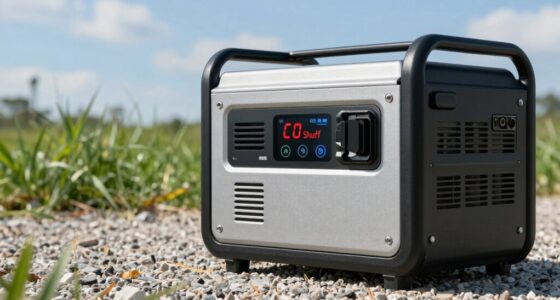

Starting with strong home safety habits guarantees you use backup power safely and effectively during outages. By keeping smoke and carbon monoxide detectors functioning, organizing emergency supplies, and safeguarding electronics with surge protectors, you reduce risks of accidents and damage. Knowing how to operate your generator properly and familiarizing yourself with safety procedures help prevent dangerous fumes and electrical issues. If you want to make certain your backup power is reliable and safe, there’s more you should know to keep your home protected.

Get backup power and energy gear delivered free — and shop member deals
- Fast, free delivery on millions of items
- Access to Prime Big Deal Days deals on October 6–7
- Prime Video, Amazon Music and more included
Key Takeaways
- Home safety habits ensure proper generator placement and operation, preventing accidents and carbon monoxide poisoning.
- Regular maintenance and safety checks reduce the risk of generator failure during outages.
- Preparedness practices, like installing detectors and organizing supplies, protect household members during power failures.
- Safe habits minimize hazards such as electrical surges and fumes, enhancing overall emergency response.
- Establishing safety routines improves readiness, ensuring backup power is used effectively and safely during blackouts.
Power outages can strike unexpectedly, leaving your home vulnerable and disrupting daily life. When the lights go out, you might find yourself scrambling to find flashlights or calling your utility company for updates. But beyond just having backup power, it’s vital to prioritize your home safety habits first. Properly maintaining your generator is a key part of this. Regular generator maintenance ensures your backup power system is ready to activate when needed, preventing failures during emergencies. You don’t want to discover a mechanical issue only when the power’s out, so schedule routine inspections, change filters, and test your generator periodically. This proactive approach helps you avoid costly repairs and guarantees your generator functions smoothly during an outage.
Regular generator maintenance ensures reliable backup power during outages and prevents costly emergency repairs.
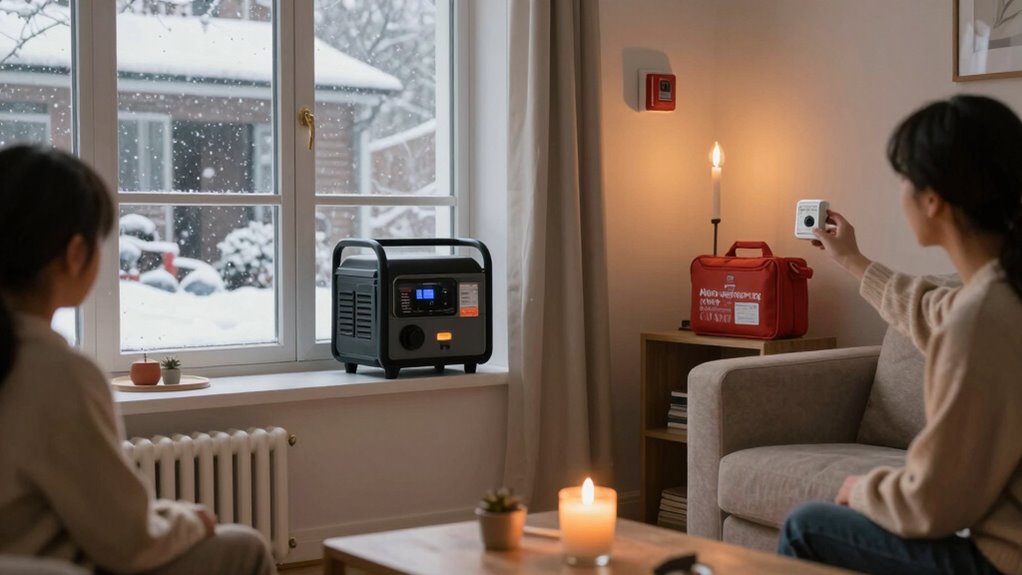
Emergency preparedness isn’t just about having a generator; it’s about integrating it into a broader safety plan. Before a power outage occurs, you should identify safe locations to operate your generator, keeping it away from windows, vents, and enclosed spaces to prevent carbon monoxide buildup. Never run a generator indoors or in a garage, even if doors are open. Installing carbon monoxide detectors near your generator and sleeping areas adds an extra layer of safety, alerting you to any dangerous fumes. It’s also wise to have a well-stocked emergency kit with essentials like water, non-perishable food, batteries, and first aid supplies. Being prepared minimizes panic and helps you respond effectively when the power goes out. Additionally, understanding biodiversity and how to protect local ecosystems can help you create a more resilient environment around your home, reducing hazards during outages. Creating a disaster preparedness plan and practicing it periodically can significantly improve your response during emergencies.
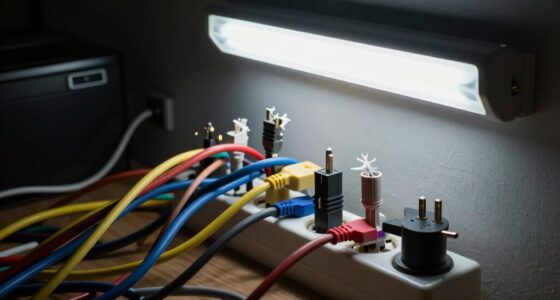
Starting with good home safety habits also means securing your home against potential hazards during an outage. Make sure your smoke detectors are working, and consider installing surge protectors to guard valuable electronics from voltage spikes when power is restored. Keep your mobile devices charged so you can stay informed through weather alerts and emergency updates. It’s also beneficial to familiarize yourself with local disaster response procedures so you know the best actions to take in different scenarios. Additionally, organize your emergency supplies in a designated place, so you can access them quickly when needed. Practicing home safety habits regularly can significantly reduce risks and ensure your family’s safety during blackouts. These habits minimize risks and keep your family safe, even during unexpected blackouts.
home backup generator safety kit
As an affiliate, we earn on qualifying purchases.
As an affiliate, we earn on qualifying purchases.
Frequently Asked Questions
How Often Should I Test My Backup Power System?
You should test your backup power system at least once every three to six months. Following a regular maintenance schedule guarantees your system functions when needed. During tests, check the battery life and connections, replacing batteries as recommended by the manufacturer. Regular testing helps identify issues early, preventing surprises during an outage. Staying proactive keeps your backup power reliable, safeguarding your home and loved ones when the power goes out.
What Are Common Safety Mistakes During Power Outages?
During power outages, you risk turning into a firefighter chasing electrical hazards and fire risks. Common safety mistakes include using generators improperly, like running them indoors or near vents, which can cause carbon monoxide poisoning. Overloading circuits or attempting repairs without proper knowledge can also spark electrical hazards. Always keep generators outdoors, away from windows, and avoid handling electrical equipment with wet hands to prevent dangerous accidents.
Can Backup Generators Cause Carbon Monoxide Poisoning?
Yes, backup generators can cause carbon monoxide poisoning if not used properly. You need to be careful with generator placement—always keep it outdoors and away from windows, doors, and vents. Poor placement increases carbon monoxide risks, which can be deadly. Never operate a generator inside your home, garage, or enclosed space. Proper placement and ventilation are essential to prevent dangerous buildup and keep your family safe during outages.
Are There Safety Concerns With Using Extension Cords?
Using extension cords can pose safety concerns if you’re not careful. Poorly rated or damaged cords can lead to electrical hazards like sparks, shocks, or fires. Always follow extension cord safety tips—use cords with the right gauge for your appliances, avoid overloading, and check for damage regularly. Never run cords under rugs or through doors, and unplug them when not in use to prevent electrical hazards.
How Do I Ensure My Family Knows Emergency Procedures?
Think of your family as a well-oiled machine; clear communication keeps it running smoothly. To guarantee everyone knows emergency procedures, hold regular family communication sessions, like emergency drills, where you practice safety steps together. Make it engaging, so your loved ones remember vital actions during real crises. Reinforce these routines often, so when an emergency strikes, everyone reacts confidently, keeping your family safe and prepared.
carbon monoxide detector for generator area
As an affiliate, we earn on qualifying purchases.
As an affiliate, we earn on qualifying purchases.
Conclusion
So, while backup power might seem like the ultimate safety net, don’t forget that your best defense is still practicing good home safety habits. Ironically, the very habits that keep you safe during a blackout—like unplugging devices or avoiding flooded areas—are easy to overlook when you’re enthusiastic for power. Remember, a reliable backup doesn’t replace common sense. Stay prepared, stay safe, and let your good habits be your first line of defense—power or no power.
surge protector power strip for electronics
As an affiliate, we earn on qualifying purchases.
As an affiliate, we earn on qualifying purchases.
emergency preparedness kit with water and first aid
As an affiliate, we earn on qualifying purchases.
As an affiliate, we earn on qualifying purchases.
Fall Picks
fall essentials
As an affiliate, we earn on qualifying purchases.