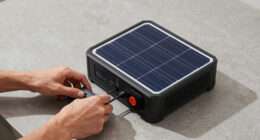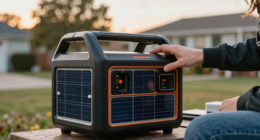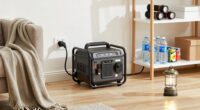
Many common power outage beliefs waste your money and time. You might think you need a generator for every outage or that power banks can run your entire home. Some assume all surge protectors are equal or underestimate solar panels’ limits. Relying solely on emergency supplies or turning devices off isn’t enough. DIY repairs can be dangerous if you’re untrained. Staying informed helps you avoid these costly mistakes—exploring these myths will show you smarter ways to prepare.
Key Takeaways
- Not all outages require expensive generators; automation and backup plans often suffice for short-term power loss.
- Solar panels are limited during outages due to weather, shorter days, and battery capacity, making them unreliable backup sources.
- Emergency supplies like food and water don’t address critical needs such as heating, communication, or power, leading to incomplete preparedness.
- Turning off devices during outages can cause overheating and circuit issues; leaving them plugged in with proper cooling is safer.
- High-quality surge protectors and appropriate backup equipment are essential, as cheap options may not provide adequate device protection.

Jackery Portable Power Station Explorer 300, 293Wh Backup Lithium Battery, Solar Generator for Outdoors Camping Travel Hunting Blackout (Solar Panel Optional)
SPEED UP YOUR RECHARGEABILITY: It takes only 2 hours to recharge 80% battery of the power station through...
As an affiliate, we earn on qualifying purchases.
Believing You Need a Generator for Every Outage
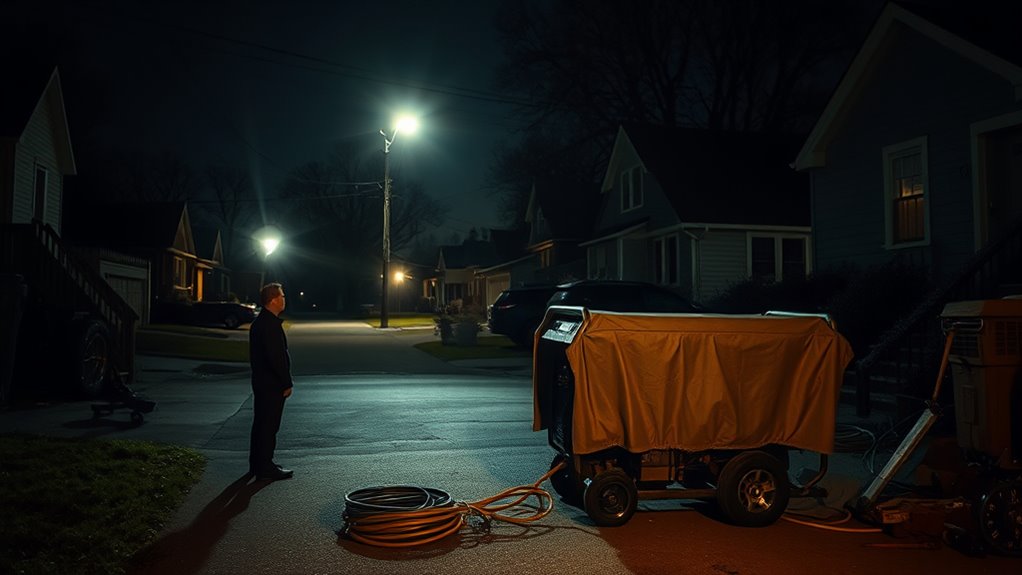
Many people believe they need a generator for every power outage, but that’s not always the case. Modern home automation systems can often manage short outages smoothly, reducing the need for a generator. Instead of rushing to buy one, consider a backup fuel plan that guarantees your generator runs when necessary. Not every outage lasts long enough to justify the cost and maintenance of a generator. Plus, smaller, targeted backup solutions can support essential devices without the expense of powering your entire home. Think about your specific needs—if you only want to keep critical systems running, a backup fuel supply for a portable generator might be enough. This approach saves money and avoids unnecessary clutter while still providing peace of mind during outages. Understanding electrical concepts can help you choose the most effective backup solution for your home. Additionally, evaluating your home’s power needs ensures that your backup plan is both reliable and cost-effective. Properly assessing your backup options can prevent overinvestment and ensure you’re prepared without unnecessary expenses. Considering home automation systems can further optimize your power management during outages, making your backup plan even more efficient. Recognizing the limitations of small generators helps prevent reliance on inadequate power sources during extended outages.

Anker SOLIX C1000 Gen 2 Portable Power Station, 2,000W (Peak 3,000W) Solar Generator, Full Charge in 49 Min, 1,024Wh LiFePO4 Battery for Home Backup, Power Outages, and Camping (Optional Solar Panel)
49 Min UltraFast Recharging: With upgraded HyperFlash tech, fully recharge at 1,600W—for outage prepping, camping trips, or tailgating...
As an affiliate, we earn on qualifying purchases.
Thinking Power Banks Can Power Your Entire Home

While power banks have become popular for charging devices on the go, believing they can power your entire home is a common misconception. Most power banks have limited battery capacity, designed to charge smartphones or tablets, not run household appliances. Their size and power output simply can’t meet the demands of an entire home’s electrical system. Power bank limitations mean they can only support small devices or essential gadgets for a short period. Attempting to use a standard power bank as a home backup can lead to frustration, wasted money, and potential damage to your devices. For reliable home backup during outages, investing in a dedicated generator or a large-capacity home battery system is necessary. Power banks aren’t built to replace these solutions. Additionally, understanding the difference between portable power sources and home energy storage systems is crucial for making informed decisions. Recognizing that power capacity varies greatly among different backup options helps prevent overestimating what portable devices can handle during an outage. A comprehensive understanding of connected home energy solutions can help you choose the most effective backup method tailored to your needs. Being aware of safe operation practices is essential to prevent hazards when using backup power systems. Moreover, evaluating the total cost of ownership ensures that your backup power solution remains affordable and sustainable over time.

APC UPS 600VA / 330W UPS Battery Backup & Surge Protector, 7 Outlets (NEMA 5-15R), USB Charging Port, BE600M1 Uninterruptible Power Supply for Computers, Wi-Fi Routers, and Home Office Electronics
KEEP YOUR COMPUTER, WI-FI AND ROUTER RUNNING THROUGH POWER OUTAGES: Supplies short‑term battery power during outages to maintain...
As an affiliate, we earn on qualifying purchases.
Assuming All Surge Protectors Are Created Equal
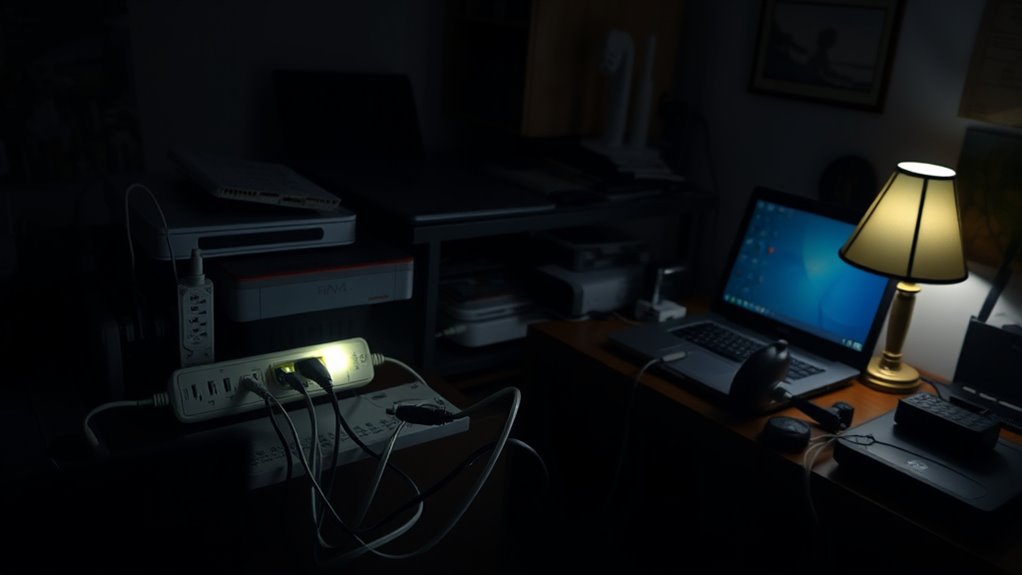
Not all surge protectors offer the same level of protection. Some are built with higher-quality components, while others may fall short during a surge. You need to choose wisely to guarantee your devices stay safe. Understanding thermal behavior in surge protection can help you select devices that dissipate heat effectively and maintain performance during power spikes. Additionally, considering electrical load management can ensure your surge protector is not overwhelmed, prolonging its lifespan and effectiveness. Proper maintenance practices also play a vital role in ensuring your surge protection remains reliable over time. Being aware of component durability can help you select surge protectors that withstand repeated surges without degradation. Recognizing thermal limits is essential for preventing overheating and potential failure.
Quality Varies Significantly
Assuming all surge protectors are created equal is a common misconception, but in reality, their quality varies widely. Higher-quality protectors ensure better power quality and voltage stability, which are critical for your devices’ longevity. Cheaper options may only block minor surges, leaving your equipment vulnerable to fluctuating power. Imagine plugging in your computer and expecting consistent performance, only to experience subtle drops and spikes. Visualize a surge protector with:
- Robust internal components
- Reliable grounding
- Clearer indicator lights
- Durable construction
These features make a difference in how well your surge protector shields your devices from unpredictable power conditions. Skimping on quality can lead to more frequent failures, risking damage and costly replacements. Investing in a high-quality surge protector ensures better power stability and peace of mind. Additionally, understanding energy-efficient design principles can help you select options that reduce overall electricity costs while providing reliable protection.
Not All Protect Against Surges
Many surge protectors don’t offer the same level of protection, so you can’t assume all will shield your devices effectively. Not all surge protectors handle power surge misconceptions equally, and some have significant limitations. Some only protect against minor surges or have a low energy absorption capacity, leaving your electronics vulnerable during bigger spikes. To understand their capabilities, consider this comparison:
| Feature | Basic Surge Protector | High-Quality Surge Protector |
|---|---|---|
| Surge Capacity | Low | High |
| Indicator Lights | No | Yes |
| Clamping Voltage | High | Low |
| Warranty | Limited | Extended |
| Protection Level | Basic | Advanced |
Knowing these surge protector limitations helps you choose smarter, avoiding wasted money on ineffective devices. Vetted information about surge protector capabilities can guide you in selecting the right device for your needs.

GOLDENMATE 1000VA/800W Lithium UPS Battery Backup and Surge Protector, Backup Battery Power Supply with LiFePO4 Batteries(230.4 Wh), Sinewave UPS System, 10 Years Lifespan, 8 Outlets, LCD Display
[LiFePO4 Battery, Ultra-long Endurance]: This lithium UPS is equipped with a state-of-the-art Lithium Iron Phosphate Battery Pack, delivering...
As an affiliate, we earn on qualifying purchases.
Over-Estimating the Effectiveness of Solar Panels During Outages
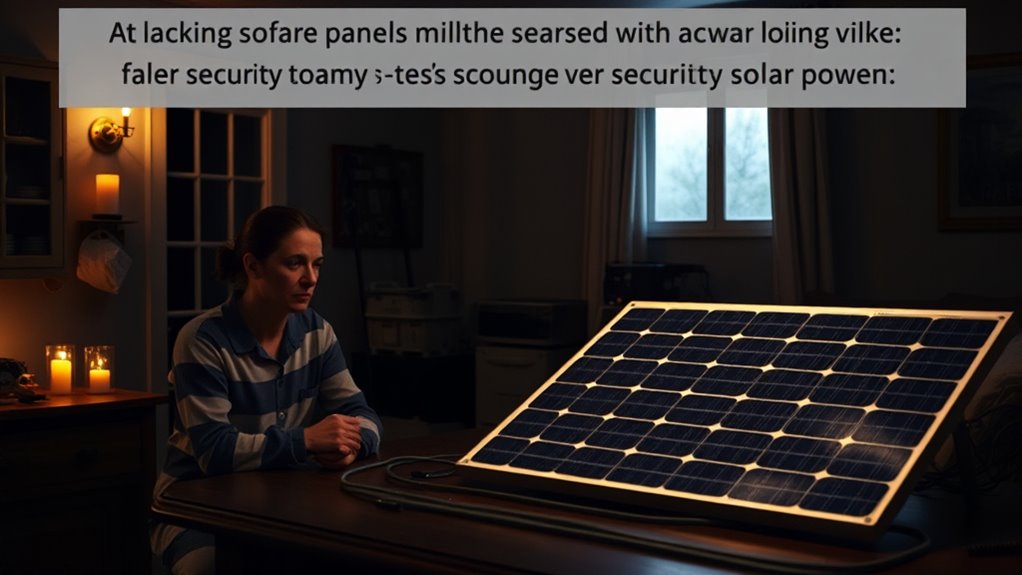
Solar panels are often marketed as reliable sources of power during outages, but their effectiveness is frequently overestimated. While they can provide some energy, solar panel limitations mean they won’t run everything continuously. During extended outage durations, sunlight availability drops, reducing power output. You might imagine shining panels powering your entire home, but in reality, several factors limit their usefulness:
- Cloudy, rainy, or snowy weather blocks sunlight
- Shorter winter days mean less energy
- Batteries can only store so much power
- Panels need direct sunlight, which isn’t always available
These limitations mean solar panels aren’t a foolproof backup during long outages. Relying solely on them can leave you stranded once the sun sets or conditions worsen.
Relying on Emergency Food and Water as a Complete Solution
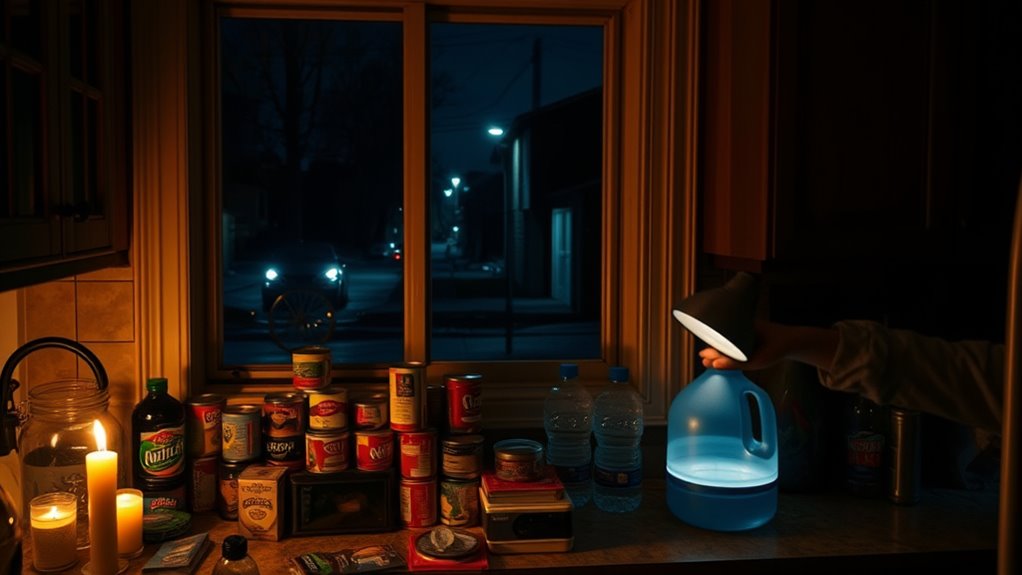
Relying solely on emergency food and water might seem like a straightforward way to prepare for power outages, but it doesn’t address all the challenges you’ll face. Food storage is essential, but it’s only part of effective emergency preparedness. Without proper planning, you may run out of essentials or lack variety, making survival difficult. Additionally, storing perishable items isn’t enough; you need access to cooking methods and sanitation. Here’s a quick overview of key considerations:
| Item | Importance | Tips |
|---|---|---|
| Food Storage | Ensures long-term sustenance | Rotate stock regularly |
| Water Supply | Critical for hydration | Store in safe containers |
| Cooking Gear | Enables meal preparation | Use durable, portable options |
| Sanitation | Maintains health and hygiene | Keep cleaning supplies ready |
Effective emergency preparedness also involves understanding water purification techniques to ensure your water remains safe to drink during extended outages. Emergency preparedness requires more than just food and water; plan for all aspects to stay safe.
Thinking That Turning Off Devices Prevents Damage
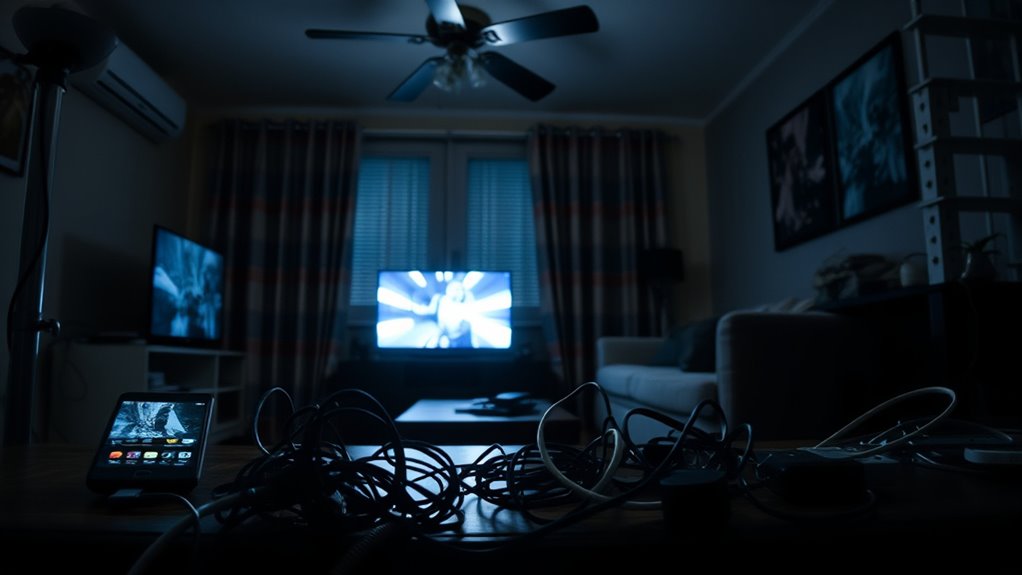
Turning off your devices during a power outage might seem like a simple way to prevent damage, but it can actually do more harm than good. When you power them down, you interrupt device cooling, which helps prevent overheating. Additionally, turning devices off may cause circuit resetting issues when power is restored, potentially leading to surges. Imagine:
- Your electronics sitting idle, overheating without proper cooling
- Power cycling causing unexpected circuit resets
- Sudden surges damaging sensitive components
- Longer recovery times when devices are powered back on
- Proper device cooling helps maintain electronics’ safety and longevity during outages
Furthermore, electronic cooling mechanisms are designed to operate effectively when devices are left on, ensuring components stay within safe temperature ranges. Proper power management can prevent unnecessary damage by maintaining device operation during outages. Instead of turning everything off, leave devices plugged in but unplug sensitive electronics to avoid surges. This allows for adequate device cooling and prevents circuit resetting problems, reducing the risk of damage and saving you time and money during a power outage. Additionally, understanding the heat dissipation process can help you make better decisions about device handling during outages.
Believing That Cell Phones Will Always Work During Power Failures

Many people assume that their cell phones will always work during a power outage, but this isn’t necessarily true. Even if your phone has a full battery, cell phone charging stations and cell towers may be offline due to power failures or infrastructure damage. Without power, emergency communication becomes unreliable, and you might find yourself unable to make calls or send messages when you need them most. Relying solely on your cell phone for emergency updates or calling for help can be a mistake. To stay connected, consider keeping a portable charger or a backup power bank on hand. Additionally, Free Floating environments may lack the infrastructure needed to support cell service during outages. It’s also important to remember that emergency communication systems often depend on a stable power supply, which can be compromised during outages. Don’t assume your cell phone will always be operational—prepare ahead to ensure you can communicate during outages.
Assuming DIY Repairs Are Safe and Effective
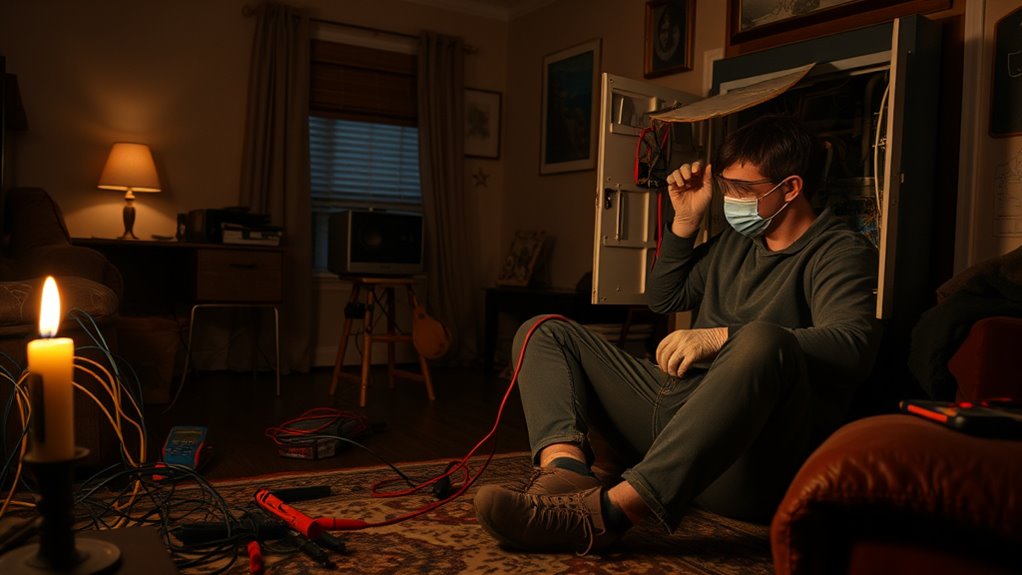
Assuming DIY repairs are safe can lead to serious risks like electrical shocks and property damage. Without proper troubleshooting, you might misidentify the problem and make it worse. It’s better to trust professionals to handle electrical issues safely and effectively. Relying on security system expertise ensures your home remains protected without unnecessary hazards. Additionally, attempting repairs without proper knowledge can compromise the functionality of your air purifier, leading to further issues and potential health risks. Recognizing the importance of ethical responsibility in electrical work helps prevent accidents and ensures safety standards are maintained.
Risks of Electrical Shock
Have you considered the dangers of electrical shock when attempting DIY repairs? Ignoring electrical safety can lead to serious injury or even death. Shock prevention is essential, but many underestimate the risks involved. When working with live wires, imagine:
- Sparks flying from unexpected contact
- Sudden muscle contractions pulling your hand away
- Hidden wiring that delivers a jolt
- Long-term nerve damage from a severe shock
Even minor shocks can cause burns or heart issues. Always turn off power at the source, use insulated tools, and wear protective gear. Never assume you’re immune to shock, and avoid shortcuts. Proper electrical safety practices are critical to protect yourself and ensure repairs are safe and effective. Remember: safety should never be compromised.
Inaccurate Troubleshooting Methods
Relying on inaccurate troubleshooting methods can lead you to false conclusions about electrical issues, making repairs ineffective or even dangerous. You might assume your home automation system is causing the outage when, in fact, a faulty circuit breaker is to blame. Misdiagnosing problems can also lead you to overlook essential backup power solutions that could keep your home running smoothly. Here’s a quick comparison:
| DIY Troubleshooting Approach | Potential Risks or Limitations |
|---|---|
| Resetting circuit breakers | Ignoring underlying faults |
| Replacing fuses without testing | Causing further damage or hazards |
| Ignoring professional assessments | Missing complex electrical issues |
| Relying solely on online fixes | Overlooking specific system needs |
| Assuming smart devices are at fault | Overlooking power supply problems |
Always verify issues with a qualified electrician to avoid costly mistakes.
Potential Property Damage
Believing that DIY repairs are always safe and effective can lead you to overlook potential property damage. When tackling electrical issues during a power outage, you risk creating fire hazards or damaging appliances. Improper fixes might cause:
- Sparks or overheating near wiring
- Burned-out or fried appliances
- Hidden short circuits that ignite later
- Damage to outlets or circuit breakers
These hazards not only threaten your safety but can also lead to costly repairs. Rushing to fix electrical problems without proper knowledge might seem quick and easy, but it increases the risk of property damage. Instead, consider calling a professional to prevent long-term issues and ensure your home remains safe and intact. Don’t let false confidence turn a small fix into a costly disaster.
Overlooking Simple Preparations That Save Money and Time

Many people overlook simple preparations that can prevent unnecessary expenses and save valuable time during a power outage. Having an emergency kit ready guarantees you have essentials like batteries, flashlights, and non-perishable food, reducing the need for last-minute purchases. Proper power management, such as unplugging devices and using surge protectors, safeguards your electronics and prevents damage that could lead to costly repairs. Planning ahead allows you to stay comfortable and safe without wasting money on temporary solutions. Small steps like charging devices beforehand and storing water can make a significant difference. These straightforward actions help you avoid panic spending and reduce downtime, making power outages less disruptive and more manageable. Staying prepared is your best defense against unexpected outages.
Frequently Asked Questions
Can Small Backup Batteries Really Keep My Home Running?
Small backup batteries can’t fully keep your home running, but they can power essential devices during outages. Your battery capacity determines how long they last, while inverter efficiency impacts how well they convert stored energy into usable power. If you want a reliable backup, consider larger batteries with higher capacity and efficient inverters. Small batteries are useful for brief power needs but won’t sustain your entire home during extended outages.
Are Expensive Surge Protectors Worth the Investment?
Yes, expensive surge protectors are worth the investment because they offer better protection against costly power surges. While some might think costly power strips or premium extension cords suffice, they often lack the advanced surge suppression features of high-quality protectors. Spending more upfront can save you money long-term by preventing damage to your electronics and appliances during power fluctuations, making it a smart, cost-effective choice.
Do Solar Panels Work Well During Winter Outages?
Solar panels do work during winter outages, but your panel efficiency might drop due to shorter days and snow cover. Cold weather can actually boost efficiency slightly, but snow and cloud cover reduce energy production. To guarantee your solar winter system performs well, keep panels clear of snow and debris. While they may produce less power, solar panels still provide valuable energy during winter outages, especially with proper maintenance.
Is It Safe to Attempt DIY Electrical Repairs?
No, it’s not safe to attempt DIY electrical repairs because of DIY hazards and electrical safety risks. Handling electrical systems without proper training can lead to serious injuries, fires, or further damage. Always turn off power at the breaker before working on any electrical components, and if you’re unsure, hire a licensed electrician. Prioritizing safety helps prevent accidents and guarantees the repair is done correctly.
How Can I Test My Emergency Preparedness Effectively?
Think of testing your emergency preparedness like checking your armor before battle. Start by reviewing your emergency kit essentials—flashlights, batteries, first aid supplies—and make sure your generator maintenance is up to date. Practice fire drills and emergency plans regularly. Keep a list of local shelters and emergency contacts. Doing these steps helps you identify weaknesses, so you’re ready to face any situation head-on, not caught off guard when it counts.
Conclusion
Did you know that nearly 80% of power outages are brief, yet many people overspend on unnecessary solutions? By understanding common myths—like needing a generator for every outage or relying solely on solar panels—you save both money and time. Instead, focus on simple preparations and realistic expectations. Being informed helps you stay prepared without wasting resources, ensuring you’re ready for outages without falling for costly misconceptions.