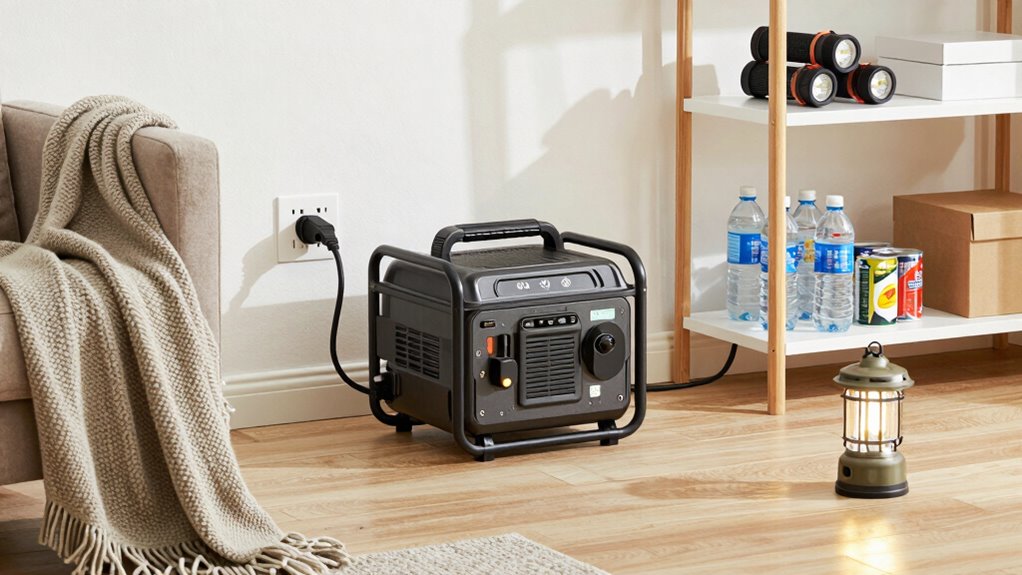

The “72-Hour Comfort” rule helps you plan backup power by focusing on surviving the first three days without grid electricity. It emphasizes stockpiling essentials like food, water, and backup energy sources to keep critical devices running. This approach encourages you to assess your needs, choose suitable backup solutions, and stay prepared for emergencies. To guarantee your resilience, tweak your plans as your household’s needs evolve—and discover more ways to stay safe and connected.

Get backup power and energy gear delivered free — and shop member deals
- Fast, free delivery on millions of items
- Access to Prime Big Deal Days deals on October 6–7
- Prime Video, Amazon Music and more included
Key Takeaways
- Focuses on preparing for the first 72 hours of power outages, critical for safety and comfort.
- Emphasizes stockpiling essential supplies like food, water, and basic cooking tools for immediate needs.
- Recommends establishing backup power sources such as generators and renewable energy options.
- Highlights the importance of proper wiring, maintenance, and safety protocols for backup equipment.
- Advocates routine practice and updating plans based on household changes to ensure resilience during disruptions.
Understanding the Importance of the 72-Hour Window
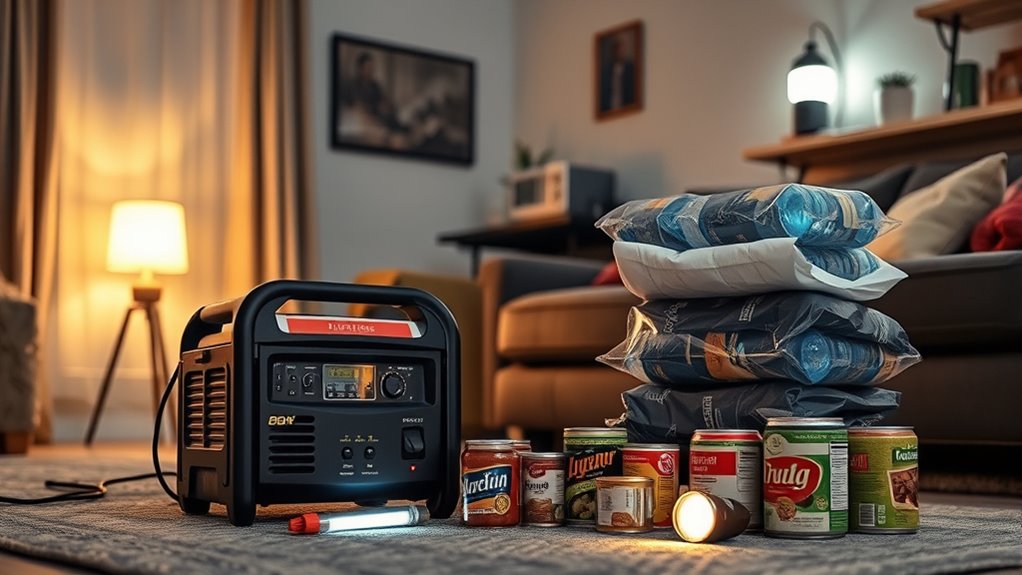
Understanding the importance of the 72-hour window is essential because this period often determines the success of your recovery process. During a power outage, your power outage preparedness can make or break your ability to stay comfortable and safe. Emergency planning involves more than just waiting for the lights to come back; it’s about organizing essentials, like backup power sources, to sustain your needs. By focusing on this critical window, you guarantee you’re ready to handle disruptions without panic. Recognizing that the first 72 hours are crucial helps you prioritize actions, such as maintaining supplies and establishing communication plans. Proper emergency planning during this window means you’re better equipped to manage the outage effectively and recover faster once power is restored. Additionally, understanding the role of backup power options can significantly improve your resilience during such events. Incorporating energy-efficient solutions can also extend your backup capabilities and reduce overall reliance on external power sources. Being aware of power outage duration expectations enables you to tailor your preparations more effectively and avoid unnecessary stress during emergencies. Planning for the critical 72-hour period with appropriate backup power strategies ensures you stay safe and comfortable when it matters most. It’s also important to consider power management strategies to optimize your energy use during this crucial time.
Assessing Your Power Needs During an Outage
When an outage strikes, accurately evaluating your power needs guarantees you can prioritize essential devices and avoid wasting limited resources. To do this, estimate each device’s power consumption and consider the expected outage duration. Focus on critical items like your refrigerator, heating or cooling systems, and communication devices. Additionally, understanding Free Floating concepts can help you design an efficient backup power plan that aligns with your natural landscape and minimizes environmental impact. Incorporating power management strategies can further optimize your system efficiency and extend your available energy resources. Implementing smart home automation tools can assist in monitoring and controlling your power usage more effectively during emergencies. Consulting whole-house water filtration systems for clean water solutions can also be a vital part of your emergency preparedness plan. Remember, considering the power needs of all your essential equipment ensures your backup system remains reliable and effective throughout the outage.
Selecting the Right Backup Power Solutions
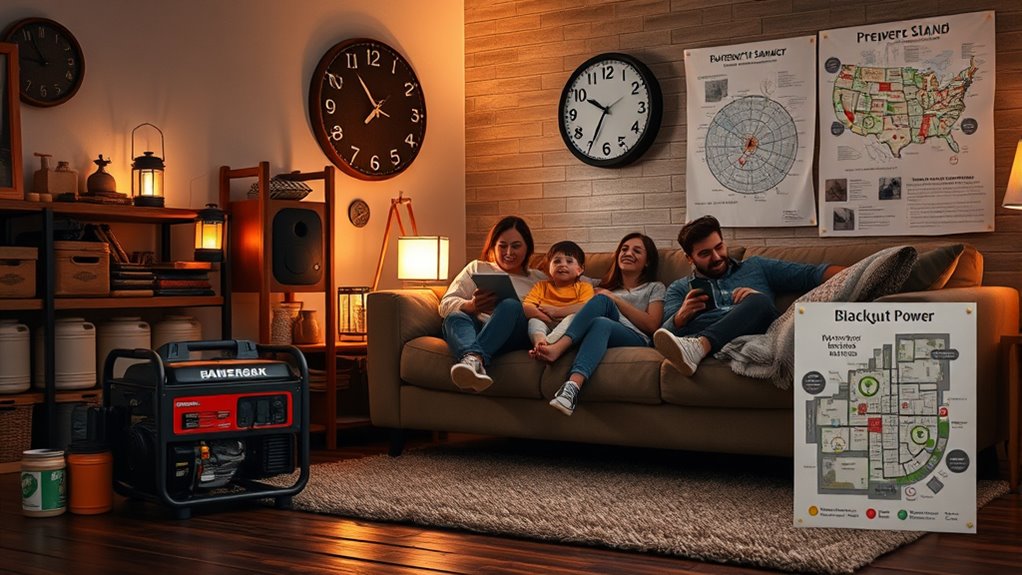
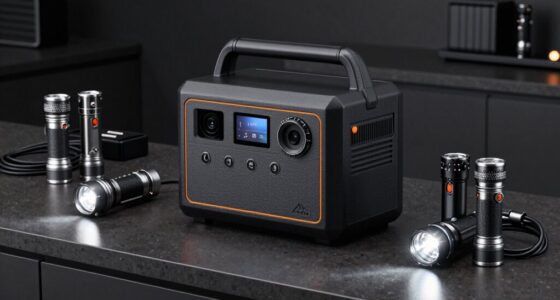
Choosing the right backup power solution guarantees your home stays functional during outages without overspending or overloading your system. Consider the size of your energy needs, whether you prefer a portable generator or a standby system, and how much fuel storage you’ll require. Regular generator maintenance ensures reliability when you need it most. Also, plan for safe fuel storage, including proper containers and secure locations. Incorporating essential survival gear like backup power sources into your preparedness plan can further enhance your resilience during emergencies. Evaluating transfer‑switch fundamentals can help you determine the safest and most efficient way to connect backup power to your home systems.
Essential Supplies to Stockpile for Three Days
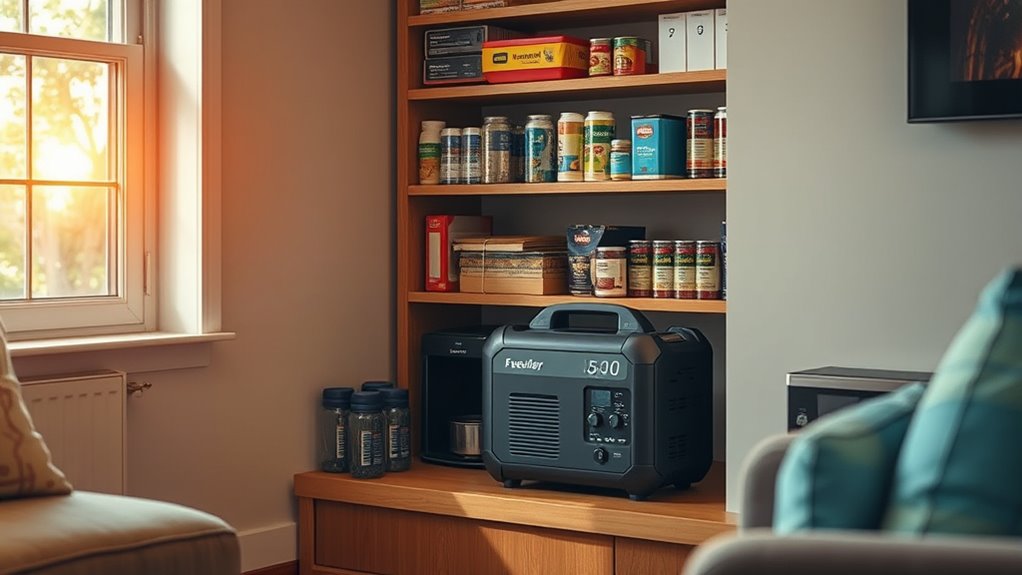
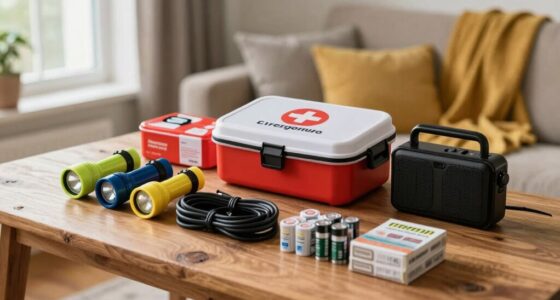
Being prepared for a three-day power outage means stocking essential supplies that keep you safe, comfortable, and self-sufficient. Emergency food is imperative; choose non-perishable items like canned goods, granola bars, and dried snacks that don’t require refrigeration. Having enough water is equally critical—aim for one gallon per person per day. Water purification supplies, such as portable filters or water purification tablets, guarantee you can make additional water safe to drink if needed. Don’t forget extras like a manual can opener, disposable utensils, and basic cooking tools. These supplies help you maintain hygiene, nourishment, and hydration without power. Preparing a utility backup plan in advance ensures you’re ready to handle short-term disruptions comfortably and safely. Incorporating basic survival skills and an understanding of Bitcoin News Day can further enhance your ability to adapt in unforeseen situations.
Setting Up a Safe and Efficient Power Storage System
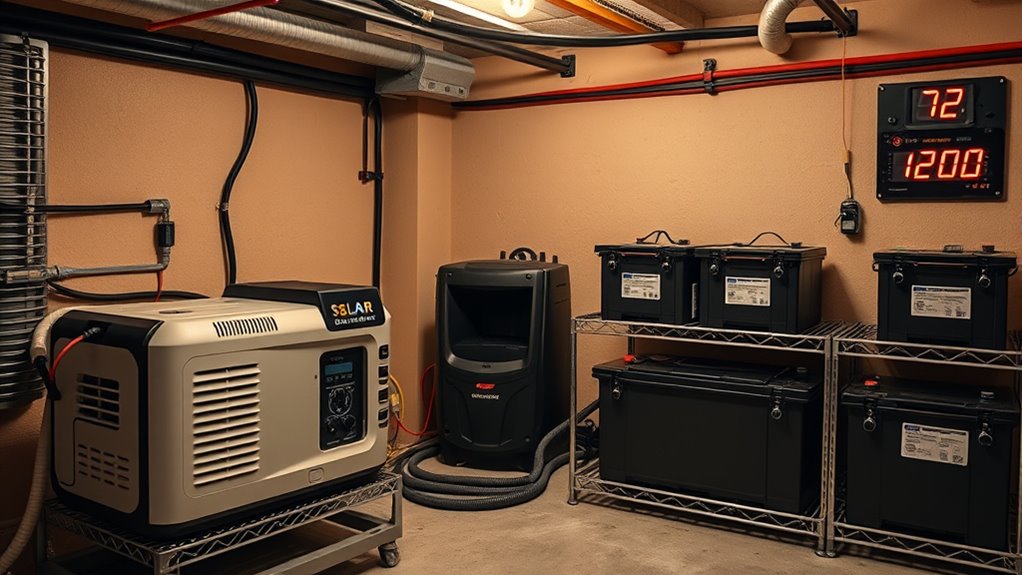
You need to plan your battery capacity carefully to guarantee you have enough power during emergencies. Safe wiring practices are essential to prevent fires and equipment damage. Proper load calculations ensure your system can handle the demands of your backup power needs without overloads. Additionally, understanding battery types and capacities can help you select the most suitable options for your specific requirements. Familiarizing yourself with vetted storage solutions can further enhance the reliability and safety of your power system. Knowing bank SWIFT/BIC codes can also be useful if you need to make secure financial transactions related to your backup power investments. To ensure safety and compliance, familiarize yourself with local electrical codes and standards. By focusing on these points, you can create a reliable and secure power storage system for your 72-hour emergency plan.
Battery Capacity Planning
Proper battery capacity planning is essential for establishing a safe and reliable power storage system. You need to accurately estimate capacity to ensure your batteries can handle the load during an outage, maximizing battery longevity. Proper capacity estimation prevents overloading and under-utilization, extending your system’s lifespan. To do this effectively, consider your essential power needs and add a buffer for unexpected demands. Additionally, continuous learning and adaptation are vital to keep your system optimized for changing usage patterns and technological advancements. Understanding net worth and financial independence can also help in making informed decisions about investing in quality backup solutions that offer long-term reliability. Incorporating knowledge of best small wood stoves and their efficiency can further enhance your planning for emergency heating needs during power outages. Regularly reviewing your piercing care and hygiene practices can prevent unexpected disruptions in your system’s operation, ensuring ongoing reliability. Furthermore, staying informed about battery technology advancements enables you to upgrade your system when more efficient options become available.
Safe Wiring Practices
To guarantee your power storage system is both safe and efficient, it’s essential to follow proper wiring practices from the start. Always adhere to wiring codes to prevent hazards and ensure compliance. Grounding safety is critical; properly grounded systems reduce the risk of electrical shock and equipment damage. Use appropriate gauge wiring for your system’s load, and secure all connections tightly. Avoid routing wires near heat sources or moisture. Here’s a quick guide:
| Wiring Aspect | Best Practice | Why It Matters |
|---|---|---|
| Grounding Safety | Use grounded outlets and panels | Prevents shock and damage |
| Wiring Codes | Follow local electrical codes | Ensures safety and compliance |
| Connection Security | Tighten all connections | Reduces fire risk |
| Wire Gauge | Match wire size to load | Prevents overheating |
| Routing | Keep wires organized and protected | Avoids damage and shorts |
Additionally, incorporating proper grounding techniques helps ensure overall system safety and longevity. Ensuring your wiring setup complies with electrical standards minimizes risks and enhances system durability.
Tips for Maintaining Your Backup Power Equipment
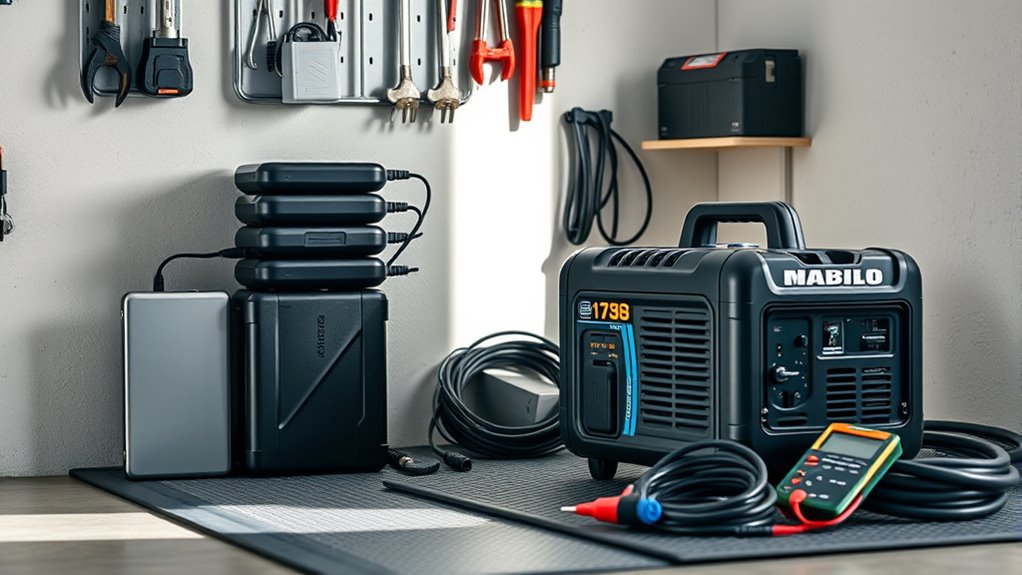
Regular maintenance is essential to keep your backup power equipment ready when you need it most. A well-maintained unit ensures maximum fuel efficiency and reliable operation during emergencies. Create a maintenance checklist and stick to it, including inspecting fuel levels, replacing filters, and testing functionality. Regularly running your generator for a short period helps prevent fuel stagnation and keeps it ready. Keep the spark plugs clean and check battery connections to avoid startup issues. Additionally, store fuel properly in approved containers to prevent contamination. Proper upkeep reduces the risk of breakdowns and extends your equipment’s lifespan. By staying proactive with maintenance, you ensure your backup power system performs smoothly when called upon. Remember, consistent care is key to dependable backup power.
Incorporating Renewable Energy Options
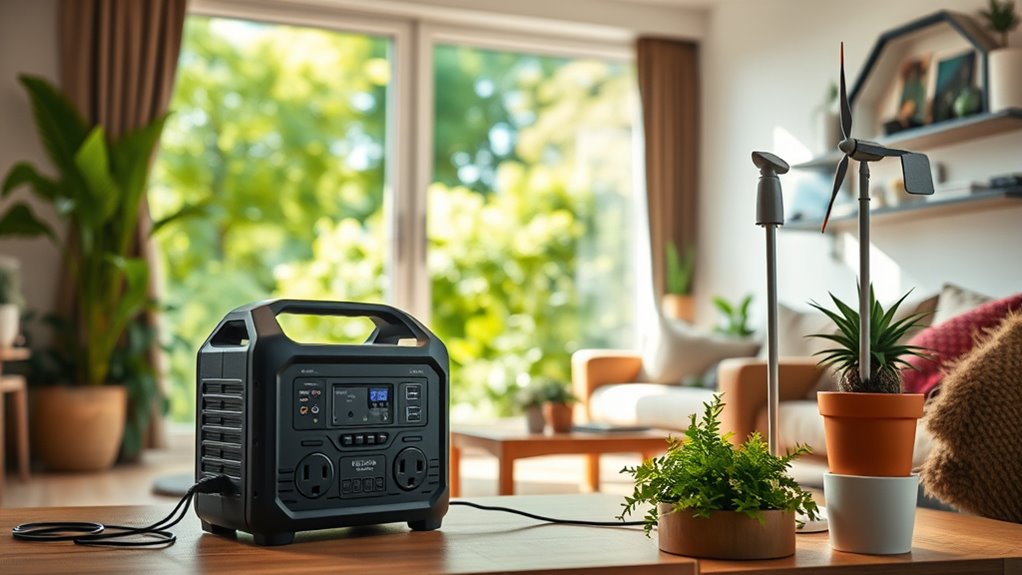
You can augment your backup power system by integrating renewable energy options like solar panels or small wind turbines. These sources offer sustainable energy, reducing reliance on traditional generators during outages. Pairing them with efficient battery storage ensures you stay powered for the full 72 hours and beyond.
Solar Power Integration
Integrating solar power into your emergency preparedness plan can substantially enhance your resilience during extended outages. By installing solar panels, you can generate free, renewable energy when grid power fails. To guarantee efficiency, regularly perform solar panel maintenance to keep your system operating at peak performance. Additionally, check inverter compatibility to make sure your solar setup can seamlessly connect with your backup power system. This compatibility guarantees that your stored energy is utilized effectively and safely. Consider these key points:
- Schedule routine solar panel inspections and cleaning
- Confirm your inverter matches your solar panel specifications
- Incorporate a backup battery for stored solar energy
These steps help maximize your solar power system‘s reliability, giving you peace of mind during prolonged power outages.
Wind Energy Potential
Harnessing wind energy can substantially boost your emergency power options, especially in areas with consistent breezes. Your wind potential depends on local wind patterns and turbine efficiency. To maximize output, select turbines suited for your wind conditions and ensure proper installation. By leveraging wind power, you diversify your backup energy sources, reducing reliance on a single system. The table below highlights key factors for evaluating wind energy viability:
| Factor | Consideration |
|---|---|
| Wind Potential | Average wind speeds and consistency |
| Turbine Efficiency | Blade design and maintenance |
| Site Accessibility | Ease of installation and upkeep |
Evaluating these factors helps you optimize your wind energy setup, providing reliable backup power during outages. Proper assessment ensures you make the most of your wind resources, enhancing your preparedness.
Sustainable Battery Storage
Sustainable battery storage plays a crucial role in maximizing the benefits of renewable energy systems. It guarantees you can store excess energy generated from sources like solar or wind, making your setup more reliable and energy-efficient. To optimize battery longevity and efficiency, consider the following:
- Use batteries with proven energy efficiency and long cycle life to reduce replacement costs.
- Implement smart management systems that monitor and regulate charge/discharge cycles.
- Invest in renewable energy options that complement your storage, minimizing energy loss and extending system lifespan.
Creating a Communication and Safety Plan
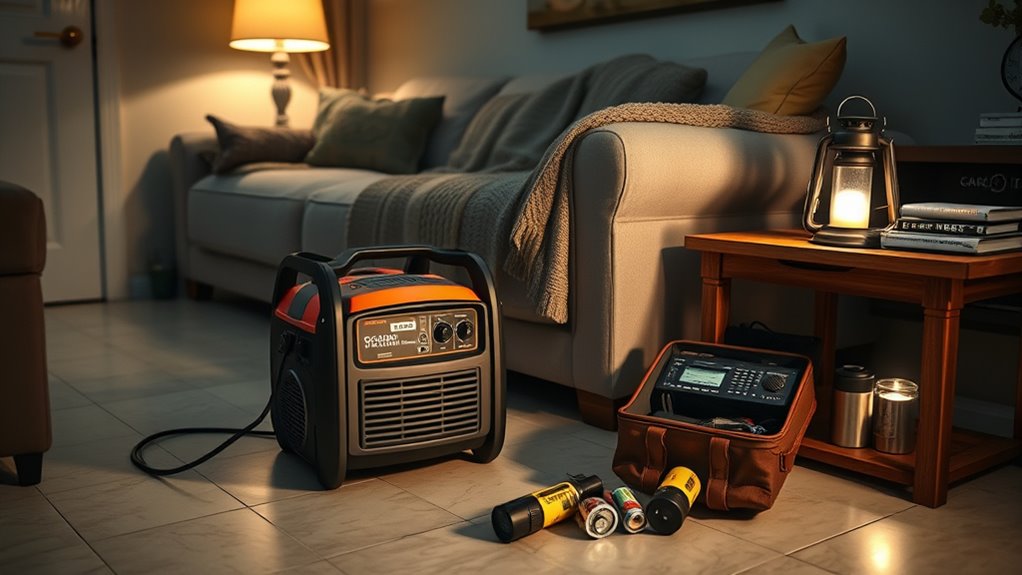
Creating a communication and safety plan is essential to guarantee everyone stays connected and protected during the first 72 hours after a disaster. Start by establishing emergency communication methods, like walkie-talkies, satellite phones, or designated messaging apps that work without power. Make sure all household members understand safety protocols, such as identifying safe exits, meeting points, and how to respond to hazards. Share critical information, including emergency contacts and medical needs. Keep a list of local shelters and resources accessible. Regularly review and practice your plan to ensure everyone knows their role. Having clear communication channels and safety procedures minimizes confusion, keeps everyone informed, and ensures swift action, helping you stay resilient during unexpected events.
Practicing Your Emergency Power Routine
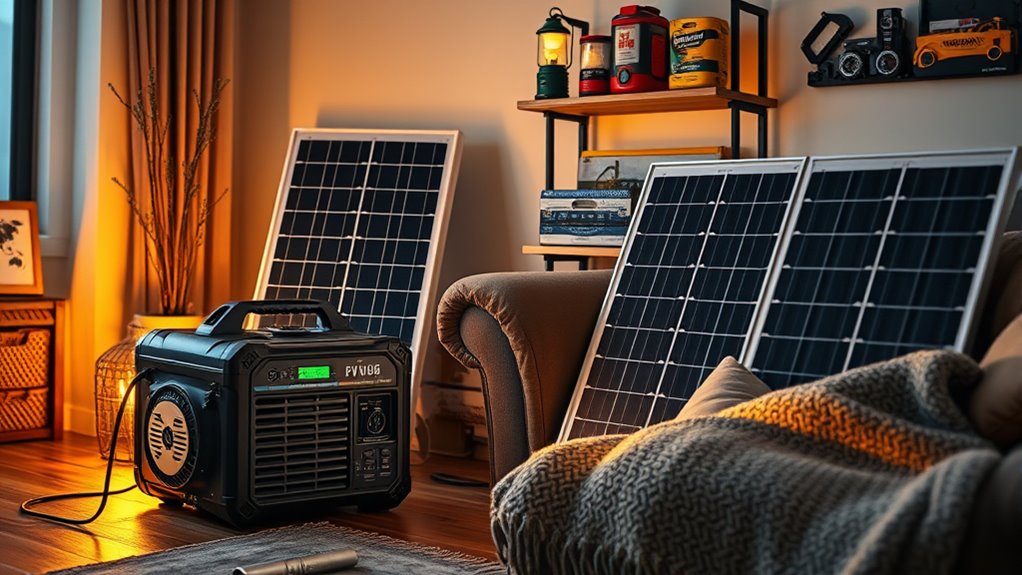
Practicing your emergency power routine regularly guarantees you’re prepared to maintain essential functions when the lights go out. It’s crucial to conduct power outage drills to simulate real scenarios and identify any issues. During these drills, check your generator maintenance to ensure it’s ready to go when needed, including inspecting fuel levels, oil, and connections. Make it a habit to start your generator periodically, so you’re familiar with its operation and can detect potential problems early. Also, practice switching your appliances and communication devices to backup power seamlessly. Regular drills build confidence, reduce panic, and improve response time. Keeping your routine sharp ensures you won’t be caught off guard and your backup power system performs reliably during an actual outage.
Adjusting Your Plan Based on Changing Needs

As your household changes, it’s important to update your power plan accordingly. Keep an eye on any new appliances or shifts in your needs, and modify your requirements as needed. Staying flexible ensures you’re prepared for emergencies and can adapt quickly when circumstances evolve.
Monitoring Household Changes
Since household needs can change unexpectedly, regularly monitoring your situation guarantees your comfort plan remains effective. Using household sensors and appliance alerts helps you stay informed about shifts in energy use or device status. This proactive approach allows you to identify new power demands or issues early. For example, you might notice a sensor alert indicating a high energy draw from an appliance, signaling a need to adjust your backup plan. Consistently reviewing these signals ensures your power setup remains aligned with your current needs. Keep an eye on:
- Changes in household sensor data
- Unusual appliance alerts
- New appliances added to your home
Staying vigilant helps you adapt quickly, maintaining comfort and avoiding surprises during an outage.
Updating Power Requirements
Regularly reviewing your household’s energy data and appliance alerts helps you recognize when your power needs change. As your household evolves, so do your power load calculations. Upgrading to more energy-efficient appliances can reduce your overall energy consumption, meaning your backup power requirements may decrease. Conversely, adding new devices or expanding your home can increase your load. It’s crucial to update your backup power plan accordingly. Reassess which appliances are critical and ensure your system can handle these updated demands. By staying proactive and adjusting your plan based on current energy use, you ensure your backup power remains reliable during an outage. Regular updates help you avoid overestimating or underestimating your needs, providing peace of mind and efficient resource management.
Flexibility for Emergencies
Flexibility is key when it comes to emergency power plans because your needs can change unexpectedly. You might need to update your evacuation procedures or adjust who you contact in an emergency. Regularly reviewing your plan ensures you’re prepared for different scenarios. As your household or situation evolves, so should your backup power setup. Keep emergency contacts current and consider new appliances or devices that may require power. Remember, your needs today might differ from those in a few months. Being adaptable helps you respond quickly and effectively, minimizing stress during a crisis. Stay proactive by revisiting your plan periodically and making necessary adjustments to stay aligned with your current circumstances. This way, your backup power remains reliable and ready when you need it most.
Frequently Asked Questions
How Often Should I Review and Update My Backup Power Plan?
You should review and update your backup power plan at least once a year, or after significant changes like new equipment or renovations. Incorporate a maintenance schedule to make certain your backup system stays reliable, and conduct emergency drills to test its effectiveness. Regular reviews help identify potential issues early, so you’re always prepared to keep essential systems running during outages.
What Are the Common Mistakes to Avoid When Setting up Backup Power?
When setting up backup power, avoid common mistakes like neglecting generator safety and skipping regular maintenance checks. Always read the manufacturer’s safety guidelines and keep a maintenance checklist to make sure your generator runs smoothly. Don’t overload the system or run it in enclosed spaces, which can be dangerous. Testing your setup regularly helps identify issues early, ensuring reliable backup power when you need it most.
Can Portable Generators Be Safely Used Indoors?
Portable generators should never be used indoors because of serious indoor safety risks, including carbon monoxide poisoning. Always place your generator outdoors in a well-ventilated area, away from windows and vents. Proper generator placement is vital to prevent the buildup of dangerous fumes. Keep it on a flat surface, and make certain it’s far from doors and windows to protect you and your family during power outages.
How Do I Ensure My Backup Power System Is Eco-Friendly?
Imagine a gentle breeze powering your home’s backup system—making it eco-friendly. To do this, choose renewable sources like solar or wind energy, and opt for eco-friendly materials in your setup. Regularly maintain and upgrade your system to maximize efficiency and reduce emissions. By doing so, you create a sustainable backup that supports environmental health and provides peace of mind during outages.
What Financing Options Are Available for Installing Backup Power Solutions?
You can explore various financing options for your backup power solutions, such as personal loans, home equity loans, or specialized backup power loans. Many providers offer flexible terms and competitive interest rates, making it easier to afford installation costs. Additionally, some utility companies or manufacturers may have rebate programs or financing plans that help reduce upfront expenses, so it’s worth researching these options to find the best fit for your needs.
Conclusion
By embracing the 72-hour comfort rule, you’re not just preparing for an outage—you’re building a safety net that catches you before chaos takes hold. Picture yourself calmly powering through the storm, knowing you’ve got enough backup to keep essentials running and loved ones safe. It’s a simple step that transforms uncertainty into confidence, turning a potential disaster into a manageable challenge. With this plan, you’re not just surviving—you’re standing resilient at the crossroads of preparedness.
Halloween Picks
halloween
As an affiliate, we earn on qualifying purchases.