
To avoid searching in the dark, store flashlights in easy-to-reach spots in every room—nightstands, near windows, or on accessible shelves. Keep backups in strategic locations like your toolbox, car, or closet, and guarantee they’re in protective cases away from moisture and impact risks. Organize with labels or holders for quick access, and regularly check batteries. If you want to master the perfect storage setup, you’ll find helpful tips to get started.
Open a free Amazon Business account
Business pricing, bulk buying and tax-exempt orders.
As an affiliate, we earn on qualifying purchases.
Key Takeaways
- Keep flashlights on bedside tables or nightstands with easy access and glow functions for nighttime emergencies.
- Store in living room coffee tables, side tables, or organized shelves within reach for quick visibility.
- Place waterproof or mounted flashlights on kitchen countertops, mounted cabinets, or near entry points for safety and convenience.
- Use wall-mounted holders, tool chests, or pegboards in workshops and garages for organized, protected storage.
- Keep emergency flashlights in strategic locations like entryways, hallways, and bedrooms for rapid access during blackouts.

Jackery Solar Generator 1000 v2 and 200W Solar Panel,1070Wh,1500W AC
- Powerful AC Output: 1500W continuous, 3000W surge
- Lightweight & Portable: 23.8 lbs with foldable handle
- Fast Charging: 0-100% in 1 hour via app
As an affiliate, we earn on qualifying purchases.
Bedroom Storage Solutions for Nighttime Illumination
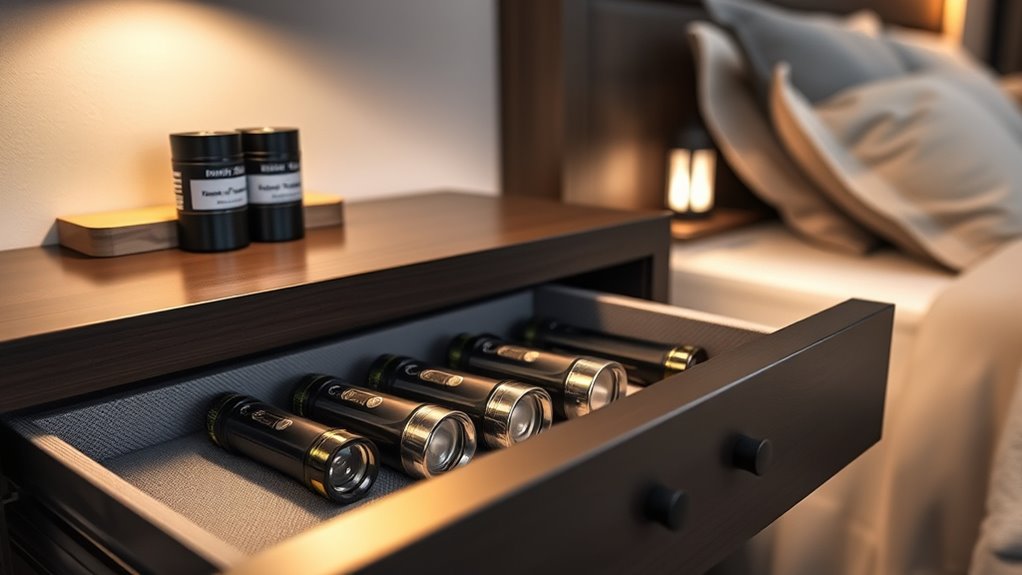
To make certain you have reliable lighting during the night, it’s best to keep your flashlights within easy reach in your bedroom. Place a flashlight on your nightstand with a constant glow function so you can find it easily if you wake up in the dark. Keep spare batteries, like AAA and AA, nearby for quick replacements. Organize your flashlights in boxes on your bookshelf in chronological order, so you know which ones are fully charged. Always have a backup flashlight in your bug-out bag next to your bed for emergencies. If you prefer larger lights, replace your nightstand with a coffee table that offers greater capacity. This setup guarantees you’re prepared and can quickly access reliable light sources when needed. Simple, organized storage solutions can make a significant difference in maintaining a calm and functional bedroom environment. Additionally, consider using battery‑powered LED nightlights with automatic sensors to enhance safety and visibility energy‑efficient lighting during nighttime hours. Implementing proper storage techniques can also extend the lifespan of your flashlights and batteries. Moreover, selecting flashlights with sustainable energy features aligns with European cloud innovation principles of eco-friendly technology and responsible resource management.

BLAVOR Portable Power Station 1600W (Peak 3200W), Built-in Solar Panel, 1024Wh LiFePO4 Battery, 100W USB-C Fast Charge, Solar Generator for Home Backup, Camping, Power Outages & RV
- Built-in 40W Solar Panel: Foldable solar panel for sunlight conversion
- Large 1024Wh Capacity: Provides ample power for multiple devices
- 1600W Continuous Power Output: Supports most appliances with surge up to 3200W
As an affiliate, we earn on qualifying purchases.
Living Room: Ensuring Light Accessibility in Common Areas
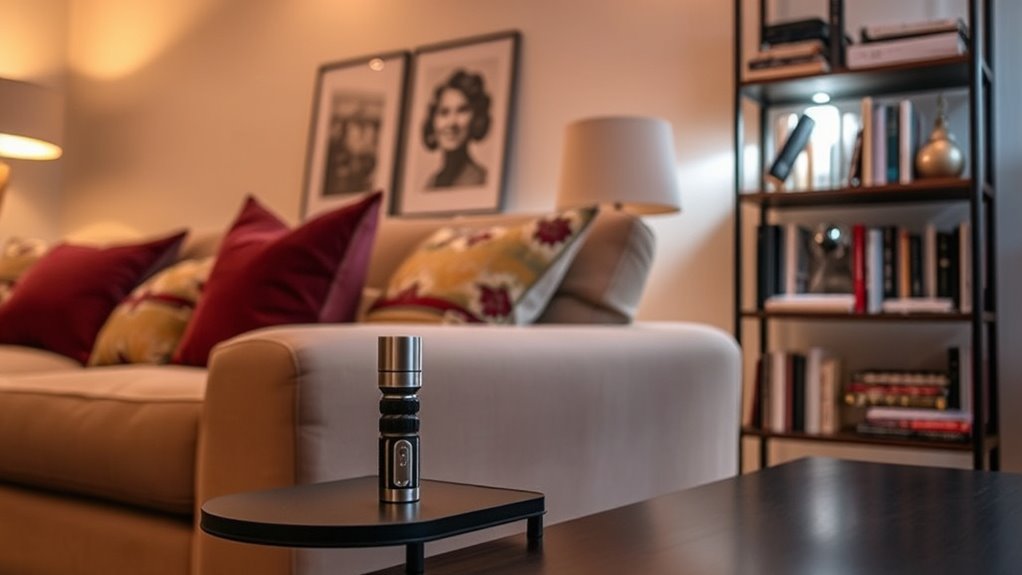
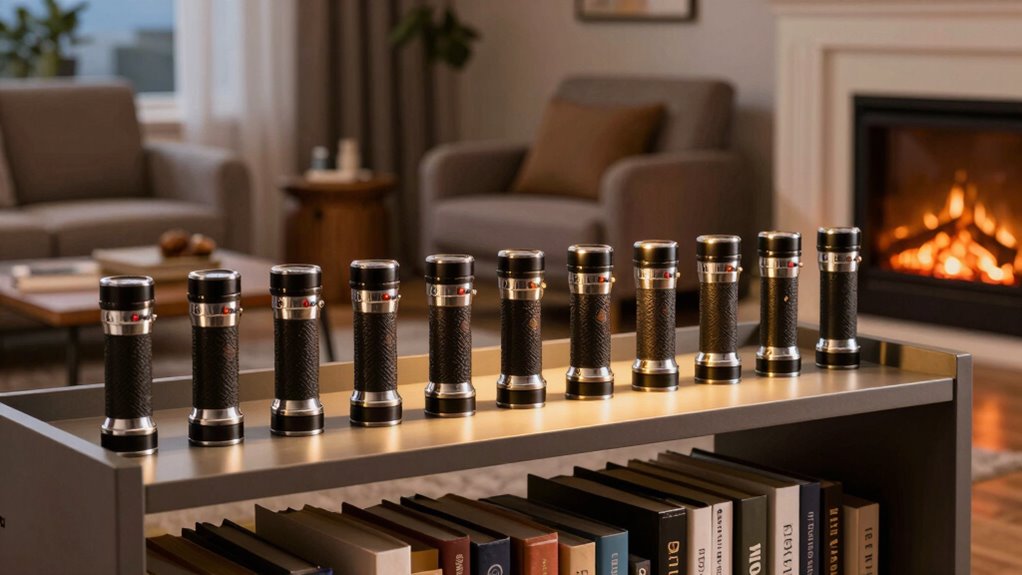
Ensuring easy access to flashlights in your living room helps you stay prepared during power outages or emergencies. Place a solar light near a window to keep it charged and ready. Store a row of charged lights on an oak shelf behind books or on a coffee table to guarantee they’re within reach. Keep a simple AA flashlight in a food storage cabinet for quick access if needed. Disperse additional lights across the coffee table or side tables for convenience. Avoid cluttering the space, but guarantee at least one reliable, charged flashlight is always visible and accessible. Incorporating connected lighting systems can further enhance your ability to control and monitor your flashlights remotely. This setup guarantees you can quickly find and use a light source during unexpected circumstances, keeping your living area safe and well-prepared. Additionally, organizing your storage solutions can help ensure every flashlight has a designated spot, making it easier to locate when necessary. Properly storage organization can also protect your flashlights from damage and ensure they are always ready for use. Implementing power management strategies, such as rechargeable batteries and charging stations, can extend the lifespan of your flashlights and improve readiness. Integrating smart home technology can provide automated alerts if a flashlight is misplaced or needs charging, increasing overall safety and convenience.
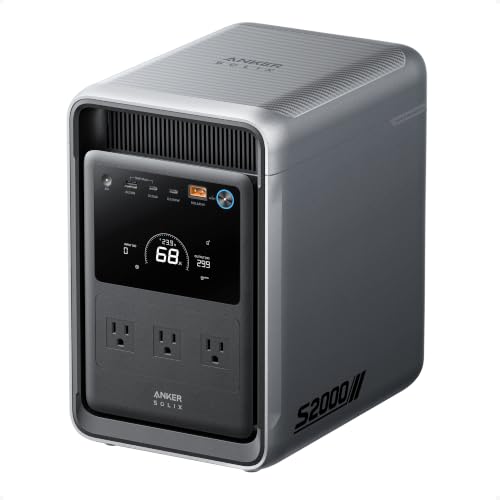
Anker SOLIX S2000 Portable Power Station, 2,010Wh, 1,500W, Home Backup, UPS
- Extended Fridge Backup: Runs fridge for up to 35 hours
- Long-lasting Battery: 10,000-cycle, 15-year lifespan LFP battery
- Compact and Lightweight: 30% smaller and 25% lighter than competitors
As an affiliate, we earn on qualifying purchases.
Kitchen Storage: How to Keep Flashlights Ready Without Risks
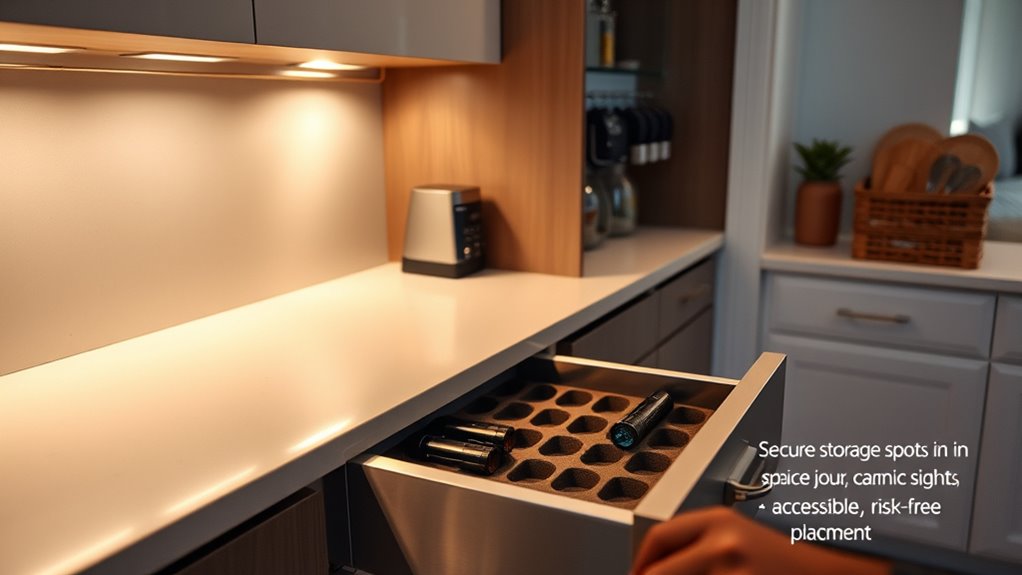
While keeping flashlights accessible in common living areas is essential, storing them safely in the kitchen requires careful consideration. The kitchen’s moisture, heat, and humidity pose risks to flashlight integrity and battery life. Instead of storing flashlights in cabinets or drawers, consider placing a durable, waterproof flashlight in a designated spot on the countertop or mounted near the exit. Use protective cases to shield against accidental drops. Avoid storing in food cabinets or near sinks to prevent damage from water or humidity. Recognizing the importance of proper storage practices can extend the lifespan of your flashlights and ensure they function when needed. Regularly check and test your flashlights to make sure they’re ready when needed. It’s also helpful to understand the concept of Free Floating when choosing storage locations to minimize clutter and ensure easy access in emergencies. This approach supports organized storage and quick accessibility during power outages or emergencies. Here’s a quick overview:
| Storage Location | Benefits | Risks |
|---|---|---|
| Countertop | Easy access | Accidental spills |
| Wall Mount | Secure, visible | Moisture exposure |
| Drawer | Out of sight | Hard to find, moisture risk |
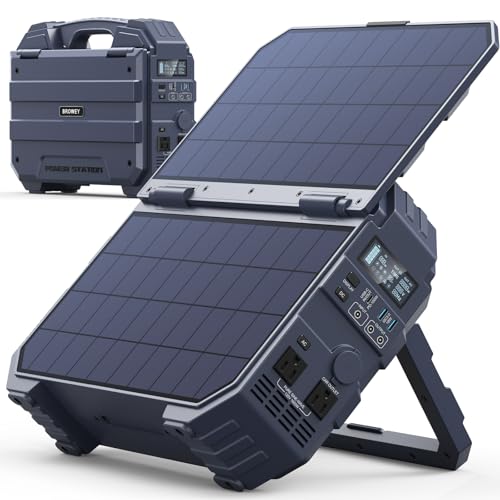
BROWEY 1600W (3200W Peak) Portable Power Station, 1024Wh LiFePO4 Battery with Built-in Solar Panel, 100W USB-C PD, Solar Generator for Camping, RV, Home Backup, Emergency
- Award-Winning Solar Generator Design: iF Design Award 2022 winner
- High Capacity and Power Output: 1024Wh capacity, 1600W continuous power
- Multiple Charging Ports: 8 ports including USB-C PD 100W
As an affiliate, we earn on qualifying purchases.
Bathroom Storage: Protecting Your Flashlights From Moisture
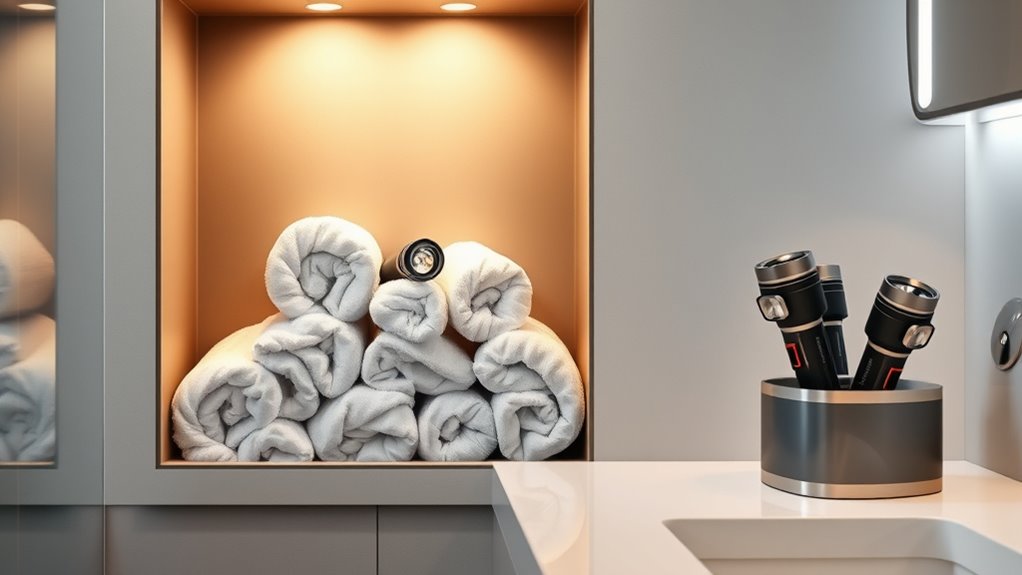
Moisture and humidity in bathrooms can quickly damage flashlights and degrade their batteries if not stored properly. To protect your gear, keep flashlights in cool, dry spots away from sinks, tubs, or showers. Use protective cases or waterproof containers to shield them from splashes and humidity. Consider storing them in a drawer or cabinet with good ventilation, and avoid leaving batteries inside in damp environments. Periodically test your flashlights to ensure they still work, and replace batteries as needed. If your flashlight has a rubber or silicone seal, make sure it’s intact to prevent moisture entry. Proper storage can also help maintain the overall quality of your precious metal investments, ensuring they remain in optimal condition over time. Ensuring proper air purifier maintenance can also contribute to a healthier environment in your bathroom, decreasing the risk of mold and bacteria growth. Additionally, inspecting the seals and gaskets of your flashlights regularly helps prevent moisture from seeping in. Regularly checking the battery compartment for corrosion or buildup is also important to prolong flashlight lifespan. Incorporating visual and auditory cues can assist in monitoring your flashlight’s condition and identifying potential issues early. By keeping your flashlights in a dry, protected location, you extend their lifespan and ensure they’re ready when you need them most.
Workshop and Garage: Organizing Tools and Emergency Lights

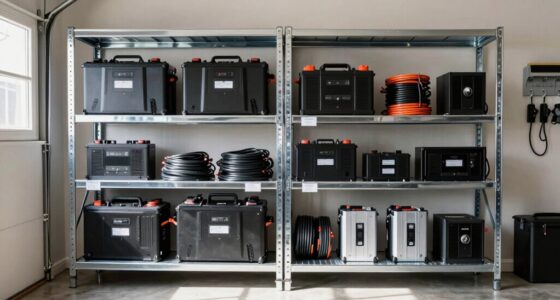
Organizing your workshop and garage with custom storage solutions makes emergency lights easy to find and access quickly. Placing flashlights in wall-mounted holders or tool chests protects them from damage and keeps your space tidy. Proper storage also helps maintain equipment integrity by shielding lights from dust, moisture, and impacts. Additionally, incorporating smart‑home integrations can enable automated or remote control of your emergency lighting systems for enhanced safety. Using ergonomic organization principles ensures that frequently used tools and lights are within easy reach, reducing clutter and improving efficiency. Incorporating total‑cost clarity into your storage solutions can help you evaluate the best options for durability and long-term savings. Selecting high-quality storage options can also prevent the need for frequent replacements, contributing to better cost-effectiveness. Applying proper lighting placement ensures that your emergency lights are both accessible and effective during power outages or emergencies.
Custom Storage Solutions
Creating custom storage solutions in your workshop or garage guarantees your flashlights and tools stay organized and accessible when you need them most. Build DIY holders or modify existing storage to fit your space and needs. Use pegboards with hooks for easy access to frequently used flashlights, or install small bins in tool chests for quick retrieval. Label compartments to distinguish emergency lights from everyday tools, ensuring you can find the right flashlight instantly. Consider adding foam inserts or padded pouches inside drawers to prevent damage from drops. Mount wall racks or magnetic strips for lightweight flashlights, keeping them visible and within reach. Proper storage organization can also help prevent damage and prolong the lifespan of your flashlights. Implementing high-quality storage options can further enhance durability and ease of access. Customizing storage helps maximize space and keeps your emergency lights ready, so you’re never left fumbling in the dark.
Easy Access Placement
To guarantee you can quickly find and use your flashlights in the workshop or garage, place them in easy-to-reach spots near your work areas. This ensures instant access during projects or emergencies. Keep flashlights in visible, organized locations to save time searching. Use wall-mounted holders or tool pouches for quick retrieval. Store frequently used lights on a wooden rack or in accessible drawers. Consider customizing holders for your space to maximize efficiency. Regularly check the batteries and functionality so you’re prepared at all times. By keeping your flashlights nearby and well-organized, you’ll avoid frustration during urgent situations.
- Wall-mounted flashlight holders near workbenches
- Clear, labeled containers for quick identification
- Frequently used lights on top of tool chests
- Emergency lights stored in easily accessible pouches
Protecting Equipment Integrity
Properly safeguarding your flashlights and tools in the workshop and garage helps guarantee they stay functional when you need them most. Store lights in tool chests, pouches, or wall-mounted holders to prevent damage from drops or impacts. Keep them in designated areas, like wooden racks or DIY organizers, to avoid clutter and accidental mishandling. Protect batteries by storing lights in cool, dry spots away from extreme temperatures and moisture, which can degrade performance. Regularly test your flashlights to ensure they work properly. Use protective cases for extra cushioning against falls. Dispersing lights around the workspace and in pouches minimizes the risk of damage and makes sure you’re ready during power outages or emergencies. Proper storage maintains equipment integrity and prolongs the lifespan of your flashlights.
Car and Outdoor Storage: Keeping Flashlights Handy for On-the-Go Needs
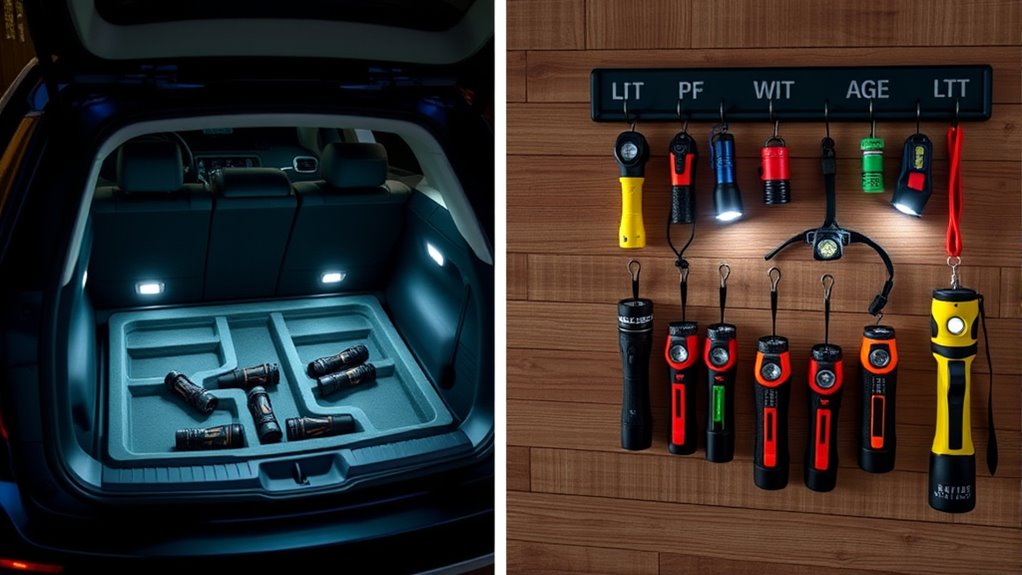
Having flashlights readily accessible in your car and outdoor gear guarantees you’re prepared for emergencies or unexpected situations. You want to make certain quick access when needed, especially during nighttime breakdowns or outdoor adventures. Keep a variety of flashlights in key spots:
Keep flashlights accessible in your car and gear for quick, reliable access during emergencies or outdoor adventures.
- Glove compartment with a compact, reliable light like a tool pouch.
- Center console with a sturdy, high-lumen flashlight such as the Inova X1.
- Emergency bag containing a Stanley FatMax Spotlight for heavy-duty illumination.
- Winter jacket pocket holding a small, easy-to-use flashlight like the Streamlight Protac 1AA.
Regularly check batteries and functionality to stay prepared. Organize these items so you can grab them instantly, minimizing stress during emergencies. Proper outdoor storage ensures your lights remain functional and ready when needed.
Optimal Placement for Emergency Preparedness Throughout Your Home
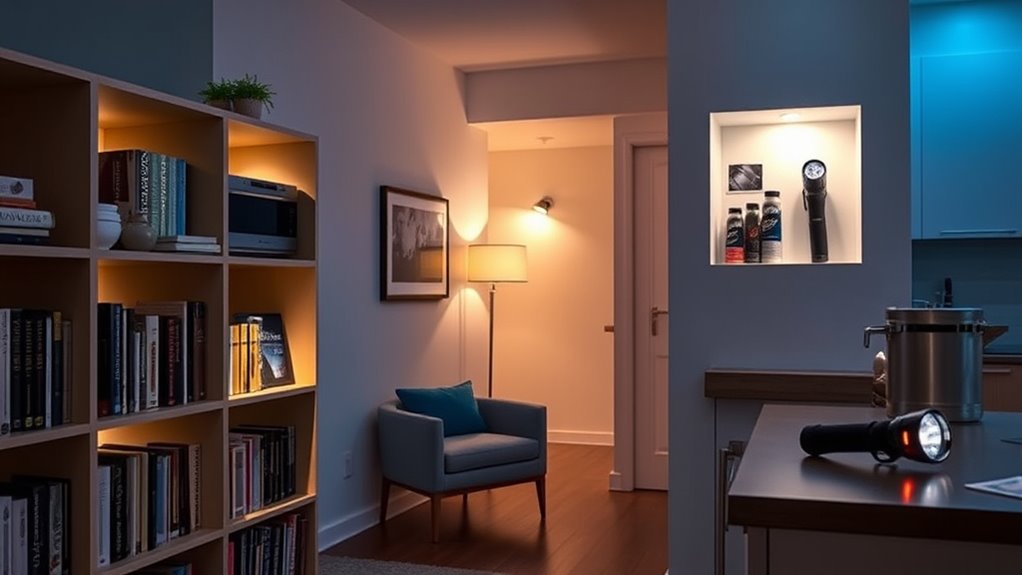
Strategic placement of flashlights throughout your home guarantees you’re always prepared for emergencies. Place them where you’ll need quick access, like near entry points, stairwells, and main hallways. Keep a reliable light in your bedroom for nighttime emergencies, and ensure your kitchen and bathroom have nearby options, but avoid moisture-prone areas. Distribute lights in common spaces and work areas for visibility. Use the table below to visualize ideal locations:
| Room | Ideal Flashlight Placement | Notes |
|---|---|---|
| Bedroom | Nightstand, bug-out bag, coffee table | For overnight emergencies |
| Living Room | Shelves, coffee table, side tables | Easy access during blackouts |
| Kitchen | Food cabinet, countertop storage | Keep away from moisture |
| Bathroom | Shelves, medicine cabinet | Store dry and cool |
| Garage/Workshop | Tool chests, wall mounts, storage racks | Organize for quick reach |
Tips for Maintaining and Testing Your Flashlights for Readiness
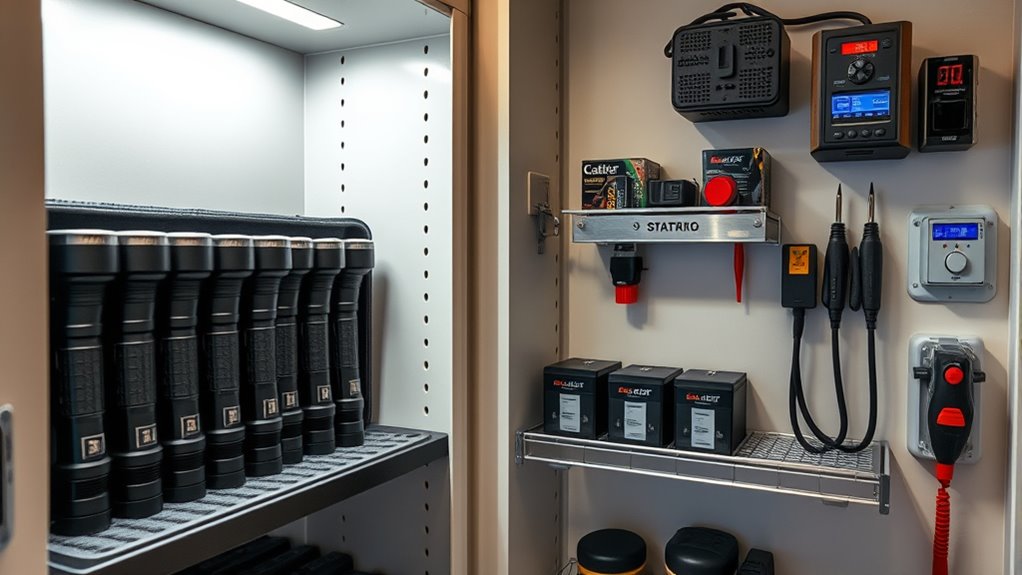
Regularly testing your flashlights guarantees they’re always ready when you need them most. Make it a habit to turn them on and verify brightness, battery life, and switch functionality. Replace batteries immediately if they’re dim or dead. Keep spare batteries nearby for quick replacements. Periodically clean the lens and contacts to assure optimal performance. Consider charging or replacing rechargeable models before batteries degrade.
- Test each flashlight monthly to catch issues early
- Keep spare batteries and bulbs accessible
- Clean lenses and contacts with a soft cloth
- Record testing dates to track maintenance schedules
Frequently Asked Questions
How Often Should I Test the Functionality of My Flashlights?
You should test your flashlights at least once every three to six months. Regular testing guarantees they work when you need them most. Turn them on, check the batteries, and replace or recharge if needed. Keep note of any issues, like dimming lights or weak batteries. Doing this routine maintenance helps guarantee your flashlights stay reliable in emergencies, preventing surprises when you need bright light quickly.
What Is the Best Way to Prevent Battery Corrosion in Storage?
Imagine your batteries as tiny ships sailing in calm seas. To prevent corrosion, keep them dry and cool, like a safe harbor. Remove batteries from unused flashlights, especially in humid areas, and store them separately in airtight containers with silica gel packets. Regularly check for signs of leakage or corrosion, and replace batteries before they weaken, ensuring your flashlights stay ready to shine when you need them most.
Are There Specific Flashlight Types Recommended for Different Rooms?
You should choose different flashlight types based on room needs. For bedrooms, opt for small, easy-to-reach LED flashlights or those with glow functions. In living rooms, use rechargeable or solar lights for convenience. Kitchen and bathroom storage benefit from moisture-resistant, compact flashlights. In your garage or workshop, heavy-duty, durable flashlights like LED or floodlights work well. Keep car flashlights in accessible spots like the glove compartment for quick, reliable use.
How Can I Ensure Flashlights Stay Charged and Ready for Emergencies?
Think of your flashlights as your home’s silent guardians—always ready to shine when needed. To keep them charged, regularly test each one, especially before seasons with storms or power outages. Use rechargeable batteries and keep spare batteries nearby. Store them in accessible, cool, dry spots free from moisture and extreme temperatures. This routine guarantees your flashlights won’t fade into darkness when you need them most.
What Safety Precautions Should I Take When Storing Batteries Long-Term?
You should store batteries in a cool, dry place away from metal objects to prevent short circuits. Keep them in their original packaging or in a battery organizer to avoid contact with other metals. Check expiration dates regularly, and remove old or damaged batteries promptly. Avoid storing batteries in direct sunlight or extreme temperatures, as these conditions can cause leaks or reduced performance, ensuring they stay safe and functional for emergencies.
Conclusion
By strategically storing your flashlights in key spots around your home, you guarantee quick, easy access during emergencies. Think of your home as a well-lit network where each flashlight acts as a reliable beacon in the dark. Regularly test and maintain them, just like checking fire alarms, so you’re never left in the shadows. With organized placement, you’ll always be prepared—because when the lights go out, you want your flashlights ready to shine.
Back to school Picks
back to school
As an affiliate, we earn on qualifying purchases.