
TL;DR

Get backup power and energy gear delivered free with Prime
- Fast, free delivery on millions of items
- Prime Video, Amazon Music and more included
- Member-only deals all year
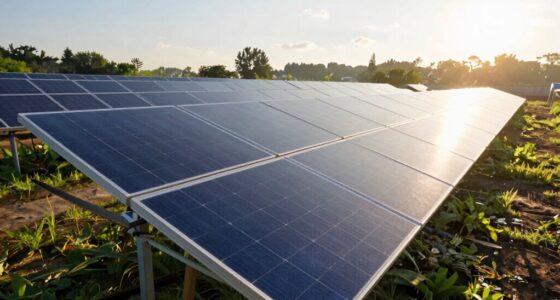
Qcells has launched a major, vertically integrated solar cell manufacturing facility in Cartersville, Georgia. This development enhances US domestic solar capacity and offers tax advantages, signaling a shift away from fossil fuels and imports.
Qcells has announced that its new, fully integrated solar cell manufacturing facility in Cartersville, Georgia, is now operational at partial volume, with full capacity anticipated in the third quarter. This marks the first such US-built operation in over a decade and signifies a major step toward boosting domestic solar production and reducing reliance on imported solar components.
The Cartersville plant, part of a broader investment by Qcells, will produce solar ingots, wafers, and cells at a combined capacity of 3.3 gigawatts per year. When combined with the company’s expansion in Dalton, Georgia, the total US capacity will reach 8.6 gigawatts annually, enough to produce approximately 47,000 solar panels daily.
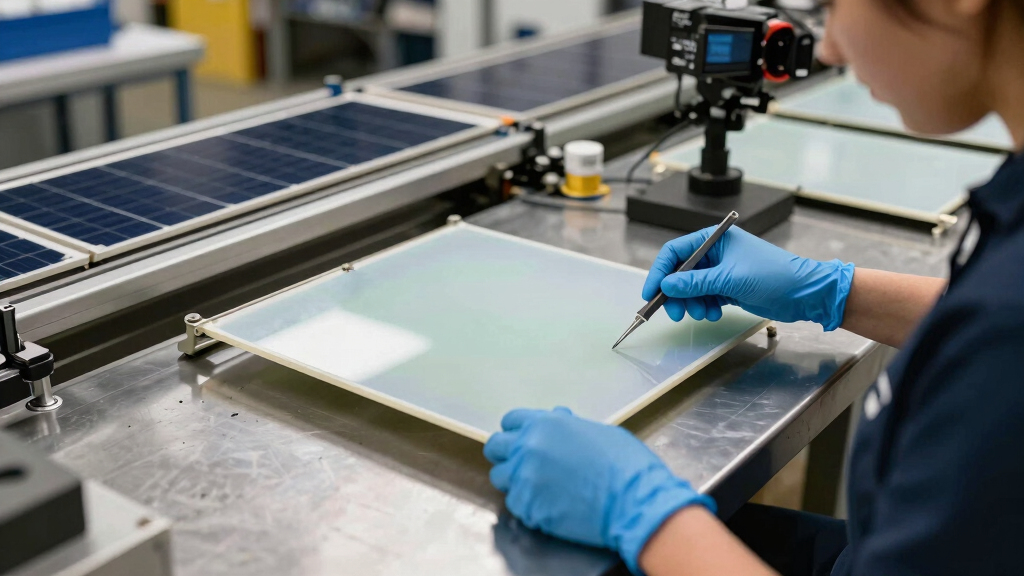
This facility is notable for being the first in the US to be fully vertically integrated, manufacturing all stages of solar cell production domestically. The move aligns with recent US policies favoring domestic content, including eligibility for Section 45X tax credits, which provide incentives for local manufacturing and help developers qualify for additional tax benefits.
Impact of the New US Solar Cell Manufacturing Facility
This development is significant because it marks a strategic shift in US solar manufacturing, reducing dependency on overseas supply chains, particularly from China and other nations. It also positions the US to benefit from federal tax credits and incentives that favor domestic content, potentially lowering costs for solar developers and accelerating the transition to renewable energy.
Furthermore, the facility underscores the broader trend of renewable energy growth in the US, contrasting with the declining coal industry, and highlights the importance of domestic manufacturing in achieving energy independence and economic resilience.
As an affiliate, we earn on qualifying purchases.
Background on US Solar Manufacturing and Policy Shifts
The US once led global solar manufacturing, but domestic industry decline occurred in the early 2000s due to competition from China and other countries. Federal support, including tax incentives during the Obama administration, helped revive the sector, but significant domestic production remained limited until now.
Recent policy efforts, including tax credits and tariffs, aim to bolster local manufacturing. The new Qcells plant in Georgia is part of this broader effort, representing the first large-scale, fully integrated solar factory built in the US in over ten years.
“The Cartersville factory is the first such operation built in the United States in more than a decade and will be home to the largest ingot and wafer plant ever constructed in the country.”
— Qcells spokesperson
As an affiliate, we earn on qualifying purchases.
Remaining Questions About the Factory’s Impact
It is still unclear how quickly the full capacity will be reached and how competitive the US-produced solar cells will be on price and quality compared to imported alternatives. Additionally, the long-term impact on the US solar industry and supply chain resilience remains to be seen.
As an affiliate, we earn on qualifying purchases.
Next Steps for US Solar Manufacturing Growth
Qcells plans to ramp up production to full capacity by Q3 2024, with potential expansion plans depending on market demand and policy incentives. Industry analysts will monitor how this development influences solar project costs and supply chain stability in the US.
As an affiliate, we earn on qualifying purchases.
Key Questions
What does the new Georgia solar factory mean for US energy independence?
The factory enhances US domestic solar manufacturing, reducing reliance on imports and strengthening the local supply chain, which supports energy independence and resilience.
Will this factory lower the cost of solar panels in the US?
Potentially, yes. Domestic manufacturing and access to tax credits may reduce costs for solar developers, but the actual impact will depend on market conditions and production efficiency.
How does this development affect the US coal industry?
The growth of domestic solar manufacturing and declining coal power output suggest a continued shift toward renewable energy, further diminishing coal’s role in US energy production.
Is this the first fully integrated US solar factory in over ten years?
Yes, according to Qcells, it is the first such large-scale, fully domestic, vertically integrated solar factory built in the US in more than a decade.
What are the environmental benefits of this new factory?
By increasing domestic production and reducing reliance on imported components, the factory can help lower the carbon footprint associated with supply chain transportation and support cleaner energy growth.
Source: CleanTechnica
Fall Picks
fall essentials
As an affiliate, we earn on qualifying purchases.