TL;DR

Get backup power and energy gear delivered free with Prime
- Fast, free delivery on millions of items
- Prime Video, Amazon Music and more included
- Member-only deals all year
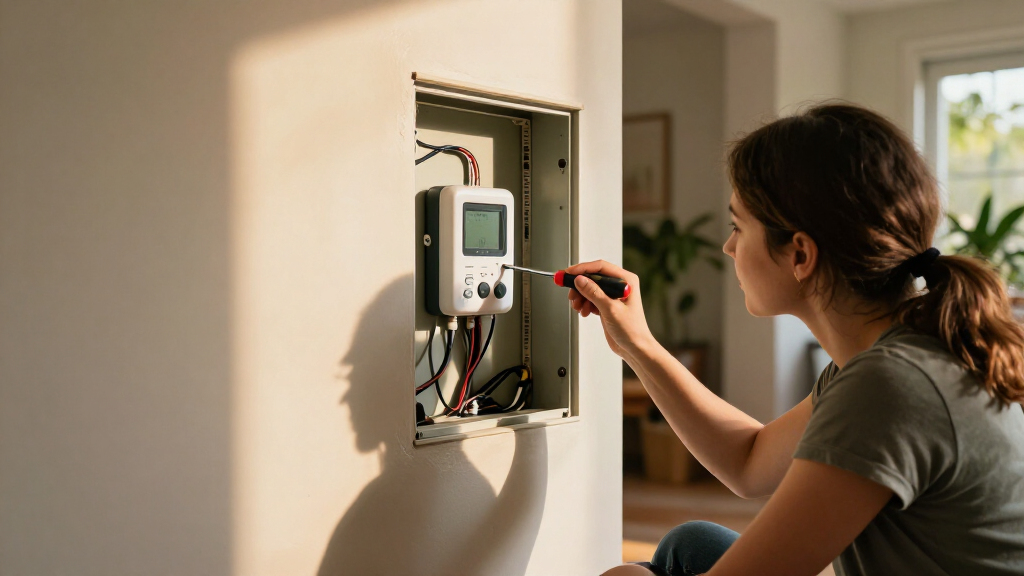
A homeowner writing for GreenBuildingAdvisor described adding a Refoss EM16P electricity monitor to a crowded subpanel serving two heat pumps. Because the monitor did not fit inside the panel, the homeowner installed a separate enclosure and an additional breaker; the account stresses that panel work carries safety and code risks and may require a licensed electrician.
A homeowner who had been monitoring electricity use in an all-electric house since 2022 added a Refoss EM16P monitor for a subpanel serving two heat pumps, after finding the monitor would not fit inside the panel. In a GreenBuildingAdvisor report, the writer describes placing the monitor in a separate weatherproof enclosure and adding a breaker to make the installation work, while warning that electrical-panel work requires careful safety checks and attention to local code.
The installation became necessary as the home’s electrical system grew more complicated. After a basement remodel, the writer had a 200-amp main panel, a basement subpanel, an HVAC subpanel, a panel below the meter and a photovoltaic system. Three monitors were already installed, but the writer wanted another to track the heat pumps’ electricity use.
The HVAC subpanel appeared to have room for the monitor’s current transformers, or CTs, but not for the monitor itself, which the writer said was too large. The solution was to mount the unit in a separate enclosure above the subpanel, connecting the boxes with fittings and conduit. The writer said the panel had an opening at the top that could be used for the connection and that one-inch conduit was just large enough for the project.
The wiring also presented a separate challenge. The monitor needed power and voltage references for both sides of the electrical supply. The existing outlet breaker provided a connection point for one side, but the writer said the heavy-gauge heat-pump wires made a standard pigtail unsuitable for the other. The report says the writer installed a fourth breaker, matching the outlet breaker, rather than connecting the monitor wire directly to a heat-pump breaker. The supplied account says the setup has worked, but does not provide measured energy savings or a detailed account of the monitor’s readings.
Monitoring Heat-Pump Electricity Use
The project shows one practical obstacle for homeowners seeking to track electricity use circuit by circuit: the monitoring equipment may not fit inside an existing panel, even when the CTs can be placed around the conductors. A separate enclosure can provide space for the monitor, but it also adds wiring, fittings and decisions about how to obtain the required electrical references.
For households with heat pumps, monitoring can help identify how much electricity those systems use. The report, however, describes an installation rather than a quantified result: it does not state how much energy the heat pumps consumed or whether monitoring led to lower bills. The immediate takeaway is about equipment placement and installation constraints, not a demonstrated financial return.
The account also matters because a panel can remain dangerous even when a breaker appears to be off. The writer says the subpanel was de-energized by shutting off the upstream breaker and verifying the panel was dead before work began. That warning underscores why readers should not treat the project as a routine do-it-yourself task.
As an affiliate, we earn on qualifying purchases.
A Panel That Filled Up
The homeowner said the first electricity-monitor installation in 2022 was straightforward because there was only one panel to monitor. Later changes to the house left several panels and electrical systems to account for, including the HVAC subpanel that powers two main heat pumps.
The report focuses on that subpanel rather than presenting a general installation guide. The writer describes using an opening in the Square D panel’s top cap, along with compatible fittings, conduit and a weatherproof enclosure. Finding and assembling the parts took several store trips, and the writer said installing the enclosure took most of the project’s time. The account also describes drilling at several points to release a difficult knockout in the enclosure.
These details are specific to the equipment and layout in the writer’s home. Panel designs, wiring arrangements and electrical requirements vary, so the described approach should not be assumed to apply to another installation.
“The monitor is clearly too large to fit into my subpanel.”
— The GreenBuildingAdvisor contributor
home energy monitor for heat pumps
As an affiliate, we earn on qualifying purchases.
As an affiliate, we earn on qualifying purchases.
Code and Results Vary
The supplied report does not specify whether the installation was inspected, which local electrical-code requirements applied or whether the same enclosure and breaker arrangement would be allowed in another jurisdiction. It also does not give before-and-after energy readings, the cost of the equipment or evidence of savings. The writer presents the work as a personal account, not professional advice.
Readers also cannot determine from the account alone whether their own panel has a compatible opening, enough space for conduit or an appropriate way to provide the monitor’s electrical references. Those questions depend on the panel, circuit layout and local requirements and should be assessed by a qualified professional.
As an affiliate, we earn on qualifying purchases.
Professional Review Before Similar Work
The homeowner says the monitor has continued working since installation, but the report does not identify a later inspection, additional performance data or a planned follow-up. No broader change to installation guidance or electrical rules is reported.
Anyone considering similar monitoring should first check the monitor maker’s instructions and local code requirements, then consult a licensed electrician about panel capacity, wiring and enclosure placement. Electrical work should not begin until the relevant equipment is safely de-energized and that condition has been verified with appropriate testing; a breaker’s off position alone is not proof that a panel is safe.
circuit breaker for heat pump monitoring
As an affiliate, we earn on qualifying purchases.
As an affiliate, we earn on qualifying purchases.
Key Questions
What problem did the homeowner encounter?
The Refoss EM16P monitor was too large to fit inside the HVAC subpanel, although the writer found room for its current transformers.
How did the homeowner make space for the monitor?
The writer installed a separate weatherproof enclosure above the subpanel and connected the boxes with fittings and conduit. The report says one-inch conduit was just large enough in this installation.
Why was another breaker added?
The monitor needed electrical references for both sides of the supply. The writer said the existing heat-pump wires were too heavy for the standard pigtail arrangement and added a fourth breaker rather than connecting the monitor wire directly to a heat-pump breaker.
Is the report a do-it-yourself installation guide?
No. The writer describes a personal project and says the panel was de-energized and verified dead before work began. The report advises readers who are unsure to consult a licensed electrician and check local electrical requirements.
Did the monitor reduce the home’s electricity use?
The report says the installation has worked, but gives no energy readings or evidence that monitoring reduced electricity use or bills.
Source: rss
Fall Picks
fall essentials
As an affiliate, we earn on qualifying purchases.