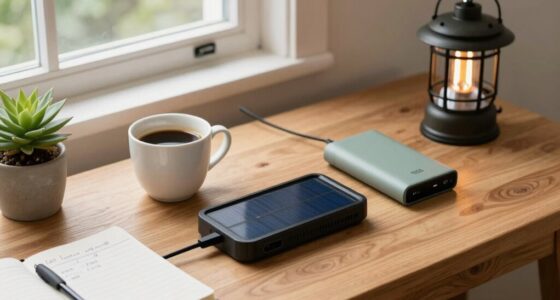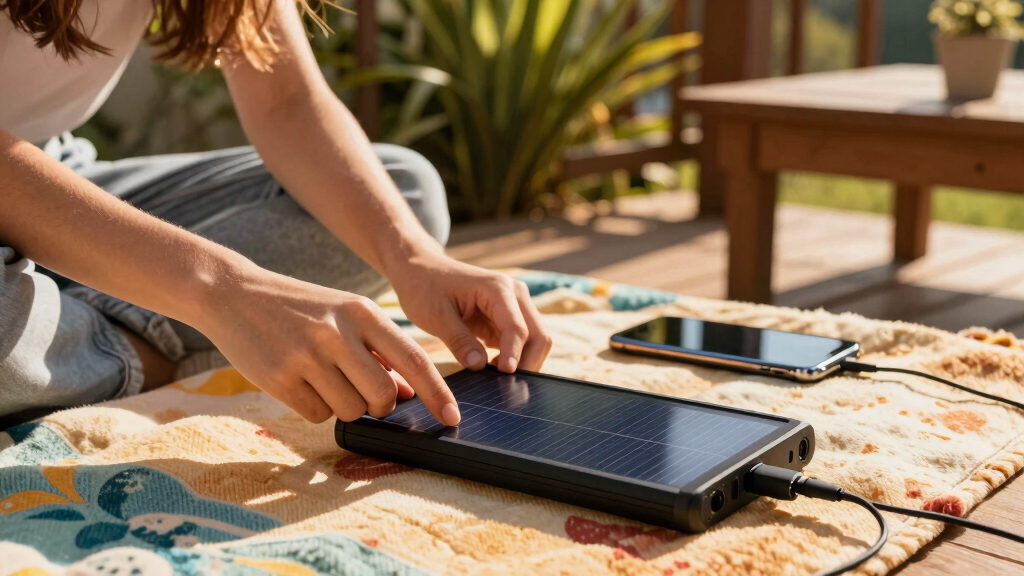

This guide helps students understand how to select, set up, and use portable solar chargers to keep devices powered during classes, trips, or outdoor activities. It covers practical steps to ensure reliable charging, even in low sunlight. Designed for beginners, the process takes about 30 to 60 minutes.

Get backup power and energy gear delivered free with Prime
- Fast, free delivery on millions of items
- Prime Video, Amazon Music and more included
- Member-only deals all year
Difficulty: Beginner | Time: 30-60 minutes
What You’ll Need
Tools & Materials:
- Portable solar charger
- USB charging cable(s)
- Devices to charge (smartphone, tablet, etc.)
Knowledge:
- Basic understanding of USB charging and sunlight exposure
Ensure your solar charger is compatible with your devices’ charging ports. Fully read the charger’s manual for specific instructions.
portable solar charger for smartphones
As an affiliate, we earn on qualifying purchases.
As an affiliate, we earn on qualifying purchases.
Before You Start
Check the weather forecast to ensure sufficient sunlight. Avoid setting up in shaded or overly cloudy areas. Verify your devices’ charging requirements to match the solar charger’s output.
As an affiliate, we earn on qualifying purchases.
Step-by-Step Instructions
Step 1: Select a suitable location for setup
Identify a spot outdoors with unobstructed access to direct sunlight, such as an open field, park, or rooftop. Ensure the area is free from shade caused by trees, buildings, or other objects. Position yourself so the sunlight hits the solar panel directly without reflections or shadows.
Tip: Position the charger at a 45-degree angle toward the sun for maximum efficiency.
Check: You can see the solar panel fully exposed to sunlight and not shaded.
Step 2: Unpack and prepare your solar charger
Carefully remove the solar charger from its packaging, checking for any protective films or plastic covering the panels. Gently peel off or remove these protective layers. Gather your USB charging cables and inspect them for any signs of damage or fraying.
Tip: Inspect the solar panel for dirt, dust, or debris; clean gently with a soft, dry cloth to ensure optimal sunlight absorption.
Check: The solar panel is clean, free of obstructions, and ready for use.
Step 3: Connect your device to the solar charger
Insert the USB cable into the solar charger’s designated output port. Connect the other end of the cable to your device’s charging port. Make sure the connection is secure and snug to prevent disconnections during charging.
Tip: Use the cable recommended by the manufacturer or one that is compatible with your device to ensure efficient power transfer.
Check: Your device displays a charging indicator, such as a battery icon with a lightning bolt or a notification confirming charging activity.
Step 4: Monitor sunlight and device charging
Observe the solar panel periodically to ensure it remains in direct sunlight. Adjust the angle of the panel if sunlight shifts or diminishes. Keep an eye on your device’s screen to confirm it is actively charging, indicated by increasing battery percentage or charging icons.
Tip: Tilt or reposition the solar panel as needed to follow the sun’s movement, especially during longer charging periods.
Check: Your device’s battery percentage increases steadily over time, confirming effective charging.
Step 5: Disconnect when charging is complete or sunlight diminishes
Unplug your device once it reaches full charge to prevent overcharging. Also, disconnect if sunlight becomes obstructed or diminishes significantly, which can slow or stop charging.
Tip: Avoid leaving devices connected in low-light conditions to prevent slow or incomplete charging cycles. Regularly check the device’s battery status during prolonged charging sessions.
Check: Your device is fully charged or not actively charging when disconnected, indicating safe and complete charging.
As an affiliate, we earn on qualifying purchases.
Common Mistakes to Avoid
- Positioning the solar panel in shaded areas — Always place the panel in direct sunlight, avoiding shadows from trees, buildings, or other objects that can block sunlight and reduce charging efficiency.
- Using incompatible or poor-quality cables — Use only cables recommended by the solar charger manufacturer or certified compatible cables to ensure safe and efficient power transfer. Avoid generic or damaged cables that may cause charging issues.
- Overloading the solar charger with multiple devices at once — Check the maximum output capacity of your solar charger. Connect only one device at a time or ensure the combined power requirements of multiple devices do not exceed the charger’s limits to prevent damage or slow charging.
As an affiliate, we earn on qualifying purchases.
Troubleshooting
Problem: Device not charging despite sunlight
Solution:
Ensure all connections are secure, the solar panel is positioned in direct sunlight, and your device’s charging port and cable are functioning correctly. Test with a different cable or device if needed.
Problem: Solar charger not producing power
Solution:
Inspect the solar panel for dirt, debris, or damage. Clean the panel gently if dirty. Reposition the panel in better sunlight, ensuring it is oriented correctly. Test with a different device or cable to rule out equipment issues.
What Success Looks Like
The device shows an increasing battery percentage indicating it is charging. The solar charger remains in direct sunlight with no shading, and the device charges steadily over time.
Next Steps
Regularly clean the solar panel to maintain efficiency. Store the charger in a cool, dry place when not in use. Test the setup periodically to confirm continued functionality. Consider carrying backup cables or a portable power bank for backup.
Frequently Asked Questions
How long does it take to fully charge a device with a portable solar charger?
Charging time varies based on sunlight intensity, device battery size, and charger capacity. Expect anywhere from 1 to several hours in good sunlight.
Can I charge multiple devices at once with a portable solar charger?
Only if the charger supports multiple outputs and can handle the combined power load. Otherwise, charge one device at a time for efficiency.
Is a portable solar charger reliable in cloudy weather?
Charging slows significantly in overcast conditions but may still provide some power. For consistent charging, use in direct sunlight whenever possible.
How do I know if my solar charger is working properly?
When in sunlight, the charger’s indicator lights or display (if available) should show activity. Your device should show signs of charging, such as a battery icon updating.
Halloween Picks
halloween
As an affiliate, we earn on qualifying purchases.