TL;DR
Prime for Young Adults — start your free trial
Fast free delivery, streaming and member deals for eligible 18–24 year olds.
As an affiliate, we earn on qualifying purchases.
China’s largest integrated solar-hydrogen-storage project in Jiangsu has completed construction and is preparing for full operation by August 2026. It combines a 400 MW PV plant, battery storage, and green hydrogen production in a single system, marking a significant step in renewable energy integration.
China’s largest integrated solar-hydrogen-storage project, developed by CHN Energy in Jiangsu province, has completed construction and is nearing operational startup, with hydrogen production scheduled to begin in August 2026. This development highlights China’s efforts to combine renewable energy generation with green hydrogen production in a single, large-scale system.
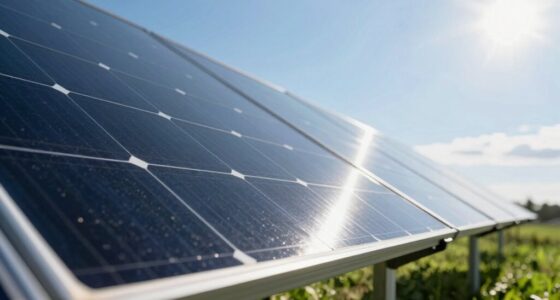
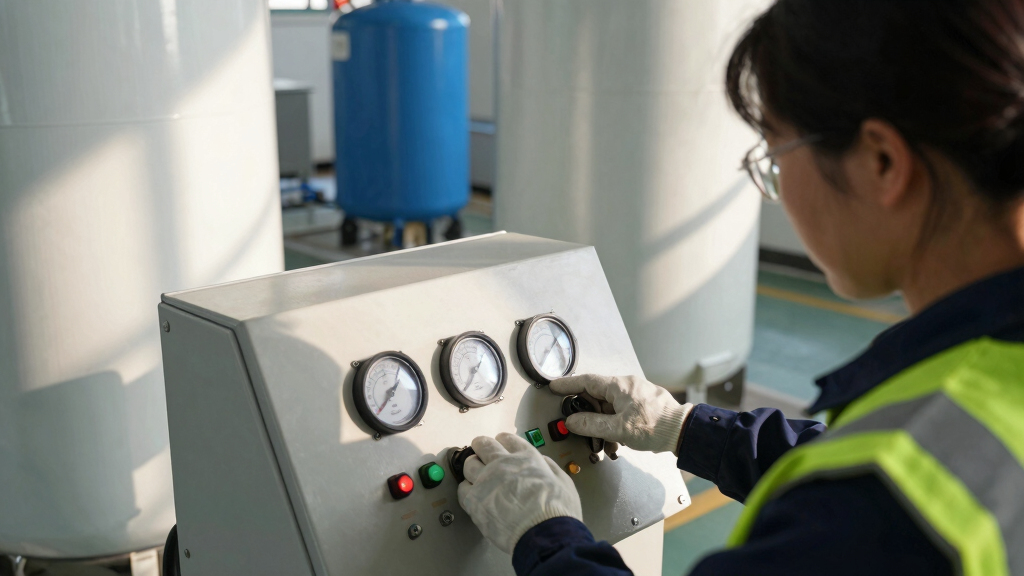
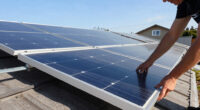
The project, located in the Yudong tidal-flat area near Yangkou Port in Rudong county, includes a 400 MW coastal photovoltaic (PV) plant, a 60 MW/120 MWh battery energy storage system, and a green hydrogen facility capable of producing 482 tons annually. The system also features a 220 kV shore-based substation and hydrogen refueling capacity of 500 kg per day.
Construction was completed on June 10, 2026, after joint commissioning of its components, with performance metrics meeting initial design expectations. The hydrogen production facility is in its final commissioning stage and is expected to begin full operations in August 2026. The PV plant achieved full grid connection on April 29, 2025, and the entire integrated system is designed to operate seamlessly, with surplus solar power directly supplying the electrolyzer via a dedicated submarine cable.
CHN Energy states the project will generate approximately 468 GWh of electricity annually, enough to power nearly 200,000 households, while producing 482 tons of high-purity green hydrogen each year. The project also incorporates ecological restoration measures, occupying about 2.9 km2 of tidal-flat land as part of coastal wetland and Spartina control programs.
Implications of China’s Largest Solar-Hydrogen System
This project exemplifies China’s move toward integrated renewable energy systems, combining large-scale solar power, energy storage, and green hydrogen production within a single infrastructure. Its successful operation could serve as a model for future renewable energy projects, demonstrating how coastal PV, battery storage, and hydrogen can work together to enhance energy sustainability and reduce emissions.
By directly coupling solar generation with hydrogen production, the project aims to increase local renewable electricity consumption, reduce reliance on the grid, and promote green hydrogen as a clean fuel source. Its demonstration of integrated operations could accelerate the adoption of similar systems across China and globally, supporting broader decarbonization efforts.
As an affiliate, we earn on qualifying purchases.
Background on China’s Renewable Energy and Hydrogen Initiatives
China has been rapidly expanding its renewable energy capacity, with large-scale solar and wind projects under development as part of its climate commitments. The country’s third batch of large-scale wind and solar power bases includes several projects aimed at combining generation with energy storage and green hydrogen production.
This project in Jiangsu is among the largest in China to integrate these components, reflecting a strategic shift toward more complex, multifunctional renewable infrastructure. The development aligns with China’s broader goals to promote green hydrogen as a key element of its future energy landscape and to reduce carbon emissions from its industrial and transportation sectors.
Construction milestones, such as the full connection of the PV plant in April 2025, have demonstrated progress, but operational challenges remain, particularly in scaling hydrogen production and ensuring system stability. The project’s ecological measures also highlight a focus on balancing energy development with environmental restoration.
“This project represents a significant step in demonstrating how coastal solar, storage, and hydrogen can be integrated at scale.”
— an anonymous researcher
large-scale battery energy storage system
As an affiliate, we earn on qualifying purchases.
As an affiliate, we earn on qualifying purchases.
Unresolved Aspects of System Performance and Scale
While the project has completed construction and is in final commissioning stages, it remains unclear how the hydrogen facility will perform once fully operational, including its actual hydrogen output and efficiency under real-world conditions. The long-term stability of the integrated system and its scalability as a model for broader deployment are also still to be demonstrated.
green hydrogen production equipment
As an affiliate, we earn on qualifying purchases.
As an affiliate, we earn on qualifying purchases.
Next Steps for System Testing and Broader Deployment
The hydrogen facility is expected to begin operations in August 2026, after final equipment commissioning. Following this, detailed performance assessments will be conducted to evaluate efficiency and stability. If successful, the project could pave the way for similar integrated renewable energy systems across China and other countries, supporting global decarbonization efforts.
coastal photovoltaic solar panels
As an affiliate, we earn on qualifying purchases.
As an affiliate, we earn on qualifying purchases.
Key Questions
When will the hydrogen production facility start operating?
The hydrogen facility is scheduled to begin full operations in August 2026 after completing final equipment commissioning.
How much electricity does the project generate annually?
The PV plant is expected to generate about 468 GWh of electricity each year, enough to power nearly 200,000 households.
What is the significance of this project for China’s energy goals?
It demonstrates how large-scale renewable generation can be integrated with energy storage and green hydrogen, supporting China’s efforts to decarbonize and promote sustainable energy solutions.
What environmental measures are included in the project?
The project includes coastal ecological restoration efforts, covering approximately 2.9 km2 of tidal-flat land as part of wetland and Spartina control programs.
Could this project serve as a model for other countries?
Yes, its integrated approach to renewable generation, storage, and hydrogen production could inform similar projects worldwide, especially in coastal regions.
Source: PV Magazine
Fall yard work Picks
leaf blowers
As an affiliate, we earn on qualifying purchases.