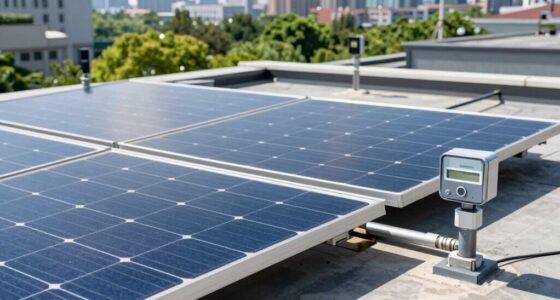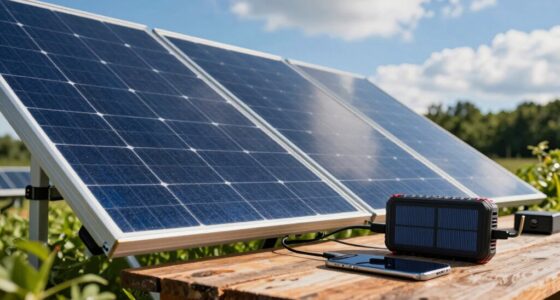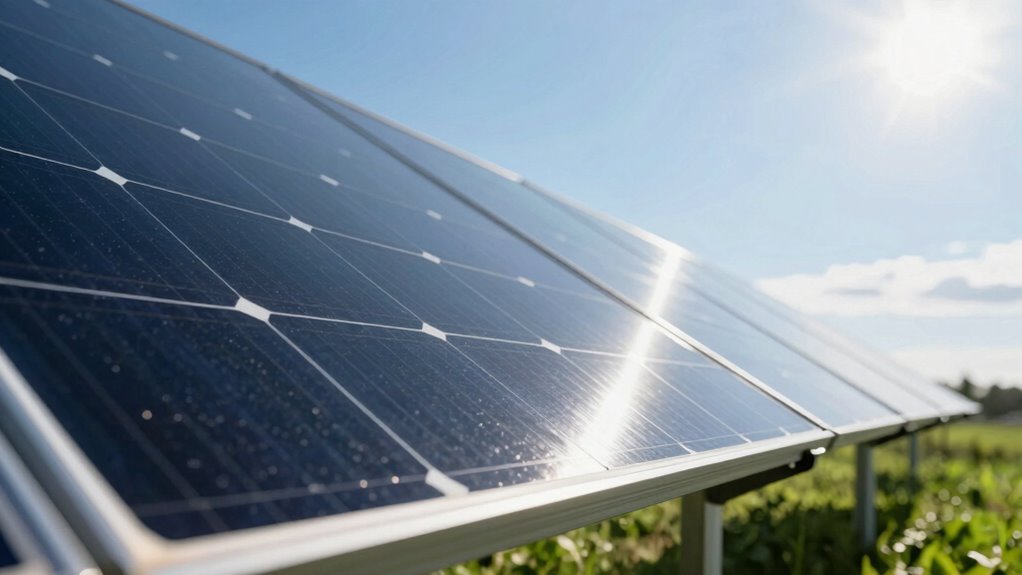

When solar input is high, your system charges faster because it collects more energy quickly, especially during clear, sunny days. Bright sunlight boosts recharge rates and improves efficiency, but weather changes like clouds or rain can slow this process down. Rapid recharge can stress your batteries over time, so managing solar input and system settings is important. Curious about how to optimize your system for fluctuating sunlight? Keep exploring to get more tips.

Get backup power and energy gear delivered free with Prime
- Fast, free delivery on millions of items
- Prime Video, Amazon Music and more included
- Member-only deals all year
Key Takeaways
- High solar input accelerates the energy absorption rate, leading to faster battery recharge times.
- Bright, sunny conditions maximize solar panel efficiency, boosting real-world recharge speed.
- Excessively intense sunlight can stress batteries, potentially reducing overall recharge efficiency over time.
- Weather variability can cause fluctuations in solar input, causing inconsistent recharge speeds.
- Proper system management ensures high solar input optimizes recharge speed without damaging batteries.
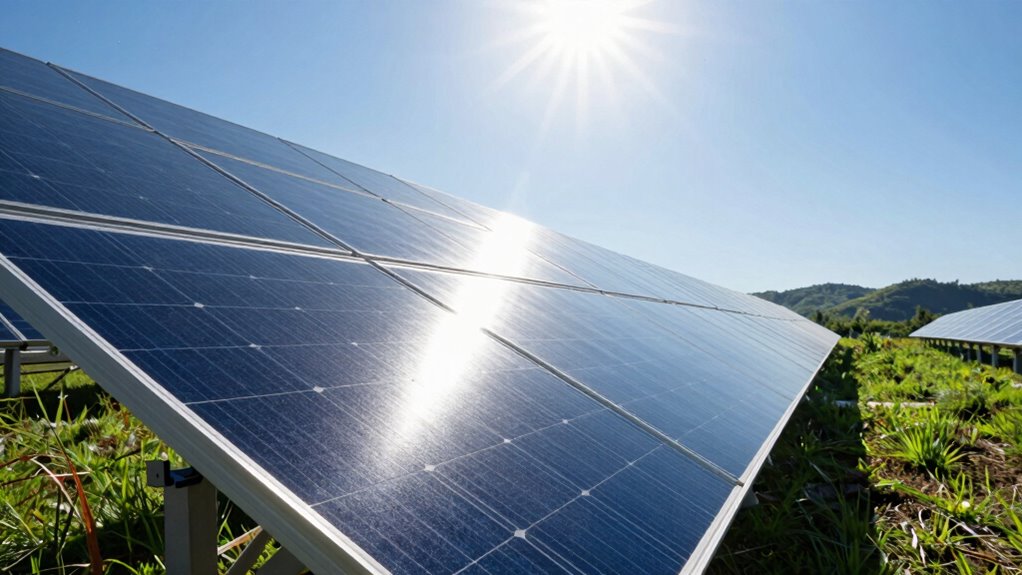
When the sun shines brightly and consistently, it considerably boosts the recharge speed of solar batteries or panels. High solar input means your system receives ample sunlight, allowing for quicker energy absorption and faster charging times. However, this ideal scenario doesn’t always last. Weather variability plays a crucial role in how much sunlight your panels receive from day to day. Cloud cover, rain, snow, or fog can significantly reduce solar input, slowing down the recharge process. On cloudy days, the efficiency of your panels drops, and you’ll notice a slower rate of energy collection, even if the system is functioning properly. This fluctuation can make it seem like your system’s performance is inconsistent, but it’s just weather playing its part. Additionally, high solar input can lead to increased battery stress, which over time may impact overall system longevity. While high solar input can speed up recharge times, it also accelerates the natural process of battery degradation over time. When your batteries are exposed to frequent, intense charging cycles, their capacity gradually diminishes. This isn’t an immediate issue, but over years, you may find your batteries holding less charge than when they were new. The cycle of rapid charging and discharging, especially under high sunlight conditions, can stress the internal components of your batteries, leading to faster wear and tear. To maximize battery lifespan, it’s important to monitor these fluctuations and avoid overcharging during periods of intense sunlight. Proper system management, including using charge controllers, can help mitigate the effects of battery degradation caused by high solar input. Moreover, understanding the solar irradiance levels in your region can help you better plan your energy needs and storage capacity. Recognizing weather patterns can also help you optimize your system’s performance and energy management strategies. Weather variability also influences how consistently your system can recharge. On clear, sunny days, your panels operate at optimal efficiency, and you can expect rapid energy accumulation. But in regions with unpredictable weather, the variability can challenge your energy management plans. You might experience periods of abundant recharge followed by days of limited sunlight, which affects your overall energy storage and availability. This inconsistency can be frustrating, especially if you rely heavily on stored solar energy for everyday needs. To counteract this, many systems incorporate batteries with larger capacities or supplemental energy sources, helping you maintain a steady power supply despite weather fluctuations. Being aware of solar panel efficiency under different conditions can further enhance your system’s performance and longevity.
solar charge controller for batteries
As an affiliate, we earn on qualifying purchases.
As an affiliate, we earn on qualifying purchases.
Frequently Asked Questions
Does Weather Impact Solar Input Consistency?
Yes, weather impacts solar input consistency. When cloud cover increases, it blocks sunlight, reducing the energy your solar panels receive. Atmospheric interference, like haze or pollution, also diminishes solar efficiency by scattering sunlight. These conditions cause fluctuations in your system’s recharge speed, making it less predictable. To optimize performance, consider local weather patterns and install systems that can adapt or compensate for these variations.
Can Shading Reduce Recharge Efficiency?
Shading acts like an umbrella, casting shadows that block sunlight and slow down your recharge. Shading effects from trees, buildings, or obstacles interfere with direct solar input, turning your solar panel into a dim candle rather than a blazing torch. This interference reduces the panel’s ability to absorb solar energy efficiently, making your recharge process sluggish. To keep your panel energized, avoid shading and clear obstacles that block sunlight’s path.
How Does Panel Angle Influence Solar Input?
You influence solar input by adjusting your panel tilt, which directly impacts sun exposure. When you tilt the panel correctly, it captures more sunlight throughout the day, especially when the sun’s position shifts. Proper panel angles maximize energy absorption, leading to faster recharge speeds. Conversely, an improper tilt reduces sun exposure, lowering overall efficiency. As a result, optimizing your panel angle ensures you harness the maximum solar input for quicker recharging.
Are There Seasonal Variations in Recharge Speed?
Sure, seasonal fluctuations in solar energy mean your recharge speed isn’t a steady superhero cape flying high. Instead, it’s like that friend who’s punctual in summer but forgets daylight savings in winter. As seasons change, shorter days and cloudier skies reduce solar input, slowing down your recharge. So, you’ll recharge faster in summer’s sunny glow and slower when winter’s gloom takes over—nature’s own rollercoaster of solar energy.
What Maintenance Improves Solar Input Performance?
To improve your solar input performance, regularly clean your panels to remove dust, dirt, and debris that block sunlight. Make sure your inverter is properly calibrated so it accurately converts solar energy into usable power. These maintenance steps help maximize recharge speed, especially during seasons with high sunlight. Consistent cleaning and inverter checks keep your system operating efficiently, allowing you to harness the full potential of available sunlight and optimize your energy production.
As an affiliate, we earn on qualifying purchases.
Conclusion
When solar input is high, your device recharges quickly, quickly boosting your energy, quickly powering your day. As sunlight strengthens, your battery fills faster, your plans unfold smoother, your independence grows stronger. High solar input transforms waiting into action, delays into progress, downtime into uptime. Embrace the power of the sun, harness its energy, and watch your device recharge at lightning speed, fueling your adventures and ambitions with every bright ray.
As an affiliate, we earn on qualifying purchases.
As an affiliate, we earn on qualifying purchases.
Halloween Picks
halloween
As an affiliate, we earn on qualifying purchases.