To plan solar recharging for batteries, phones, and small devices, start by estimating your daily energy needs and selecting the right battery capacity. Choose efficient solar panels that match your location’s sunlight hours and optimize their placement to avoid shade. Consider seasonal and weather variations to guarantee consistent charging. Using a quality charge controller and backup power options can improve reliability. Keep these factors in mind, and you’ll find it easier to set up an effective solar recharge system.

Get backup power and energy gear delivered free with Prime
- Fast, free delivery on millions of items
- Prime Video, Amazon Music and more included
- Member-only deals all year
Key Takeaways
- Determine battery capacity and device power needs to size the solar panel system accurately.
- Choose high-efficiency solar panels and optimal placement to maximize sunlight absorption.
- Account for seasonal and weather variations to ensure reliable recharging year-round.
- Use a quality charge controller and consider backup options for low-light or cloudy days.
- Match system size to daily usage patterns for efficient and consistent device recharging.
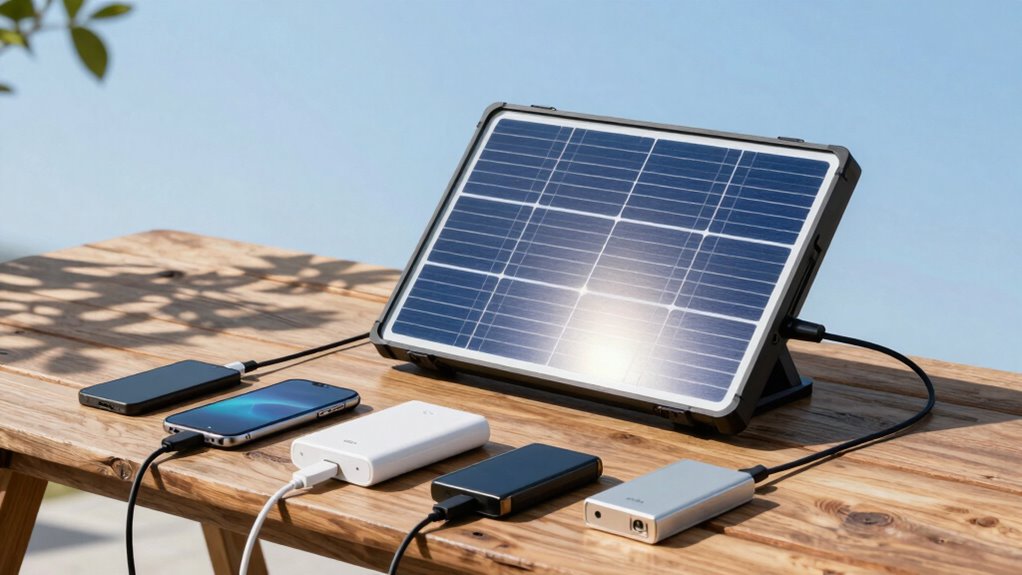
Have you ever considered how crucial proper planning is for effective solar recharging? When you’re relying on solar energy to power your batteries, phones, and small devices, understanding the basics can make all the difference. One of the first things you need to evaluate is your battery capacity. Knowing how much energy your batteries can store helps you determine how many solar panels you’ll need and how long it’ll take to recharge them fully. If your batteries have a large capacity, you’ll require a more substantial or more efficient solar setup to meet your needs efficiently. Conversely, smaller batteries require less energy, making the process simpler and quicker.
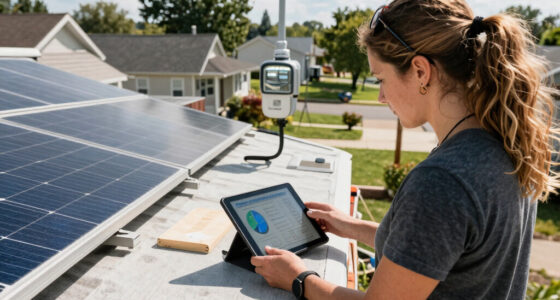
Next, you must pay close attention to your solar panel efficiency. Not all solar panels perform equally, especially in varying sunlight conditions. Higher efficiency panels convert more sunlight into usable electricity, which means you can recharge your devices faster with less space and fewer panels. When planning your setup, opt for panels with high efficiency ratings, especially if you’re limited on space or need to maximize power in low-light conditions. Keep in mind that efficiency isn’t just about the panel itself; factors like shading, orientation, and angle also influence performance. Proper placement ensures your panels absorb the maximum amount of sunlight during peak hours, dramatically improving your recharging times. Additionally, understanding the location’s sunlight hours** can help you customize your system for optimal performance. Knowing how the solar insolation varies throughout the year can further refine your recharging strategy to match seasonal changes. It’s also beneficial to familiarize yourself with local weather patterns, as they can further influence your solar recharging efficiency. Being aware of cloud cover patterns** allows you to better anticipate potential downtimes and plan backup options accordingly.
Higher efficiency panels boost recharging speed and save space, especially in low-light or shaded conditions.
It’s also essential to consider the seasonal variations in sunlight, as they can significantly impact your system’s effectiveness throughout the year. As you plan your solar recharging system, consider the typical sunlight hours in your location. Longer, sunnier days mean faster recharges, but during cloudy or shorter days, your system needs to be more robust. To guarantee your small devices stay powered consistently, you might want to invest in larger battery capacity or additional panels to compensate for less sunlight. It’s also wise to incorporate a quality charge controller, which regulates the power flow, preventing overcharging and prolonging your batteries’ lifespan. Planning for backup power sources can further ensure your devices remain powered during unexpected low-light conditions or system outages.
Finally, think about your daily usage patterns. If you only need to recharge your phone occasionally, a small, portable solar panel with a modest battery bank might suffice. However, if you’re planning to run multiple devices or larger batteries, you’ll need a more extensive system designed with higher capacity and efficiency in mind. Planning ahead by understanding these elements ensures your solar setup will be reliable, efficient, and tailored to your specific needs, saving you time and energy in the long run.
Products Worth Considering

Bose SoundLink Plus Portable Bluetooth Speaker, Wireless Outdoor Speaker, Up to 20 Hours Battery Life, Waterproof and Dustproof, Black

Bose SoundLink Flex Bluetooth Speaker (2nd Gen), Waterproof, Dustproof, USB‑C, Up to 12 hr Battery, Black

Shark HydroVac MessMaster Corded Wet Dry Vacuum and Mop (WD161)
As an affiliate, we earn on qualifying purchases.
Frequently Asked Questions
How Long Does a Typical Solar Recharge Take?
A typical solar recharge takes anywhere from a few hours to a full day, depending on your battery capacity and charging speed. Smaller devices with lower capacity recharge faster, often within 2-4 hours of good sunlight. Larger batteries with higher capacity might take 6-12 hours or more to fully recharge. To optimize, verify your solar panel receives direct sunlight and matches the battery’s charging requirements.
What Are the Best Portable Solar Panel Options?
You need the best portable solar panel that packs a punch—look for one with incredible portable efficiency and unmatched panel durability. The Renogy 100W Foldable Solar Panel is a game-changer, folding easily into a compact form yet delivering powerful energy. Its rugged build withstands the elements, making it perfect for adventures. Or consider the Anker PowerPort Solar Lite for lightweight portability and solid performance. Either way, you’ll recharge faster than you imagined!
Can Solar Chargers Work Indoors?
Yes, solar chargers can work indoors, but their efficiency depends on the available indoor sunlight or artificial lighting. You’ll need a location with plenty of natural light or strong artificial lighting for the solar panels to generate enough power. Place the charger near a window with direct sunlight or under bright indoor lights. Keep in mind that indoor recharging is less efficient than outdoor, so it’s best for emergency or low-power needs.
How Do Weather Conditions Affect Solar Recharging?
A stitch in time saves nine, and understanding weather variability helps you optimize solar recharging. Cloudy days, atmospheric interference, and shorter daylight hours reduce sunlight exposure, lowering your charger’s efficiency. You might need to rely on larger panels or backup power sources. Keep an eye on weather forecasts, position your solar panels for maximum sun, and stay flexible to guarantee your devices stay powered, no matter the weather.
What Safety Precautions Should I Follow?
You should always wear safety gear like gloves and goggles when handling solar equipment to prevent injuries. Keep an eye out for fire hazards, especially if wiring overheats or sparks. Make sure your setup is in a well-ventilated area and avoid overloading your system. Regularly inspect connections and batteries for damage, and never leave charging devices unattended overnight. These precautions help protect you and your equipment while safely harnessing solar power.
Conclusion
As the sun dips below the horizon, imagine your portable solar panel basking in the fading light, quietly soaking up energy. With a little planning, you can keep your batteries, phones, and small devices charged, like a gentle tide replenishing the ocean’s flow. When the next sunbeam arrives, it’s ready to power your adventures, ensuring you stay connected and energized no matter where your journey takes you. Embrace the glow and stay charged.