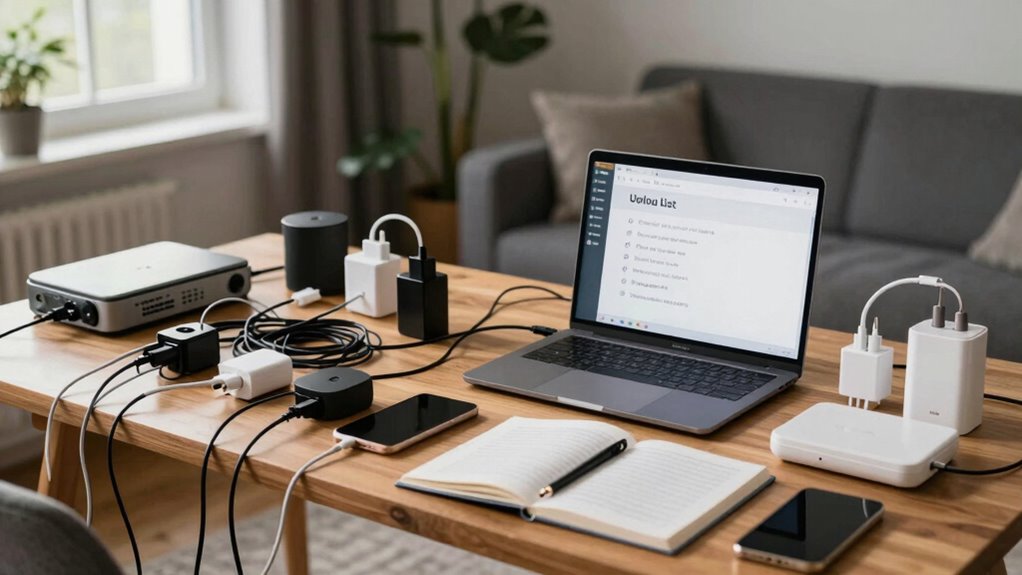

When your power comes back on, first confirm it’s restored using your main breaker or utility updates. Unplug sensitive electronics like computers, TVs, and appliances to prevent surge damage. Consider installing surge protectors and regularly inspecting them for signs of wear. Stay safe by keeping your system grounded and following safety tips. To learn more about building a reliable surge prevention routine, keep exploring effective strategies that protect your devices long-term.
Key Takeaways
- Unplug sensitive electronics immediately after power restoration to prevent damage from voltage surges.
- Use surge protectors on essential devices to mitigate the risk of power surges.
- Confirm power is stable before reconnecting critical electronics, avoiding sudden surges.
- Inspect surge protectors regularly and replace them if their indicators show end-of-life.
- Develop a routine to unplug and turn off devices before storms or outages for added safety.

Power Strip,SUPERDANNY 5000 Joules Surge Protector with 13 AC Outlets 2 USB-A & 2 USB-C PD 20W Fast Charging Heavy Duty 14AWG/3C Industrial Grade Extension Cord for Workbench Home Office Black
Heavy Duty Power Strip: SUPERDANNY 15A/1875W heavy duty power strip features 13 widely-spaced outlets and 4 fast-charging USB…
As an affiliate, we earn on qualifying purchases.
As an affiliate, we earn on qualifying purchases.
Recognizing When Power Is Restored
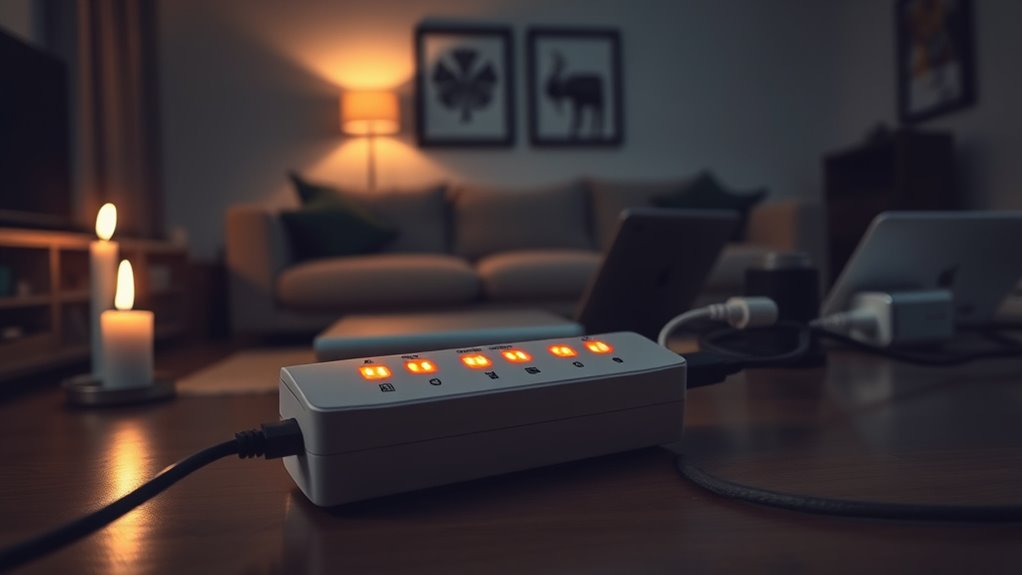
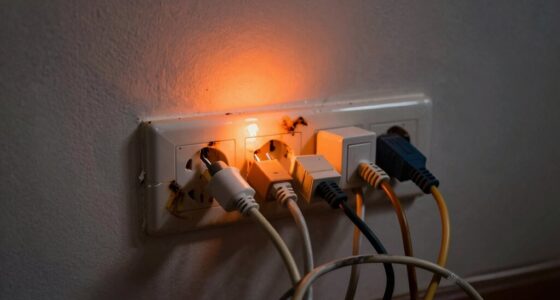
Knowing exactly when your power has been restored is essential for protecting your electronics and appliances. You should pay attention to the main circuit breaker or your utility’s notification system to confirm restoration. Often, lights and devices in your home will turn back on suddenly, signaling that power is back. However, avoid immediately plugging in sensitive electronics; power can be unstable just after restoration. Listen for unusual noises or see flickering lights, which may indicate ongoing surges or voltage fluctuations. Use a reliable voltage indicator or smart home monitoring device to confirm stable voltage levels. Recognizing the precise moment power returns allows you to plan your next steps—either safely reconnect devices or wait until voltage stabilizes to prevent damage. Additionally, understanding power restoration processes can help you better interpret the signals your home provides during outages and recoveries. Being aware of voltage fluctuations can further protect your devices from potential harm during this critical period. Familiarizing yourself with surge protection options can also minimize the risk of damage during these fluctuations. Monitoring restoration signals can give you real-time insights into when it is safe to reconnect sensitive equipment. Knowing how to identify voltage stability can ensure your electronics are protected from harm once power is back.
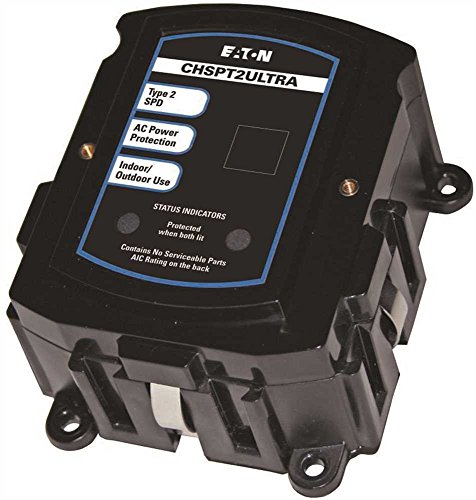
Eaton CHSPT2ULTRA Ultimate Surge Protection 3rd Edition, 2.38" Length, 5.25" Width 7.5" Height
Universally connects to any manufacturer’s load center (breaker box)
As an affiliate, we earn on qualifying purchases.
As an affiliate, we earn on qualifying purchases.
The Critical Unplugging Checklist for Sensitive Devices
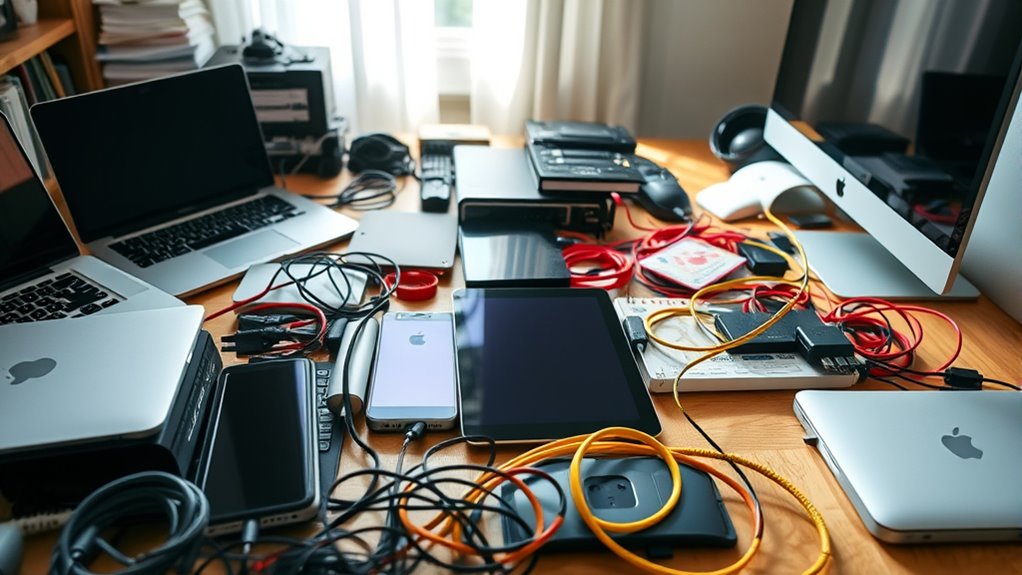
When a power outage occurs, it’s crucial to take immediate steps to protect your sensitive electronic devices. First, unplug all critical equipment—computers, NAS devices, gaming consoles, and home entertainment systems—to prevent damage from restoration surges. Turn off major appliances like HVAC units, water heaters, and washers/dryers, then disconnect their power sources or switch off main breakers. If possible, use surge protectors with high joule ratings for remaining essential devices. Maintain a checklist to ensure nothing is overlooked. Incorporating connected equipment and smart surge protection devices can further enhance your home’s resilience against power fluctuations. Regularly test and replace surge protectors, and consider installing whole-home surge protection for added safety. This proactive approach minimizes risks and preserves your electronics’ longevity. Additionally, staying informed about power outage safety best practices can help you respond effectively during emergencies. Understanding electrical system fundamentals can also aid in troubleshooting and ensuring your home’s safety during power restoration. Implementing surge protection strategies is a key component of a comprehensive home safety plan. Being aware of common electrical issues can also help prevent damage during power surges.

KAIWEETS Voltage Tester/Non-Contact Voltage Tester with Signal Percentage, Dual Range AC 12V/70V-1000V, Live/Null Wire Tester, Electrical Tester with LCD Display, Buzzer Alarm, Wire Breakpoint Finder
SAFETY FIRST: It will send out multiple alarms through sound and light. When the voltage is detected, the…
As an affiliate, we earn on qualifying purchases.
As an affiliate, we earn on qualifying purchases.
Implementing a Multi-Layer Surge Protection System
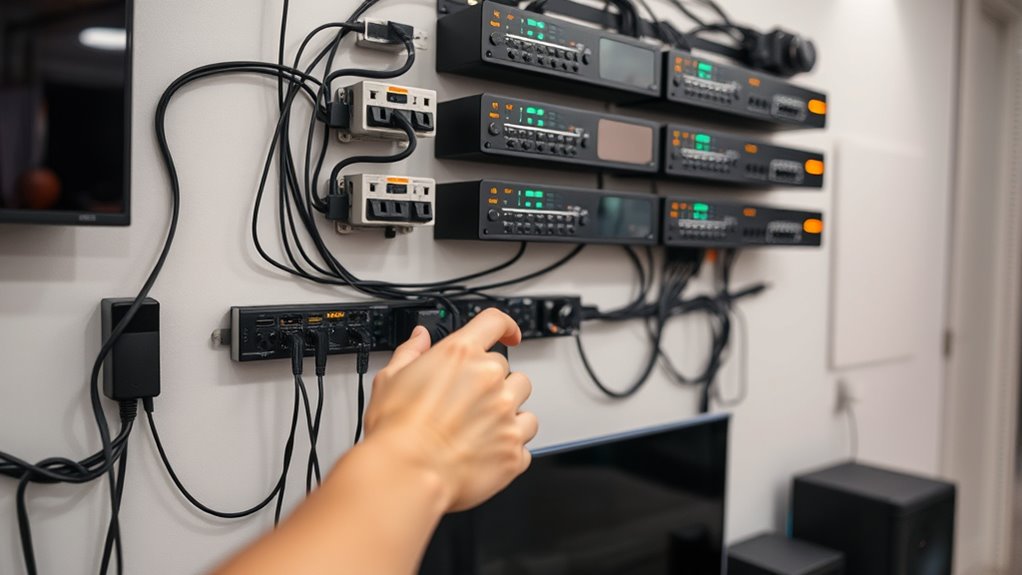
Implementing a multi-layer surge protection system enhances your home’s defense against power surges during outages and storms. You’re creating a robust barrier that minimizes damage and preserves your electronics. Start by installing a whole-home surge protector at the main panel, blocking large external surges at the source. Complement this with point-of-use surge strips on sensitive devices, providing extra protection at critical points. Consider line‑interactive UPS systems for devices that need constant power, such as medical equipment or servers. Additionally, choosing reliable surge protection solutions ensures your system is properly rated for your home’s needs. Proper grounding and surge protection standards are essential to ensure your system’s effectiveness and safety. Ensuring your system adheres to electrical codes helps maintain safety and effectiveness over time. Being aware of how home security measures can protect your property during power disruptions adds an extra layer of safety to your preparations. Be sure to:
- Feel confident knowing your devices are shielded from unpredictable surges
- Gain peace of mind during storms and power restoration
- Protect your investments from costly repairs and data loss
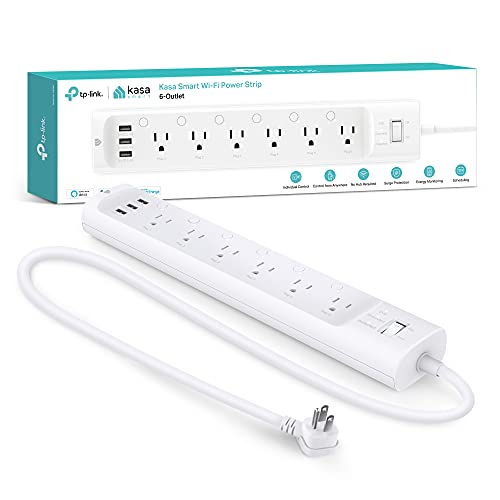
Kasa Smart Plug Power Strip HS300, Surge Protector with 6 Individually Controlled Smart Outlets and 3 USB Ports, Works with Alexa & Google Home, No Hub Required
6 smart outlets: Independently control 6 smart outlets, and charge 3 devices with built in USB ports; Ideal…
As an affiliate, we earn on qualifying purchases.
As an affiliate, we earn on qualifying purchases.
Post-Restoration Inspection and Maintenance Tips
After restoring power, it’s important to thoroughly inspect and test your electronics and appliances for any signs of damage or malfunction. Check for unusual noises, overheating, or irregular operation. Reset devices following manufacturer instructions, especially microcontrollers or smart systems that may have experienced resets or firmware issues. Test critical devices like computers, routers, and appliances to ensure proper function. Examine surge protectors—look for indicator lights and replace any showing end-of-life signs. Inspect grounding connections and wiring for damage or looseness. Review your backup data and update firmware if necessary. For high-value systems, verify that multiple protection layers are still active and functioning. Regularly schedule professional inspections, especially after major storms or power restorations, to catch hidden wiring issues that could pose future risks. Additionally, understanding the Vetted quality of surge protectors and electrical components can help prevent future damage. Conducting a thorough electrical system inspection can reveal underlying issues that aren’t immediately visible but may cause problems later. Incorporating proper grounding techniques can further enhance your system’s safety and reliability. Recognizing the importance of protective styling techniques can also prevent accidental damage during inspections or repairs. Furthermore, consulting wiring basics and safety checklists can facilitate comprehensive evaluations and ensure all safety standards are met.
Building a Preparedness Routine for Future Power Surges
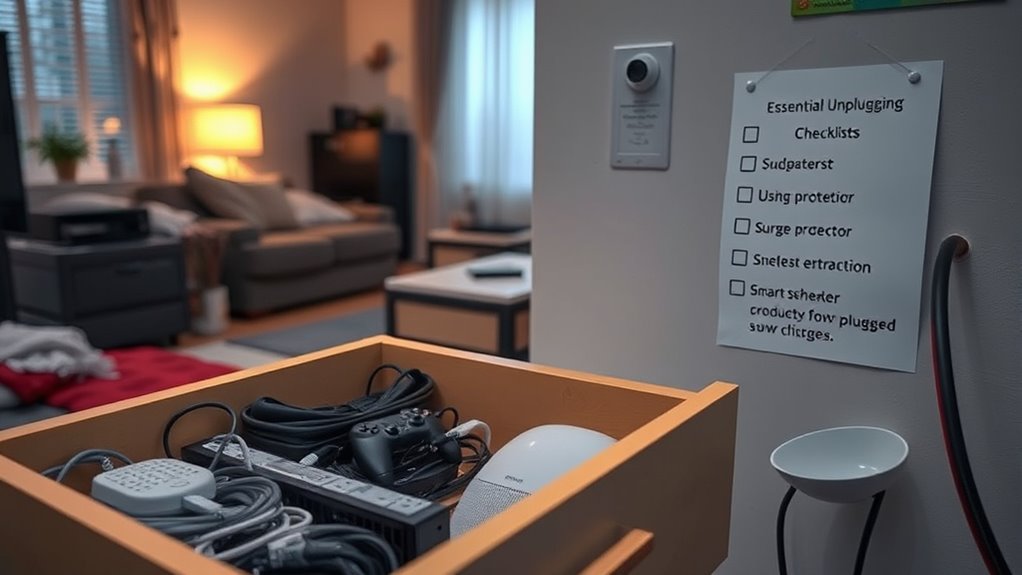
To effectively prepare for future power surges, you should establish a proactive routine that minimizes damage and guarantees quick recovery. Start by creating an unplug-and-turn-off schedule before storms or restoration. Use surge protectors—both whole-home and point-of-use—to shield essential devices. Regularly inspect and replace surge protectors, especially after significant surges, to ensure ongoing protection. Develop a clear shutdown protocol for major appliances like HVAC and water heaters during outages to prevent restart surges. Keep emergency backup systems, like UPS units, ready for critical electronics. Additionally, familiarize yourself with power surge prevention techniques to further safeguard your electrical system. Incorporating natural grounding methods can also enhance overall surge protection by reducing electrical overloads. Incorporating proper electrical wiring practices can further reduce the risk of damage from surges. Understanding electrical system grounding and ensuring it is correctly installed can provide additional safety and surge mitigation.
Furthermore, always stay informed about local weather alerts to anticipate and prepare for potential power disruptions.
Frequently Asked Questions
How Can I Tell if My Surge Protector Has Failed?
You can tell if your surge protector has failed by checking its indicator lights; if they’re off or show a warning, it’s a sign of failure. Also, if connected devices aren’t getting protected or you notice a burning smell or buzzing noise, replace it immediately. Test the protector with a multimeter or substitute it after a major surge event. Regularly inspect and follow manufacturer guidance to guarantee ongoing protection.
Are All Surge Protectors Equally Effective Against Restoration Surges?
Not all surge protectors are created equal, just like your fancy coffee machine isn’t the same as a basic drip. Some are better at handling restoration surges, with higher joule ratings, faster response times, and UL 1449 certification. If you want your gadgets to survive the power drama, choose protectors with robust specs, indicators, and warranties. Don’t settle for the cheapest; your electronics deserve the superhero shield, not a paper-thin cape.
What Are Signs of Damage After a Major Power Surge?
After a major power surge, you might notice devices won’t turn on, or they behave oddly, like strange noises or flickering screens. Your electronics could also overheat, or data might become corrupted. Surge protectors may show warning lights or be damaged. Sometimes, you see physical signs like burnt smells, scorched components, or melted plugs. Check all connected devices carefully, and replace damaged surge protectors promptly to prevent further harm.
How Often Should I Replace or Test Surge Protection Devices?
You should replace or test your surge protection devices at least once a year, especially after a major surge event. Check any indicator lights or end-of-life indicators regularly, and replace protectors if they show signs of wear or if the indicator suggests they’re no longer effective. For devices with thermal protection or warranties, follow the manufacturer’s guidance, and consider upgrading to higher joule ratings for better protection.
Can Unprotected Electronics Recover From Transient Surges?
Can unprotected electronics bounce back after a transient surge? Usually, no. Surges can cause immediate damage to semiconductor junctions, motors, and circuitry, often leading to complete failure or data loss. Even if devices seem fine initially, microelectronics might have suffered internal stress that shortens their lifespan. To protect your electronics, always unplug sensitive devices during storms or power restorations and use surge protectors with proper ratings.
Conclusion
As the power flows back like a rising tide, think of your electronics as delicate ships in a harbor—ready to weather the storm only if properly secured. By unplugging your devices, installing surge protectors, and inspecting your setup, you’re anchoring them safely against future surges. With these precautions, you’ll navigate the unpredictable currents of power restoration smoothly, keeping your valuable electronics safe and sound, no matter how fierce the storm may be.