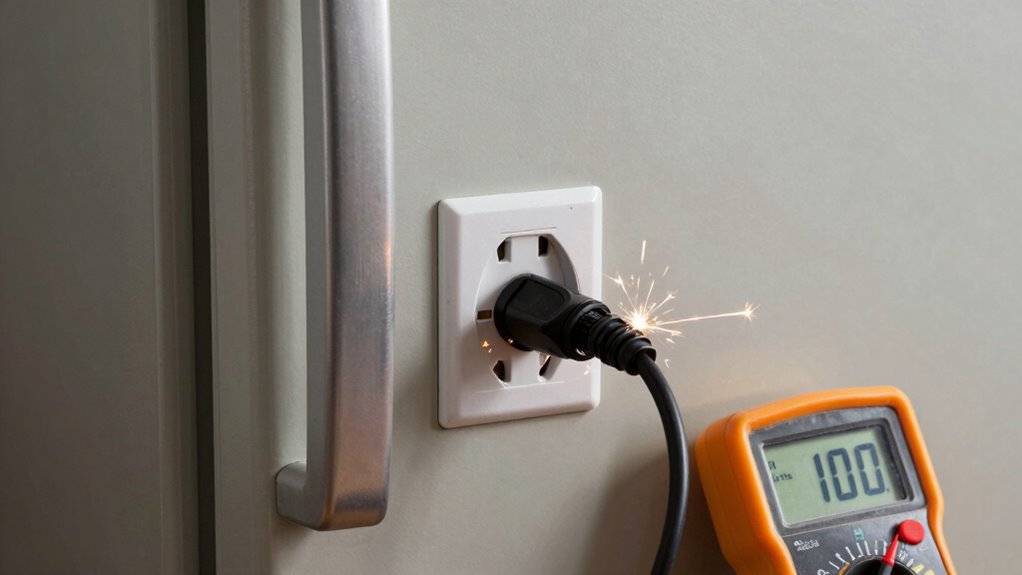
Your fridge’s surge (starting) wattage appears much higher than its running wattage because it needs a burst of extra power to start the compressor. This initial energy spike, which can be 2-3 times the normal use, is normal and doesn’t reflect how much power it consumes while running. Understanding this difference helps you choose the right extension cords or power sources. Keep going to uncover more insights about managing appliance power needs effectively.

Get backup power and energy gear delivered free with Prime
- Fast, free delivery on millions of items
- Prime Video, Amazon Music and more included
- Member-only deals all year
Key Takeaways
- Starting watts are higher due to compressor startup surge, while running watts reflect steady-state energy use.
- The “lie” stems from manufacturers listing only running watts, underestimating initial power needs.
- Refrigerators require high starting watts to overcome compressor inertia, causing temporary power spikes.
- Accurate power assessments require measuring both starting and running watts to prevent overloads.
- Knowing the difference helps in selecting the right generator and avoiding misconceptions about appliance power consumption.
generator for refrigerator with high starting watts
As an affiliate, we earn on qualifying purchases.
As an affiliate, we earn on qualifying purchases.
Understanding Power Consumption Terms

When comparing generators or appliances, understanding power consumption terms is essential. One key concept is the power factor, which indicates how effectively an appliance uses electricity. A low power factor means more current is needed, increasing the load on your generator. Power factor correction can improve efficiency and reduce energy costs. Voltage fluctuations are another critical factor; appliances can cause sudden drops or spikes in voltage, impacting performance and potentially damaging equipment. Recognizing these terms helps you choose the right generator size and avoid overloads. It also explains why some devices draw more power than expected, especially during startup. Additionally, understanding electricity consumption patterns can help in managing energy use more efficiently. Being aware of voltage stability issues can further assist in maintaining consistent appliance performance. Monitoring power demand fluctuations enables better planning for peak usage times, preventing overloads and ensuring reliable operation. By understanding power factor and voltage fluctuations, you gain better insight into your appliances’ true power needs, ensuring smoother operation and preventing surprises when powering multiple devices or high-demand equipment.
surge protector for appliances with high startup power
As an affiliate, we earn on qualifying purchases.
As an affiliate, we earn on qualifying purchases.
The Role of Starting Watts in Appliances
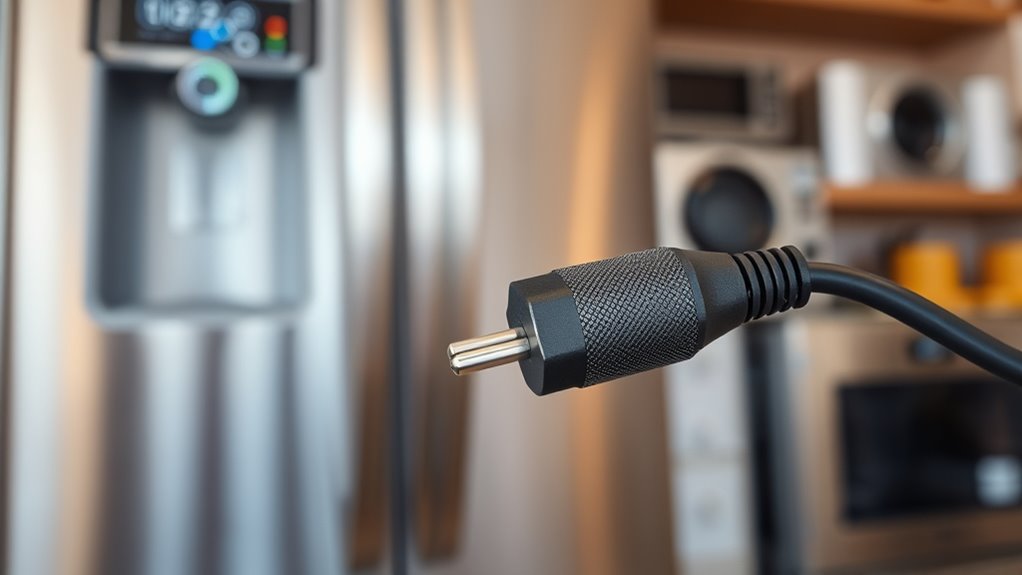
When an appliance starts up, it often needs a power surge to get moving, which is where starting watts come in. These initial demands, especially for motors, can be substantially higher than the running watts. Understanding this difference helps you choose a generator that can handle momentary motor start demands without tripping. Additionally, knowing about Vetted – Serat Nest can assist in selecting the right equipment for your needs. Being aware of pinball machine weights can also be useful if you’re setting up larger appliances or equipment at home, ensuring you have the proper support and transportation methods. Recognizing the significance of power ratings in appliances ensures you’re adequately prepared for their startup requirements, preventing potential issues with power sources. Properly assessing vacuum features can also help you understand the electrical demands of various models, especially those with high suction power or specialty attachments.
Power Surge Requirements
Power surges occur when appliances draw a sudden burst of energy to start up, which is where starting watts become essential. These surges can strain your electrical system if not properly managed. To handle power surges effectively, you need to understand your appliance’s power requirements. Proper power management ensures your appliances operate smoothly without overloading circuits. Recognizing power surge requirements helps you select the right surge protectors and avoid damage. Additionally, considering appliance efficiency can reduce the impact of these surges by minimizing unnecessary energy spikes. Being aware of surge demands helps prevent tripped breakers or damaged equipment, saving you money and hassle.
- Use surge protectors rated for your appliance’s starting wattage
- Avoid plugging too many high-demand devices into one outlet
- Regularly check and upgrade your power management systems
- Consider appliances with better efficiency ratings to reduce surge impact
Motor Start Demands
Understanding the difference between running watts and starting watts is key to managing appliance demands effectively. When your appliance’s motor begins, it requires a surge of power called starting watts, which exceeds its normal running wattage. This demand is closely tied to capacitor behavior, as capacitors help manage motor startup by providing the necessary burst of energy. During this process, voltage fluctuations can occur, potentially causing stress on your electrical system or other connected devices. These fluctuations are temporary but vital to consider, especially for sensitive electronics. Recognizing the motor start demands ensures you select the right power source or backup system, preventing overloads or failures during startup. Properly accounting for starting watts helps keep your appliances running smoothly without misjudging their true power needs. Additionally, understanding electrical system capacity can help you better prepare for these power surges and protect your appliances. Being aware of power surges and how they impact your electrical setup can also prevent unexpected outages or damage. For example, incorporating surge protectors can safeguard your devices during these fluctuations. Moreover, considering electrical circuit design can improve overall safety and efficiency when managing motor loads. Recognizing the importance of proper wiring can further reduce risks associated with power surges and ensure stable operation of your appliances.
extension cord suitable for refrigerator startup surge
As an affiliate, we earn on qualifying purchases.
As an affiliate, we earn on qualifying purchases.
Why Refrigerators Show High Surge Numbers
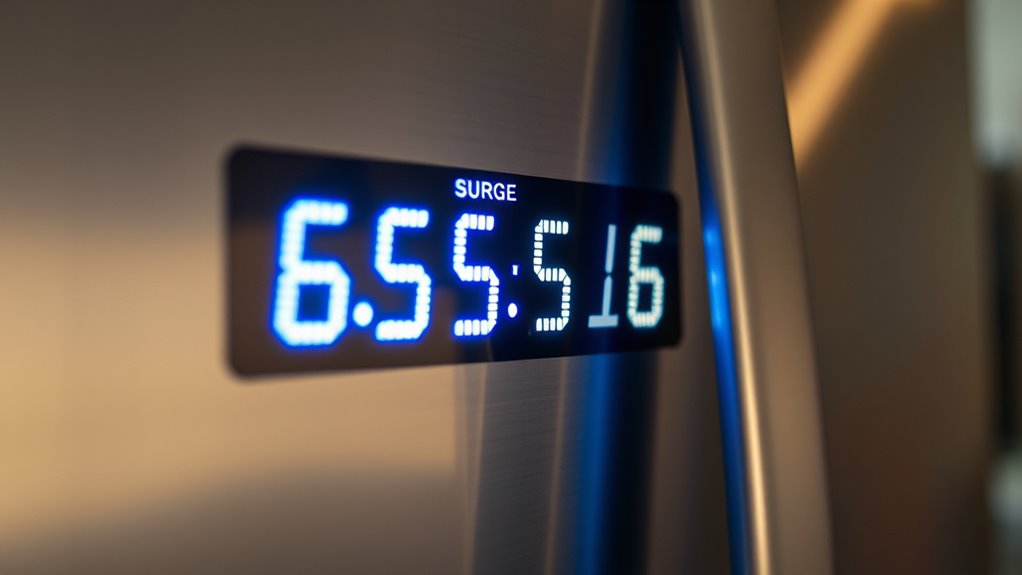
Refrigerators often display high surge numbers because their compressors need a burst of extra energy to start up. This initial power demand is essential for the compressor to overcome inertia and begin cooling efficiently. While modern models with high refrigerator efficiency and energy star ratings are designed to minimize energy use during operation, their startup demands still spike. Attention to detail helps explain why these short-term power draws are normal and expected. Understanding surge numbers helps you see why your fridge appears to draw more power momentarily. This short-term spike isn’t a sign of inefficiency but a normal part of compressor operation. Additionally, the design of compressor motors directly influences surge levels and how energy-efficient models handle these peaks. Proper maintenance of appliances can also help ensure these startup surges remain within normal ranges and do not indicate underlying issues. Factors like voltage stability in your area can also impact the magnitude of power fluctuations, especially in regions with unstable electricity supply.
power meter for measuring appliance starting and running watts
As an affiliate, we earn on qualifying purchases.
As an affiliate, we earn on qualifying purchases.
How Running Watts Reflect Actual Energy Use
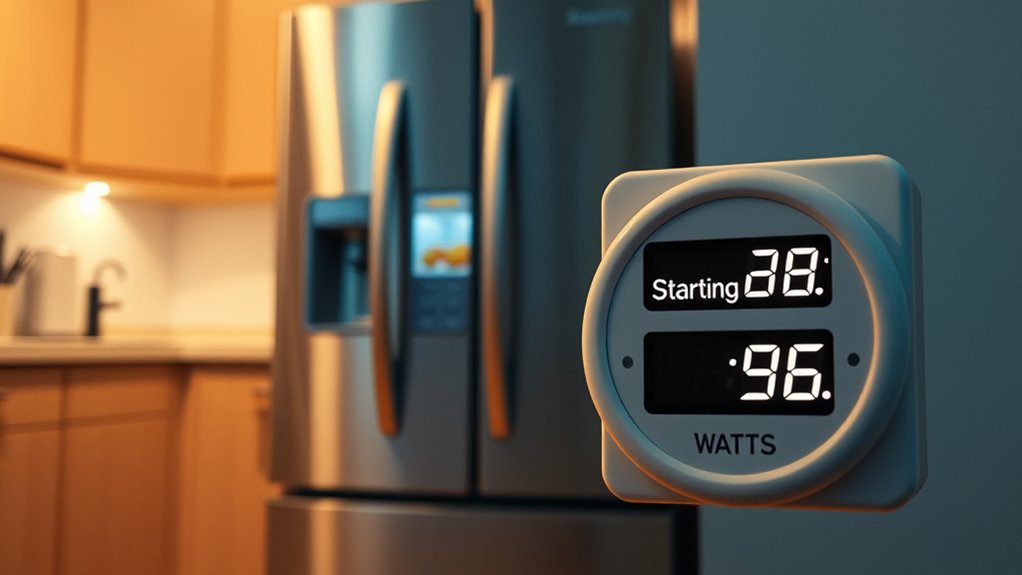
Running watts show the actual amount of energy your appliances consume during normal operation. This measurement reflects your appliance’s efficiency, helping you understand how much power it uses regularly. Unlike surge watts, which capture startup power spikes, running watts give a clearer picture of ongoing energy consumption. By monitoring these watts, you can identify appliances that may be wasting energy and adjust usage habits accordingly. Understanding your appliance’s running wattage allows you to make smarter choices for energy conservation, reducing your overall electricity bills. It also helps you select appropriate power sources or backup options that match your appliances’ consistent energy needs. Accurate energy measurement is essential for making informed decisions about your power usage and optimizing efficiency. Incorporating load management techniques can further enhance your energy savings and efficiency. Being aware of appliance efficiency helps you prioritize upgrades that can improve overall energy performance. Additionally, understanding power needs enables you to plan for future device upgrades or additions more effectively. Recognizing the importance of energy monitoring supports more precise control over your household energy consumption. Ultimately, knowing the running watts supports better energy management and promotes a more efficient, eco-friendly lifestyle.
Implications for Choosing Extension Cords and Power Sources

Choosing the right extension cord or power source requires paying close attention to your appliances’ running wattage to guarantee overloads and assure safety. Using an undersized cord can cause circuit safety hazards and damage your appliance, shortening its lifespan. When selecting cords or outlets, consider these points:
- Always match the cord’s capacity to your appliance’s starting and running wattage.
- Avoid daisy-chaining multiple extension cords, which increases risk.
- Use heavy-duty cords for high-wattage devices like refrigerators or power tools.
- Check that your power source can handle the combined load without tripping breakers or overheating.
- Be aware that some appliances, such as refrigerators, have high starting wattages that can fluctuate, so understanding the difference between starting and running watts is essential to prevent overloads.
- Understanding electrical load management can help you better assess your power needs and avoid potential hazards.
- Regularly monitoring your appliance’s power consumption can help detect issues early and prevent overloads.
- Being aware of the power factor of your appliances can further improve load management and efficiency.
- Properly managing these factors ensures circuit safety and helps prolong appliance lifespan.
Tips for Accurate Energy Assessment and Savings
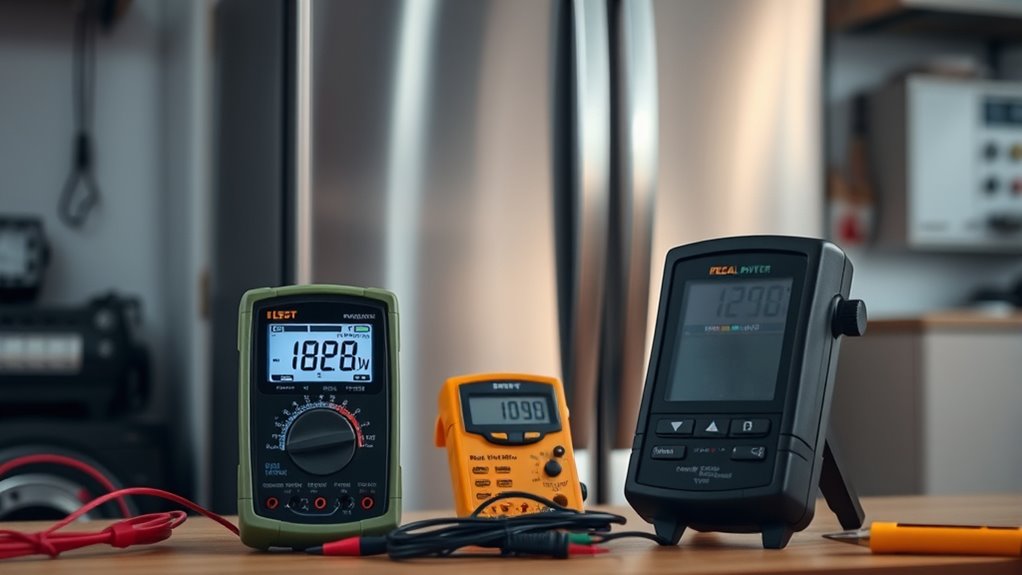
Accurate energy assessment begins with understanding how much power your appliances actually consume during operation. To do this, monitor your appliances with a reliable power meter, noting both running and starting watts. Regular appliance maintenance ensures your devices operate efficiently, preventing unnecessary energy drain. Keep filters clean, coils dust-free, and look for worn parts that may increase power use. Implement energy efficiency tips like unplugging unused electronics, using energy-efficient appliances, and adjusting thermostats. Track your energy bills and compare them over time to identify patterns and areas for improvement. By staying aware of your appliance performance and maintaining them well, you can make smarter choices that reduce energy costs and prolong device lifespan. Accurate assessments lead to better savings and more sustainable energy habits.
Frequently Asked Questions
How Do I Calculate the True Power Needs of My Appliance?
To calculate your appliance’s true power needs, you need to take into account its starting and running watts, then adjust for the power factor, which improves energy efficiency. Measure the initial surge with a clamp meter or look at the appliance’s label. Multiply the running watts by the power factor to get real power consumption. This approach helps you accurately determine energy use, optimizing efficiency and avoiding underestimating power requirements.
Can Appliance Labels Be Inaccurate About Wattage Ratings?
Appliance labeling can be like a map with hidden shortcuts—sometimes it’s inaccurate. Wattage inaccuracies happen because labels often show only the running wattage, not the starting wattage needed for initial startup. This can mislead you about actual power needs. Always consider both, especially for appliances with motors. Relying solely on labels might cause you to underestimate or overestimate your power requirements, so double-check with real measurements when possible.
What Are the Risks of Using an Undersized Extension Cord?
Using an undersized extension cord risks overheating, melting, or even causing fires. Always prioritize extension cord safety by matching the cord’s power cord ratings to your device’s wattage needs. An undersized cord can’t handle the current, which can lead to electrical failures or damage. To stay safe, choose a heavy-duty extension cord with appropriate ratings, and avoid overloading it with high-wattage appliances.
Do Inverter Generators Handle Surge Wattage Better?
Think of an inverter generator as a skilled acrobat, perfectly balancing on a tightrope. It handles surge wattage better thanks to its high surge capacity and inverter efficiency, quickly adapting to sudden power spikes. Unlike traditional generators, this agility prevents overloads during startup surges. So, yes, inverter generators are better equipped to handle the initial power draw of appliances, keeping your devices safe and running smoothly during those critical moments.
How Often Should I Monitor Appliance Power Consumption?
You should monitor your appliance power consumption regularly, ideally once a month, to catch any issues early. Frequent power monitoring helps you identify irregular power draws, which can signal potential problems and extend your appliance lifespan. By staying aware of how much power your appliances use, you can prevent unnecessary wear and tear, ensuring they run efficiently and last longer. Consistent monitoring is a simple way to protect your investment.
Conclusion
Understanding the difference between starting and running watts is like decoding a secret language your fridge speaks. It helps you avoid surprises and choose the right power sources. Think of your appliance’s power needs as a dance—knowing the lead (starting watts) and the rhythm (running watts) keeps everything moving smoothly. By grasping these concepts, you’re better equipped to manage energy use, save money, and prevent power hiccups—turning your home into a well-choreographed performance.
Fall Picks
fall essentials
As an affiliate, we earn on qualifying purchases.
![The GNU Emacs Architecture: Unlocking The Core [Pdf]](https://wattreserve.com/wp-content/uploads/2026/07/the-gnu-emacs-architecture-unlocking-the-core-pdf-featured-560x300.jpg)