
To figure out what will last overnight, you need to contemplate factors like storage temperature, humidity, and food type, which all influence spoilage rates. The quick runtime formula helps estimate shelf life by factoring in these conditions, ensuring your food stays safe and fresh. Proper packaging and timely consumption are key. Keep in mind that understanding these components can help you plan better—stick around to discover more tips and tricks.

Get backup power and energy gear delivered free — and shop member deals
- Fast, free delivery on millions of items
- Access to Prime Big Deal Days deals on October 6–7
- Prime Video, Amazon Music and more included
Key Takeaways
- Assess food type, additives, and packaging to estimate safe overnight storage duration.
- Monitor storage temperature and humidity to prevent spoilage and bacterial growth.
- Use proper airtight containers to extend shelf life and maintain freshness.
- Perform sensory checks (odor, appearance) to confirm food safety before consumption.
- Follow recommended storage guidelines based on food characteristics and environmental conditions.
Understanding the Basics of Food Safety and Shelf Life
Understanding the basics of food safety and shelf life is essential for keeping your food fresh and preventing foodborne illnesses. Proper food preservation techniques help maintain freshness and reduce waste, so knowing how long different foods last is crucial. Maintaining good kitchen hygiene is also vital; regular cleaning and proper handling prevent cross-contamination and bacterial growth. Store perishable items at the right temperatures, and pay attention to expiration dates. Using airtight containers can extend shelf life and preserve flavor. Additionally, incorporating aquatic exercise into your routine can help reduce stress and improve overall well-being, contributing to a healthier lifestyle. Practicing proper food storage techniques, such as labeling and organizing your pantry, ensures you use items before they spoil. Proper hygiene practices and regular cleaning of kitchen surfaces further help in preventing bacterial contamination. Investing in temperature control solutions, like refrigerators and freezers, further enhances food safety and prolongs shelf life. By incorporating food preservation methods and practicing diligent kitchen hygiene, you ensure your food stays safe to eat longer. Staying informed about these fundamentals helps you make smarter choices and minimizes risks associated with spoiled food.
The Components of the Quick Runtime Formula
To estimate runtime accurately, you need to understand the key factors that influence it. These factors help you determine how long a product remains safe and effective. By focusing on these components, you can better predict and manage shelf life. Additionally, considering environmental conditions such as temperature and exposure can significantly impact the longevity of the product. For instance, some products like those associated with Youngster Choice have specific storage requirements that affect their shelf stability. Understanding storage guidelines can further help in maintaining product efficacy over time. Moreover, the shelf life of a product can vary based on its formulation and packaging, making it essential to consider these elements while estimating runtime. Incorporating quality control measures ensures ongoing product integrity throughout its lifespan.
Key Runtime Factors
What are the main components that determine the speed of a program’s execution? Two key factors are how efficiently tasks are handled and how external conditions influence performance. In real-world scenarios like food packaging, temperature control plays a crucial role—they can speed up or slow down processes. For example, maintaining ideal temperature ensures packaging materials work correctly and prevents delays. Proper temperature regulation is also essential for consistent product quality, which impacts overall efficiency. Additionally, energy efficiency of hardware influences both performance and sustainability, reducing operational costs. Similarly, the complexity of the process impacts runtime; simpler tasks take less time. Hardware also affects speed—faster processors and ample memory improve execution. Moreover, optimizing hardware performance can significantly enhance overall efficiency and reliability. Recognizing the importance of environmental considerations helps in designing systems that are both fast and eco-friendly. Being aware of scalability ensures that systems can handle increased workloads without significant performance drops.
Estimating Time Accurately
Estimating how long a process will take requires breaking down its core components and analyzing each one carefully. When it comes to food storage, timing is vital to prevent spoilage. You need to contemplate factors like temperature, humidity, and the type of food to gauge how quickly items might spoil. Accurate time estimates help you plan storage and reheat processes, guaranteeing food stays fresh without risking spoilage. By understanding how each factor influences spoilage prevention, you can better predict how long food will last overnight. Additionally, considering the design of storage containers can significantly impact how well food maintains its quality. Proper container material selection can help regulate temperature and humidity levels inside, further extending freshness. Remember, precise estimates require evaluating the environment and food characteristics so you can optimize storage conditions and keep your food safe until it’s ready to be eaten.
How to Measure Key Variables Accurately
To get accurate results, you need to focus on precise data collection methods. Using consistent measurement techniques guarantees your data remains reliable over time. Additionally, always validate your variables to confirm their accuracy before applying them to your quick runtime calculations. Incorporating best heat pump practices can further ensure your measurements reflect true system performance. Being aware of system safety considerations is also essential to prevent potential issues during testing. Incorporating proper safety protocols can help mitigate risks and protect your equipment during measurements. Focusing on AI ethics can help you address potential biases that might affect your data integrity. Maintaining proper measurement procedures ensures your readings are both accurate and repeatable, which is crucial for dependable analysis.
Precise Data Collection
Have you ever wondered how accurate data collection can make or break your runtime estimates? Precise data collection is essential for reliable spoilage prediction and effective food labeling. To guarantee accuracy, use calibrated tools and standardized measurement methods. Record data consistently, noting variables like temperature, humidity, and storage duration. Avoid guesswork—measure everything meticulously. When tracking spoilage indicators, document specific signs of deterioration, such as texture changes or odor. Accurate data helps you identify patterns and refine your predictions, reducing waste and preventing food safety issues. Additionally, understanding measurement techniques can provide insights into how to improve data precision and reliability in your assessments. Implementing quality control protocols ensures data consistency across different batches and time periods. Regular calibration and validation of measurement devices can help maintain measurement accuracy over time. Remember, even small measurement errors can lead to significant miscalculations in shelf life. By focusing on precise, consistent data collection, you establish a solid foundation for dependable runtime formulas and better decision-making. Furthermore, understanding zodiac traits and personalities can provide insights into behavioral patterns that influence operational dynamics, further supporting your data-driven approach.
Consistent Measurement Techniques
Accurate data collection relies heavily on applying consistent measurement techniques across all variables. When monitoring key factors like food temperature and moisture control, consistency guarantees reliable results. To achieve this, you should:
- Use the same calibrated tools and sensors for measuring food temperature at regular intervals.
- Maintain uniform conditions, such as ambient humidity levels, to accurately track moisture control.
- Record measurements at consistent times and in similar sample locations to minimize variability.
- Regularly update your measurement methods to incorporate new technologies and improve accuracy.
- Ensuring the quality of ingredients remains consistent helps maintain reliable results over time.
- Incorporating proper equipment maintenance, such as regular oil checks and filter replacements, is crucial for maintaining measurement accuracy and equipment performance.
Validating Variable Accuracy
Maintaining the accuracy of your measurements is essential to obtaining reliable data. To validate variable accuracy, focus on consistent sampling and calibration to monitor nutrient stability and packaging effectiveness. Regularly check your instruments against standards to avoid errors. Use the table below to identify key variables:
| Variable | Measurement Method | Importance |
|---|---|---|
| Nutrient Stability | Periodic laboratory testing | Ensures product quality |
| Packaging Effectiveness | Seal integrity tests | Prevents spoilage |
| Temperature Control | Real-time sensors | Maintains nutrient integrity |
Step-by-Step Guide to Calculate Food Longevity
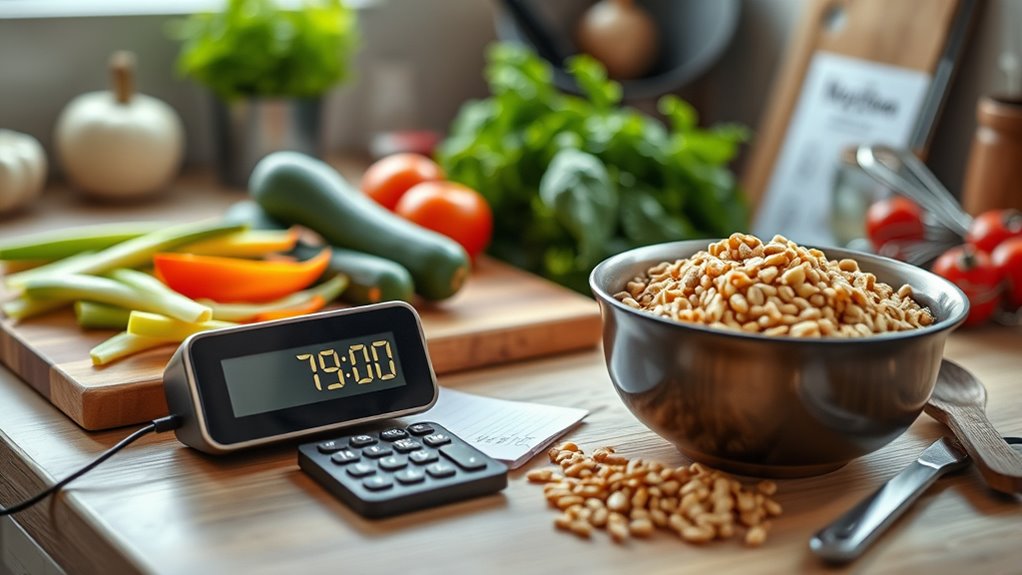
Calculating food longevity is essential for managing your pantry and reducing waste, and doing so involves a straightforward process. First, assess the impact of food additives, which can either extend or reduce shelf life depending on their nature. Next, examine the packaging material; airtight and moisture-proof packaging helps preserve freshness longer. Finally, follow these steps:
- Identify the food type and check recommended storage durations.
- Consider added preservatives or food additives that may lengthen shelf life.
- Evaluate packaging quality, noting if it’s designed for extended preservation or immediate consumption.
Interpreting Your Results for Safe Storage
Once you’ve gathered all the information about your food’s storage duration, additives, and packaging, it’s time to interpret these results to determine safe storage practices. Focus on how long your food can be stored without risking spoilage, and consider any additives that might extend shelf life. Proper food storage is essential for spoilage prevention, so adhere to recommended timeframes. If your results indicate a short lifespan, prioritize consuming or freezing the food promptly. For longer storage, ensure packaging is airtight and maintained at appropriate temperatures. Always trust your senses—look, smell, and taste if needed—to confirm freshness. Correct interpretation helps you avoid foodborne illnesses and waste, ensuring your food remains safe until it’s time to enjoy it.
Common Factors That Affect Food Spoilage
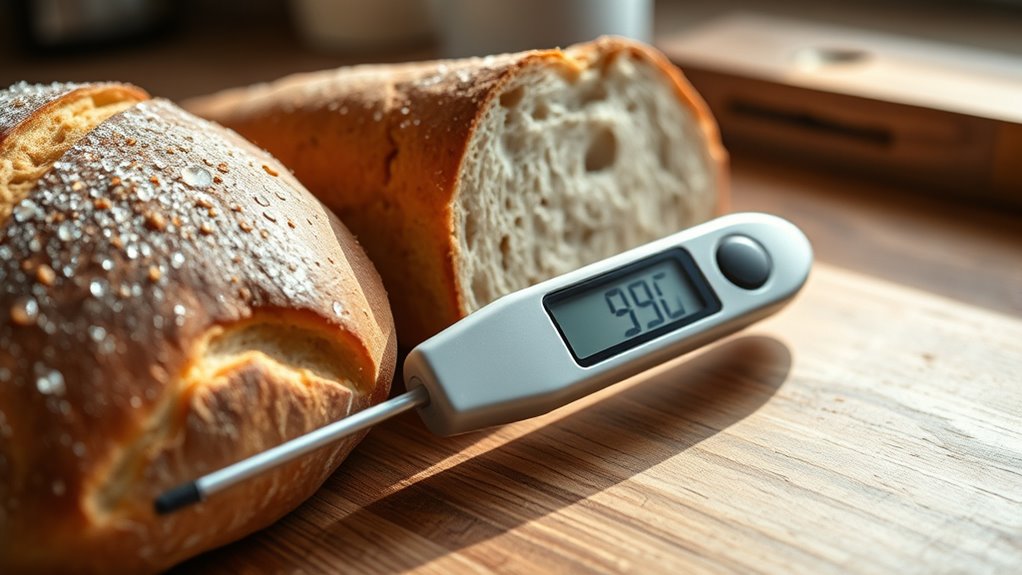
Have you ever wondered what causes food to spoil faster than expected? Several factors influence spoilage, and understanding them helps prevent food poisoning. First, temperature plays a critical role; higher temperatures promote the growth of spoilage bacteria. Second, moisture levels can accelerate deterioration, creating an ideal environment for bacteria and mold. Third, the pH of food impacts its shelf life—more acidic foods tend to last longer. Spoilage bacteria thrive under these conditions, increasing the risk of food poisoning if consumed past their prime. Keep in mind that improper storage or prolonged exposure to unfavorable conditions speeds up this process. By controlling these factors, you can markedly reduce spoilage and ensure your food stays safe longer.
Tips for Extending the Freshness of Your Meals
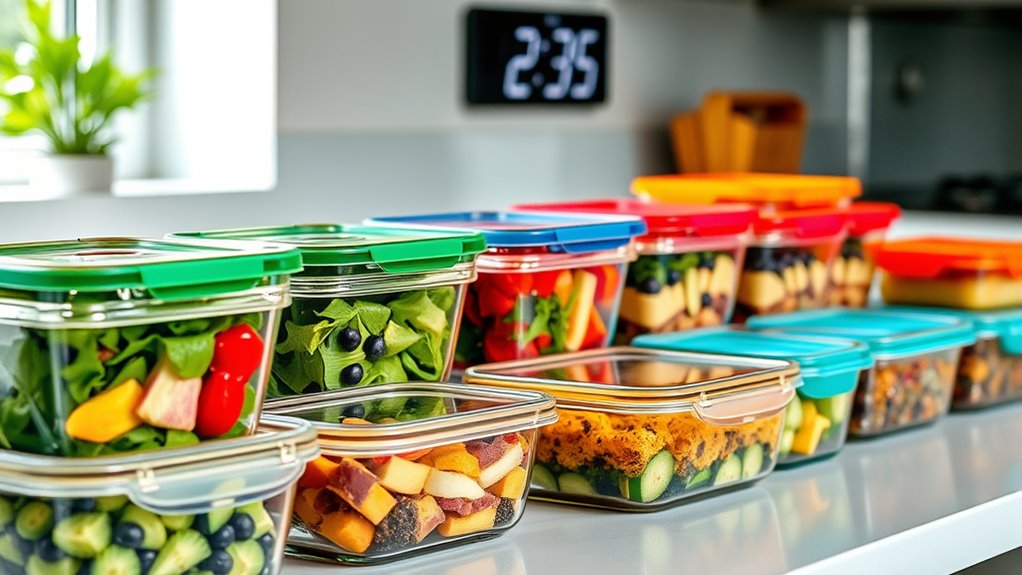
To keep your meals fresh for longer, proper storage techniques are essential. Effective food storage helps prevent spoilage and maintains flavor. Always use airtight containers or wrap foods tightly to minimize exposure to air and moisture. Keep perishable items at the correct temperature—refrigerate or freeze promptly. Organize your fridge so older foods are consumed first, reducing waste. The table below highlights key storage tips:
| Storage Method | Spoilage Prevention Technique |
|---|---|
| Refrigeration | Keeps bacteria growth slow |
| Freezing | Stops spoilage entirely |
| Airtight Containers | Reduces moisture and air contact |
| Proper Labeling | Prevents confusion and overgrowth |
| Temperature Control | Maintains ideal freshness |
Implementing these practices ensures your meals stay fresh and safe longer.
Practical Applications of the Runtime Formula in Daily Life

The runtime formula isn’t just a theoretical concept; it has practical uses that can streamline your daily routines. By understanding how long food items last, you can improve nutrition tips and maximize meal planning. For example:
- Determine safe storage times to prevent spoilage and foodborne illnesses.
- Schedule meal prep based on ingredient longevity, reducing waste and saving time.
- Adjust shopping habits by buying quantities that match the expected shelf life, ensuring freshness and nutritional value.
Applying this formula helps you make smarter decisions, ensuring your meals stay fresh longer and maintain their nutritional integrity. It also simplifies your meal planning, allowing you to prioritize ingredients that fit within their ideal lifespan. Mastering these practical applications enhances efficiency and promotes healthier eating habits daily.
Limitations and When to Err on the Side of Caution

While the runtime formula offers useful insights, it has limitations that require caution. It doesn’t account for individual factors like food allergies, which can cause severe reactions even if the food appears safe. Relying solely on the formula might overlook spoilage indicators such as off-odor, sliminess, or discoloration, which signal that food has gone bad. Always check these signs before consuming leftovers, especially if they’ve been stored overnight. Temperature variations, improper storage, and packaging can also affect safety beyond what the formula predicts. When in doubt, err on the side of caution. If you suspect spoilage or have concerns about food allergies, discard the item instead of risking health. The formula is a guideline, not a substitute for careful judgment and proper food safety practices.
Frequently Asked Questions
Can the Formula Predict Exact Spoilage Dates for All Foods?
No, the formula can’t predict exact spoilage dates for all foods. Food safety depends on many factors like storage conditions, humidity, and packaging, which influence spoilage prediction accuracy. While it helps estimate how long certain foods remain safe, you should always check for signs of spoilage, such as bad odors or mold, rather than relying solely on the formula. Always prioritize your safety and use your senses to judge food freshness.
How Does Temperature Variation Impact the Runtime Calculations?
Temperature fluctuations can critically impact runtime calculations by accelerating or slowing spoilage. When temperatures vary, climate considerations become vital, as cold spells might extend freshness, while heat waves hasten decay. You need to account for these variations in your calculations, understanding that stable conditions are ideal. Ignoring temperature fluctuations risks underestimating or overestimating food’s lifespan, which can lead to waste or health hazards. Adjust your formulas accordingly for more accurate predictions.
Is the Formula Applicable to Homemade or Processed Foods?
Yes, the formula can be applied to both homemade and processed foods. You just need to adjust the parameters based on the specific food type and preparation method. For homemade foods, consider factors like ingredient freshness and cooking techniques. For processed foods, account for preservatives and packaging. This way, you get a more accurate estimate of how long they’ll last overnight, helping you keep everything safe and fresh.
What Safety Margins Should I Add for Unpredictable Conditions?
To guarantee safety, add a sizable safety buffer to your calculations, considering potential unpredictable conditions. Always include a margin of error to cover surprises like temperature fluctuations or ingredient variability. This safety margin helps prevent spoilage or contamination, especially when circumstances shift unexpectedly. By building in a broad buffer, you protect your food’s integrity and your health, making your process more resilient and reliable against uncertainties.
Can the Formula Be Adapted for Non-Perishable Items?
Yes, you can adapt the formula for non-perishable items by considering their shelf life and packaging integrity. Focus on their expected duration before spoilage or deterioration, and factor in any potential risks to packaging that could compromise quality. Adjust the calculations accordingly, giving you a realistic estimate of how long these items will last under various conditions, ensuring you maintain safety margins and avoid spoilage or damage.
Conclusion
Knowing the quick runtime formula helps you confidently determine how long your food will last overnight, reducing waste and preventing spoilage. Did you know that improperly stored food causes over 33% of foodborne illnesses? By understanding and applying this formula, you can guarantee your meals stay safe and fresh longer. Always double-check your measurements and err on the side of caution—your health and peace of mind are worth it.
Fall Picks
fall essentials
As an affiliate, we earn on qualifying purchases.






![[Fact Check] Lee’s Claim Blaming Oh For Seoul Home Prices? - 최보식의언론](https://wattreserve.com/wp-content/uploads/2026/09/fact-check-lee-s-claim-blaming-oh-for-seoul-home-prices-featured-260x140.jpg)