
Interlock kits are safety devices that prevent you from energizing your home with both utility power and your generator at the same time, avoiding dangerous backfeed. They work by physically blocking handle movements, ensuring only one source supplies power. Many questions focus on compatibility, installation, costs, and safety precautions. Understanding how they protect utility lines and how to properly use them can keep you safe during outages. Keep exploring to learn more about making your home safer with interlock kits.
Key Takeaways
- Interlock kits prevent simultaneous activation of utility and generator breakers, ensuring safe, code-compliant switching during power outages.
- They are manual devices requiring homeowner operation to transfer power sources, unlike automatic transfer switches.
- Proper installation depends on your electrical panel’s make, model, and internal layout; professional help may be necessary.
- Interlock kits physically block handle movement, preventing backfeeding into utility lines and protecting lineworkers.
- Cost-effective safety solutions ranging from $50 to $200, often combined with professional installation for optimal safety and compliance.

Generator Interlock Kit Compatible with Eaton Cutler Hammer BR SERIES 150 and 200 amp Panels, Generator Horizontal Electrical Interlock Kit, 1 1/4-1 7/16 inches Spacing Between Main and Branch Breaker
Safe and Reliable: Generator interlock kit for Eaton Cutler Hammer provide a safe and cost-effective way to backfeeding…
As an affiliate, we earn on qualifying purchases.
As an affiliate, we earn on qualifying purchases.
How Do Interlock Kits Work and What Are Their Benefits?
Interlock kits work by physically preventing you from turning on the main utility breaker and the generator breaker at the same time, ensuring only one power source supplies your home at once. When you activate the generator breaker, the interlock mechanism blocks the main breaker handle, stopping you from energizing the utility line. This design prevents dangerous backfeeding into the grid, protecting lineworkers and your property. It also serves as a manual transfer switch, allowing you to power selected circuits directly from your generator without extension cords. Installing an interlock kit is a cost-effective way to safely manage power during outages, giving you control over your home’s essential circuits. Additionally, understanding electrical safety is crucial when working with these devices to prevent accidents or injuries. Using an interlock kit also complies with electrical codes, ensuring your setup meets safety standards. Proper installation procedures are vital to guarantee the device functions correctly and safely. Regular maintenance can help identify potential issues early and ensure continued safe operation. Overall, it’s a reliable, straightforward safety device that helps you switch between power sources securely.

Connecticut Electric Series 2 Backup Power Manual Transfer Switch Kit, 50 Amp, 10 Circuits, with 25' Cord & Outdoor Rated 50A Inlet (Transfer Switch Kit – 25 ft Cord)
HIGH-CAPACITY POWER SOLUTION: Designed for residential or small business applications with substantial power requirements, this robust transfer switch…
As an affiliate, we earn on qualifying purchases.
As an affiliate, we earn on qualifying purchases.
Can I Install an Interlock Kit Myself or Should I Hire a Professional?
Deciding whether to install an interlock kit yourself or hire a professional depends on your electrical skills and familiarity with local codes. If you’re comfortable working with electrical panels, understanding wiring, and following safety protocols, a DIY installation might be possible. However, many jurisdictions require AHJ approval, and improper setup can cause dangerous conditions.
DIY interlock kit installation requires electrical knowledge, but professional help ensures safety and code compliance.
Consider these points before proceeding:
- Compatibility with your panel make/model
- Knowledge of local electrical codes
- Access to proper tools and hardware
- The risk of voiding panel warranty or affecting future service
- Proper installation of safety devices is crucial for reliable and compliant operation. Additionally, some jurisdictions may have specific requirements for electrical safety standards, making professional installation a safer choice. Ensuring compliance with local regulations helps prevent potential penalties or safety issues.
Furthermore, professional electricians are equipped with specialized tools and expertise to troubleshoot potential issues that may arise during installation. If you’re unsure or inexperienced, hiring a licensed electrician ensures correct installation, safety, and compliance. It’s a worthwhile investment to avoid hazards and ensure peace of mind. Also, professional installation can help ensure your setup includes sound testing and verification, which is important for reliable operation and compliance.

Leviton LITLK Circuit Breaker Manual Transfer Interlock Accessory Kit, White
Designed for use with Leviton Load Center Panels
As an affiliate, we earn on qualifying purchases.
As an affiliate, we earn on qualifying purchases.
What Safety Precautions Are Important When Using an Interlock System?

Using an interlock system safely requires careful adherence to key precautions to prevent electrical hazards and guarantee proper operation. First, always ensure the main breaker remains off when the generator breaker is engaged. Never backfeed power into utility lines, which can endanger lineworkers. Before switching, turn off the generator and verify connections are secure, including the inlet and extension cords. Avoid working on the panel during stormy weather or wet conditions to reduce shock risk. Use only approved interlock kits compatible with your panel, and follow manufacturer instructions precisely. If you’re unsure, hire a licensed electrician. Regularly inspect the system for signs of damage or wear. Remember, manual operation means vigilance—double-check breaker positions to prevent accidental backfeeding or overload. Proper installation and maintenance are essential for safe and effective operation of your interlock system. Additionally, familiarize yourself with electrical safety standards to ensure compliance and safety during installation and use. Being aware of system compatibility helps prevent potential hazards related to incompatible components or improper setup. Understanding electrical codes can aid in adhering to legal requirements and ensuring a safe setup. Always keep emergency procedures in mind in case of electrical faults or accidents.
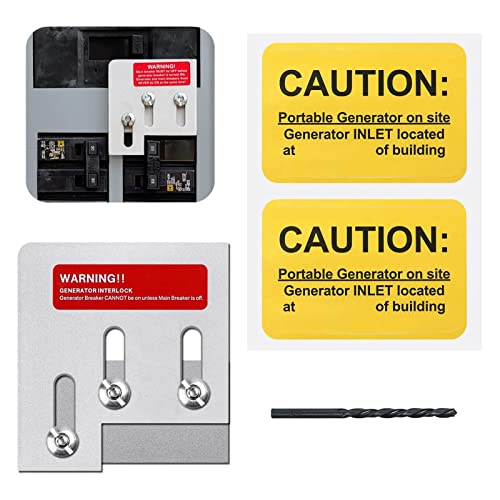
Natupal Generator Interlock Kit Compatible with Square D QO or Homeline 150 or 200 amp panels. 1 3/8 inches Spacing between main and generator breaker, Professional and Interlock Kit (SD200A)
【Compatible Models】Generator Interlock Kit Compatible with Square D QO or Homeline 150 or 200 amp panels.
As an affiliate, we earn on qualifying purchases.
As an affiliate, we earn on qualifying purchases.
How Does an Interlock Kit Prevent Backfeeding and Protect Utility Lines?
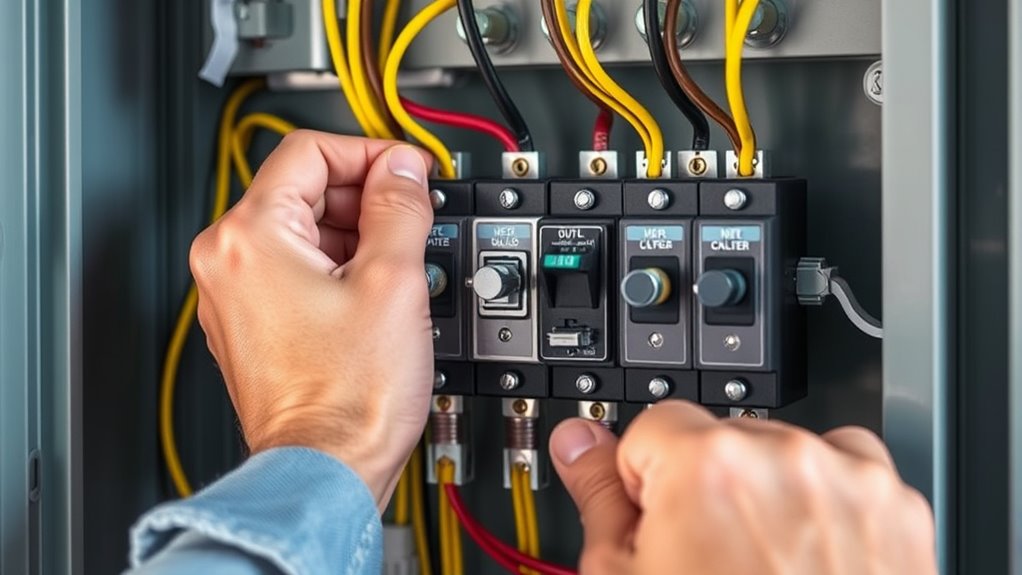
An interlock kit uses a mechanical barrier to prevent you from switching on both the utility and generator breakers at the same time. This design guarantees the utility lines can’t backfeed into your home or the grid, protecting lineworkers and your neighbors. By physically blocking one breaker when the other is engaged, the system maintains safe, isolated power sources. Additionally, smart home integration features can enhance safety by providing real-time monitoring and alerts to homeowners. Incorporating vetted safety measures further ensures the system’s reliability and compliance with electrical safety standards. Implementing proper installation techniques is essential to ensure the system functions correctly and safely over time.
Mechanical Barrier Function
The mechanical barrier in an interlock kit physically prevents both the utility main breaker and the generator breaker from being turned on at the same time, guaranteeing only one power source is connected. This barrier blocks the handle of one breaker when the other is engaged, creating a physical lockout that stops accidental or intentional simultaneous operation. It acts as a fail-safe, maintaining proper isolation between utility and generator power. Implementing these devices enhances personal safety by preventing backfeeding and electrical hazards during outages. Ensuring proper installation and understanding safety protocols is essential to maximize the effectiveness of the interlock system. Additionally, understanding the energetic alignment between electrical safety measures and homeowner awareness can improve overall safety practices. Proper use of interlock kits helps prevent dangerous backfeed conditions that could endanger utility workers and household members alike.
Utility Line Safety
How does an interlock kit prevent dangerous backfeeding into utility lines? It mechanically blocks the main breaker when the generator breaker is active, ensuring both aren’t on simultaneously. This physical barrier stops electricity from flowing back into the utility grid, protecting lineworkers and utility equipment. When you operate the kit, you manually switch off the main breaker before turning on the generator breaker, creating a safe separation. This prevents the generator’s power from feeding into the utility lines, which could cause grid damage or pose a safety risk. The interlock’s design enforces this sequence, making sure you don’t accidentally energize utility lines while powering your home. By physically preventing the simultaneous connection, the kit ensures safe, code-compliant operation and protects everyone working on the utility grid. Additionally, proper use of an interlock kit can also help prevent electrical hazards associated with improper generator connection.
What Limitations Does an Interlock Have Compared to Automatic Transfer Switches?
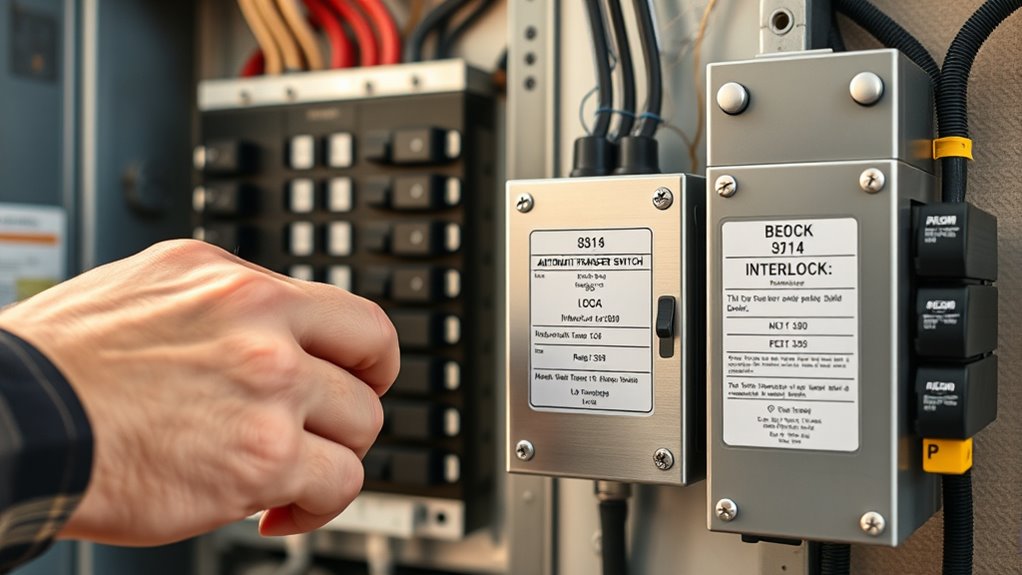
Interlock kits require you to manually operate the transfer process, which means you’re responsible for switching between utility and generator power. Unlike automatic transfer switches, they don’t detect when utility power is restored, so you must remember to switch back manually. This lack of automatic re-engagement can lead to delays or mistakes in restoring power safely.
Manual Operation Requirement
Unlike automatic transfer switches, interlocks require you to manually operate the system each time power needs to switch between utility and generator sources. You must turn off the main breaker, engage the generator breaker, and then restore power. This process demands your active involvement every time utility power returns or you switch to generator power, which can cause delays or errors during emergencies.
- You need to remember to manually switch back once utility power is restored
- There’s potential for human error, like forgetting to turn off the main breaker
- Manual operation can slow response times during power outages
- It requires your ongoing awareness and action, unlike automatic systems that handle switching seamlessly
Lack of Automatic Re-Engagement
You won’t find interlock kits automatically restoring power once utility service returns. They require you to manually switch off the generator breaker and turn the main breaker back on. Unlike automatic transfer switches, interlocks lack sensors or controls to detect utility restoration and reconnect power automatically. This means you must stay alert and operate the system yourself, risking delays or oversight.
| Feature | Interlock Kit | Automatic Transfer Switch |
|---|---|---|
| Power Reconnection | Manual, user-initiated | Automatic, sensors detect grid |
| Safety Monitoring | No automatic detection of utility return | Continuous automatic monitoring |
| Convenience | Requires user action during return | Seamless, hands-free operation |
| Cost | Lower, simpler setup | Higher, more complex system |
How Do I Know if an Interlock Kit Is Compatible With My Electrical Panel?
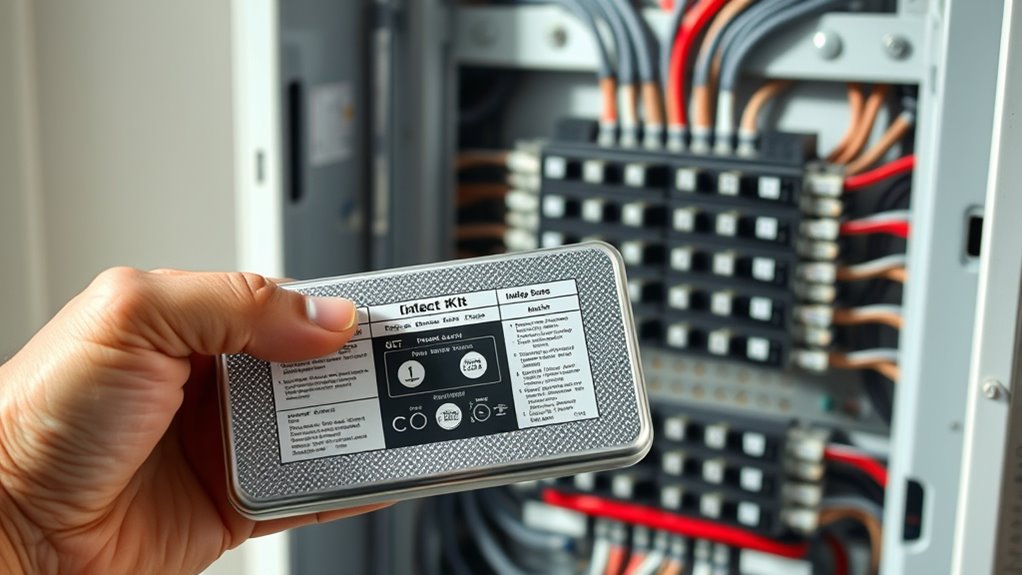
Determining if an interlock kit will work with your electrical panel requires careful consideration of the panel’s make, model, and configuration. Not all panels are compatible, so verifying specifics is essential. Check if the kit is listed or approved for your panel brand and model. Ensure your panel has enough breaker spaces available for the interlock components. Confirm that the panel’s internal layout allows for proper installation of the interlock plate or pivot arm. Additionally, verify that the existing breakers can be aligned correctly with the interlock design. Consulting the manufacturer’s documentation or an electrician can help confirm compatibility.
- Make sure the kit is approved for your panel brand and model
- Confirm available breaker spaces and proper layout
- Verify the kit’s design aligns with your panel’s configuration
- Consult manufacturer or professional for confirmation
What Costs Are Associated With Installing an Interlock Kit and Are They Worth It?
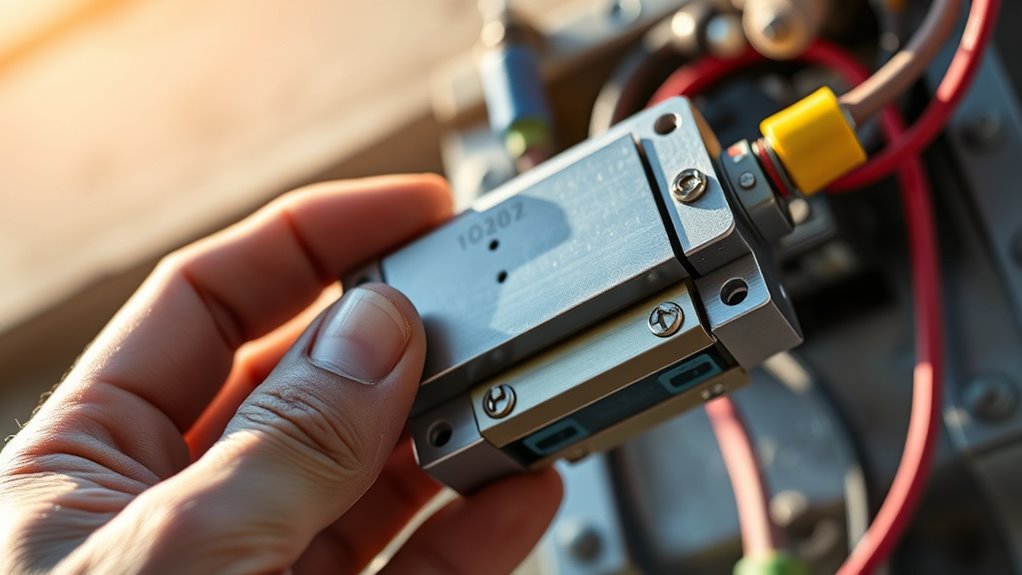
Installing an interlock kit involves costs that vary depending on your panel, the kit chosen, and installation complexity. Typically, the total expense includes the kit itself, which ranges from $50 to $200, and labor, which can add $150 to $500. The table below outlines potential costs:
| Item | Cost Range | Notes |
|---|---|---|
| Interlock Kit | $50 – $200 | Based on panel compatibility and features |
| Professional Installation | $150 – $500 | Varies by electrician and region |
| Permits & Inspection | $50 – $150 | May be required by local code |
| Additional Materials | $20 – $50 | Wiring, connectors, hardware |
While costs add up, many find the safety and control benefits worth the investment, especially compared to automatic transfer switches or standby generators.
Frequently Asked Questions
Can an Interlock Kit Be Used With Any Panel Brand or Model?
No, an interlock kit can’t be used with any panel brand or model. You need to check if the kit is compatible with your specific breaker panel because designs vary. Many manufacturers produce interlock kits tailored to certain panels, ensuring proper fit and safety. Always consult your panel’s manual or a licensed electrician to confirm compatibility before installation. Using an incompatible kit can compromise safety and may violate electrical codes.
How Long Does Professional Installation Typically Take?
Professional installation usually takes about 2 to 4 hours, depending on your panel’s complexity and accessibility. During this time, the electrician installs the interlock kit, guarantees proper wiring, and tests the system for safety and functionality. Factors like panel modifications or additional wiring needs can extend the process slightly. To ensure safety and code compliance, it’s best to rely on a licensed electrician rather than attempting a DIY install.
Are Interlock Kits Suitable for All Generator Sizes?
Think of interlock kits as a versatile bridge—they work best within certain limits. They’re suitable for small to medium portable generators, usually up to their rated capacity. But, if your generator is very large or designed for whole-house backup, an interlock kit might not be sufficient. Always check your kit’s specifications and consult a professional to guarantee compatibility and safety, especially for higher-capacity generators.
Do Interlock Systems Require Regular Maintenance or Inspections?
Interlock systems typically don’t require regular maintenance or inspections if installed correctly. However, you should periodically check for any signs of wear, loose hardware, or damage, especially after storms or power outages. Verify all components are clean and functioning properly. It’s also wise to have a professional inspect the system annually or if you notice any issues to maintain safety and compliance. Regular checks help ensure your setup remains reliable and safe.
Will Using an Interlock Void My Electrical Panel Warranty?
Using an interlock kit can seem like a warranty nightmare, but it usually doesn’t void your panel’s warranty if installed properly. You’re not hacking the panel apart—you’re adding a approved device that keeps everything safe. Just make sure you follow the manufacturer’s instructions and get professional installation if needed. With the right approach, you can protect your home without risking your warranty or safety.
Conclusion
Installing an interlock kit can be a smart safety upgrade, giving you peace of mind during outages. Did you know that over 70% of electrical fires are caused by improper generator connections? By choosing the right interlock kit and following safety guidelines, you protect your home and loved ones. Whether you install it yourself or hire a professional, making this investment is a step toward safer, more reliable power.