

When the umbilical cord exceeds about 70 cm, it can lose ideal performance under typical loads, increasing risks like entanglement or knots. Longer cords have more twists and turbulence, which can hinder blood flow and demand extra effort from the fetal heart. Knowing the “too long” point helps you understand potential complications during pregnancy. Staying informed on these limits can help you better manage risks—there’s more to uncover if you keep exploring.

Get backup power and energy gear delivered free with Prime
- Fast, free delivery on millions of items
- Prime Video, Amazon Music and more included
- Member-only deals all year
Key Takeaways
- Cords longer than 70 cm increase risk of entanglement, knots, and turbulence, impairing performance under typical loads.
- Excessive length elevates flow resistance, causing turbulence and higher systolic load on fetal circulatory performance.
- Longer cords tend to reduce deformability and increase stress points, lowering their ability to withstand common mechanical loads.
- Optimal cord length balances flexibility and safety; beyond 70 cm, performance deteriorates with increased risk of complications.
- Regular ultrasound assessment of cord length helps identify when it exceeds the “too long” threshold impacting fetal circulatory efficiency.
Understanding Umbilical Cord Length Norms and Risks

Understanding the norms and risks associated with umbilical cord length is crucial for evaluating fetal health during pregnancy. Typically, the cord measures 50–60 cm, with lengths outside this range linked to complications. Short cords are associated with fetal growth retardation, congenital anomalies, and increased risk of fetal distress or death during labor. Long cords, on the other hand, can lead to cord entanglement, prolapse, or knots, which pose their own dangers. Additionally, longer cords are linked to increased flow resistance and systolic load on the fetal heart. Recognizing these norms helps you monitor potential issues early. Regular ultrasounds can assess cord length and structure, enabling timely interventions. Staying aware of these risks ensures you’re better prepared to support healthy fetal development. Monitoring techniques can be crucial in detecting abnormal cord lengths before complications arise, and understanding cord length norms helps in early risk identification. Moreover, understanding the meaning of consecration in related spiritual contexts can provide reassurance and peace of mind during pregnancy. An awareness of safety protocols can further aid in managing potential complications effectively. Additionally, understanding fetal circulation patterns can offer insight into how cord abnormalities might impact fetal well-being.
Impact of Long Cords on Fetal Circulatory Dynamics
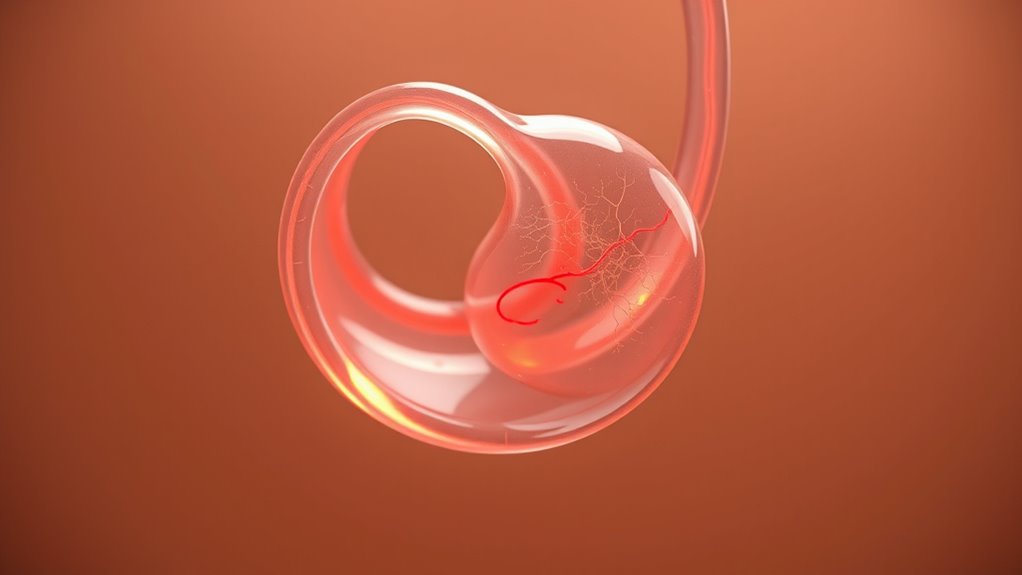
Long umbilical cords can increase flow resistance, making it harder for blood to circulate efficiently. This added resistance raises the systolic load on the fetal heart, leading to potential strain. As a result, the heart may work harder, risking long-term circulatory challenges for the fetus. Additionally, increased flow resistance can negatively affect color accuracy, which is vital for optimal visual performance. Proper monitoring and management of cord length are essential to mitigate these risks and ensure healthy fetal development, especially considering cold medications that might be used during pregnancy. Furthermore, understanding the European cloud infrastructure can help healthcare providers optimize monitoring systems for fetal health. Understanding the physical healing and recovery time after childbirth can help inform decisions about activity levels and cord management during pregnancy.
Increased Flow Resistance
Extended umbilical cords can increase flow resistance within the fetal circulatory system, which may impair blood flow to essential organs. Longer cords often have greater spiraling and twists, creating turbulence and narrowing the vessel lumen. This heightened resistance forces the fetal heart to pump harder to maintain adequate circulation. As resistance rises, the load on the heart increases, potentially leading to compromised oxygen and nutrient delivery. The increased flow resistance can also cause variable blood flow patterns, risking intermittent perfusion of crucial organs like the brain and lungs. Over time, this added strain may contribute to fetal stress, growth restriction, or distress during labor. Additionally, the presence of vascular twists in longer cords can further complicate blood flow dynamics. Consequently, longer cords, by elevating flow resistance, pose a significant challenge to maintaining efficient fetal circulatory dynamics.
Systolic Load Elevation
Long umbilical cords can markedly increase the systolic load on the fetal heart by elevating flow resistance and causing twists or spirals within the vessel. These structural changes hinder smooth blood flow, forcing the heart to work harder during each contraction. As resistance rises, the systolic pressure needed to propel blood through the cord increases, placing additional strain on the fetal myocardium. Spirals and entanglements amplify this effect, leading to intermittent or sustained elevations in systolic load. Over time, this added workload can compromise cardiac efficiency and may contribute to fetal hypoxia or distress. Recognizing how cord length influences systolic pressure helps you understand potential circulatory challenges during pregnancy, especially in cases where cords are unusually long and prone to twisting or entanglement. Understanding vascular dynamics is essential for assessing fetal well-being in cases of abnormal cord length. Moreover, these changes can influence fetal circulation and oxygen delivery, underscoring the importance of monitoring cord characteristics during prenatal assessments.
Heart Strain Risks
Prolonged umbilical cords can considerably impact fetal circulatory dynamics by increasing the strain on the heart. As the cord lengthens, spiraling and entanglement become more likely, raising resistance to blood flow. This heightened resistance forces the fetal heart to work harder to maintain adequate circulation, elevating systolic load. Over time, this extra effort can lead to heart strain, potentially impairing cardiac function. Studies show longer cords are linked with increased risk of mitral valve issues and rheumatic heart disease later in life. The added flow resistance from excess spiraling and knots stresses the heart’s ability to pump efficiently. Consequently, fetuses with very long cords face a higher risk of circulatory compromise, which can impact fetal well-being and long-term cardiovascular health. Additionally, understanding the role of AI in medical research can facilitate new insights into fetal health and improve management strategies for at-risk pregnancies.
Mechanical Performance of Cords With Varying Lay Lengths

Varying the lay length of steel cords substantially influences their mechanical performance, particularly their tensile strength and deformability. Longer lay lengths decrease stress concentration, allowing cords to bear higher loads without failure. Conversely, shorter lay lengths increase the likelihood of stress points, reducing overall strength. As lay length increases, deformability diminishes, making cords less flexible but more resistant to breakage. This balance affects how cords handle dynamic loads and impacts their durability. Additionally, understanding performance metrics helps in selecting the appropriate lay length for various applications. The choice of lay length also influences the cord’s flexibility and suitability for different operational environments. Moreover, selecting the optimal lay length requires considering the specific operational conditions to ensure long-term performance. Proper manufacturing processes are essential to achieve consistent lay lengths and maintain quality standards. Consistent quality control ensures the reliability of cords across different batches. Here’s a quick comparison:
| Lay Length (mm) | Tensile Strength | Deformability |
|---|---|---|
| 5 | Lower | High |
| 10 | Moderate | Moderate |
| 15 | Higher | Low |
| 20 | Maximal | Minimal |
Adjusting lay length tailors cord performance to specific load requirements.
Correlating Cord Size With Gestational and Fetal Growth Parameters

Research shows that the size of the umbilical cord closely correlates with key gestational and fetal growth parameters. You’ll find that as pregnancy progresses, cord diameter and cross-sectional area increase markedly, matching fetal growth patterns. For example, larger cords often align with greater biparietal diameter (BPD), femur length (FL), and head circumference (HC). Notably:
Umbilical cord size increases with gestational age, reflecting fetal growth and development.
- Cord diameter has a strong correlation with BPD (r=0.95) and FL (r=0.87)
- Cross-sectional area correlates with BPD (r=0.97) and FL (r=0.88)
- Cord size increases linearly with gestational age, with importance at p<0.001
- Larger cords may reflect better fetal nutritional status
- Shorter cords are linked to growth retardation and adverse outcomes
Understanding these relationships helps gauge fetal development and identify potential issues early.
Evaluating Cord Length and Diameter in Routine Pregnancy Outcomes

Evaluating umbilical cord length and diameter during routine prenatal assessments provides valuable insights into fetal well-being and pregnancy outcomes. You can identify potential risks like cord entanglement or fetal distress by measuring these parameters. Longer cords, typically over 70 cm, are linked to entanglement and knots, while shorter cords under 40 cm relate to fetal growth issues. Cord diameter, which increases with gestational age, correlates strongly with fetal size and can signal fetal compromise if abnormal. Use this table to guide your assessment:
| Parameter | Normal Range | Significance |
|---|---|---|
| Cord length | 50–60 cm | Detects potential entanglement or restriction |
| Cord diameter | 23.3–452.4 mm² (area) | Reflects fetal size and growth |
| Cross-sectional area | 23.3–452.4 mm² | Indicates overall cord health |
Accurate measurement helps optimize pregnancy management strategies. Understanding cord parameters can improve predictions of fetal health and guide clinical decisions.
Practical Implications for Managing Cord Length in Obstetric Care

Effective management of umbilical cord length begins with careful prenatal assessment and vigilant intrapartum monitoring. You should regularly evaluate cord length through ultrasound, especially if risk factors like abnormal growth or fetal distress are present. During labor, monitor for signs of cord prolapse, entanglement, or knots, which are more common with longer cords. To minimize complications, consider these practices:
- Use ultrasound to detect cord anomalies early.
- Limit excessive fetal manipulation during delivery.
- Prepare for potential cord-related emergencies, like prolapse.
- Opt for gentle delivery techniques in cases of known cord issues.
- Keep a close watch on fetal heart rate patterns for distress signs.
- Recognizing the importance of cord management strategies can further improve delivery outcomes and reduce complications.
- Utilizing a world clock tool can assist international teams in coordinating timely interventions across different time zones.
- Incorporating standardized protocols into delivery procedures ensures consistent and safe management of cord-related challenges.
- Additionally, understanding the impact of cord length on delivery can help tailor interventions for each case.
- Regularly reviewing clinical guidelines related to cord management can enhance decision-making and improve neonatal outcomes.
Frequently Asked Questions
How Does Cord Length Influence Fetal Neurodevelopment Outcomes?
You might think cord length directly affects fetal neurodevelopment, but current data shows no clear link. Longer cords can increase risks like entanglement, but these mainly impact delivery, not neurodevelopment. Short cords relate to fetal distress, which could influence brain outcomes if severe. Overall, cord length alone isn’t a decisive factor; other variables like oxygen supply and placental health play more significant roles in neurodevelopmental outcomes.
Are There Specific Genetic Factors Determining Cord Length Variations?
You should know that specific genetic factors can influence cord length variations. Genes related to connective tissue, collagen production, and fetal growth regulation play a role in determining umbilical cord length. Variations in these genes may lead to longer or shorter cords, affecting pregnancy outcomes. While research continues, understanding these genetic influences helps you appreciate why cord length differs among pregnancies and can impact fetal development and delivery risks.
What Are the Safest Cord Length Thresholds During Labor Interventions?
During labor interventions, aim to keep the cord length within the normal range of 50-60 cm to minimize risks. Avoid excessively long cords over 70 cm, as they increase entanglement and prolapse chances, and cords shorter than 40 cm may lead to fetal distress. Monitoring cord length closely helps prevent complications, ensuring safer delivery. Always assess each case individually, considering specific risk factors for ideal outcomes.
How Does Cord Diameter Impact the Risk of Cord Entanglement?
A larger cord diameter can increase the risk of entanglement because thicker cords are more prone to twisting and wrapping around themselves or the fetus. When the cord is wider, it becomes more susceptible to knots and entanglement, especially in cases of longer cords. You should monitor cord diameter closely during ultrasounds, as thicker cords may require careful management during labor to reduce entanglement risks and ensure fetal safety.
Can Prenatal Imaging Accurately Predict Problematic Cord Lengths?
Prenatal imaging can pretty reliably reveal problematic cord lengths. You can spot short cords causing complications or long cords risking entanglement and prolapse. Techniques like ultrasound, especially 3D and Doppler imaging, provide precise, proactive pictures of cord structure and length. While not foolproof, these tools help you predict potential problems early, allowing you to plan for safer, smoother deliveries and sidestep serious cord-related surprises.
Conclusion
As you navigate the nuances of cord length, remember that balance brings benefits beyond boundaries. Too long, and you invite interference, increasing risks and insecurities; too short, and you risk restriction and regret. Aim for the sweet spot where strength meets safety, ensuring a secure, supple, and supportive connection. By managing measures mindfully, you master the art of ideal obstetric outcomes, turning tension into trust and chaos into calm for healthier, happier beginnings.
Halloween Picks
halloween
As an affiliate, we earn on qualifying purchases.