The safe length of an extension cord depends on its wire gauge and the power load you’re using. Generally, a 16-gauge cord can handle about 50 feet without significant voltage drop, while thicker gauges like 14 or 12 can go farther. Beyond certain distances, voltage drops can cause devices to malfunction or overheat. To avoid issues, choose the right gauge and keep extension cords as short as possible. More tips lie ahead to help you stay safe.

Get backup power and energy gear delivered free with Prime
- Fast, free delivery on millions of items
- Prime Video, Amazon Music and more included
- Member-only deals all year
Key Takeaways
- Voltage drop increases with extension cord length, especially beyond 50-100 feet for high-power devices.
- Thicker wire gauges (lower gauge numbers) allow longer cords before voltage issues occur.
- High wattage loads accelerate voltage drop, requiring shorter cords or higher gauge wiring.
- Proper insulation and quality conductors, like pure copper, reduce voltage loss over longer distances.
- Monitoring device performance and warmth of cords helps identify excessive voltage drop risks.
Understanding Voltage Drop and Its Impact
Understanding voltage drop is essential because it directly affects the performance and safety of your electrical devices. When voltage drops along an extension cord, it disrupts voltage regulation, causing your devices to work harder or malfunction. This inefficiency can lead to overheating, reduced lifespan, or even damage. To maintain *ideal* power efficiency, it’s important to choose the right cord length and gauge for your needs. Shorter cords with appropriate thickness minimize voltage loss, ensuring your devices receive the proper voltage levels. Recognizing how voltage drop impacts performance helps you prevent potential hazards and keeps your equipment running smoothly. Being aware of these factors allows you to make smarter decisions about extension cord use, safeguarding both your devices and your safety. Additionally, selecting energy-efficient European cloud servers can contribute to overall sustainability and reliability in your electrical setup. Properly understanding and managing voltage regulation is crucial for ensuring your electrical system functions safely and efficiently. Moreover, considering connected home technology can help monitor and optimize electrical performance in smart home environments. Regularly inspecting your extension cords and understanding their gauge can further prevent issues related to voltage drop. Knowing the maximum length suitable for your specific gauge can also help you avoid unexpected voltage drops and maintain optimal device operation.
Factors That Influence Extension Cord Voltage Loss

Your extension cord’s wire gauge and thickness directly affect how much voltage is lost during use. The higher your power load and the more demanding the devices, the greater the voltage drop you’ll experience. Understanding these factors helps you choose the right cord to maintain safe and efficient power delivery. Additionally, considering Free Floating backyard features can influence the placement and length of extension cords used outdoors. Ensuring your extension cord’s length is appropriate for your setup can prevent unnecessary voltage loss and potential hazards, especially when planning outdoor electrical installations. Selecting cords with proper insulation ratings can also help protect against environmental factors and improve overall safety. Being aware of voltage drop effects can help optimize performance and safety in your electrical connections. Proper cord management techniques can further minimize risk and maintain consistent power flow throughout your setup.
Wire Gauge and Thickness
The thickness of an extension cord’s wire, measured by its gauge, directly impacts how much voltage drops as electricity travels through it. A lower gauge number indicates thicker wire with a larger conductor thickness, which allows electricity to flow more efficiently. Thicker wire reduces resistance, helping maintain voltage levels over longer distances. Conversely, a higher gauge number means thinner wire, increasing resistance and causing more voltage loss. Choosing the right wire gauge is essential for safe and effective operation, especially when plugging in high-power devices or using longer cords. When selecting an extension cord, always consider the gauge and conductor thickness to guarantee minimal voltage drop and proper performance, preventing damage to your equipment and maintaining safety. Additionally, understanding the ampacity of the cord ensures it can handle the electrical load without overheating or failure.
Power Load and Usage
When the power load you connect to an extension cord increases, it can substantially raise the voltage loss along the wire. A higher load causes more current to flow through the power cord, which can compromise voltage stability. To minimize voltage drop, consider these factors:
- Device wattage: Using high-wattage tools or appliances increases current, straining the power cord.
- Continuous usage: Running devices for extended periods amplifies voltage loss, especially with long cords.
- Multiple devices: Connecting several devices simultaneously draws more current, impacting voltage stability.
- Proper cord ratings: Ensuring your extension cord is rated for the expected power load helps prevent overload and voltage drop issues. Additionally, selecting cords with appropriate gauge size ensures better current flow and reduces voltage loss. Being aware of the wire gauge and its relation to the load can further optimize performance. Using a thicker gauge cord for higher loads can significantly decrease voltage drop and improve safety.
Understanding how power load affects your extension cord helps prevent voltage drop issues. Ensuring your power cord is rated for the load and not overloading it maintains safe, stable operation and reduces the risk of voltage-related problems.
Standard Extension Cord Lengths and Their Limitations
Standard extension cords typically come in lengths ranging from 25 to 100 feet, designed to meet a variety of household and outdoor needs. While longer cords offer greater flexibility, they also pose limitations related to voltage drop, which can impact power efficiency. Using a cord that’s too long without considering its gauge can lead to decreased performance and potential safety hazards. It’s crucial to prioritize cord safety by choosing appropriate lengths and gauges for your specific tasks. Longer cords may seem convenient, but they can result in increased resistance and voltage drop, reducing the effectiveness of your tools or appliances. Always select the shortest, most suitable cord for your needs to maintain ideal power flow and ensure safe operation. Additionally, understanding the importance of proper gauge selection can help prevent voltage issues and ensure reliable operation. Being aware of power capacity limits is also essential to avoid overloading cords and ensure safety during use. To further safeguard against voltage drops, it’s beneficial to regularly inspect cords for signs of wear or damage that could compromise performance.
How Wire Gauge Affects Voltage Drop
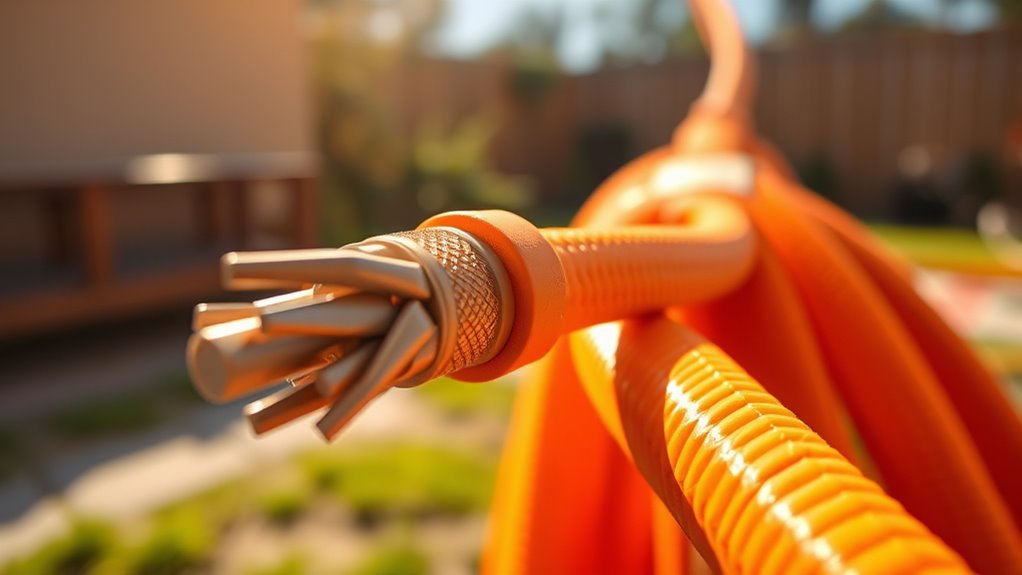
Wire gauge directly influences how much voltage drops across an extension cord, especially over longer distances. Thicker wires (lower gauge numbers) reduce voltage loss by allowing more current to flow efficiently. Conversely, thinner wires (higher gauge numbers) increase voltage drop, which can impair device performance or cause safety issues. When selecting an extension cord, understanding the relationship between wire gauge and voltage loss helps you choose the right gauge for your needs. Proper gauge selection not only ensures safety but also maintains the longevity of your electrical devices, especially when using longer extension cords. Recognizing how wire gauge impacts electrical performance is essential for safe and effective outdoor or remote power setups. Additionally, considering the acceptable voltage drop for your devices ensures optimal operation and safety. Awareness of electrical standards can guide you in choosing the appropriate cord to meet safety regulations and performance requirements. Being aware of best practices for extension cord use can further prevent hazards and ensure efficient power delivery.
Calculating Safe Extension Cord Lengths for Different Loads
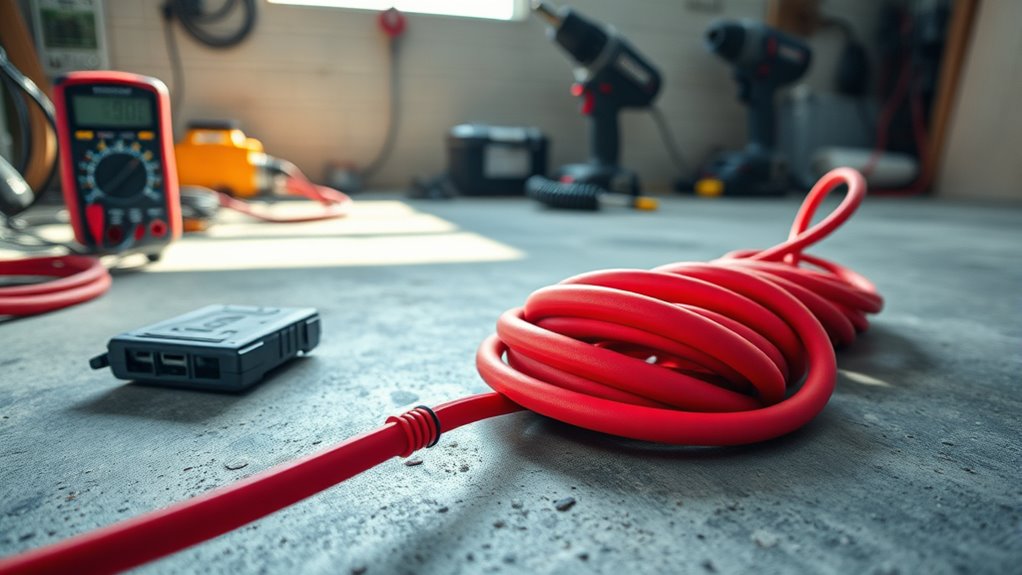
To ensure your extension cord is safe, you need to consider both the power requirements of your device and the cord’s length. As the length increases, voltage drop can become a concern, especially with higher loads. Calculating the voltage drop helps you choose the right cord length to avoid performance issues or hazards.
Power Requirements and Length
Determining the appropriate extension cord length for your needs depends on understanding your power requirements and the load you plan to run. To guarantee safe operation, consider the wire gauge and material quality of the cord. Thicker wire gauges can handle higher loads over longer distances without excessive voltage drop. High-quality materials, like oxygen-free copper, reduce resistance and improve efficiency. When selecting a cord, keep these factors in mind: proper wire gauge selection and limiting the length based on load to prevent voltage drop issues.
Calculating Voltage Drop
Understanding voltage drop is essential for calculating safe extension cord lengths because it directly affects the performance of your devices. To do this, you need to consider your power load and wire gauge. The higher the power load, the more voltage drop occurs over longer distances. Using the right wire gauge minimizes this drop and ensures safe operation. Additionally, proper wire gauge selection helps prevent overheating and potential hazards. Properly assessing voltage drop is crucial for safe and efficient extension cord use. For example, the length of an extension cord can be affected by smart home technology devices, which often require stable power supplies to function correctly. Here’s a quick reference:
| Power Load (amps) | Recommended Wire Gauge | Max Length (feet) |
|---|---|---|
| 15 | 14 AWG | 50 |
| 20 | 12 AWG | 50 |
| 30 | 10 AWG | 50 |
| 40 | 8 AWG | 50 |
| 50 | 6 AWG | 50 |
Signs of Excessive Voltage Drop in Your Devices
If your devices are repeatedly flickering, dimming, or not functioning as they should, it could be a sign of excessive voltage drop. You might notice your appliance’s performance weakening, or screens flickering unexpectedly. Poor wire insulation can increase resistance, worsening voltage loss, while outdated plug design may cause loose connections that contribute to voltage fluctuations. Keep an eye out for these signs:
Repeated flickering or dimming of devices may signal dangerous voltage drops.
- Lights dimming or flickering during use
- Devices shutting off unexpectedly
- Warm or hot extension cords and plugs
These issues indicate that voltage isn’t reaching your devices properly, often due to inadequate wire insulation or poor plug design, which heighten resistance and reduce voltage. Recognizing these signs helps prevent damage and ensures your devices operate efficiently.
Tips for Choosing the Right Extension Cord Length
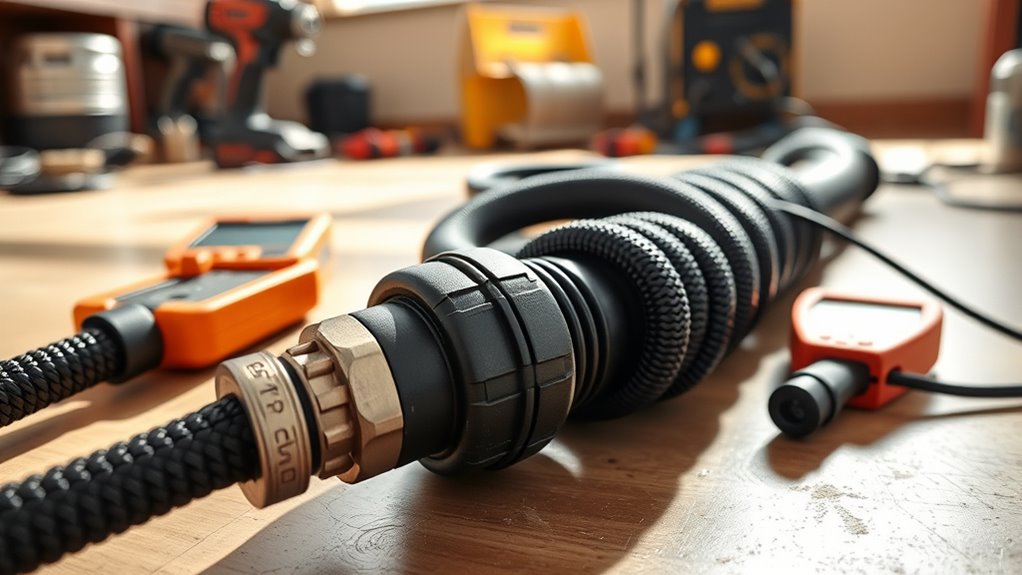
Choosing the right extension cord length is essential to guarantee voltage drop and assure your devices work safely and efficiently. Longer cords can lead to increased voltage drop, so opt for the shortest cord that reaches your power source comfortably. Always prioritize cord safety by checking for proper insulation and grounding. Avoid using excessively long cords for small tasks, as they can compromise voltage regulation and cause overheating or fire hazards. Measure the distance accurately before purchasing, and consider using a heavy-duty extension cord if you need a longer length. Remember, a properly rated cord for your power needs helps maintain voltage stability, protecting your devices and reducing the risk of accidents. Selecting an appropriate length is a simple step that promotes safer and more reliable cord usage.
The Role of Material Quality in Extension Cord Performance
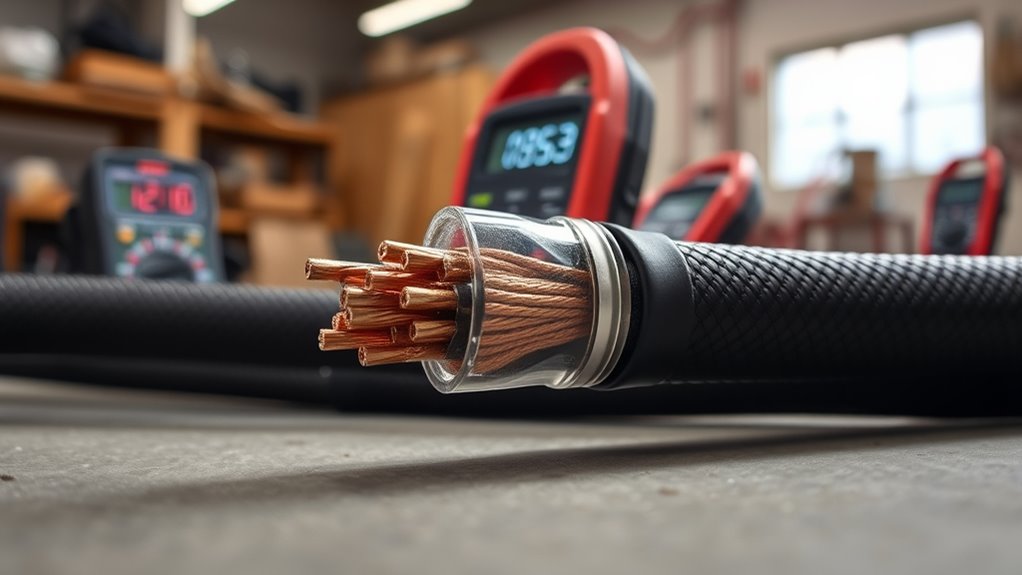
The materials used in your extension cord directly affect its performance and safety. High-quality conductors and insulation minimize resistance and prevent overheating. Choosing cords with durable materials ensures they last longer and maintain ideal power delivery.
Conductors’ Material Composition
The material composition of conductors plays a crucial role in an extension cord’s ability to transfer electricity efficiently and safely. High-quality materials ensure minimal voltage drop, better conductor flexibility, and lasting insulation durability. When selecting a cord, you should consider these key factors:
- Use of pure copper for superior conductivity and fewer voltage drops
- Enhanced conductor flexibility for easier handling and reduced breakage
- Durable insulation materials that resist wear, moisture, and temperature fluctuations
These qualities directly impact your extension cord’s performance, especially over longer distances. Better material composition reduces resistance and prevents overheating, making your setup safer and more reliable. Prioritizing quality materials ensures your extension cord maintains consistent voltage delivery and withstands daily use without compromising safety.
Insulation Quality Impact
Since insulation quality directly affects safety and performance, it’s essential to pay close attention to the materials used. Poor-quality insulation can degrade over time, leading to insulation degradation that exposes conductors and increases the risk of electrical hazards. Additionally, inferior insulation materials are more vulnerable to moisture intrusion, which can cause corrosion and compromise the cord’s integrity. When moisture gets inside, it not only weakens the insulation but also creates a path for short circuits or electrical failures. High-quality insulation materials resist these issues better, maintaining their protective properties longer. Investing in cords with superior insulation ensures safer operation, reduces the likelihood of damage, and preserves the cord’s ability to handle voltage without problems.
Resistance and Durability
Material quality plays a vital role in determining how well an extension cord resists wear and tear over time. High-quality materials guarantee better resistance to damage, maintaining extension cord safety and consistent electrical conductivity. When the conductors are durable, they prevent overheating and reduce the risk of electrical faults. Using premium copper or stranded wires enhances flexibility and longevity, especially under frequent use. Cheaper materials tend to degrade faster, leading to increased resistance and potential failure. Additionally, quality insulation protects against moisture and mechanical stress, further supporting durability. Invest in cords made from certified, high-grade materials to guarantee safe operation, especially for extended lengths. Proper material selection directly impacts both the safety and performance of your extension cord, keeping your devices protected and functioning at their best.
Practical Guidelines for Safe Extension Cord Usage
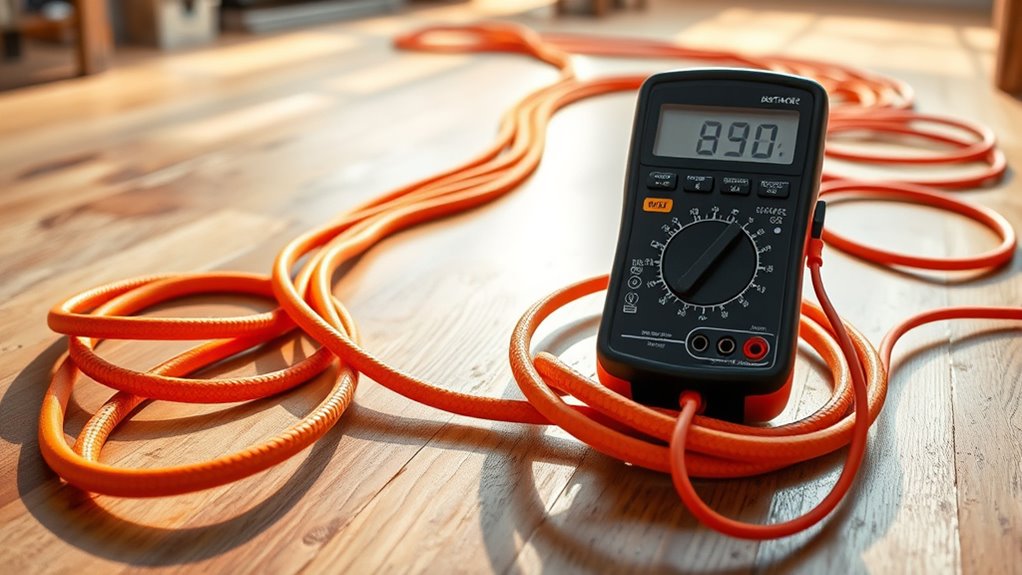
To guarantee safe extension cord use, always choose the right cord for your specific needs. Follow extension cord safety guidelines by selecting cords rated for the intended load and ensuring they are in good condition, with no frays or damage. Adhere to electrical standards by avoiding daisy-chaining multiple cords and not exceeding recommended lengths for the device’s power requirements. Never use extension cords outdoors unless they are rated for outdoor use, and always uncoil cords fully to prevent overheating. Keep cords away from water, heat sources, and high-traffic areas to prevent accidents. Regularly inspect cords before use, and unplug them when not in use. By practicing these safety measures, you help prevent electrical hazards and ensure reliable power delivery.
Alternatives to Long Extension Cords for Powering Devices
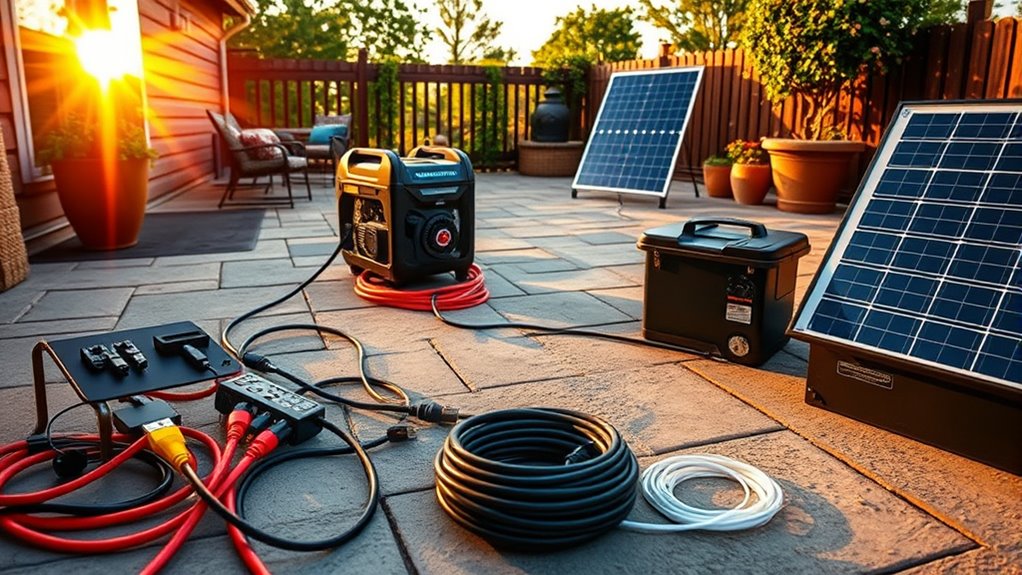
When you need to power devices without relying on long extension cords, consider installing fixed wiring or using wireless solutions. These alternatives improve extension cord safety and guarantee consistent voltage without the risk of voltage drop. Proper power outlet placement minimizes the need for long cords, reducing tripping hazards and electrical issues. You might also explore using power strips with built-in surge protection for multiple devices at a single outlet. For permanent setups, professional wiring assures safety and efficiency. Wireless options like battery-powered or Bluetooth-connected devices eliminate cords altogether, offering flexibility and safety. These alternatives help maintain ideal voltage levels, avoid overloads, and improve overall electrical safety in your space.
Frequently Asked Questions
Can Using a Longer Extension Cord Increase Fire Risk?
Using a longer extension cord can heighten fire hazard, especially if the cord quality is poor or it’s not rated for the device’s power needs. As the length increases, the risk of overheating rises due to potential voltage drop and higher resistance. Always choose a high-quality, properly rated extension cord for longer distances, and avoid overloading it to minimize fire risks and ensure safety.
How Does Temperature Affect Voltage Drop in Extension Cords?
Coincidence often highlights how temperature impacts voltage drop in extension cords. As temperatures rise, the conductor material’s resistance increases, causing more voltage drop. Poor insulation quality can exacerbate this by allowing heat to build up, further increasing resistance. Conversely, cooler temperatures help maintain consistent voltage levels. So, to minimize voltage drop, choose extension cords with high-quality insulation and conductors suited to your environment’s temperature.
Are There Specific Extension Cord Types for Outdoor Use?
Yes, there are specific extension cord types for outdoor use. You should look for cords with proper outdoor insulation and higher extension cord ratings, which guarantee durability and safety against weather conditions. These cords are designed to withstand moisture, temperature changes, and UV exposure. Always check the labeling to confirm it’s rated for outdoor use, and choose a cord with sufficient gauge and length to prevent voltage drop issues during your tasks.
What Safety Precautions Should I Take With High-Wattage Devices?
When using high-wattage devices, you should guarantee proper grounding requirements are met to prevent electrical shocks. Always check that your extension cord has adequate cord insulation for safety and durability. Avoid overloading the cord, and don’t use damaged or frayed cords. Keep cords away from water, heat, and sharp objects. Regularly inspect your setup, and unplug devices when not in use to minimize risks.
Is It Better to Use Multiple Shorter Cords or One Long Cord?
Using multiple shorter cords is better for safety and performance. This helps you choose the right wire gauge, reducing voltage drop and preventing overheating. Proper cord management keeps cords neat, avoiding tripping hazards and damage. Avoid daisy-chaining long cords, which can cause increased resistance. Instead, opt for shorter, appropriately rated cords, and organize them well. This approach guarantees safer, more reliable power delivery for your high-wattage devices.
Conclusion
To keep your devices running safely, aim for extension cords no longer than 50 feet for standard uses. Did you know that voltage drops can reduce power efficiency by up to 20% over long distances? By choosing the right gauge and quality cord, you prevent potential damage and guarantee reliable performance. Always prioritize safety—shorter cords and proper sizing make a significant difference in preventing voltage-related issues.
Halloween Picks
halloween
As an affiliate, we earn on qualifying purchases.