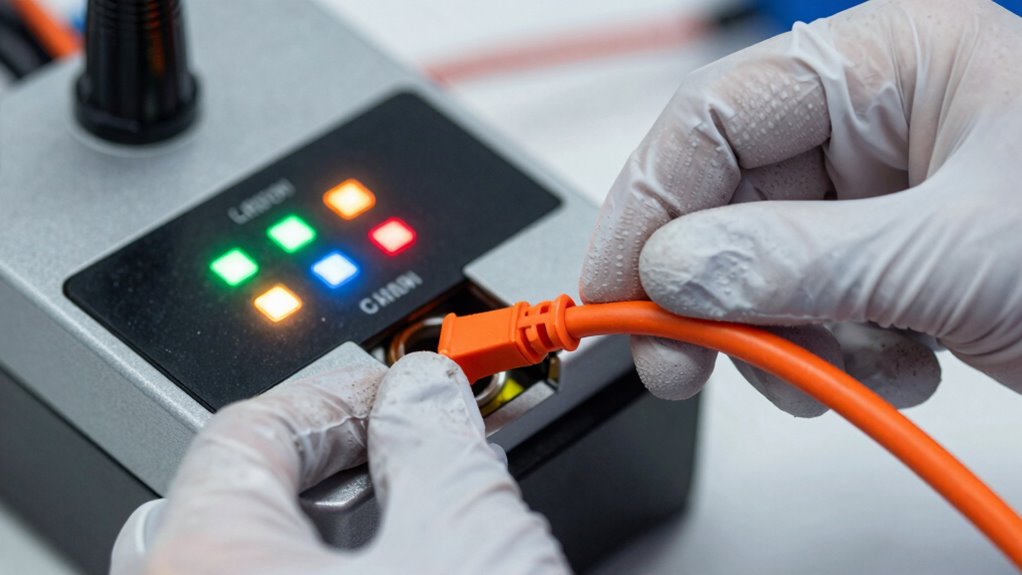

To catch cheap failures early, you need a fast cord inspection test that checks both physical and electrical integrity. This involves quick force tests for connectors, flexural and pressure tests to spot material weaknesses, and electrical resistance checks to guarantee reliable signals. Drop tests and salt spray corrosion assessments reveal hidden vulnerabilities. If you want to uncover common cheap failures before they become costly, keep exploring how these methods work together for thorough quality control.
Key Takeaways
- Use force gauges and motorized actuators for quick, standardized insertion and extraction force testing.
- Implement electrical continuity and resistance tests to detect low-cost manufacturing defects early.
- Conduct rapid visual and fiber optic inspections to identify surface damages or dirt that cause failures.
- Perform pressure and flexural tests to quickly reveal structural weaknesses or component deformations.
- Utilize corrosion and material integrity tests, like salt spray or nondestructive evaluation, for cost-effective long-term reliability checks.

Jackery Portable Power Station Explorer 300, 293Wh Backup Lithium Battery, Solar Generator for Outdoors Camping Travel Hunting Blackout (Solar Panel Optional)
SPEED UP YOUR RECHARGEABILITY: It takes only 2 hours to recharge 80% battery of the power station through...
As an affiliate, we earn on qualifying purchases.
Understanding the Importance of Quick Quality Checks
Have you ever wondered why quick quality checks are vital in cable and connector manufacturing? They help you catch defects early, preventing faulty products from reaching customers. Speed is essential because it allows for rapid identification of issues without delaying production. By conducting quick tests, you can ensure that each component meets safety and performance standards efficiently. This reduces the risk of costly recalls and damage to your reputation. Fast quality checks also enable you to identify trends or recurring problems, so you can address root causes promptly. Implementing these tests with modern technology can further enhance accuracy and speed. Incorporating reliable testing methods into your workflow ensures consistent quality and helps catch failures before they escalate. Staying informed about industry standards ensures your testing processes align with regulatory requirements. Additionally, understanding the YouGoNews insights on quality assurance can provide valuable strategies to optimize your inspection processes. These practices can also be complemented by adopting automated testing systems, which increase throughput and decrease human error. Ultimately, these rapid assessments keep your workflow smooth, improve overall product reliability, and help you stay competitive in a market that demands both quality and speed.

Anker SOLIX C1000 Gen 2 Portable Power Station, 2,000W (Peak 3,000W) Solar Generator, Full Charge in 49 Min, 1,024Wh LiFePO4 Battery for Home Backup, Power Outages, and Camping (Optional Solar Panel)
49 Min UltraFast Recharging: With upgraded HyperFlash tech, fully recharge at 1,600W—for outage prepping, camping trips, or tailgating...
As an affiliate, we earn on qualifying purchases.
Key Components of a Rapid Connector Force Test
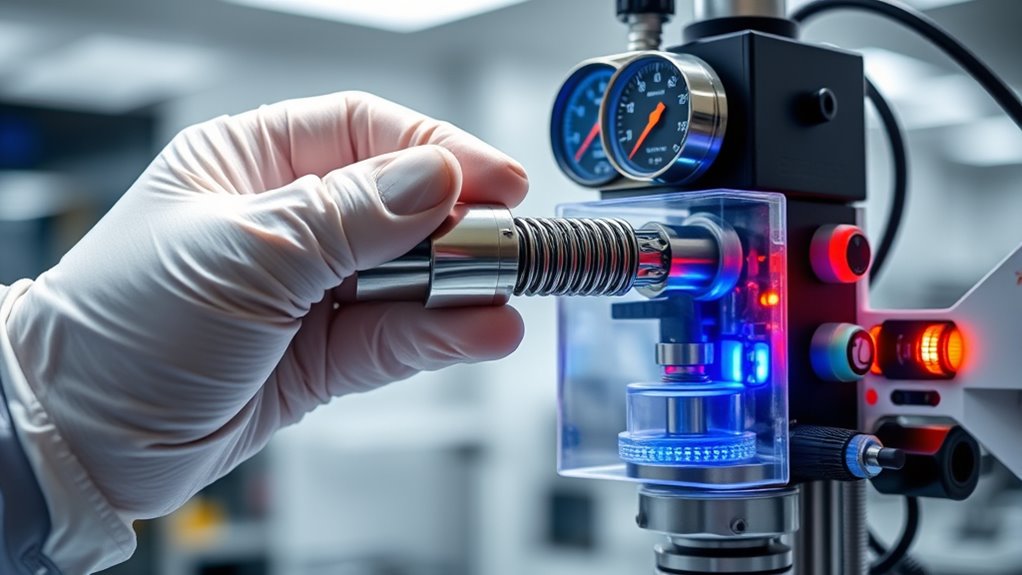
A rapid connector force test relies on several key components to quickly and accurately assess connector durability. First, a force gauge measures insertion and extraction forces, ensuring they meet specified criteria. Second, a motorized actuator applies consistent pressure at a set rate, typically 12.5 mm/min. Third, a data acquisition system records force readings and cycle counts in real time. Fourth, fixtures hold the connector in proper alignment, preventing skewed results. Fifth, a control panel manages test parameters and displays progress. Additionally, calibration procedures are essential to maintain measurement accuracy over time. Proper calibration techniques help in achieving reliable and repeatable results, and adherence to measurement standards ensures consistency across tests. Maintaining proper color accuracy during calibration ensures reliable measurements, which is crucial for high-quality testing.

Jackery Solar Generator 1000 v2 with 200W Solar Panel,1070Wh Portable Power Station LiFePO4 Battery,1500W AC/100W USB-C Output, 1Hr Fast Charge for Outdoor,Off-Grid Living,RV,Emergency
Powerful yet Compact: Boasting a 1,500W AC output and a 3,000W surge peak, the Solar Generator 1000 V2...
As an affiliate, we earn on qualifying purchases.
How Flexural and Pressure Tests Prevent Failures
Flexural and pressure tests are essential for identifying potential failure points in connectors before they reach operational use. These tests simulate real-world stresses, revealing vulnerabilities that could cause failures during service. The flexural test applies force to the connector’s forepart to check for bending or deformation, ensuring it maintains integrity under flexing conditions. The pressure test presses the entire connector at a specified force to verify it withstands internal pressures without fractures. By catching these issues early, you prevent costly failures and ensure connector durability. These tests validate that connectors can handle mechanical stresses without bending or breaking, reducing downtime and safety risks. Implementing flexural and pressure tests improves product reliability and guarantees your connectors perform safely and effectively in real-world environments. Additionally, understanding the testing methods helps manufacturers develop more robust and reliable products. Incorporating standardized testing procedures further ensures consistency and quality across production batches. Moreover, using quality control measures during manufacturing can help detect defects before products are shipped, further reducing failure risks. Conducting these tests under controlled conditions ensures accurate assessment of the connector’s performance. Including advanced measurement techniques can enhance the detection of subtle material weaknesses that might not be apparent through basic testing.

BLUETTI Elite 30 V2 Portable Power Station 600W (Power Lifting 1500W), 288Wh LiFePO4 Battery with 10ms UPS, Emergency Backup Power for Home Blackout/Winter Storm, Solar Generator for Camping/Road Trip
[288Wh On-the-Go Power] - Only 9.4 lbs lightweight, carry it anywhere during storms! 288Wh capacity meets daily &...
As an affiliate, we earn on qualifying purchases.
The Role of Cable Tension and Swing Tests in Quality Assurance
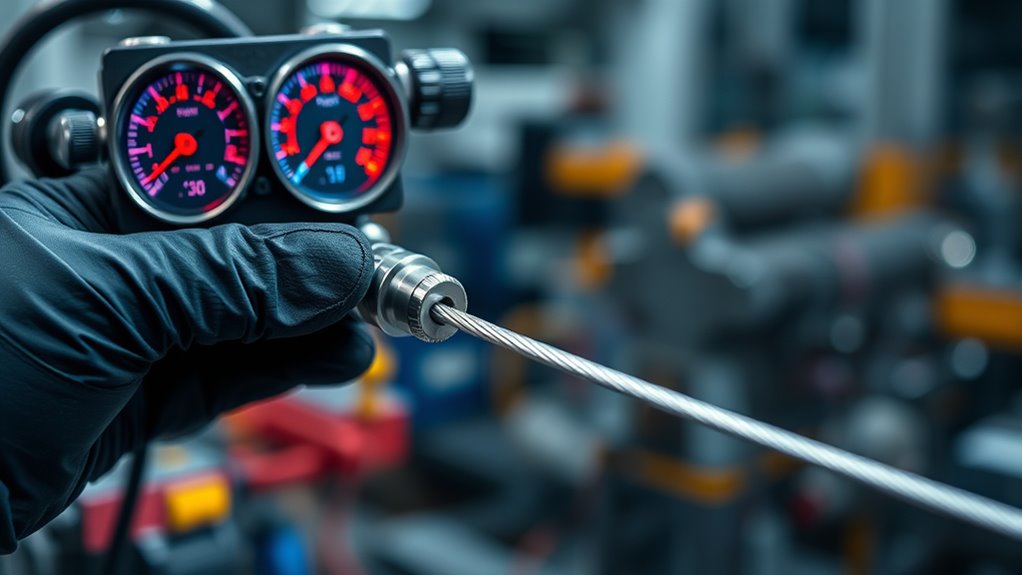
Cable tension and swing tests play a vital role in ensuring your cable assemblies can withstand real-world operational stresses. Tension tests pull the cable with a specified force, verifying it won’t snap or disconnect under load. Swing tests involve hanging a weight and swinging it back and forth repeatedly, checking for continuity loss or connector failure. These tests simulate dynamic forces cables experience during use, such as movement, vibration, or accidental pulls. Conducting performance assessments like tension and swing evaluations can reveal weaknesses that might not be apparent under static conditions. Additionally, these tests help identify issues related to body jewelry materials, which can impact durability and performance. By subjecting cables to these conditions, you identify weaknesses before deployment, reducing the risk of failure during operation. Ensuring your cables pass tension and swing tests means they can endure mechanical stresses, maintain electrical performance, and deliver reliable performance over time. These tests are essential for quality assurance and long-term durability of your cable assemblies. Incorporating essential testing methods like tension and swing evaluations helps verify the robustness of your cables against real-world stresses. Regular testing can also help incorporate AI-driven insights to optimize the design and manufacturing process for better quality control. Moreover, understanding the material properties involved can aid in selecting the most suitable cables for specific environmental conditions.
Detecting Physical Damage and Corrosion Early With Drop and Salt Spray Tests
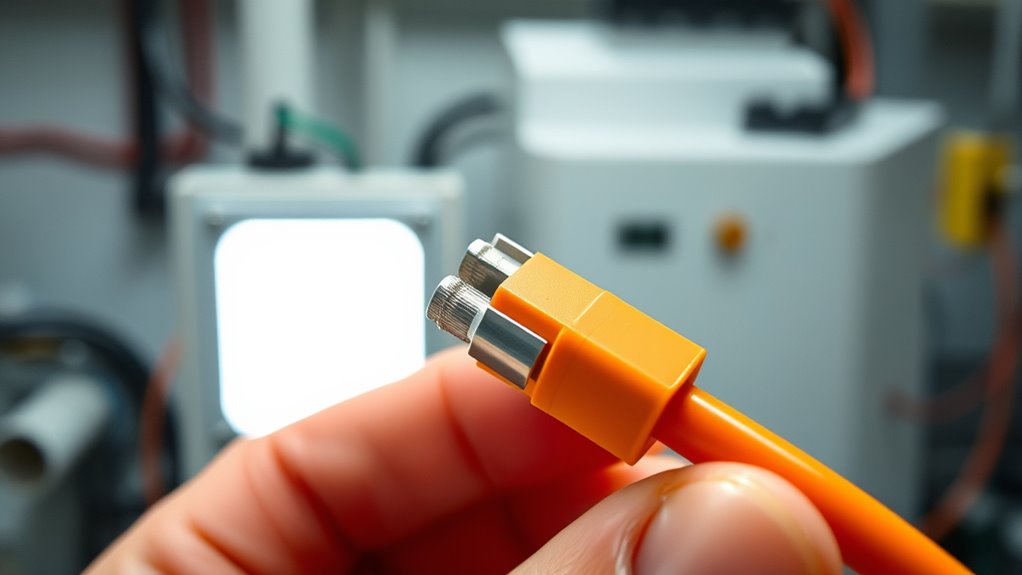
Detecting physical damage and corrosion early is essential to maintaining cable reliability, and drop and salt spray tests are effective methods for doing so. Drop tests simulate accidental impacts by dropping cables from a specified height, revealing cracks, fractures, or other damage that might compromise performance. Salt spray tests expose cables to a controlled salty humid environment, accelerating corrosion processes that could weaken the protective layers or conductors. These tests help identify vulnerabilities before they lead to failure in real-world conditions. Additionally, understanding corrosion mechanisms can help you interpret test results more accurately. Recognizing material properties also plays a crucial role in predicting how cables will respond to environmental stressors. Performing these assessments regularly can prevent costly repairs, ensuring long-term durability in harsh environments. Incorporating environmental stress testing into routine inspections allows for proactive maintenance and improved reliability. Regular testing also aids in tracking material degradation over time, enabling better maintenance planning. They’re quick, reliable, and critical for ensuring long-term durability in harsh environments.
Electrical Continuity and Resistance Tests for Reliable Performance
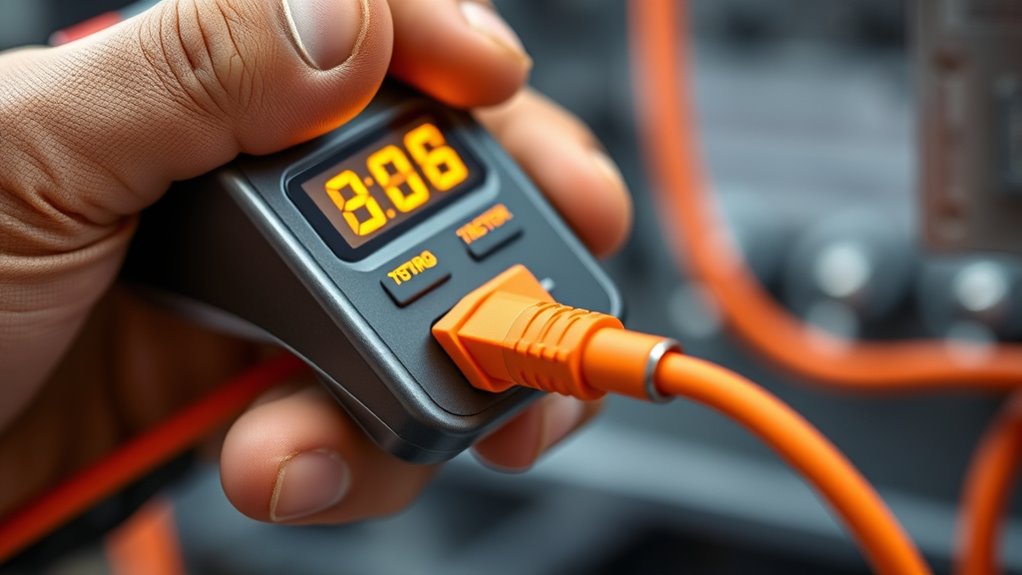
Electrical continuity and resistance tests guarantee your cords stay connected without interruptions. These tests help you spot resistance anomalies that could cause signal degradation or failure. By performing them regularly, you prevent potential issues and maintain reliable performance. Additionally, implementing smart automation can help monitor these parameters continuously, ensuring ongoing safety and efficiency.
Ensuring Uninterrupted Connectivity
Ensuring uninterrupted connectivity is essential for maintaining reliable performance in electronic systems, and this depends heavily on thorough electrical continuity and resistance testing. These tests confirm that signals flow without interruption and that conductors meet resistance standards. To achieve this, you should focus on:
- Conducting continuity tests to verify an unbroken electrical path along the entire cable.
- Measuring conductor resistance to ensure it falls within acceptable limits, preventing power loss.
- Performing insulation resistance tests to confirm proper isolation between conductors.
- Running high voltage tests to verify the cable can withstand operational stresses without breakdown.
Detecting Resistance Anomalies
Identifying resistance anomalies in cables involves more than just basic continuity checks; it requires precise measurements that reveal irregularities in electrical pathways. Using a conductor resistance tester, you measure the resistance along the cable to detect high or inconsistent values indicating poor contacts or damaged conductors. These irregularities can cause voltage drops, signal degradation, or eventual failure. You should also perform insulation resistance tests to ensure no unintended current leaks between conductors and insulation. Maintaining proper resistance levels guarantees reliable current flow, minimizes heat buildup, and prevents future failures. By systematically testing and analyzing resistance values, you catch potential issues early, ensuring your cables perform reliably under operational conditions and avoiding costly downtime or replacements.
Preventing Signal Loss
Have you ever experienced signal loss or data interruptions in your cable system? You can prevent this by focusing on electrical continuity and resistance tests. These tests ensure your cable maintains a reliable connection under real-world conditions. Here’s what to check:
- Continuity testers verify there’s an unbroken electrical path along the entire cable.
- Conductor resistance tests measure resistance levels, flagging potential issues before failure.
- Insulation resistance tests confirm adequate insulation between conductors and surroundings.
- High voltage tests evaluate the cable’s ability to withstand voltage spikes without breakdown.
Performing these tests regularly helps identify weak spots and prevents signal loss. By catching problems early, you ensure consistent performance and avoid costly downtime. Reliable cables keep your data flowing smoothly.
Leveraging Fiber Optic and Wire Rope Diagnostics for Complete Inspection
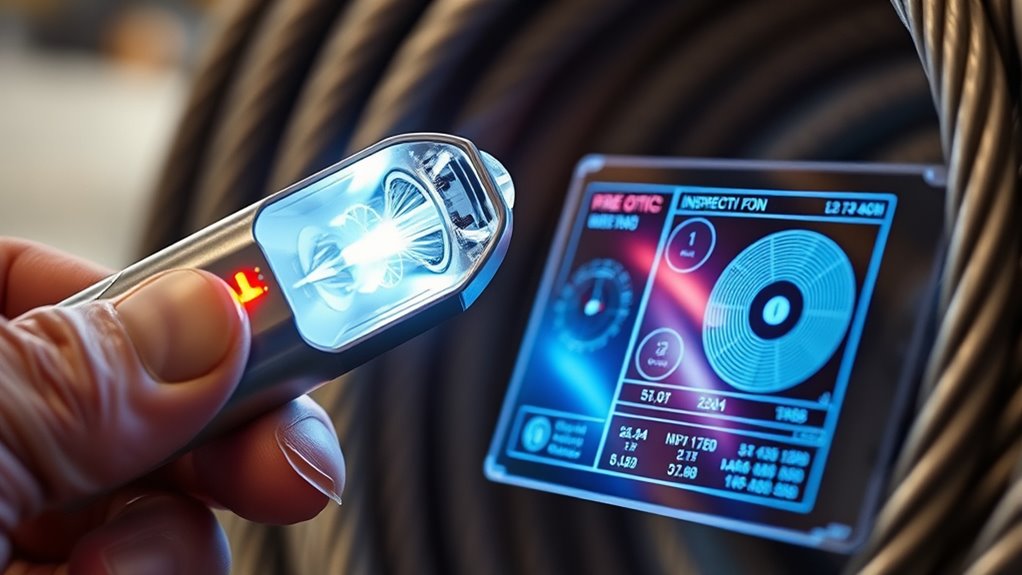
Leveraging fiber optic and wire rope diagnostics creates a thorough approach to inspecting critical infrastructure. Fiber optic testing, like OLTS and OTDR, quickly identifies signal loss, bends, and faults that can compromise network integrity. Visual fault locators and fiber inspection probes enable you to pinpoint dirt, debris, or damage at end faces, preventing future failures. Similarly, wire rope nondestructive testing methods such as Magnetic Flux Leakage and ultrasonic testing reveal internal and surface defects, including broken wires or corrosion, before they cause catastrophic failures. Acoustic emission monitoring and radiographic imaging offer additional insights into internal integrity. By combining these technologies, you get a complete view of both optical and mechanical health. This proactive approach minimizes downtime, reduces costly repairs, and ensures your infrastructure remains reliable and safe over time.
Frequently Asked Questions
How Do Connector Tests Detect Subtle Manufacturing Defects?
You can detect subtle manufacturing defects in connectors by performing precise tests like insertion and extraction force measurements, flexural, and pressure tests. These methods reveal weaknesses like poor material consistency, micro-cracks, or misalignments that aren’t visible during visual inspection. By applying controlled stresses and monitoring responses, you identify flaws that could lead to failure, ensuring only reliable connectors pass through your quality process.
What Are the Typical Failure Modes Identified by Durability Tests?
Like a detective uncovering hidden clues, durability tests reveal the unseen flaws lurking within cables. You’ll find failures such as physical damage from drops, corrosion after salt spray exposure, or cracks from flexing. Mechanical wear from abrasion and tensile stress can weaken the structure, while electrical issues like insulation breakdowns surface under high voltage. These tests make certain your cables withstand real-world conditions, preventing unexpected failures and safeguarding your systems’ reliability.
How Does Fiber Optic Testing Improve Network Reliability?
Fiber optic testing improves network reliability by precisely identifying faults, bends, and splices that could cause signal loss. You can detect issues early with tools like OTDRs and VFLs, preventing data degradation and downtime. Regular testing ensures your fiber connections stay clean and intact, maintaining peak performance. By catching problems before they escalate, you keep your network stable, efficient, and ready to support high-speed data transmission without interruption.
What Non-Destructive Methods Are Used for Wire Rope Inspection?
You can use non-destructive methods like Magnetic Flux Leakage (MFL), which detects wire breaks through magnetic field leaks, and Ultrasonic Testing (LRUT), which sends low-frequency waves to find internal flaws. Electromagnetic testing identifies surface cracks and corrosion, while Acoustic Emission Monitoring listens for emissions from defects. Radiographic Testing (RT) uses X-rays to reveal internal voids and broken wires without damaging the cable.
How Do Advanced Diagnostics Predict Long-Term Cable Performance?
Ever wondered how you can predict a cable’s future performance? Advanced diagnostics like VLF dissipation factor tests, partial discharge measurements, and insulation resistance tests analyze the cable’s internal health. They detect early signs of insulation degradation, voids, or weak spots that could lead to failure over time. By identifying these issues now, you guarantee reliability, prevent costly breakdowns, and extend your cable’s lifespan effectively.
Conclusion
By mastering these quick inspection tests, you’ll catch cheap failures before they become catastrophic. These methods are your shield against costly downtime, ensuring every connection is rock-solid. Think of it as your secret weapon to prevent disasters that could shake your business to its core. Don’t leave quality to chance—use these fast, reliable tests to safeguard your reputation and keep your operations running smoothly. Because in quality, there’s no room for compromise.