Your backup power’s watt-hours are lost mainly through inverter switching losses, where energy converts from DC to AC, and efficiency drops under light loads. Standby mode consumes continuous energy, even when idle, while power travels through transmission and distribution lines, causing heat loss. Reliability issues, especially with generators over time, also drain energy. To understand how to minimize these hidden losses and keep your system efficient, explore these key points further.
Key Takeaways
- Inverter switching losses occur during DC to AC conversion, generating heat and electromagnetic interference.
- Load-dependent efficiency drops at low loads, reducing overall system performance and reliability.
- Standby mode consumes continuous power through control circuits, even when backup power isn’t active.
- Transmission and distribution losses, mainly resistance in wires and transformers, account for about 6% of energy.
- Regular diagnostics and proactive maintenance prevent failures, optimize efficiency, and extend equipment lifespan.

Minghaoxin 1000W Pure Sine Wave Power Inverter – 12V DC to 120V AC Converter, Over 95% Efficiency, 2 AC Outlets, LED Display, 2000W Surge, for Car, RV, Truck, Solar, Outdoor
【Pure Sine Wave & Stable 110V Output】Power inverter 12v to 110v deliver clean and stable AC 110V ±10V…
As an affiliate, we earn on qualifying purchases.
As an affiliate, we earn on qualifying purchases.
The Hidden Costs of Inverter Switching
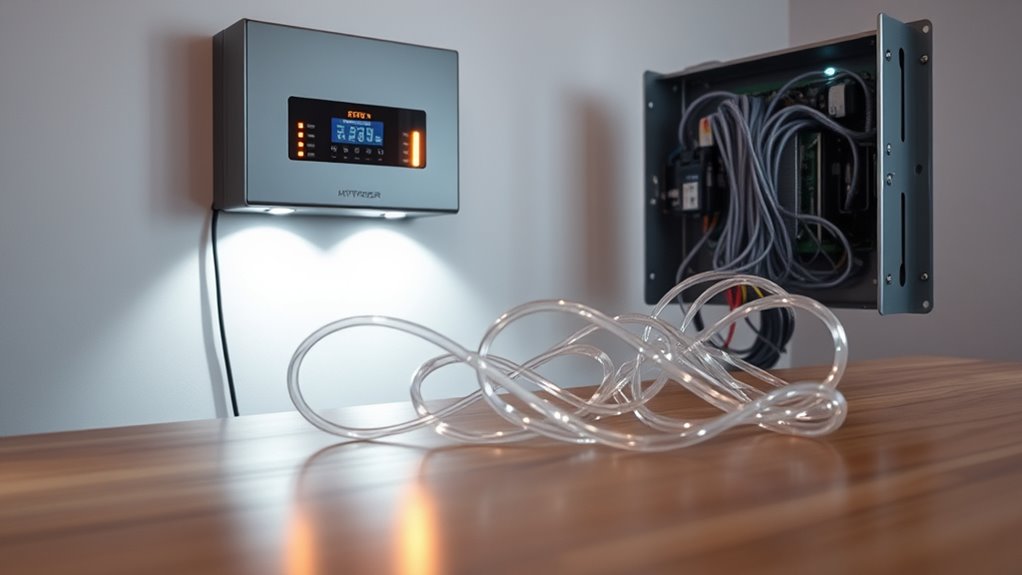
Inverter switching losses are a significant but often overlooked factor that impacts the overall efficiency of backup power systems. Every time the inverter switches on and off to convert DC to AC power, it incurs energy losses. These losses occur because switching involves rapid changes in voltage and current, generating heat and electromagnetic interference. Although modern inverters are designed to minimize these effects, they still consume a notable portion of energy, especially at partial loads. High-frequency switching increases efficiency, but not entirely eliminate losses. These inefficiencies accumulate over time, reducing the system’s overall performance. Upgrading to newer, energy-efficient inverter models can help lower switching losses, but understanding their role is essential for optimizing backup power system design and operation. Switching losses are just one part of the overall efficiency picture that homeowners should consider when selecting or upgrading their backup power solutions. Additionally, implementing power management techniques can further reduce these losses and improve system longevity. Recognizing the importance of energy efficiency in inverter design can lead to more sustainable and cost-effective backup energy solutions. Moreover, advances in inverter technology, such as modulation methods, continue to improve efficiency and reduce losses over time. For instance, pulse-width modulation techniques help optimize the switching process to minimize energy waste.

APC UPS 600VA / 330W UPS Battery Backup & Surge Protector, 7 Outlets (NEMA 5-15R), USB Charging Port, BE600M1 Uninterruptible Power Supply for Computers, Wi-Fi Routers, and Home Office Electronics
KEEP YOUR COMPUTER, WI-FI AND ROUTER RUNNING THROUGH POWER OUTAGES: Supplies short‑term battery power during outages to maintain…
As an affiliate, we earn on qualifying purchases.
As an affiliate, we earn on qualifying purchases.
Load-Dependent Efficiency Fluctuations
Load-dependent efficiency fluctuations occur because backup power systems perform differently under varying load conditions. When your system operates at high loads, it often runs closer to its peak performance, wasting less energy. However, at low loads—below 50% capacity—efficiency drops sharply, sometimes below 30%. For example, a UPS rated at 96% efficiency might fall to under 50% when supplying less than half its capacity. This fluctuation means you’re losing more energy during lighter loads, which are common during off-peak times or when backup systems are idling. Additionally, system design plays a crucial role in how well your backup power performs across different loads, and component quality can influence efficiency as well. As a result, your backup power system becomes less effective, and you end up consuming more energy than necessary. Properly matching system capacity to your actual load demands can significantly reduce these efficiency losses. Managing load levels and choosing systems designed for fluctuating demands can help minimize these efficiency losses. Proper sizing and load management are essential to ensure your system maintains optimal efficiency across varying conditions, especially when considering power conversion losses that occur during energy transfer processes.

Generac 5W-20 Maintenance Kit for 20Kw-26Kw 999cc Generators (Replaces A0002074712)
Generac SAE 5W-20 Full Synthetic Engine Oil (2 Quarts)
As an affiliate, we earn on qualifying purchases.
As an affiliate, we earn on qualifying purchases.
Standby Mode Energy Drain

Modern UPS systems operate with high efficiency during standby mode—often reaching up to 99%. However, this doesn’t mean they’re completely energy-free. Some components, like control circuits and monitoring systems, still draw power continuously. Over time, this standby drain adds up, especially in large data centers or facilities with many units. A centralized UPS can waste up to 25% of its energy simply by staying in standby mode. Distributed systems like Battery Backup Units (BBUs) are more efficient, reducing unnecessary losses. Additionally, digital literacy initiatives can help facilities monitor and optimize their power usage more effectively. Implementing precision and automation techniques can further minimize standby energy losses and improve overall efficiency. Incorporating smart monitoring systems can provide real-time insights into energy consumption and identify opportunities for optimization. Recognizing the importance of filtration and system maintenance can also prevent unnecessary energy waste caused by inefficient components. Here’s what’s at stake:
| Scenario | Energy Waste | Impact on Costs |
|---|---|---|
| Overestimated capacity | Excess power draw | Higher bills |
| Continuous standby | Idle energy loss | Wasted watt-hours |
| Outdated technology | Inefficient components | Increased costs |
| Proper management | Minimized losses | Savings in power bills |
By implementing energy-efficient strategies, facility managers can further reduce standby losses and optimize overall power consumption.
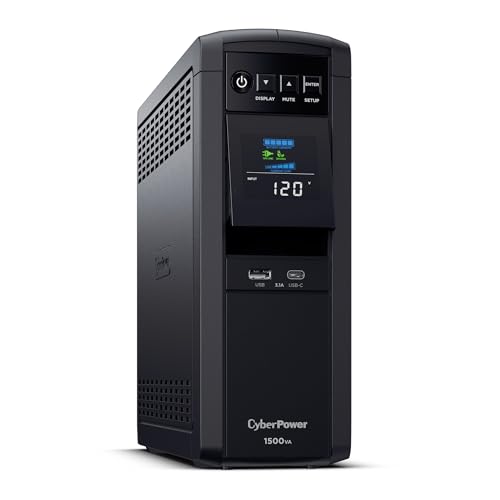
CyberPower CP1500PFCLCD PFC Sinewave UPS Battery Backup and Surge Protector, 1500VA/1000W, 12 Outlets, AVR, Mini Tower, UL Certified
1500VA/1000W PFC Sine Wave Battery Backup Uninterruptible Power Supply (UPS) System designed to support active PFC and conventional…
As an affiliate, we earn on qualifying purchases.
As an affiliate, we earn on qualifying purchases.
Power Losses in Transmission and Distribution
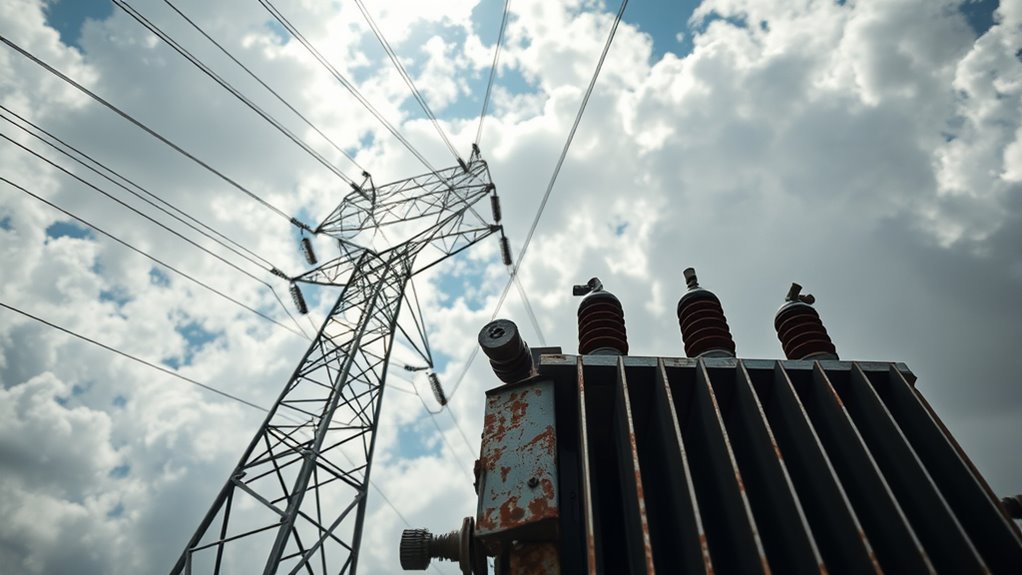
Power losses during transmission and distribution represent a significant portion of overall energy waste in power systems. When electricity travels from power plants to your facility, about 6% of it gets lost—2% in transmission lines and 4% during distribution. These losses happen because of resistance in wires and transformers, which convert some energy into heat. Higher voltage lines reduce these losses, which is why long-distance power lines operate at very high voltages. During peak demand, losses increase as more energy is transmitted over longer distances. In rural areas, where high-voltage lines are more common, losses tend to be lower. Overall, these losses mean that a portion of generated energy never reaches your backup system or end-use, reducing overall efficiency and increasing costs. Research supports that optimizing transmission and distribution can improve overall predictive validity of energy systems and reduce waste, especially when considering energy loss mitigation strategies. Additionally, implementing advanced materials in grid infrastructure can further decrease resistance-related losses.
Reliability Challenges of Backup Generators

Backup generators are critical for maintaining operations during outages, but their reliability can vary markedly over time. As runtime increases, diesel generators, for example, experience declining survival probabilities, dropping from near 100% to around 60% after 336 hours of continuous use. Poor maintenance substantially worsens reliability, increasing the risk of failure during critical moments. Extended outages strain generator components, causing wear and increasing the likelihood of breakdowns. Additionally, overdesigning backup systems leads to economic losses, as unnecessary capacity adds complexity and reduces overall dependability. Infrequent testing or neglect can cause issues to go unnoticed until a real outage occurs, leaving you unprepared. Ensuring regular maintenance, proper sizing, and routine testing is essential to improve generator reliability and minimize unexpected failures. Proper maintenance practices are vital for sustaining backup power effectiveness over time, especially considering that system degradation can silently compromise performance if not properly monitored and addressed. Moreover, implementing reliability-centered maintenance strategies can help identify potential failure points before they cause outages. Regularly reviewing performance data can also help detect early warning signs of equipment issues before they lead to failure. Incorporating advanced diagnostic tools can further enhance predictive maintenance and reduce downtime.
Frequently Asked Questions
How Do Modern UPS Systems Minimize Inverter Switching Losses Efficiently?
Modern UPS systems minimize inverter switching losses by using advanced power management systems that control switching cycles based on load types and levels. They incorporate high-efficiency transformers and components designed to reduce energy waste. Energy STAR-certified models further cut losses by 30-55%. Additionally, these UPSs operate at higher efficiencies in standby mode, often reaching up to 99%, ensuring minimal energy is lost during normal operation.
What Technology Helps Maintain High Efficiency at Low Load Levels?
You can maintain high efficiency at low load levels by using advanced power management systems and high-efficiency transformers. These technologies optimize switching cycles and reduce losses during low demand periods. Additionally, ENERGY STAR certified UPSs are designed to operate efficiently even at minimal loads. Distributed battery backup units (BBUs) also help by providing rapid response with minimal power loss, ensuring your backup power remains reliable and energy-efficient across all load levels.
How Can Standby Mode Energy Losses Be Significantly Reduced?
A stitch in time saves nine—so, to cut standby mode energy losses, you should invest in modern UPS systems that achieve up to 99% efficiency. Opt for distributed battery backup units (BBUs) close to equipment, reducing standby losses. Regular maintenance ensures reliability, and advanced energy management tech can minimize waste. These steps will notably lower your standby power consumption, saving you money and boosting overall system efficiency.
What Innovations Are Decreasing Transmission and Distribution Energy Losses?
You can reduce transmission and distribution losses by adopting high-voltage, smart grid technologies that optimize power flow and reduce line losses. Innovations like advanced voltage regulation, real-time monitoring, and dynamic load management help guarantee electricity travels efficiently. Additionally, deploying decentralized energy sources near users minimizes long-distance transmission, cutting losses even further. These technologies work together to improve overall grid efficiency and lower energy waste in the system.
How Does Maintenance Impact the Reliability of Backup Generators Over Time?
You might think maintenance isn’t essential, but it actually directly impacts your backup generator’s reliability over time. Regular inspections and preventive upkeep prevent wear and tear, reduce unexpected failures, and extend lifespan. Without proper maintenance, your generator becomes more prone to breakdowns during outages, risking costly downtime. Keep up with scheduled maintenance to guarantee your backup power stays dependable when you need it most, saving you money and stress.
Conclusion
Understanding where your watt-hours go is like uncovering the secret leaks in your energy tank. By recognizing the hidden efficiency losses—from inverter switching to transmission—you’re better equipped to optimize your backup power. Don’t let these unseen drainages silently sap your energy reserves. When you plug these leaks, you’re not just saving watts—you’re sealing the cracks in your power system’s armor. Stay vigilant, and keep your backup power reliable and efficient.