
Understanding the difference between kilowatts and kilowatt-hours helps you see how utility companies charge you. Kilowatts measure how much power a device uses at any moment, while kilowatt-hours track the total energy you consume over time. Often, bills are based on kilowatt-hours, but companies may add demand charges for peak power use, which can be a hidden trick. Keep exploring to discover ways to save on your energy costs.
Listen free for 30 days with Audible
Thousands of audiobooks and originals — cancel anytime.
As an affiliate, we earn on qualifying purchases.
Key Takeaways
- A kilowatt (kW) measures instant power, while a kilowatt-hour (kWh) measures total energy used over time.
- Utility bills are based on kWh consumption, not just the device’s kW power rating.
- Power ratings (kW) indicate how much energy a device uses at any moment; kWh accounts for how long it runs.
- Utility companies often implement tiered rates and demand charges to influence billing based on peak usage.
- Understanding the difference helps consumers manage energy use and avoid unexpected costs on their bills.

Jackery Explorer 300 Portable Power Station,292Wh
- Lightweight Design: Only 7.5 lbs with 292Wh capacity
- Portable Handle: Integrated handle for easy carrying
- Multiple Device Charging: 2 AC outlets, USB-C, USB-A, car port
As an affiliate, we earn on qualifying purchases.
Understanding Power and Energy: The Basics
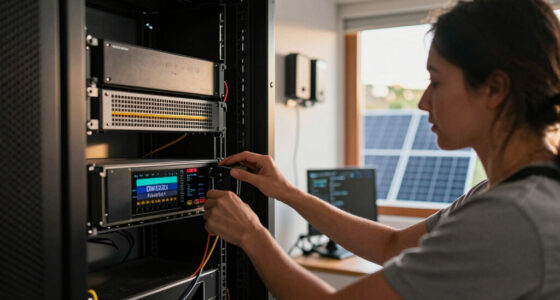
To understand the difference between kilowatts and kilowatt-hours, it’s essential to grasp the basic concepts of power and energy. Power measures how much energy an appliance uses at a specific moment, like a solar panel from renewable sources generating electricity during the day. Energy, on the other hand, reflects the total amount of power used over time, which is stored in batteries or other energy storage systems. Renewable sources often produce variable power, so understanding how Energy storage helps balance supply and demand is key. When you see a device’s wattage, that’s its power rating. To determine how much energy it consumes, you need to contemplate how long it runs. Knowing these fundamentals helps you better understand your energy use and bills. Energy management systems play a vital role in optimizing the distribution and utilization of stored energy, further improving efficiency and cost savings. Additionally, the efficiency of energy storage systems can significantly impact overall energy management and costs. An understanding of power fluctuations is also important for managing energy supply effectively. Recognizing how energy management systems optimize the distribution and utilization of stored energy can further enhance your comprehension of energy consumption.

Anker SOLIX C1000 Gen 2 Portable Power Station, 1,024Wh, 2,000W, Camping
- UltraFast Recharging: Recharge in 49 minutes with HyperFlash tech
- High Power Output: 2000W (3000W peak) for multiple devices
- Large Capacity: 1024Wh for extended power needs
As an affiliate, we earn on qualifying purchases.
What Is a Kilowatt?
Have you ever wondered what a kilowatt really represents? A kilowatt (kW) is a unit of power, showing how much energy something uses or produces at a specific moment. Think of it as the rate at which energy is used, like solar energy powering panels or battery storage supplying electricity. To picture it better, consider this table:
| Example | Power Output/Usage |
|---|---|
| Solar panel system | 5 kW of solar energy |
| Home appliances | Refrigerator uses about 0.2 kW |
| Battery storage | 10 kW backup power |
This helps you understand that a kilowatt measures instant power, not total energy over time. It’s the capacity to generate or consume energy at a given moment. Additionally, understanding power measurement can help you better grasp how different devices impact your utility bill, especially when considering the energy consumption of appliances. Recognizing how power ratings influence energy costs can lead to smarter energy use and savings. Being aware of power capacity also assists in selecting the right appliances for your needs, ensuring efficiency and cost-effectiveness.

Portable Solar Generator 300W Portable Power Station with 60W Solar Panel
- Powerful 300W Portable Generator: Charges smartphones, tablets, laptops, and small devices
- Includes 60W Foldable Solar Panel: Recharges via solar, AC, or car power
- Multiple Charging Outlets: AC, DC, USB, and quick charge ports
As an affiliate, we earn on qualifying purchases.
Breaking Down a Kilowatt-Hour
A kilowatt-hour measures how much energy you use over time, combining power and duration. It’s calculated by multiplying a device’s power in kilowatts by the hours it runs. For example, running a 1-kilowatt heater for one hour uses one kilowatt-hour of energy. Understanding energy consumption can help you manage your utility bills more effectively. Utilizing unit conversion tools can make it easier to interpret energy measurements and compare different appliances. Additionally, awareness of sound healing science can inspire more mindful energy use at home. Recognizing the importance of AI ethics can also guide the development of more responsible energy management systems. Being aware of emotional well-being can influence how we approach energy efficiency and sustainability at home.
Definition and Explanation
Ever wondered what exactly a kilowatt-hour measures? It’s a key energy unit that helps you understand how much electricity you use. Think of a kilowatt-hour as the measurement concept that tells you how much energy is consumed over time. Specifically, it represents the amount of energy used when a device with a power of one kilowatt runs for one hour. This measurement helps utilities calculate your bill based on your total energy consumption. It’s different from just knowing how powerful an appliance is; instead, it measures how long you use it. By understanding this unit, you can better grasp how your daily activities translate into energy use and costs. Additionally, energy measurement units like the kilowatt-hour are essential for tracking and managing energy efficiency. Understanding the power and energy relationship can also help you make smarter choices about your energy habits. Recognizing the role of alternative energy sources can further improve your understanding of energy consumption and sustainability.
Measurement and Units
Understanding how a kilowatt-hour is measured starts with recognizing the basic units involved. Power units, like watts and kilowatts, are part of measurement systems that quantify energy flow over time. A watt (W) is a standard unit of power, representing one joule per second, while a kilowatt (kW) equals 1,000 watts. When measuring energy consumption, these power units are combined with time. A kilowatt-hour (kWh) reflects the amount of energy used when a device operates at one kilowatt for one hour. This measurement system allows utilities to quantify electricity usage precisely, making it easier for you to understand your bill. Essentially, a kWh measures the total energy consumed, not just the power at a single moment.
Additionally, understanding the measurement units involved can help you better manage your energy consumption and identify ways to save on your utility bills. Knowing how energy is measured can also help you compare different appliances and their efficiency more effectively. For example, understanding power consumption can guide you toward more energy-efficient choices and reduce your overall costs. Being aware of energy measurement can empower you to make informed decisions about your electricity use and optimize your savings. Plus, recognizing the significance of electricity units can help you interpret your utility bills more accurately.
Examples of Usage
Have you ever wondered what a kilowatt-hour really looks like in everyday life? It’s the energy used by various appliances and how solar power can contribute. For example, a 100-watt light bulb running for 10 hours consumes 1 kWh. An efficient refrigerator might use 1.5 kWh daily, while a dishwasher uses about 2 kWh per load. Solar power systems can generate a similar amount in a day depending on panel size and sunlight. Electric dirt bikes can also be powered using solar energy, making them an eco-friendly transportation option. Understanding energy consumption helps in managing utility bills more effectively, especially when considering the efficiency of different appliances and power usage patterns. Recognizing how energy efficiency impacts overall consumption can lead to more sustainable choices, and exploring renewable energy sources can further reduce reliance on traditional power grids.

Jackery Explorer 1000 v2 Portable Power Station,1070Wh,1500W
- Powerful AC Output: 1500W continuous, 3000W surge
- Compact and Lightweight: 23.8 lbs with foldable handle
- Fast Charging: 0-100% in 1 hour with app
As an affiliate, we earn on qualifying purchases.
How Utility Companies Measure Your Usage
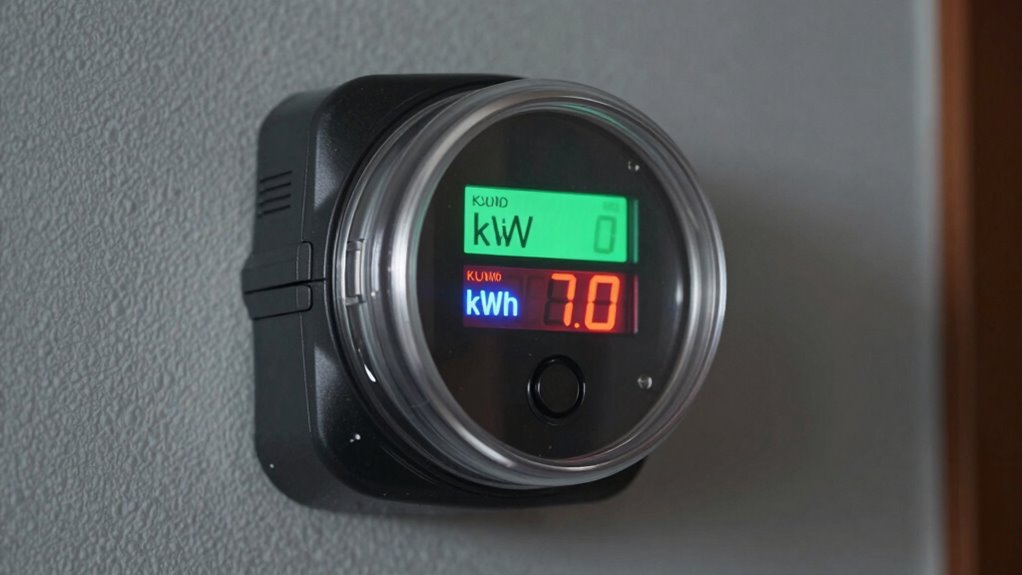
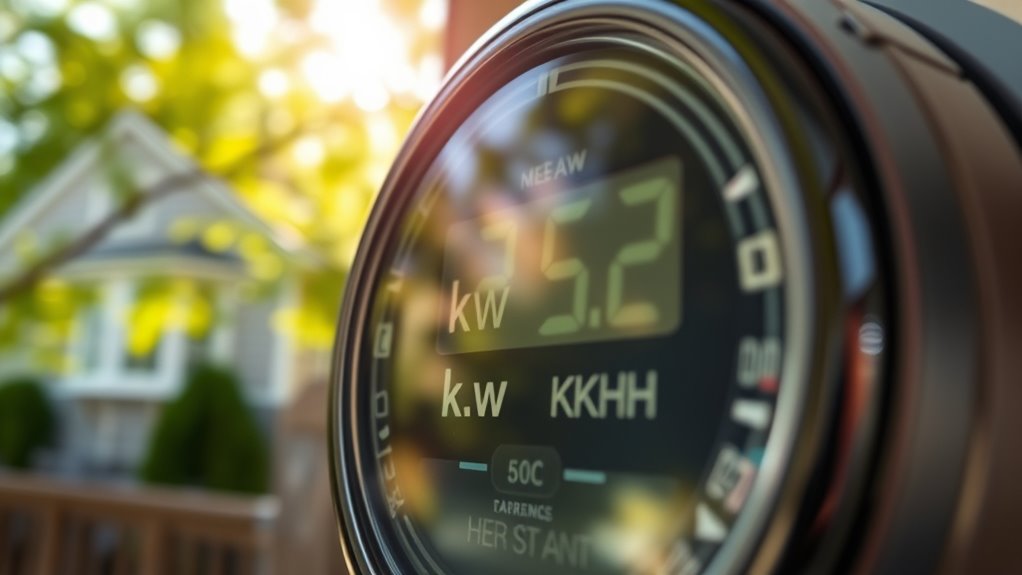
Utility companies measure your electricity usage primarily through devices called meters, which record the amount of energy you consume over time. These meters track your total kilowatt-hours, but they also monitor your power factor, which indicates how efficiently you’re using electricity. A poor power factor can lead to higher demand charges, as utilities may bill you more for inefficient power use. Demand charges are based on your highest peak usage during a billing period, encouraging you to avoid sudden, large spikes. The meter captures both your overall energy consumption and your demand patterns, helping utility companies determine your bill. By understanding these measurements, you can better manage your energy use and potentially reduce costs.
Reading Your Utility Bill: What the Numbers Mean
Your utility bill shows how much you’re being charged and how your meter readings relate to those costs. Understanding the charges helps you see where your money goes, while decoding the meter readings reveals how your usage adds up. Let’s break down what those numbers really mean.
Understanding the Charges
When you look at your utility bill, the charges can seem confusing at first, but understanding how they are calculated makes it easier to see where your money goes. Your bill typically includes a supply charge, which covers the energy you use, and a delivery fee for infrastructure. The amount you pay depends on your energy consumption in kilowatt-hours, influenced by factors like energy conservation and the use of renewable sources. If you reduce your usage, you pay less. Some charges also reflect investments in cleaner energy, which can slightly increase costs but benefit the environment. Recognizing how these components add up helps you make smarter choices about your energy habits and supports sustainable energy initiatives.
Decoding the Meter Readings
To understand what the numbers on your bill mean, start by examining the meter readings. If you have a smart meter, it may display digital readings that update automatically, making it easier to track your usage. Look for two numbers: the previous reading and the current reading. Subtract the previous from the current to find your total kilowatt-hours (kWh) used. Be aware that some bills separate charges based on peak hours, when electricity demand is highest. During these times, your meter may record higher consumption, leading to increased costs. Understanding how your meter tracks both total usage and peak-hour consumption helps you identify ways to save money. Always double-check the readings and compare them to your bill’s details to verify accuracy.
The Trick Utility Companies Use to Calculate Charges
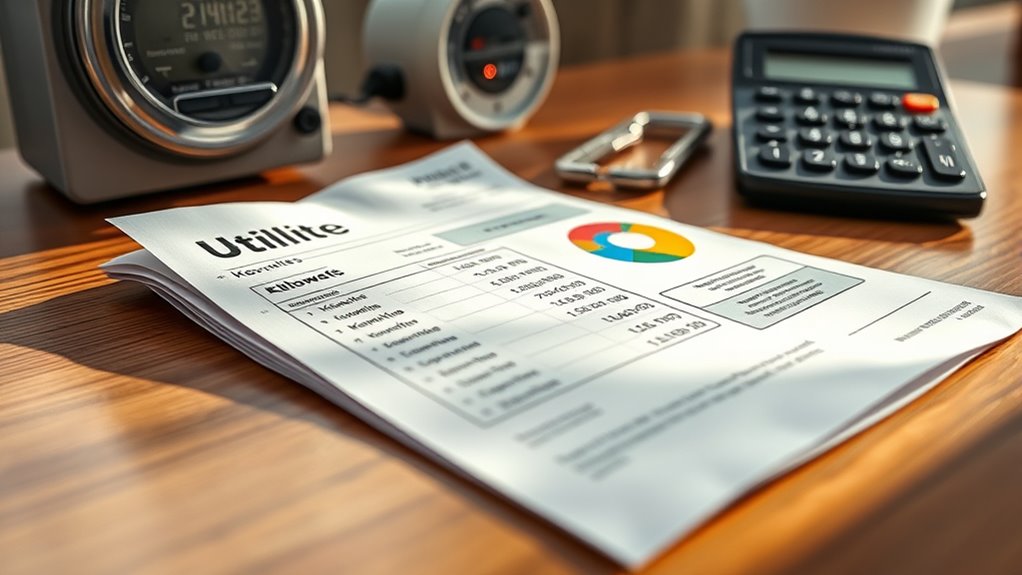
Utility companies often use a clever trick to make their charges seem more straightforward than they really are. They rely on specific metering techniques and billing strategies that can be confusing. Instead of charging solely based on total energy used, they often calculate costs by assigning a fixed rate per kilowatt-hour, regardless of actual usage patterns. Some companies even use tiered rates, where higher consumption triggers higher charges, which can seem fair but complicate understanding your bill. They might also incorporate additional fees or impose minimum charges, making it hard to see exactly how your energy consumption translates into costs. This approach gives the impression of transparency, but it often benefits the utility more than the consumer. Being aware of these tricks helps you better interpret your bill and avoid surprises.
Tips to Save Money on Your Energy Bill

Understanding how utility companies calculate your bill can help you identify simple ways to cut costs. One effective tip is to switch to renewable sources like solar panels, which can reduce your reliance on grid energy and lower your overall bill. Installing smart meters gives you real-time data on your energy use, helping you identify high-consumption times and adjust accordingly. Using energy-efficient appliances and LED lighting also makes a difference. Additionally, unplug devices when not in use to prevent phantom loads. Simple behaviors like adjusting your thermostat or washing clothes in cold water can further reduce consumption. By staying informed about your energy patterns and investing in smarter technology, you can save money while supporting sustainable energy options.
Frequently Asked Questions
How Does Time of Day Affect My Energy Costs?
Time of day affects your energy costs because of time of use rates, which vary depending on when you use electricity. During peak hours, energy pricing is higher, so running appliances or charging devices then costs more. To save, try shifting energy-intensive activities to off-peak times when rates are lower. This way, you can reduce your utility bills by taking advantage of lower energy pricing during non-peak hours.
Can Renewable Energy Sources Impact Billing Calculations?
Renewable energy sources like solar can definitely impact your billing calculations. By installing solar panels, you might qualify for solar incentives, reducing upfront costs. Plus, grid integration allows you to feed excess energy back to the grid, potentially earning credits. This can lower your overall bill, especially if you generate more power than you use, making your energy costs more predictable and often cheaper over time.
Are There Penalties for Exceeding Certain Usage Levels?
Yes, there are often penalties for exceeding usage thresholds. Utility companies set these limits to encourage energy conservation, and if you go over, you might face penalty fees. But understanding your bill helps you stay within your allowance and avoid extra costs. By monitoring your consumption and adjusting your usage patterns, you can prevent penalties and save money, making your energy management more efficient and cost-effective.
How Do Peak Demand Charges Influence My Bill?
Peak demand charges directly impact your bill by charging you for the highest level of power you use during a billing period. To manage these costs, you should focus on demand management strategies like spreading out high-energy tasks and avoiding sudden power spikes. This approach helps with billing optimization, ensuring you don’t pay extra for peak usage and keeps your overall electricity costs lower.
What Are the Best Practices for Comparing Different Utility Providers?
When comparing utility providers, focus on their pricing strategies and billing cycles. Look for transparent rates, peak demand charges, and whether they offer fixed or variable pricing. Review billing cycles to understand how often you’re billed and if there are any hidden fees. Contact providers directly, ask about discounts or incentives, and read customer reviews. This helps you find a provider that matches your usage habits and saves you money in the long run.
Conclusion
Now that you know the difference between a kilowatt and a kilowatt-hour, you hold the key to demystifying your utility bill. Think of your energy usage as a garden—you can nurture it wisely and watch your savings grow. By understanding how utility companies measure and bill for your power, you’re better equipped to spot tricks and make smarter choices. Take control of your energy habits and turn the tide in your favor—your wallet will thank you.
Back to school Picks
back to school
As an affiliate, we earn on qualifying purchases.