
During outages, using big-button devices with bright, contrasting lights helps you operate emergency equipment easily and quickly, even in stressful moments. Bright nightlights and illuminated pathways reduce the risk of falls and guarantee safe navigation in the dark. Placing these lights strategically around your home, combined with a clear, accessible emergency plan, keeps you prepared. If you want practical tips on making your home safer during outages, this guidance has helpful ideas for you.
Key Takeaways
- Large-button devices enable seniors to operate emergency equipment quickly and confidently during power outages.
- Bright, high-contrast lighting improves visibility, reducing fall risks and assisting those with sensory impairments.
- Placing nightlights near beds and along hallways ensures safe navigation during outages or nighttime emergencies.
- Illuminated, easy-to-use controls help seniors respond promptly without confusion or frustration.
- Regular testing and proper placement of lights and large buttons maintain safety and accessibility during emergencies.

PILSAMAS WiFi Caregiver Pager Smart Call System – Display Caller ID & App Alerts, No Monthly Fee, IP65 Waterproof Wristband + 2 Call Buttons, Emergency Alert Button for Elderly at Home & Nursing Care
Wi-Fi Smart Hub & 328ft Range: HUB connects to 2.4G Wi-Fi (not 5G) for global APP access. 3…
As an affiliate, we earn on qualifying purchases.
As an affiliate, we earn on qualifying purchases.
Understanding the Importance of Emergency Alerts for Seniors
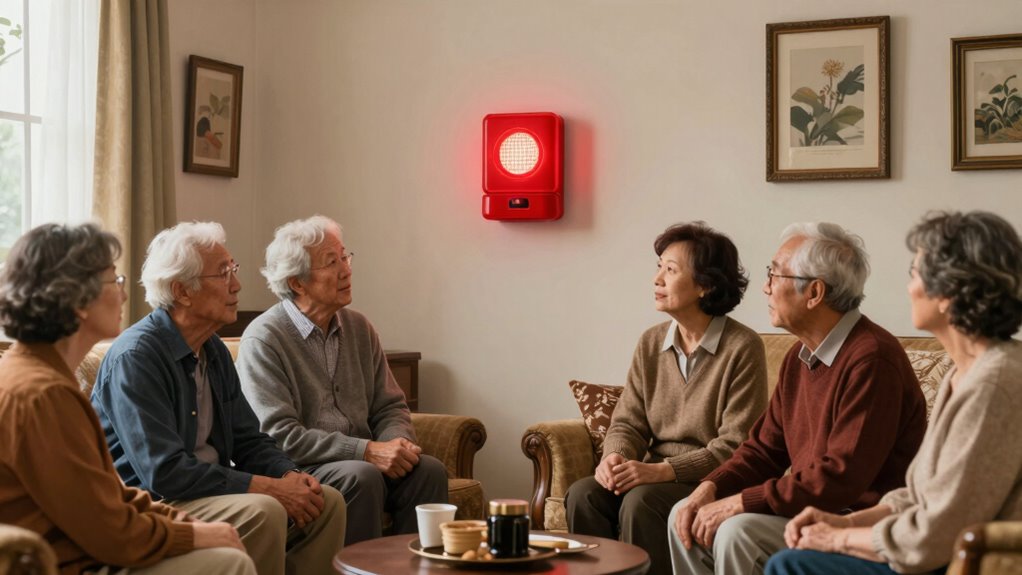
Emergency alerts are essential for seniors because they provide immediate, life-saving information during power outages, severe weather, or other emergencies. These alerts keep you informed about dangerous conditions, evacuation orders, or safety instructions right when you need them most. With alerts via sirens, texts, or phone calls, you won’t have to rely solely on your senses or guesswork. Staying aware helps you act quickly, whether it’s grabbing your emergency kit, moving to a safer place, or contacting loved ones. These alerts are designed to cut through disruptions, ensuring you receive critical updates even if your power is out or visibility is poor. They empower you to make timely decisions, reducing risks and enhancing your safety during unpredictable situations. Additionally, understanding the wiring basics of your emergency alert system can help ensure it functions properly when needed. Knowing how your alert system components are connected and maintained can make all the difference in a crisis. Regular testing and system troubleshooting can further improve reliability when emergencies occur. Incorporating energy-efficient alert systems can also help ensure continuous operation during extended outages, especially when combined with backup power sources to maintain functionality.

GE Ultrabrite LED Light Bar Night Lights Plug Into Wall Room Decor Ambient Lighting Dusk to Dawn Sensor Bright Nightlight, White, 100 Lumens, 2 Pack
LED Light Bar – Three modes to choose from — manual ON/OFF or auto light-sensing dusk-to-dawn option
As an affiliate, we earn on qualifying purchases.
As an affiliate, we earn on qualifying purchases.
The Role of Large-Button Devices in Emergency Situations

Large-button devices make it easier for you to operate emergency equipment quickly and confidently. They improve visibility during stressful situations, so you can find and press the right buttons without confusion. These features help reduce mistakes, ensuring you can respond faster when every second counts. Clear labeling and design are essential for effective emergency response, especially for seniors who may have difficulty with smaller controls. Incorporating accessible technology can further enhance safety and usability in critical moments. Additionally, load‑planning tools ensure that the emergency equipment is appropriately sized for your needs, preventing confusion during power outages. Choosing devices with user-friendly interfaces can also streamline emergency actions, making it easier for anyone to respond effectively. Understanding ergonomic design principles can improve comfort and ease of use, especially during high-stress situations.
Easy Device Operation
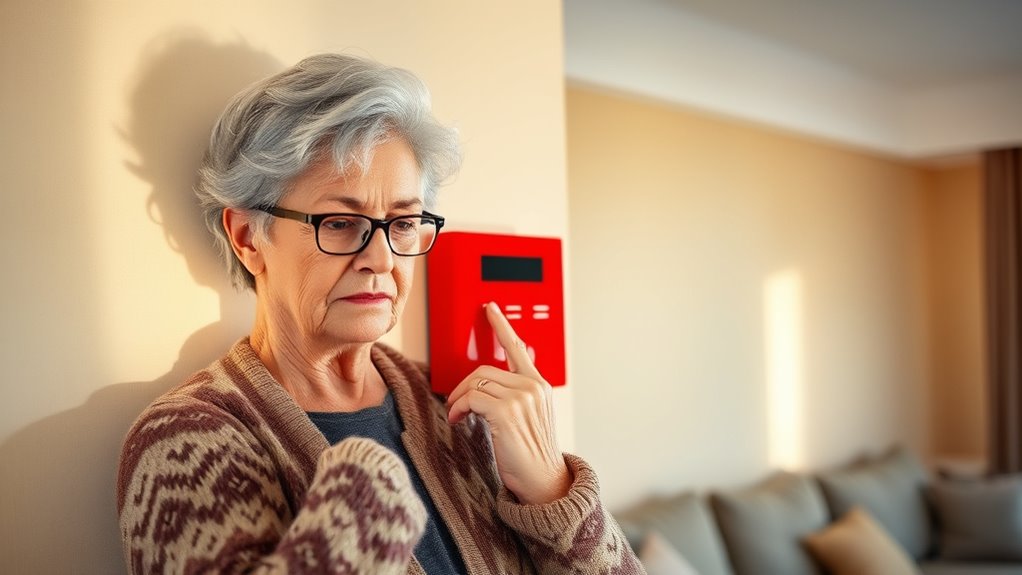
During power outages or medical emergencies, easy-to-operate devices with large buttons become essential tools for seniors. These devices are designed for quick, straightforward use, reducing frustration and saving valuable time. Large buttons are easy to see and press, even with limited dexterity or vision issues. Simplified controls eliminate confusion during stressful situations, ensuring you can activate emergency features or call for help without difficulty. Many emergency phones, medical alert systems, and remote controls incorporate big buttons, making them user-friendly. Familiarity with these devices boosts confidence and independence. By choosing equipment with clear labeling and minimal complexity, you ensure swift action when it’s needed most. Additionally, pilot shirts for men aviator often feature large, easy-to-manage buttons or zippers, making them practical for quick dressing. This simple approach can make all the difference in staying safe and connected during outages or emergencies. Incorporating ergonomic device design into your safety strategy can further enhance ease of use and reduce strain during critical moments, especially considering the advances in nanotechnology that enable more intuitive and responsive device interfaces. Understanding the importance of user-friendly technology can help seniors navigate devices more confidently and effectively. Recognizing that self-focus and self-importance can influence how seniors perceive their safety needs, selecting straightforward devices supports their independence and reduces potential frustration.
Enhanced Emergency Visibility
Clear, visible controls on devices can substantially improve safety when seconds count. Large buttons with bright, contrasting colors make it easier to identify and activate essential functions during emergencies. This visibility reduces confusion and delays, ensuring quick responses. To enhance emergency visibility, consider these steps:
- Use devices with oversized, illuminated buttons designed for easy access.
- Position controls at eye level and in well-lit areas to improve recognition.
- Opt for devices with backlit or glow-in-the-dark features for nighttime use.
- Regularly test and maintain lighting features to ensure they’re operational when needed.
Reduces User Confusion
When emergencies happen, quick and accurate device operation can make all the difference, especially for seniors who may experience confusion or stress. Large-button devices simplify this process by providing clear, straightforward controls that are easy to find and press. These devices reduce the chance of mistakes during high-pressure moments, ensuring seniors can quickly activate alarms, call for help, or turn on emergency lights. Bright, high-contrast buttons eliminate the guesswork, making it obvious which button to press. This minimizes hesitation and frustration, helping seniors respond faster. Additionally, connected technology can further enhance emergency response by allowing remote assistance or automatic alerts. Incorporating visual cues, like flashing lights or color-coded buttons, can also improve the usability of emergency devices for those with sensory impairments. Understanding user-centered design principles can help create even more effective emergency tools tailored to seniors’ needs, especially when considering ergonomic design to accommodate limited dexterity. Moreover, emphasizing simplicity in design ensures that these devices remain accessible and effective during stressful situations.

DERAYSION 12 Pack Solar Lights Outdoor, Solar Pathway Lights Auto On/Off Waterproof Garden Landscape Lighting for Path, Yard, Walkway, Driveway Decor
Our Solar Outdoor Lights is the perfect solution for adding beauty and illumination to your garden. Warm white…
As an affiliate, we earn on qualifying purchases.
As an affiliate, we earn on qualifying purchases.
Bright Lighting Solutions to Prevent Accidents During Power Failures

Proper placement of nightlights guarantees you can see clearly without stumbling in the dark. Emergency lighting options like battery-powered flashlights and lanterns provide additional safety during outages. By choosing the right solutions, you can reduce the risk of falls and keep your home safer for everyone. Implementing comprehensive financial literacy can also help seniors plan for unexpected expenses, such as emergency power solutions. Additionally, understanding home safety measures can further enhance security during power disruptions, especially when combined with vintage or cruiser-style motorcycles for mobility and independence.
Nightlight Placement Strategies
Have you considered how strategic nightlight placement can substantially reduce the risk of falls and accidents during power outages? Proper placement guarantees visibility where you need it most. Here’s how to do it effectively:
- Position nightlights near beds, so you can navigate safely when waking at night.
- Place them along hallways to illuminate your path and prevent trips.
- Install nightlights in bathrooms, especially near sinks and toilets, to avoid slips.
- Use them in stairwells, ensuring each step is visible to prevent missteps.
- Consider lighting automation options that activate automatically during outages for continuous visibility. Incorporating field‑of‑view considerations can help optimize the placement for maximum coverage and safety.
Choose models with automatic sensors to turn on at dusk and off at dawn. Regularly check that bulbs work and replace them as needed. Thoughtful placement keeps your home safer during unexpected outages.
Emergency Lighting Options
Effective emergency lighting is vital for maintaining safety during power outages, especially for seniors who may have mobility challenges or impaired vision. Bright, reliable lighting helps prevent falls and accidents in dark hallways, bathrooms, and staircases. Consider installing battery-powered LED floodlights or stick-on puck lights that activate automatically when the power goes out. Portable flashlight or headlamp options are essential for quick mobility and tasks. Nightlights with backup batteries can keep key areas illuminated overnight. Solar-powered outdoor lights, with rechargeable batteries, provide added safety around entry points. Make sure all emergency lights are tested regularly and batteries are replaced as needed. Proper emergency lighting creates a safer environment, giving seniors independence and confidence during outages.

First Aid Only 298 Piece All-Purpose Emergency First Aid Kit for Home, Office, Car, Apartment, Dorm, and Camping, Travel-Friendly Compact Pouch Fits in Backpacks, Suitcases, Cabinets, and Drawers
Comprehensive Home and Car Emergency Kit: Includes adhesive fabric and plastic bandages, antibiotic ointments, BZK antiseptic towelettes, burn…
As an affiliate, we earn on qualifying purchases.
As an affiliate, we earn on qualifying purchases.
Preparing a Visible and Accessible Emergency Plan
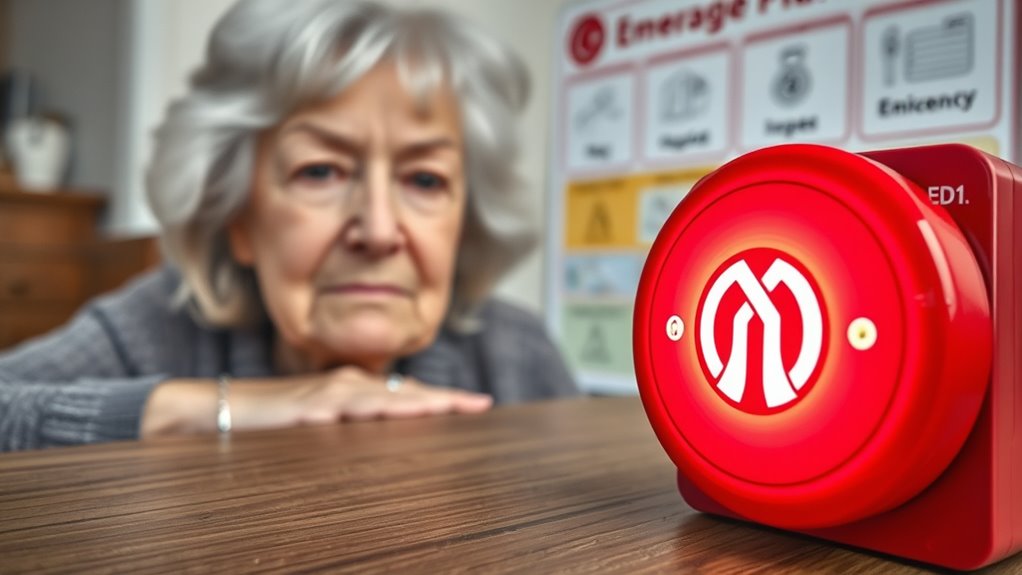
Creating a visible and accessible emergency plan is essential to guarantee everyone in your household, especially seniors, can respond quickly during a power outage or other crisis. First, clearly write down evacuation routes and safe meeting points, and post them in prominent locations. Second, organize important contacts—family, neighbors, emergency services—and share this list with everyone. Third, identify specific needs, like medical supplies or mobility assistance, and include these details in your plan. Finally, practice the plan regularly through drills, ensuring all household members recognize signals and procedures. Keep copies of the plan in multiple accessible spots, and review it periodically to update information as needed. A well-prepared plan minimizes confusion and delays in emergencies, keeping everyone safer.
Ensuring Communication With Support Networks During Outages

Maintaining clear communication with your support network during power outages is essential to guarantee help arrives quickly when needed. Make sure everyone in your network has your current contact details, including alternative ways to reach you, like texts or social media. Share your emergency plan with them, so they know your location and specific needs. Keep a list of emergency contacts, including neighbors, family members, and local services, in a visible place. Use a battery-operated radio or cell phone to stay informed about weather alerts and updates. Consider setting up a medical alert system or wearable device that can alert others if you need assistance. Regularly check that these communication tools are working, and update your support network if any contact information changes.
Safe Use of Devices and Lighting to Avoid Hazards

Using devices and lighting safely during a power outage is essential to prevent accidents and injuries. First, always use flashlights instead of candles to reduce fire risk. Second, keep pathways illuminated with nightlights or battery-operated lights to avoid trips and falls. Third, make certain all electrical devices are unplugged or turned off to prevent surges when power returns. Fourth, avoid using gas stoves or charcoal indoors for heating, as they pose carbon monoxide risks. Additionally, regularly check that batteries in flashlights and alarms are fresh. Keep emergency lighting accessible and functional. By following these steps, you reduce hazards, stay safe, and ensure your home remains a secure environment during outages.
Regular Drills and Practice for Emergency Readiness
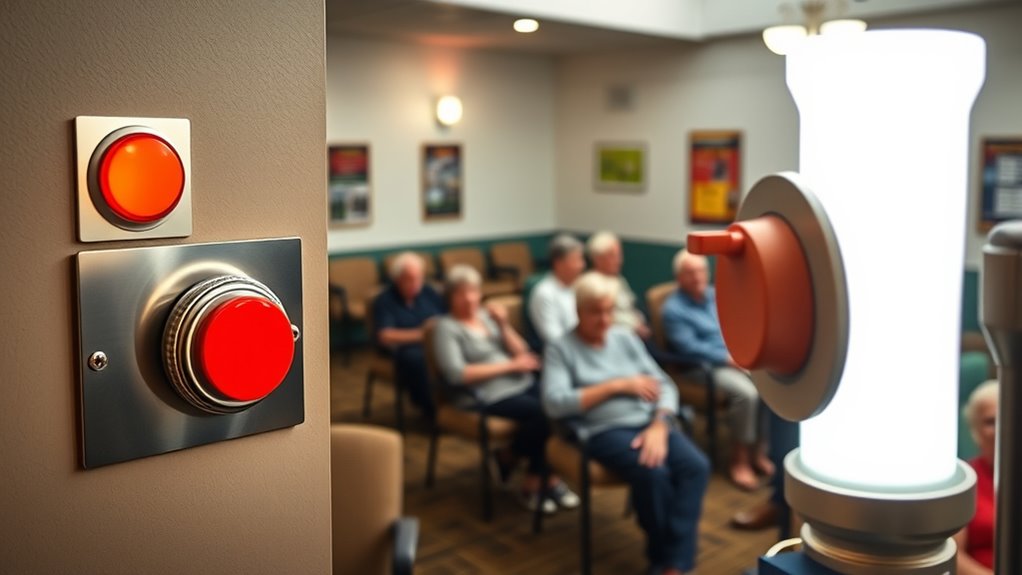
Regular drills and practice are essential to guarantee you’re prepared for emergencies. Repeatedly practicing your plan helps identify gaps and builds confidence. Schedule regular simulations, such as power outages or medical emergencies, to assure everyone knows their roles. Use the table below to organize your drills:
| Scenario | Participants | Key Actions |
|---|---|---|
| Power outage | Family, neighbors | Use flashlights, check on others |
| Medical emergency | Caregiver, neighbors | Call 911, administer first aid |
| Fire safety | All household members | Evacuate, close doors, gather at safe spot |
Updating your plan and practicing consistently keeps you prepared and reduces panic when real emergencies happen.
Frequently Asked Questions
How Can I Customize Emergency Alerts for Specific Medical Needs?
You can customize emergency alerts for specific medical needs by registering with local emergency services and providing detailed information about your condition. Use medical alert systems like bracelets or necklaces that signal your needs automatically. Inform neighbors and family about your medical requirements, and set up alert devices that notify responders if you’re in trouble. Regularly update your medical info with emergency contacts and make sure your alert systems are functioning properly.
What Are the Best Types of Bright Lights for Power Outages?
Think of bright lights as guiding stars in a dark night. For power outages, LED flashlights, lanterns, or battery-operated puck lights work best. They’re energy-efficient, long-lasting, and emit a bright, steady glow, perfect for visibility. Choose models with adjustable brightness and easy-to-handle switches. Keep these lights in accessible spots, and make certain you have extra batteries on hand. This way, you’ll light your way safely through any blackout.
How Often Should Seniors Practice Using Emergency Devices?
You should practice using emergency devices at least once every three to six months. Regular practice helps you become confident and familiar with their operation, reducing panic during an actual outage. Make sure to review instructions, check batteries, and test functionality during each session. Involving family or caregivers in these drills guarantees everyone knows what to do, creating a safer environment and quicker response times during emergencies.
What Are Common Hazards When Using Large-Button Devices During Outages?
Like steering a ship in stormy seas, using large-button devices during outages can pose hazards. You might accidentally press the wrong button or become confused by unfamiliar controls, risking injury or device malfunction. Battery failures or power surges can also cause issues. Always stay calm, read instructions carefully, and test devices beforehand. Keep emergency contact info handy, and make certain someone knows you’re using these devices to avoid mishaps.
How Can Support Networks Be Effectively Coordinated During a Blackout?
You can coordinate your support network effectively during a blackout by establishing clear communication plans, updating contact information regularly, and sharing your emergency plan with everyone involved. Make sure neighbors, friends, and family know your specific needs and how they can assist. Use backup communication methods like battery-powered radios, and schedule regular check-ins. Practicing these steps guarantees everyone stays informed and prepared to respond quickly during an outage.
Conclusion
Think of your emergency plan like a lighthouse guiding ships safely home. By using big buttons, bright lights, and clear communication, you make sure help is always within reach. Practicing regularly keeps you prepared, so you’re not caught off guard. Remember, staying alert and ready is like having a sturdy anchor—keeping you steady during storms. With these simple strategies, you can navigate power outages confidently and keep yourself safe and secure.