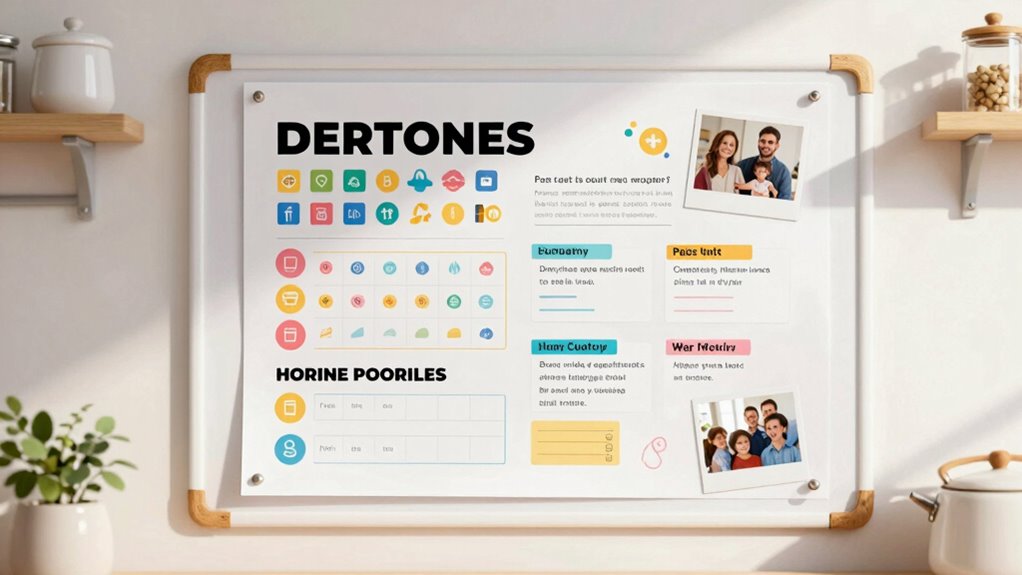

To keep everyone safe, print a one-page household plan that includes contact info, emergency procedures, evacuation routes, and utility shutoff locations. Store safety equipment, pet details, and medical info for quick access. Assign roles, practice drills, and update the plan regularly. This quick reference helps your family respond swiftly during emergencies. If you want to guarantee you’re fully prepared, continue exploring how to create and maintain an effective, thorough plan that works when it matters most.
Get ready for Prime Big Deal Days — try Prime free
Exclusive member deals on October 6–7, plus fast free delivery. Cancel anytime.
As an affiliate, we earn on qualifying purchases.
Key Takeaways
- Include essential household contact info, emergency procedures, safety equipment locations, and utility shutoff diagrams for quick reference.
- Assign household roles, establish communication plans, and identify reunification points; practice regularly through drills.
- Maintain and update emergency kits, pet identification, medical info, and safety equipment to ensure readiness.
- Create clear evacuation routes, designated meeting spots, and household layout diagrams for efficient response.
- Regularly review, update, and rehearse the plan to improve household preparedness and response effectiveness.
Household Contact Information and Emergency Contacts

Having accurate household contact information and emergency contacts is essential for quick communication during an emergency. You need to have your household’s name, address, and phone number clearly listed, so responders and neighbors can find you easily. Include full names, birth dates, and contact numbers for each member, along with work or school addresses. Don’t forget to list your pets’ species, names, microchip or license numbers, and your veterinarian’s contact info. Keep utility provider details—water, electric, gas, phone, internet—in a safe spot. Communication systems are vital to ensure your information remains accessible during an emergency. Additionally, creating a comprehensive emergency plan can help your household respond effectively when every second counts. Developing a clear communication plan ensures everyone knows how to reach each other and what steps to take. Emergency contacts should include nearby relatives, friends, neighbors, and out-of-area contacts for overloaded lines. Also, note local responders like fire, EMS, law enforcement, and reunification points. Regularly update this information to make certain of accuracy when it’s needed most. Incorporating emergency preparedness practices into your routine can significantly improve your household’s safety and response efficiency. Ensuring your contact information is stored securely and is easily accessible can make all the difference during a crisis.
Medical Information and Special Needs Details
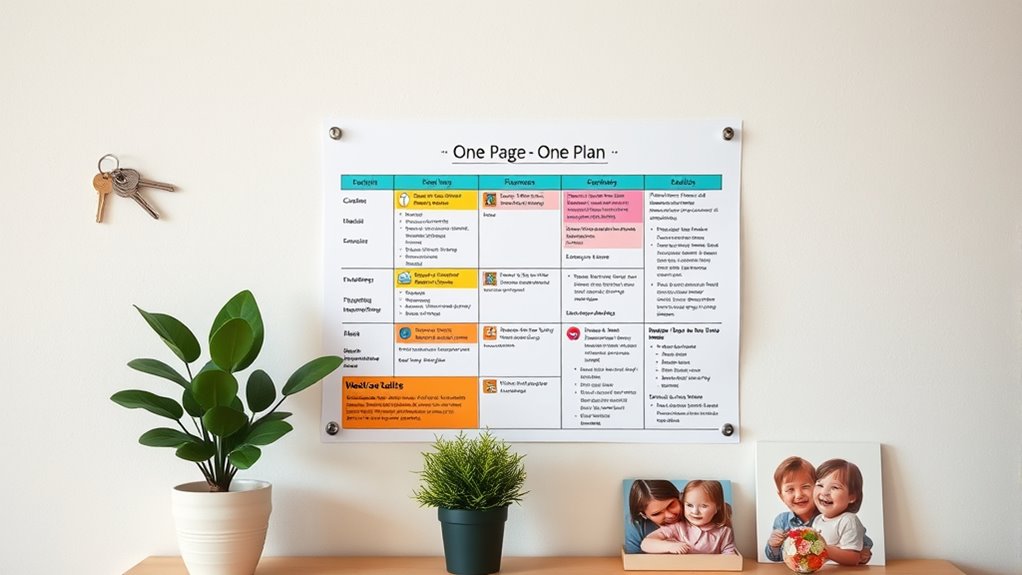
Make certain your medical conditions are clearly documented so everyone understands potential issues during an emergency. List all medications, devices, and over-the-counter remedies each person uses, including dosages. Don’t forget to include any special needs for disabilities, seniors, or pregnant members to ensure proper care. Additionally, consider easy document management strategies to keep this information accessible and up to date. Proper color accuracy in documentation helps ensure that critical information is conveyed clearly and without misinterpretation. Ensuring comprehensive documentation of medical details can also assist emergency responders in providing appropriate care quickly, especially when vetted solutions like clear labeling and standardized formats are used. Incorporating standardized formats can further improve clarity and facilitate quick understanding by emergency personnel.
Document Medical Conditions Clearly
How can you guarantee emergency responders quickly understand your household’s medical needs? Clearly document each member’s medical conditions, allergies, and medications. Use simple language and list conditions like asthma, diabetes, or heart issues prominently. Include vital medications and their dosages, especially those needed urgently. Make sure to specify any special devices, like oxygen tanks or mobility aids, and note any allergies to medications or foods. Keep this information current and easy to find, such as on your printed plan or in a mobile app. This way, responders won’t waste time searching for details during a crisis. Clear, concise documentation helps ensure your household gets the right care promptly, minimizing risks and complications in emergencies. Additionally, including information about any gelato or frozen dessert allergies can be helpful for households where such treats are common. For households with electric vehicles, it’s also useful to note any special medical equipment powered by electricity, like powered wheelchairs or ventilators, that may require access to backup power or charging stations in emergencies. Recognizing the diverse backgrounds and ethnicities of household members can also assist responders in providing culturally sensitive care. Moreover, understanding Gold IRA markets and available investment options can be useful for financial planning in case of emergencies, ensuring household stability through secure retirement savings. Considering the horsepower of electric dirt bikes, if any household members are enthusiasts, noting the safety equipment and training levels can be relevant for emergency situations involving such vehicles.
List Medications and Devices
Listing all medications and medical devices clearly guarantees emergency responders quickly understand your household’s needs. Include each person’s prescriptions, dosages, and frequency, along with over-the-counter medicines they use regularly. Note any medical devices like oxygen tanks, wheelchairs, or nebulizers, and specify their location. Record the names of healthcare providers and pharmacies, along with contact information. If someone has allergies, list them alongside medications that might trigger reactions. For devices, include maintenance or replacement instructions if needed. This information helps responders provide appropriate care swiftly. Additionally, maintaining an updated medical information list ensures accuracy during emergencies. Proper storage and organization of this information is essential for quick access during emergencies. Storing this in your “One Page” plan ensures crucial medical info is accessible during emergencies, giving you peace of mind. Keeping a comprehensive list of medical supplies can further enhance your preparedness. Incorporating vintage and antique furnishings can make your medical space more comforting and personalized.
Address Special Needs Adequately
Addressing your household’s special needs guarantees emergency responders can provide appropriate care without delays. Clearly document any medical conditions, allergies, prescriptions, and essential medications, including details for at least seven days. List health providers, medication info, and medical devices used. Include over-the-counter medications and a basic first aid kit with supplies like bandages and dressings. Highlight any disabilities, chronic conditions, or needs for older adults, pregnant women, or members with special requirements. Make sure emergency contacts for medical providers and specialists are easily accessible. Keep this information up-to-date and stored in a secure, visible location. Additionally, understanding sustainable health practices can help households maintain overall wellness and better prepare for emergencies. Incorporating best rated vacuum cleaners into your home cleaning routine can reduce allergens and improve indoor air quality, which is especially important for members with allergies or respiratory issues. Regular cleaning and indoor air quality management are vital for creating a safe environment. Learning about piercing aftercare and proper hygiene can prevent infections and complications, ensuring the household remains healthy. Staying informed about emergency medical procedures can further enhance your household’s preparedness. By doing so, responders can quickly understand your household’s needs and deliver proper care during an emergency.
Emergency Procedures and Evacuation Plans
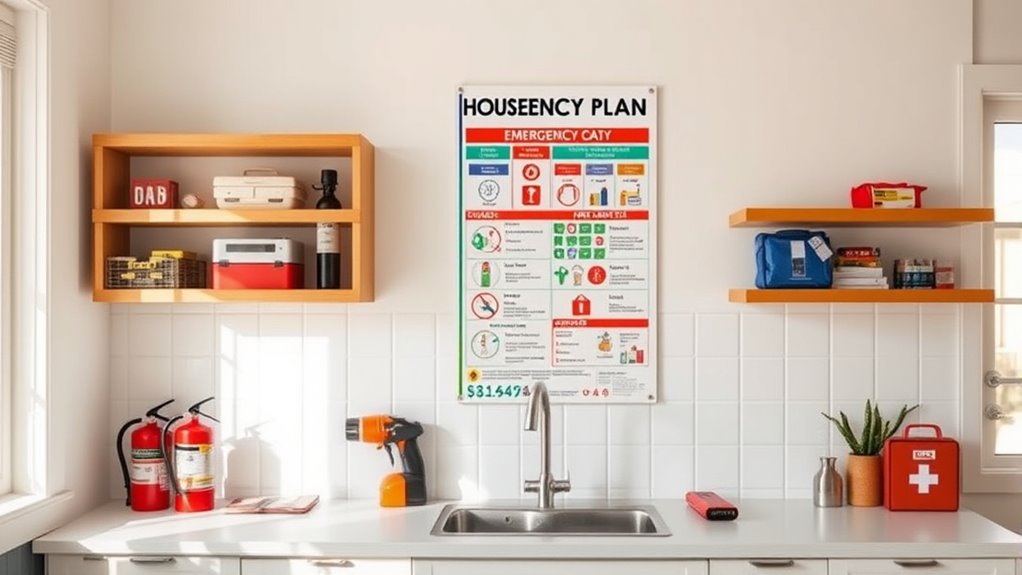
Creating clear emergency procedures and evacuation plans is essential to keep everyone safe when disaster strikes. You need to know exactly what to do, where to go, and how to get there quickly. Practice these plans regularly with your household to ensure everyone understands their roles. Consider special needs, pets, and disabilities when designing your routes and meeting points. Use the table below to clarify your evacuation options and responsibilities:
| Scenario | Evacuation Route & Meeting Point | Responsibilities |
|---|---|---|
| Fire | Exit through front door, meet at driveway | Head count, assist disabled |
| Flood | Use back door, meet at neighbor’s house | Gather valuables, shut utilities |
| Storm | Shelter in basement, contact emergency | Secure windows, monitor updates |
Additionally, modern kitchen technology can support emergency preparedness by enabling quick access to important safety information or communication tools during crises.
Household Layout and Utility Shutoff Locations

Your household layout should clearly show where utility shutoffs for gas, water, and electricity are situated, so you can access them quickly if needed. Make sure the diagram highlights key safety equipment like fire extinguishers and first aid kits, so they’re easy to find during an emergency. Also, note your designated emergency meeting spots to ensure everyone gathers safely if you get separated.
Diagram of Utility Shutoffs
A clear diagram of your household’s utility shutoffs is essential for quick response during emergencies. It helps you locate and shut off utilities swiftly, preventing further damage or hazards. Make sure the diagram is easy to understand and up-to-date. Include key locations for each shutoff, such as the main water valve, gas meter, and electrical panel. Label them clearly with simple symbols or words. Keep the diagram posted near your household emergency plan or main entrances. Regularly review and update it if your utility setups change. Remember, everyone in your household should know where these shutoffs are, so practice turning them off during drills. Being prepared can make all the difference in a crisis, helping you respond efficiently and safely.
Key Safety Equipment Spots
Locating safety equipment and utility shutoffs throughout your home guarantees you can respond quickly during emergencies. Identify where fire extinguishers are stored—usually in the kitchen, garage, or near exits—and ensure they’re easily accessible. Mark the locations of main utility shutoffs: electric, gas, and water. These are often found in utility rooms, basements, or outside near the perimeter of your home. Keep clear signage or labels so anyone can find them fast. Regularly check that safety equipment is in working order and that shutoff points remain accessible. By knowing these key spots, you’ll save precious time during a crisis, helping you protect your household effectively and minimize damage or harm.
Emergency Meeting Locations
Regularly reviewing and practicing your household’s emergency meeting locations guarantees everyone knows where to gather safely during a crisis. Make sure each member understands the designated spots outside the home, such as a neighbor’s yard or a nearby park. Post clear signs or maps indicating these locations. Also, ensure everyone knows how to locate and operate utility shutoff points to prevent further damage or hazards.
- Confirm the main outdoor gathering spot, like the front yard or driveway
- Know the closest neighbor’s yard or safe spot outside
- Practice heading to your designated meeting point calmly
- Keep a map with utility shutoff locations posted inside
- Assign roles for each member to lead or assist in emergencies
Emergency Kit Contents and Storage Areas

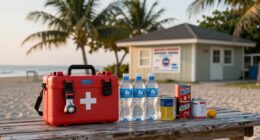
Your emergency kit should include essential supplies like water, non-perishable foods, first aid items, and tools such as a wrench and whistle. Proper storage guarantees quick access during emergencies. Store kits in easily accessible areas, like a closet or garage, and keep duplicates in separate spots for added safety. Label containers clearly to identify contents fast. Consider creating a dedicated cabinet or bin with your kit components. Use the table below to organize your kit contents and storage areas:
| Item Category | Contents | Storage Location |
|---|---|---|
| Water & Food | 1 gallon per person, snacks | Basement closet |
| First Aid & Hygiene | Bandages, sanitizer, soap | Kitchen cabinet |
| Tools | Wrench, whistle, flashlight | Garage storage |
| Sanitation Supplies | Toilet paper, garbage bags | Utility closet |
| Important Documents | Copies of IDs, insurance | Safe, labeled box |
Pet Care and Microchip/License Information
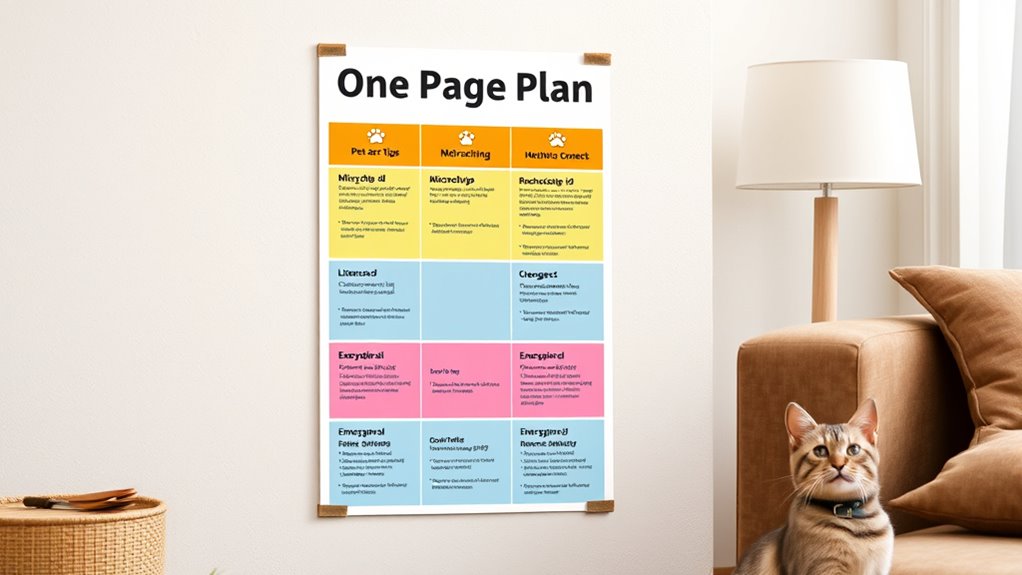
Ensuring your pets are safe during an emergency requires having up-to-date microchip and license information readily available. This helps reunite you quickly if your pet gets lost. Keep a printed, easily accessible list of your pet’s microchip number, license tag, and veterinarian contact. Make sure your contact info on the microchip registry is current. Store a recent photo of your pet for identification. Also, include any special needs your pet might have, like medications or dietary restrictions.
Keep microchip, license info, and recent photos accessible to quickly reunite with your pet during emergencies.
- Keep a copy of microchip and license info with your emergency kit
- Update contact info regularly on microchip registry and license tags
- Have recent photos in case your pet gets lost
- Know your veterinarian’s emergency contact details
- Keep medications and special needs info with your pet’s supplies
Household Roles, Responsibilities, and Practice Drills
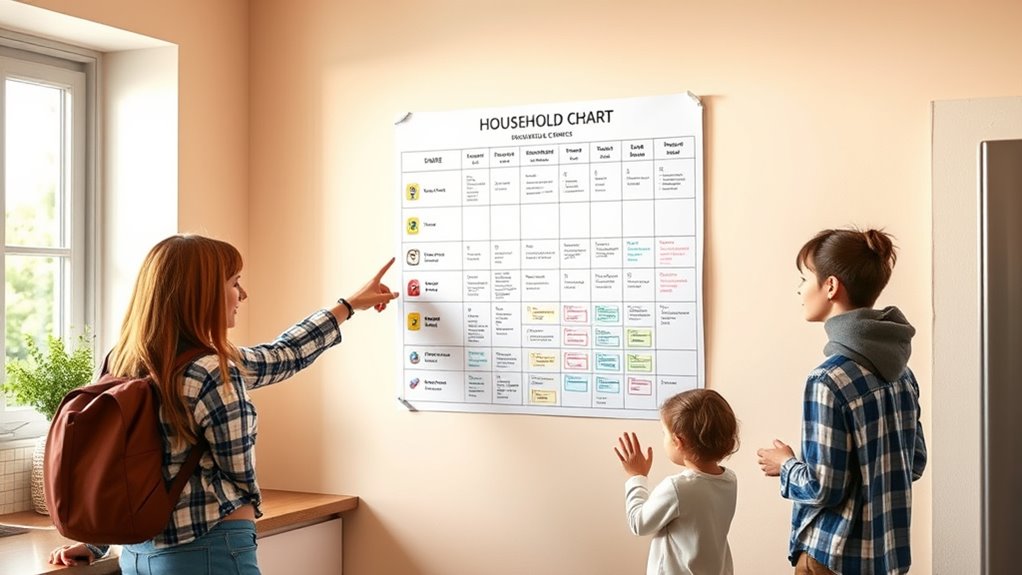
Having clear household roles and responsibilities is vital for effective emergency preparedness. When everyone knows their tasks, responses become faster and more organized. Assign specific duties, like who will gather emergency supplies, who contacts emergency services, and who handles pets. Designate a primary communicator to share updates and coordinate actions. Practice these roles regularly through drills so each member understands their part. For example, rehearse evacuation routes, shutoff procedures, and communication plans. Clarify responsibilities for children, seniors, and members with special needs. Regular practice ensures confidence and reduces panic during actual emergencies. Keep everyone updated on any changes to roles or procedures. Consistent drills and clear responsibilities create a unified, prepared household ready to face emergencies efficiently.
Reunification Points and Family Communication Plans
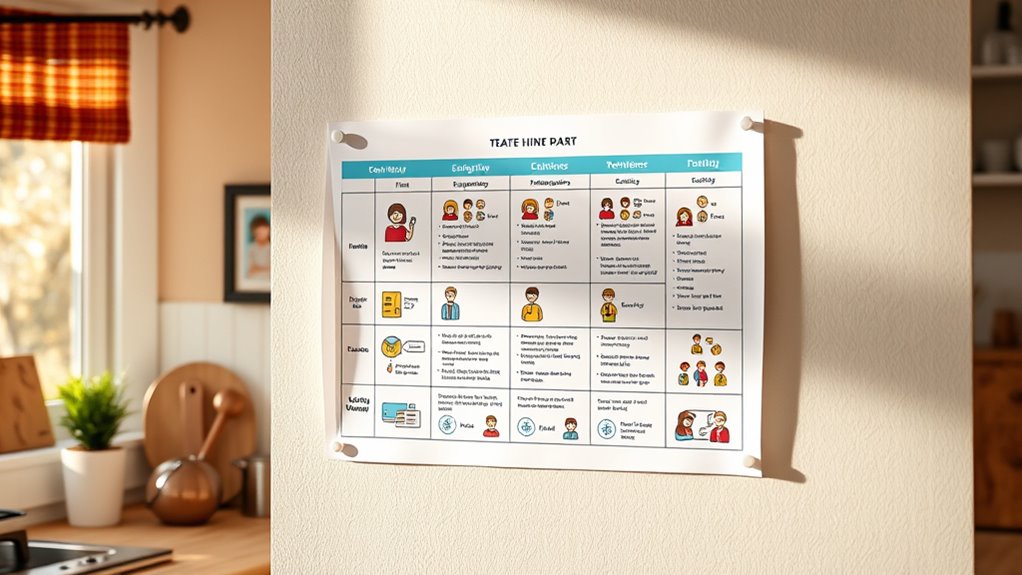
When an emergency forces your household to become separated, knowing designated reunification points and having a clear communication plan helps everyone stay safe and connected. You should identify safe, easily recognizable locations where family members can meet if separated, like a nearby park or community center. Make sure each person understands the plan and knows how to contact others. Establish primary and secondary communication methods, such as cell phones, text messages, or walkie-talkies, in case networks are overwhelmed. Share a list of key contacts, including out-of-area relatives, neighbors, and emergency services. Practice your reunification plan regularly to ensure everyone remembers the process and stays calm during stressful situations.
- Clear meeting spots everyone recognizes
- Multiple communication methods prepared
- Out-of-area contacts for backup
- Regular drills to reinforce the plan
- Updated contact info and locations
Frequently Asked Questions
How Often Should I Update My Household Emergency Plan?
You should review and update your household emergency plan at least once every six months. Regular updates guarantee contact info, medical details, and procedures stay current. After major life changes like moving, adding family members, or new pets, update immediately. Seasonal shifts or new local hazards also warrant a review. Staying proactive keeps your plan reliable, so everyone knows what to do when it counts most.
What Should I Include in a Family Communication Plan?
You should include key contact information for all family members, emergency contacts, and out-of-area contacts. Outline communication methods, such as phone trees, texts, or social media. Specify meeting points if separated and assign roles for each member during an emergency. Keep plans updated regularly, and practice the communication strategy with your family. Make sure everyone knows how to reach each other quickly and understands the plan’s details.
How Do I Choose the Best Reunification Points?
Did you know nearly 60% of people get separated from loved ones during emergencies? To choose the best reunification points, pick accessible, familiar locations like community centers, parks, or schools. Guarantee these spots are safe, have clear directions, and are unlikely to be impacted by disasters. Practice visiting them with your family regularly, so everyone knows where to go and feels confident in reuniting quickly.
When Should I Review and Restock Emergency Supplies?
You should review and restock your emergency supplies at least every six months, or sooner if you notice items are expired or damaged. Set reminders on your calendar to check your kit regularly, especially before seasons with higher risks like winter storms or hurricanes. Don’t forget to update medications, replace perishable items, and refresh supplies like batteries and first aid items to guarantee everything’s ready when you need it.
How Can I Ensure All Members Understand Their Roles?
You can guarantee all members understand their roles by holding regular practice drills and discussions. Clearly explain each person’s responsibilities during emergencies, using simple language. Create a family chart or list, and review it often. Encourage questions and feedback, and update roles as needed. Practice together at least twice a year to reinforce understanding, making sure everyone feels confident and prepared for any situation.
Conclusion
So, go ahead and print that one-page wonder. It’s your family’s secret weapon—because who needs a full-blown emergency plan when a single sheet of paper can do it all? Just imagine, in the chaos, you’ll be the hero calmly referencing your emergency procedures while everyone else fumbles around. After all, saving the day is just a quick glance away—thanks to your trusty, expertly crafted, one-page masterpiece.
Fall Picks
fall essentials
As an affiliate, we earn on qualifying purchases.