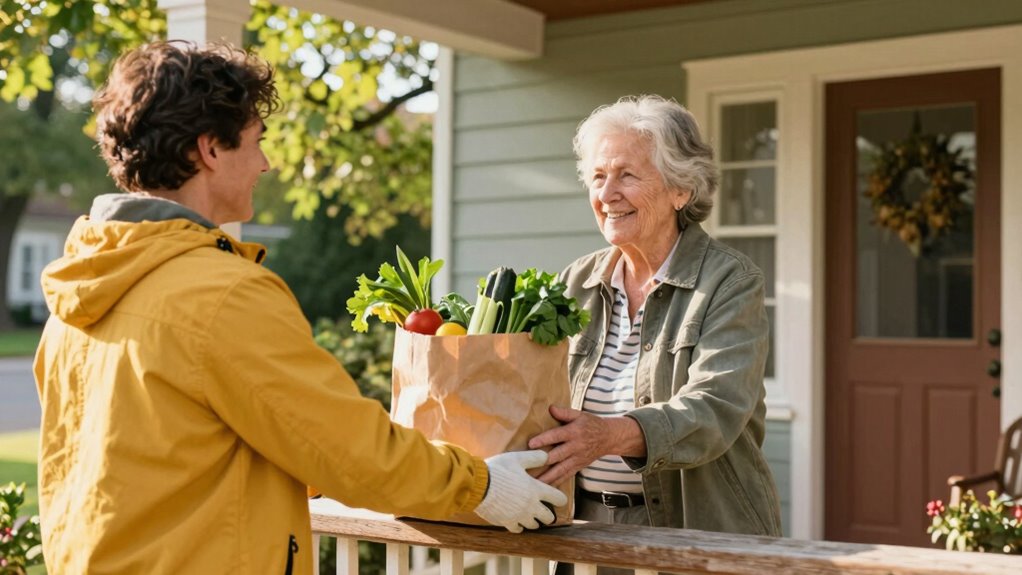

To help neighbors safely, respect boundaries by asking for clear consent and paying attention to their comfort levels. Stay vigilant and communicate openly about safety concerns, while building trust through small acts of support like checking in or shared activities. Collaborate with law enforcement and encourage neighborhood watch efforts to deter crime. Address disparities by promoting equity and community involvement. By following these simple steps, you’ll foster a safer, more connected neighborhood — there’s more to explore in these strategies.

Get backup power and energy gear delivered free with Prime
- Fast, free delivery on millions of items
- Prime Video, Amazon Music and more included
- Member-only deals all year
Key Takeaways
- Always ask for explicit permission before offering help or joining neighbors’ activities.
- Respect personal boundaries and be attentive to nonverbal cues indicating comfort or discomfort.
- Collaborate with law enforcement and participate in neighborhood watch programs to enhance safety.
- Conduct regular check-ins and small acts of kindness to build trust and strengthen community bonds.
- Address safety concerns by improving neighborhood lighting, signage, and environmental maintenance.
wireless security cameras for neighborhood watch
As an affiliate, we earn on qualifying purchases.
As an affiliate, we earn on qualifying purchases.
Understanding Neighborhood Watch and Its Impact
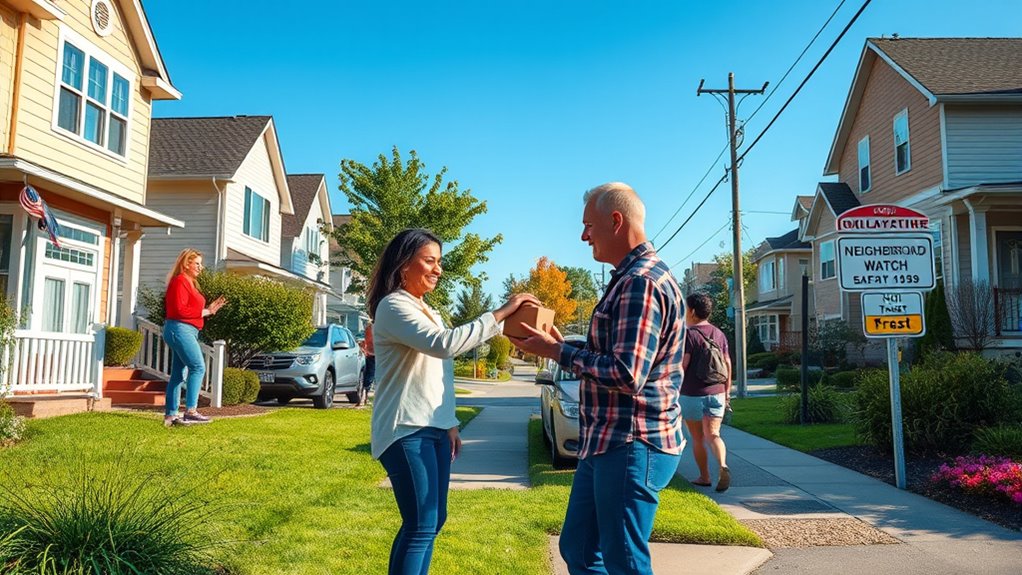
Neighborhood watch programs play a crucial role in reducing crime and enhancing safety by involving residents directly in crime prevention efforts. When you participate, you act as the community’s eyes and ears, spotting suspicious behavior and reporting it promptly. Your involvement helps police respond faster and more effectively. These programs also foster social bonds, making neighbors more connected and vigilant. As you work together, you create a collective sense of efficacy that deters criminals, who perceive higher risks targeting entire neighborhoods rather than individual homes. Recruitment often happens door-to-door or through local organizations, making participation accessible. By staying active and alert, you help build a safer, more cohesive community where residents support each other and work proactively to prevent crime. Additionally, engaging in community-led safety initiatives can further strengthen neighborhood resilience against crime. Developing a strong understanding of neighborhood security measures can empower residents to implement preventative strategies and improve overall safety. Regular communication and public safety education are also vital components that enhance community preparedness and trust. Building a culture of neighborhood vigilance encourages everyone to take responsibility for safety and stay informed about potential threats. Incorporating modern security systems, such as surveillance cameras and motion detectors, can further enhance the effectiveness of neighborhood watch efforts.
motion detector outdoor lighting
As an affiliate, we earn on qualifying purchases.
As an affiliate, we earn on qualifying purchases.
Building Trust and Open Communication Among Residents

When residents actively communicate and share safety concerns, trust naturally develops within the community. Open dialogue helps neighbors feel heard and valued, fostering a sense of collective responsibility. Regularly talking about safety issues, upcoming events, or neighborhood updates keeps everyone informed and engaged. It’s essential to listen without judgment and respond honestly to build credibility. Utilizing community meetings, social media groups, or neighborhood newsletters encourages ongoing conversations. When neighbors share information transparently, it reduces misunderstandings and encourages collaboration. Strong communication also prompts quicker reporting of suspicious behavior, which helps prevent crime. Establishing clear safety protocols can further enhance community resilience by providing structured guidance on how to respond in emergencies. As trust grows, residents become more willing to support each other in times of need. Additionally, understanding support systems available in the community can strengthen residents’ confidence in seeking help when necessary. Building community resilience by fostering social connections and mutual aid ensures the neighborhood can effectively respond to various challenges. Creating mutual trust through consistent interactions helps solidify the foundation for collective action. Moreover, implementing effective communication channels ensures that information flow remains steady and reliable. Ultimately, open communication creates a resilient, connected community where safety becomes a shared priority.
doorbell camera with two-way audio
As an affiliate, we earn on qualifying purchases.
As an affiliate, we earn on qualifying purchases.
Recognizing and Respecting Personal Boundaries

You should always respect your neighbors’ personal space and be mindful of their comfort levels. Pay attention to nonverbal cues, like body language or facial expressions, to gauge if they’re open to interaction. When in doubt, it’s best to ask for clear consent before crossing any personal boundaries. Being aware of seasonal checklists for cleaning and maintenance can help ensure that your interactions remain friendly and considerate throughout the year. Additionally, understanding family photoshoot fails can remind you to approach neighbors playfully and with patience during casual encounters. Recognizing the importance of personal boundaries and how they align with developing your inner wisdom can foster trust and mutual respect in your community. For example, understanding how Cote de Pablo’s portrayal of Ziva David evolved demonstrates the significance of respecting complex boundaries and growth over time.
Respect Personal Space
Respecting personal space is essential for maintaining comfortable and safe interactions within your community. When engaging with neighbors, be mindful of their physical boundaries. Avoid standing too close or touching without permission, as this can make others uncomfortable or feel threatened. Pay attention to cues like body language or facial expressions that indicate someone’s comfort level. If someone steps back or shifts away, respect their desire for distance. Keep conversations at an appropriate distance, especially in unfamiliar or sensitive situations. By honoring personal boundaries, you foster trust and create an environment where neighbors feel safe and respected. Recognizing non-verbal cues can help you better understand unspoken boundaries and respond appropriately. Being attentive to personal space signals also demonstrates respect and consideration. This simple act encourages positive relationships and helps build a community based on mutual consideration and safety. Additionally, understanding the importance of personal boundaries can prevent misunderstandings and promote healthier interactions. Being aware of AI ethics can further guide respectful and responsible engagement in community interactions.
Observe Nonverbal Cues
Recognizing nonverbal cues is essential for maintaining respectful personal boundaries and fostering trust within your community. Pay attention to body language, facial expressions, and gestures, as these reveal how someone feels without words. For example, crossed arms, avoiding eye contact, or tense posture may signal discomfort or a desire for space. Conversely, relaxed posture, smiling, and open gestures suggest comfort and openness. Respect these cues by adjusting your behavior—step back if someone appears uneasy, or give space when they seem overwhelmed. Remember, nonverbal signals often communicate feelings that words can’t express. Being aware of body language cues can help you respond more empathetically and appropriately. Additionally, understanding auditory processing can enhance your awareness of how individuals perceive and react to sounds in their environment. Developing sensitivity to nonverbal communication helps in creating a more inclusive and respectful atmosphere. Acknowledging the importance of emotional intelligence can further improve your interactions and community relationships. By observing and responding thoughtfully, you help create a safe environment where neighbors feel respected, understood, and more willing to build genuine connections.
Seek Clear Consent
Seeking clear consent is essential for ensuring personal boundaries are honored and relationships remain respectful. Before offering help or joining in an activity, ask your neighbor directly and politely. For example, say, “Would you like some help?” or “Is it okay if I join you?” Respect their response, whether it’s yes or no. Never assume consent based on body language or previous interactions. Clear communication prevents misunderstandings and makes neighbors feel safe and respected. Remember, consent isn’t a one-time event; check in regularly, especially if circumstances change. By seeking permission, you foster trust and demonstrate that you value their comfort and autonomy. This simple step strengthens relationships and promotes a community built on mutual respect.
As an affiliate, we earn on qualifying purchases.
Enhancing Safety Through Community Collaboration
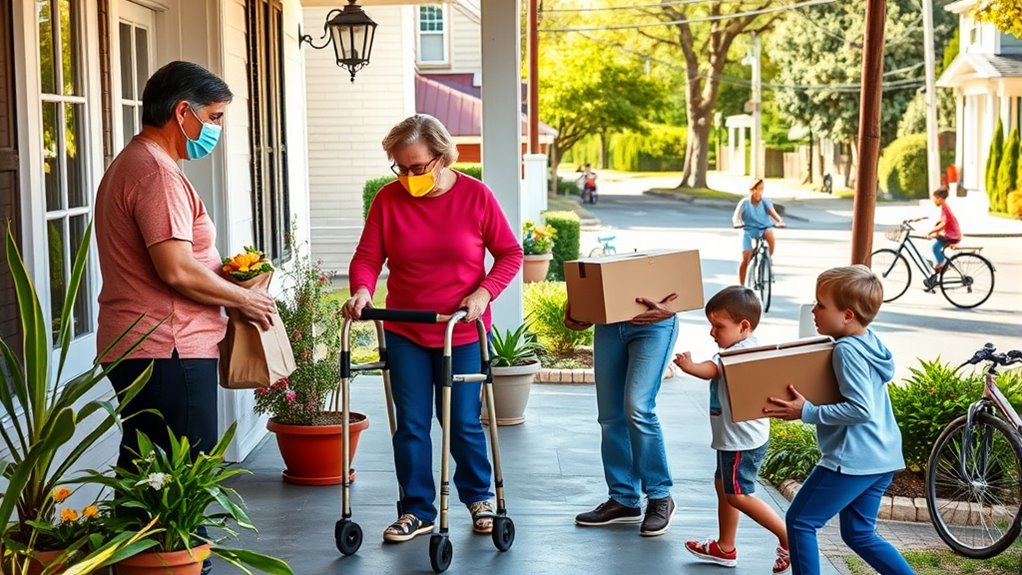
Community collaboration is essential for enhancing neighborhood safety because when residents work together, they create a stronger, more vigilant environment. By sharing information and coordinating efforts, you and your neighbors can identify suspicious activity early and respond swiftly. Joining or forming neighborhood watch groups connects you directly with law enforcement, making everyone more aware and prepared. Open communication about safety concerns builds trust, encouraging neighbors to look out for each other. When everyone participates, criminals see higher risks, reducing the likelihood of crime. Collaborative efforts also foster social bonds, strengthening community resilience. You can organize meetings, share safety tips, and create patrol schedules. Incorporating outdoor safety skills and modern tech tools can further enhance your neighborhood’s security. These collective actions not only deter crime but also promote a sense of security, making your neighborhood a safer place for everyone.
Simple Ways to Support Neighbors in Need

You can make a difference by offering practical help quickly when neighbors face challenges. Friendly check-ins show you care and build trust, making the community stronger. Small acts like running errands or sharing a smile can go a long way in supporting those in need.
Offer Practical Assistance Quickly
When neighbors face unexpected challenges or emergencies, offering practical assistance can make an immediate difference. Quickly checking in or providing tangible help shows you care and can ease their burden. For example, you might bring over a meal, run errands, or help with household chores. Keep communication simple—ask what they need most and respect their boundaries. If they’re overwhelmed, offer to coordinate support from other neighbors or community groups. Staying alert to signs of distress, like missed appointments or unusual activity, allows you to act swiftly. Remember, your timely help can prevent situations from escalating and strengthen your neighborly bond. Small acts of kindness demonstrate solidarity, foster trust, and create a safer, more connected community for everyone.
Foster Friendly Check-Ins
Foster friendly check-ins are simple yet powerful ways to support neighbors in times of need. A quick visit or friendly message can make a big difference. You might:
- Drop off a homemade meal or groceries to someone recovering from illness.
- Send a quick text or call to see how they’re doing, especially if they’re elderly or caring for someone.
- Offer to pick up prescriptions or run errands for neighbors with mobility issues.
- Invite them for a safe outdoor chat, respecting boundaries but showing you care.
These small gestures create connection and trust. They remind neighbors they’re not alone and encourage a sense of community. Friendly check-ins can strengthen bonds and foster a supportive, safe neighborhood environment.
Addressing Safety Concerns and Stressors

Addressing safety concerns and stressors in neighborhoods requires a proactive approach that recognizes how safety perceptions influence overall well-being. Start by engaging residents in open conversations about local issues, encouraging transparency and collective problem-solving. Strengthen neighborhood watch programs, where neighbors act as vigilant eyes and ears, reporting suspicious activities promptly. Collaborate with law enforcement to develop tailored safety strategies, ensuring everyone feels supported. Focus on reducing stressors by addressing environmental hazards and improving lighting, signage, and maintenance. Promoting trust and communication helps residents feel more secure, lowering anxiety and fostering a sense of community resilience. Remember, small, consistent actions—like neighborhood patrols or safety workshops—can appreciably enhance safety and reduce stress, creating a stronger, healthier community.
Engaging Youth and Fostering Community Mentorship
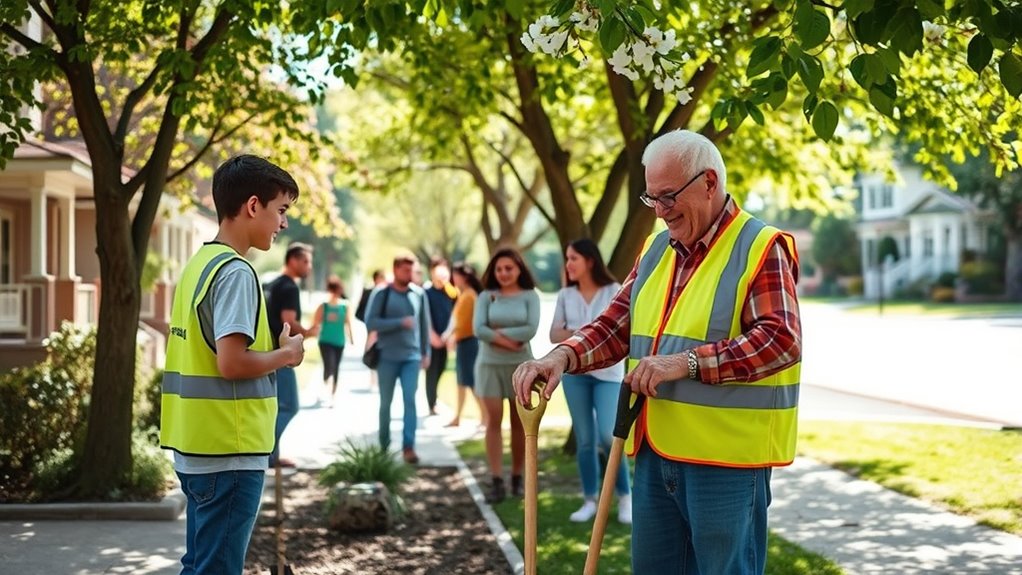
You can empower young people by building their leadership skills and encouraging them to take active roles in your community. Creating mentorship networks connects youth with positive role models, fostering trust and guidance. Promoting engaging activities helps keep youth involved and strengthens bonds that contribute to neighborhood safety.
Building Youth Leadership
Building youth leadership is essential for creating safer and more connected neighborhoods, as engaged young people can become powerful agents of change. When you involve youth, they gain confidence and skills to address local issues. You can:
- Organize youth-led safety patrols to increase neighborhood watch visibility
- Create mentorship programs pairing older youth with younger residents
- Facilitate leadership workshops to develop decision-making abilities
- Support youth projects that improve community spaces or organize events
Creating Mentorship Networks
Creating mentorship networks amplifies the positive impact of youth involvement by connecting young residents with experienced community members. These relationships foster guidance, support, and skill development, strengthening community bonds. As a neighbor, you can facilitate these networks by identifying local mentors—trusted adults who can share their knowledge and experiences. Organize events or programs that bring youth and mentors together with clear goals, like career advice or life skills. Encourage ongoing communication, both formal and informal, to build trust and familiarity. Mentorship networks empower young residents to feel valued and supported, which boosts their confidence and engagement. Ultimately, these connections help create a resilient community where everyone contributes to a safer, more cohesive neighborhood.
Promoting Positive Activities
Promoting positive activities in the neighborhood plays a crucial role in engaging youth and fostering community mentorship. When you organize or support local events, sports leagues, or after-school programs, you create safe spaces that keep young people involved and focused. These activities build trust, teach valuable skills, and reduce opportunities for trouble. You can:
- Coordinate youth sports teams or clubs that promote teamwork and discipline
- Host community events like block parties or clean-up days to encourage participation
- Partner with local organizations to provide mentorship and skill-building workshops
- Support arts, music, or tech programs that inspire creativity and confidence
Partnering With Local Law Enforcement Effectively
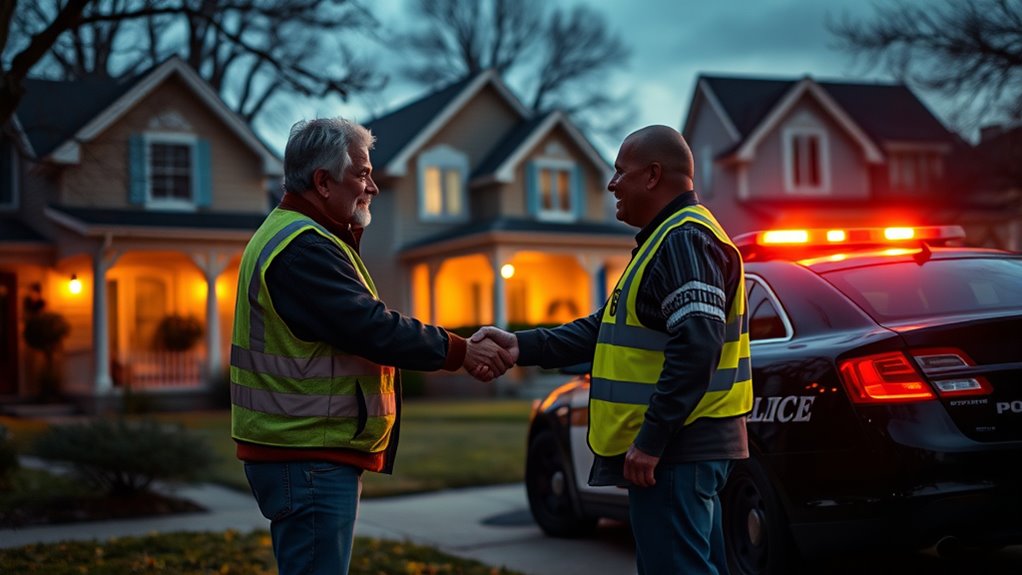
Partnering effectively with local law enforcement is essential for maximizing neighborhood safety efforts. Start by building trust through open communication and regular meetings. Share concerns about crime trends and ask for advice on prevention strategies. Connect with officers who patrol your area and invite them to community events to foster relationships. Encourage residents to report suspicious activity promptly and accurately, emphasizing the importance of vigilance without overstepping boundaries. Collaborate with law enforcement on neighborhood watch programs, ensuring everyone understands their roles. Respect officers’ expertise while advocating for community needs. By working together, you create a unified front that deters crime and promotes safety. Strong partnerships help police respond faster and build confidence, making your neighborhood a safer place for everyone.
Promoting Equity and Addressing Disparities in Safety

Building strong relationships with law enforcement is a key step, but addressing safety also means tackling the systemic inequalities that contribute to disparities in crime and community well-being. You can promote equity by supporting policies that reduce resource gaps, improve housing, and increase access to healthcare. Focus on empowering impacted communities to participate in decision-making, ensuring their voices shape safety strategies. Recognize the factors that influence disparities:
Address systemic inequalities to create safer, more equitable communities for all.
- Concentration of crime in under-resourced neighborhoods due to disinvestment
- Systemic racism affecting access to opportunities and safety
- Environmental hazards worsening health and safety risks
- Lack of infrastructure and social services perpetuating inequality
Practical Steps for Creating a Safer Neighborhood Environment
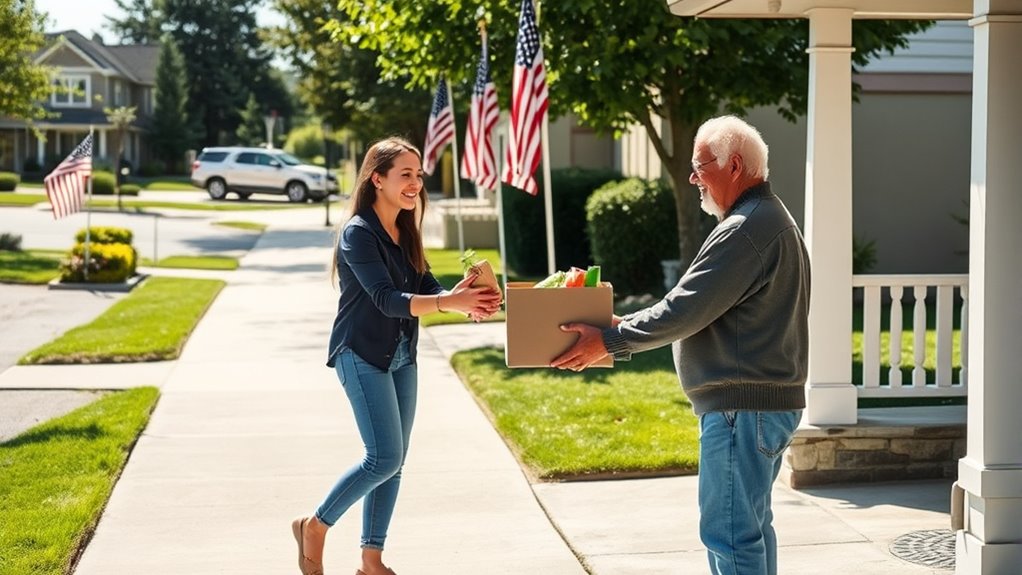
Creating a safer neighborhood starts with taking practical, actionable steps that foster community engagement and enhance security. Start by organizing or joining a neighborhood association to build connections and address local issues collectively. Implement a neighborhood watch program, encouraging residents to observe and report suspicious activities, which deters crime. Collaborate with local law enforcement to stay informed about crime trends and safety tips. Promote positive relationships by hosting community events that strengthen trust and social bonds. Engage youth through mentorship programs, reducing opportunities for trouble. Additionally, advocate for policies that address social and economic disparities, tackling root causes of crime. These simple, consistent actions create a united front, making your neighborhood safer and more resilient.
Frequently Asked Questions
How Can Residents Effectively Balance Safety Vigilance With Respecting Privacy?
You can balance safety vigilance with respecting privacy by staying observant without intruding. Keep communication open with neighbors about concerns and report suspicious activities through proper channels. Be discreet when discussing safety issues, and avoid unnecessary surveillance or questions. Focus on building trust and community, so neighbors feel comfortable sharing concerns while maintaining their privacy. Your goal is to create a safe environment without overstepping personal boundaries.
What Are Ways to Involve Marginalized Communities in Neighborhood Safety Efforts?
Oh, because nothing screams inclusivity like assuming marginalized communities want your unsolicited help, right? Actually, you should involve them by listening to their needs, respecting their voices, and collaborating on safety initiatives they design. Partner with local leaders, support community-led programs, and guarantee resources address systemic inequalities. By prioritizing their input and empowering their leadership, you foster trust and create genuinely effective safety efforts rooted in equity, not assumptions.
How Do Neighborhood Programs Adapt to Diverse Cultural Norms and Expectations?
You adapt neighborhood programs by actively listening to diverse cultural norms and respecting different ways of communication. You involve community members in planning, ensuring activities reflect their values and traditions. Collaborate with cultural leaders to build trust and tailor safety initiatives accordingly. Use multilingual materials and inclusive events to promote participation. By recognizing and honoring these differences, your programs become more effective and foster stronger, more cohesive community bonds.
What Strategies Ensure Sustained Community Engagement Over Time?
Think of community engagement like tending a garden; it needs consistent care. To keep it thriving, you should host regular events, recognize everyone’s contributions, and adapt activities to changing interests. Sharing success stories, like how a neighborhood watch reduced local crime by 20%, motivates ongoing participation. Building trust through open communication and celebrating small wins fosters a sense of ownership, ensuring residents stay committed and engaged over time.
How Can Safety Initiatives Address Environmental Hazards Alongside Crime Prevention?
You can address environmental hazards alongside crime prevention by collaborating with local agencies to identify and mitigate risks like poor lighting, broken sidewalks, or hazardous waste. Organize community clean-ups and advocate for infrastructure improvements. Educate neighbors about environmental safety, encouraging reporting of hazards. Partner with health and safety organizations to develop all-encompassing plans, ensuring that both crime and environmental issues are tackled together, creating a safer, healthier neighborhood for everyone.
Conclusion
By working together, respecting boundaries, and supporting each other, you can create a safer, more connected neighborhood. Open communication and collaboration with local agencies strengthen your community’s resilience. Remember, safety isn’t just about rules—it’s about trust and care. Are you willing to take small, meaningful steps today to build a neighborhood where everyone feels secure and valued? Your involvement can make a lasting difference for everyone living around you.
Columbus Day / Indigenous Peoples' Day Picks
long weekend sales
As an affiliate, we earn on qualifying purchases.