TL;DR

Get backup power and energy gear delivered free with Prime
- Fast, free delivery on millions of items
- Prime Video, Amazon Music and more included
- Member-only deals all year
Africa’s energy transition faces a significant obstacle: ‘Zombie Energy Systems’—obsolete, inefficient, and environmentally harmful assets. Addressing these is critical for sustainable growth and climate goals.
Recent analyses confirm that outdated, inefficient energy systems known as ‘Zombie Energy Systems’ (ZES) continue to persist across Africa, impeding the continent’s efforts to transition to cleaner energy sources. Experts warn that without addressing these obsolete assets, Africa’s energy and climate goals may remain out of reach, making this a critical issue for policymakers and development agencies.
Multiple sources, including recent reports from energy analysts and development organizations, confirm that Africa’s energy landscape is heavily burdened by obsolete infrastructure. These include aging coal and gas-fired power plants, outdated hydroelectric dams, and inefficient domestic appliances, which all contribute to high maintenance costs and environmental degradation. Despite international efforts to promote renewable energy, these ‘Zombie Energy Systems’ (ZES) continue to operate, often due to economic constraints and policy inertia, creating a misalignment between current energy assets and future sustainability goals.
According to a recent report by the African Development Bank, many of these assets were built during colonial or post-colonial periods and have not been adequately upgraded or decommissioned. The persistence of ZES is linked to limited investment in modern infrastructure, regulatory challenges, and a lack of local technical expertise. Experts argue that simply replacing infrastructure without addressing the underlying systemic issues will not suffice; a holistic approach involving decommissioning, modernization, and policy reform is necessary.
Why Addressing ZES Is Critical for Africa’s Future
Failing to tackle ‘Zombie Energy Systems’ risks perpetuating energy poverty, environmental harm, and economic stagnation. These outdated assets drain financial resources, increase emissions, and hinder the deployment of renewable energy solutions. As Africa’s population and energy demand grow rapidly, the inability to modernize existing infrastructure could undermine efforts to meet SDG targets, especially those related to clean energy access and climate resilience. Addressing ZES is therefore essential for Africa to achieve a sustainable, inclusive energy transition that supports economic development and climate commitments.
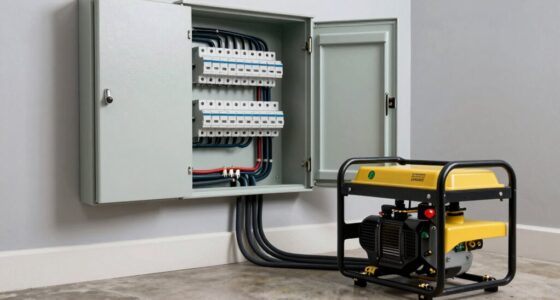
renewable energy infrastructure for Africa
As an affiliate, we earn on qualifying purchases.
As an affiliate, we earn on qualifying purchases.
Historical Roots and Current State of Africa’s Energy Infrastructure
Many of Africa’s outdated energy assets originate from colonial-era projects designed for limited, localized use. Post-independence, rapid population growth and urbanization exacerbated reliance on these aging systems, which have become increasingly inefficient and environmentally damaging. Despite global shifts toward renewable energy, investment in upgrading or replacing these assets has lagged due to economic constraints, policy gaps, and limited technical expertise. Recent assessments reveal that a significant portion of Africa’s power capacity still relies on obsolete infrastructure, complicating efforts to expand reliable, sustainable energy access.
“Addressing these obsolete assets requires a comprehensive approach that includes policy reform, investment in modern infrastructure, and capacity building at the local level.”
— Oluwaseun Adeyemi, Renewable Energy Consultant
As an affiliate, we earn on qualifying purchases.
Unresolved Challenges in Eliminating ZES
While experts agree on the need to decommission and upgrade ZES, it remains unclear how quickly and effectively African countries can implement these reforms. Financial constraints, political will, and technical capacity vary widely across nations, complicating a unified approach. Additionally, there is limited data on the full extent and environmental impact of these obsolete systems, making it difficult to prioritize interventions or estimate costs accurately.
As an affiliate, we earn on qualifying purchases.
Strategic Steps Toward Modernizing Africa’s Energy Systems
Moving forward, stakeholders are calling for targeted policies that incentivize decommissioning of outdated assets and investments in renewable and modern grid infrastructure. International donors and development agencies are urged to support capacity-building initiatives and facilitate access to financing. Pilot projects demonstrating successful modernization strategies may serve as models for broader implementation. Policymakers must also address regulatory barriers and foster local expertise to accelerate the phase-out of ZES.
As an affiliate, we earn on qualifying purchases.
Key Questions
What exactly are ‘Zombie Energy Systems’?
‘Zombie Energy Systems’ are outdated, inefficient, and environmentally harmful energy assets that continue to operate despite being obsolete, such as old power plants, dams, and appliances.
Why do these systems persist in Africa?
They persist due to economic constraints, lack of investment, policy inertia, and limited technical capacity to decommission or upgrade them.
What are the risks of not addressing ZES?
Continuing to operate ZES increases environmental damage, hampers energy access expansion, and diverts financial resources from sustainable development efforts.
How can Africa modernize its energy infrastructure?
Through comprehensive policies promoting decommissioning, investments in renewable energy, capacity building, and regulatory reforms to facilitate infrastructure upgrades.
Who should lead efforts to eliminate ZES?
Governments, international development agencies, and private sector stakeholders must collaborate to develop and finance strategic modernization plans.
Source: Hacker News
Halloween Picks
halloween
As an affiliate, we earn on qualifying purchases.