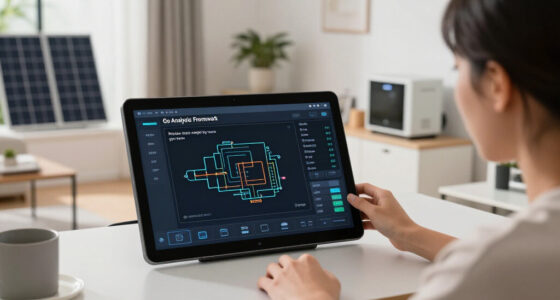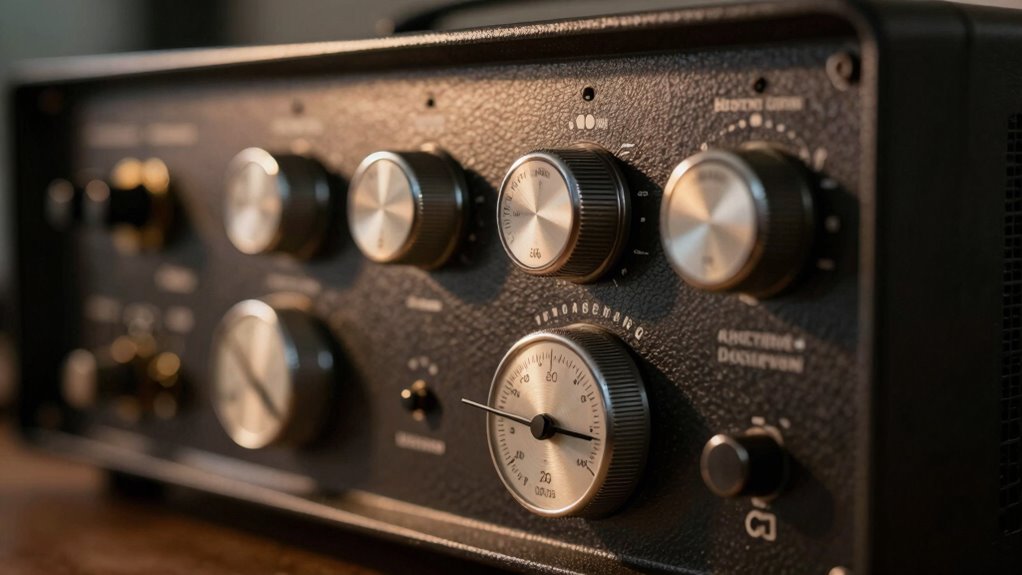

When selecting a generator for sensitive electronics, focus on its total harmonic distortion (THD) specification. Lower THD, ideally below 3%, guarantees cleaner power with less waveform distortion, reducing risks like overheating, signal interference, and equipment failure. Many high-quality units meet this standard, but cheaper generators often have higher THD levels, which can damage your devices over time. To protect your electronics effectively, understanding and choosing based on THD details will make a real difference—there’s more to learn about keeping power clean.

Get backup power and energy gear delivered free with Prime
- Fast, free delivery on millions of items
- Prime Video, Amazon Music and more included
- Member-only deals all year
Key Takeaways
- A generator’s total harmonic distortion (THD) rating indicates how clean its power output is for sensitive electronics.
- A THD below 3% is generally recommended to ensure compatibility with sensitive devices.
- Higher THD levels can cause waveform distortion, leading to overheating, data errors, and equipment failure.
- Always verify generator specifications include THD measurements at various loads for reliable performance.
- Use harmonic filters or power conditioning if a generator’s THD exceeds recommended limits for electronics.
Understanding Total Harmonic Distortion and Its Impact on Electronic Devices
Understanding Total Harmonic Distortion (THD) is essential because it directly affects the performance and longevity of electronic devices. When THD is high, waveform distortions introduce unwanted harmonic components that can cause overheating, reduce efficiency, and shorten equipment lifespan. Sensitive electronics like computers, routers, and audio systems rely on clean power; even slight harmonic distortion can lead to malfunctions, data errors, or audible artifacts. Additionally, excessive harmonics generate electromagnetic interference (EMI), degrading signal integrity in communication and control systems. Power supplies and inverters are especially vulnerable, as harmonics can cause increased emissions and instability. Monitoring and controlling THD guarantees your devices operate smoothly, stay reliable, and avoid premature failures caused by distorted power waveforms. Controlling harmonic distortion is crucial for maintaining overall system performance and minimizing electromagnetic interference. Being aware of power quality and addressing harmonic issues can significantly improve device lifespan and operational stability. Properly managing harmonic distortion levels ensures compliance with standards and reduces the risk of equipment damage. Regular testing and harmonic mitigation techniques can help prevent issues before they impact device performance.
Typical THD Levels From Different Power Sources and Technologies
Different power sources produce varying levels of harmonic distortion, affecting the quality and compatibility of the electricity they deliver. Utility grids under normal conditions usually have THD below 3%, making them suitable for most electronics. Traditional combustion-engine generators often generate THD between 5% and 20%, sometimes reaching up to 25% under heavy loads, which can cause issues for sensitive devices. Inverter-based generators and high-quality UPS systems typically deliver very low THD, often under 3%, thanks to pure-sine-wave technology. Portable or cheaper generators tend to have higher THD, reducing their suitability for precision electronics. Renewable sources like solar panels produce no harmonics at the source, but their inverters can introduce harmonic distortion during DC-to-AC conversion. The choice of power source impacts device performance and longevity, and understanding harmonic distortion is crucial for ensuring electronic reliability.
How to Accurately Measure and Interpret THD in Power Systems
To accurately measure THD in power systems, you need to use the right instruments and follow proper procedures. Use a power analyzer or an FFT-capable meter that captures multiple harmonic orders and provides RMS values. Verify the device is calibrated and set to the correct measurement bandwidth, including relevant harmonic orders. Always record the load conditions during measurement, as THD varies with load type and magnitude. Make sure to measure both voltage and current THD if relevant. Maintain proper sampling rates and anti-aliasing filters to avoid underestimating high-order harmonics. When interpreting results, compare THD percentages against applicable standards and device tolerances. Low THD readings indicate cleaner power, essential for sensitive electronics, while higher values warn of potential waveform distortion and system issues. Proper measurement techniques are crucial for obtaining accurate THD readings and ensuring reliable power quality assessments. Additionally, understanding the significance of harmonic distortion helps in diagnosing underlying power system problems and implementing effective mitigation strategies. Being aware of the measurement challenges associated with high-frequency harmonics ensures more precise assessments of power quality. Recognizing the importance of attention to detail during testing can prevent common errors and improve the accuracy of your measurements. Moreover, employing calibrated instruments guarantees that the data collected accurately reflects the true power system conditions.
The Role of Low-THD Power Generation in Protecting Sensitive Electronics
Low-THD power generation plays a crucial role in safeguarding sensitive electronics by providing cleaner, more stable power. When the power source has low harmonic distortion, it minimizes unwanted frequency components that can cause overheating, reduce efficiency, and shorten equipment lifespan. Sensitive devices like computers, routers, and audio/video equipment rely on high-quality power to function correctly. High THD levels introduce electromagnetic interference (EMI) and radio-frequency noise, which can lead to data errors or signal degradation. Additionally, low-THD power reduces the risk of voltage distortion and fluctuations under dynamic loads. By choosing generators or inverters with low THD ratings, you guarantee your electronics operate within their specified tolerances, decreasing malfunctions, maintaining performance, and extending the lifespan of your critical equipment. Understanding power quality is essential for selecting the right generator or inverter to ensure optimal protection. Moreover, harmonic distortion can impact the overall efficiency of power delivery, making low-THD sources vital for critical electronic systems. Properly managing power quality can also prevent unnecessary energy losses, further emphasizing the importance of low-THD solutions. A thorough grasp of power system stability helps in recognizing how low-THD power contributes to consistent operation and equipment longevity. Incorporating power conditioning devices can further enhance the reliability and protection of sensitive electronics against harmonic-related issues.
Strategies and Components for Reducing Harmonic Distortion in Power Supplies
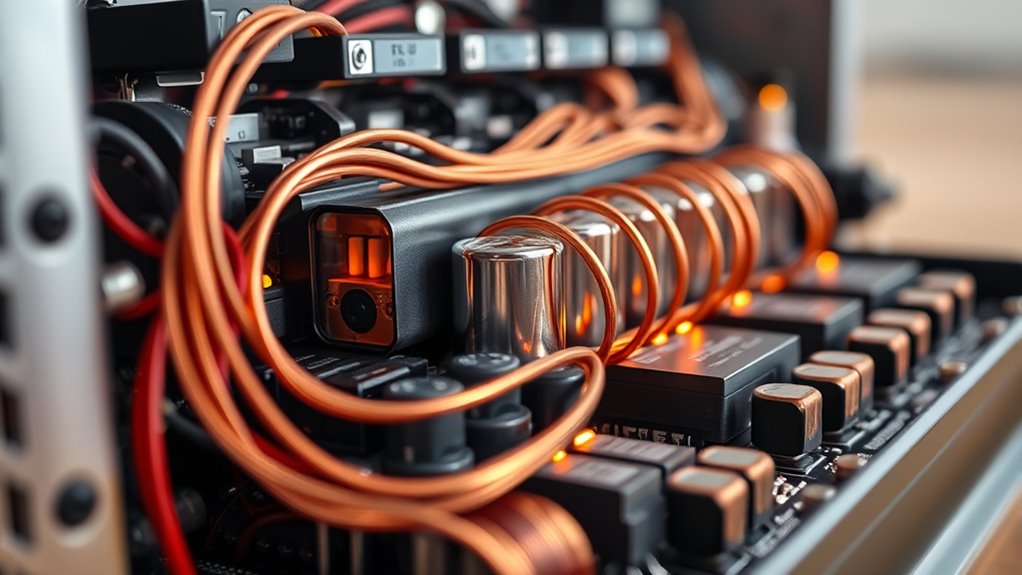
You can minimize harmonic distortion in power supplies by implementing harmonic filter technologies and quality power conditioning. These components target specific harmonic frequencies, effectively smoothing out waveform irregularities. Choosing the right filters and conditioning devices helps guarantee cleaner power and protects your sensitive electronics. Incorporating proper power tool setups and ensuring consistent electrical loads further reduce the likelihood of harmonic issues. Additionally, understanding power quality standards can guide you in selecting appropriate solutions for your electrical system. Regular monitoring of your power system performance can help identify emerging harmonic problems before they cause damage or inefficiency. Awareness of electric motor operations can also aid in diagnosing and mitigating harmonic distortions caused by heavy machinery. Properly managing electrical loads is essential for maintaining optimal power quality and preventing excessive harmonic generation.
Harmonic Filter Technologies
How can power systems effectively minimize harmonic distortion? The key lies in harmonic filter technologies. You can implement:
- Passive LC filters that use inductors and capacitors tuned to specific harmonic frequencies, blocking unwanted harmonics. Proper filter tuning is essential to target the right harmonic components effectively. Incorporating filter design principles ensures optimal performance and longevity of the filters.
- Tuned filters designed for precise harmonic orders, providing targeted attenuation without affecting the fundamental. Utilizing harmonic spectrum analysis helps in designing these filters accurately.
- Active harmonic filters which inject counter-harmonic currents dynamically, adapting to changing harmonic profiles.
- Hybrid filters combining passive and active components for all-encompassing harmonic mitigation, balancing cost and effectiveness.
These solutions help reduce THD, protect sensitive electronics, and improve power quality. Proper selection depends on your load profile and harmonic spectrum, ensuring your power system remains stable and compliant with standards. Implementing appropriate harmonic mitigation strategies can significantly enhance overall power system reliability and efficiency.
Quality Power Conditioning
What are the most effective strategies and components for reducing harmonic distortion in power supplies? The key approach involves installing power conditioning equipment designed to filter or cancel unwanted harmonics. Passive filters, such as LC or tuned filters, target specific harmonic frequencies, attenuating them before reaching sensitive electronics. Active harmonic filters dynamically monitor the power waveform and inject counteracting currents to cancel disturbances, considerably lowering THD. Using high-quality, pure-sine-wave inverters and uninterruptible power supplies (UPS) also minimizes harmonic generation at the source. Proper grounding, careful load management, and employing harmonic mitigation components like line reactors or dedicated harmonic filters further improve power quality. Additionally, understanding total harmonic distortion is essential for designing effective power conditioning solutions. Combining these strategies ensures cleaner power, reduces equipment stress, and enhances system reliability.
Key Specifications and Best Practices When Selecting a Generator for Electronics
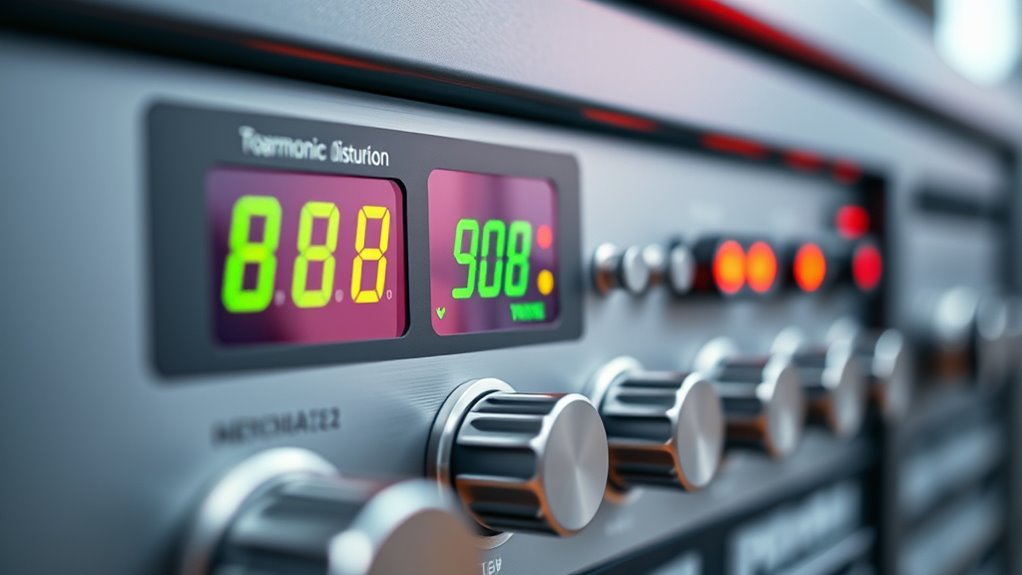
When choosing a generator for sensitive electronics, you need to pay attention to THD limits and applicable standards to guarantee compatibility. Keep in mind that load conditions substantially impact harmonic distortion, so it’s crucial to specify and verify performance across real-world operating scenarios. By understanding these key specifications, you can select a generator that minimizes waveform distortion and protects your equipment’s reliability.
THD Limits and Standards
Selecting a generator for sensitive electronics requires careful attention to its Total Harmonic Distortion (THD) specifications to guarantee reliable performance. Standards and limits guide your choice, ensuring waveform purity and equipment safety. Generally, aim for:
- <3% THD for critical electronic loads, aligning with industry best practices.
- <5% THD is acceptable for less sensitive applications, such as some tools or appliances.
- Verify compliance with standards like IEEE 519 or IEC 61000-4-7, which specify harmonic limits based on system size and application.
- Request detailed test reports showing THD at various loads, ensuring the generator maintains low distortion under operational conditions.
Adhering to these limits minimizes harmonic-related issues, ensuring your electronics operate smoothly and reliably. Always confirm that the generator’s THD performance matches your system’s sensitivity requirements.
Load Conditions Impact
Load conditions are important to consider a generator’s Total Harmonic Distortion (THD) performance, making it essential to evaluate how different loads affect waveform quality. Non-linear loads, like variable-frequency drives or switching power supplies, increase harmonic content, raising THD levels. Light loads typically produce lower THD, while heavy or uneven loads can cause waveform distortion. Sudden load changes or unbalanced phases also worsen harmonic distortion. To guarantee ideal power quality, you should review generator specifications at various load levels—no-load, partial, and full load—and confirm that THD remains within acceptable limits. Avoid overloading the generator or combining incompatible loads, as these conditions can amplify harmonic distortion. Proper load management helps maintain cleaner power and protects sensitive electronics from waveform degradation.
Frequently Asked Questions
What Is Considered an Acceptable THD Level for Sensitive Electronics?
You should aim for a THD level of 3% or less for sensitive electronics. Lower harmonic distortion guarantees cleaner power, reducing risks of malfunctions, data errors, and damage. When selecting power sources like inverters or generators, verify their THD ratings under real-world loads. Request test reports and specify strict limits in your procurement process. Regular field measurements after installation help confirm the power quality stays within acceptable limits for your equipment’s safety and performance.
How Does Load Variation Affect Generator THD Performance?
Load variation is like changing the tide—your generator’s THD performance fluctuates with it. When loads increase or decrease, harmonic levels can spike or drop, causing uneven waveforms. You might notice more distortion during startup or peak demands, risking equipment issues. To keep THD stable, verify your generator is rated for your load range, and consider harmonic filters, especially if your loads are highly non-linear or variable.
Can Non-Linear Loads Increase Overall System THD?
Yes, non-linear loads can increase overall system THD. When you connect devices like variable-frequency drives, LED lighting, or switching power supplies, they draw current in abrupt pulses rather than smooth sine waves. This creates harmonics, which add to existing ones in the system, raising total harmonic distortion. To keep THD low, you should use harmonic filters, select high-quality power sources, and avoid overloading circuits with non-linear devices.
Are There Standards Governing Maximum Allowable THD in Power Sources?
Yes, standards govern maximum allowable THD in power sources. You should check regulations like IEEE 519, which specify limits for harmonic distortion in electrical systems, often setting thresholds at 3% or 5%. These standards aim to protect sensitive electronics and ensure power quality. When selecting generators or inverters, verify they meet these standards, and request test reports to verify compliance at typical load conditions.
How Often Should THD Be Tested After Installing a New Generator?
Think of testing your generator’s THD like tuning a fine instrument—regular checks keep it performing smoothly. You should test after installation, then periodically based on load changes or maintenance schedules, typically every six months to a year. If your load varies greatly or you notice equipment issues, test more frequently. Consistent monitoring guarantees your power remains clean, preventing potential harm to sensitive electronics and maintaining system reliability.
Conclusion
Understanding and managing total harmonic distortion is essential for protecting your sensitive electronics. Did you know that high THD levels can reduce device lifespan by up to 30%? By choosing generators with low THD specs and implementing proper filtration, you guarantee cleaner power and better performance. Stay vigilant about your power sources, and you’ll keep your electronics running smoothly and reliably for years to come.
Fall Picks
fall essentials
As an affiliate, we earn on qualifying purchases.


![Fil-C: Garbage In, Memory Safety Out [Video]](https://wattreserve.com/wp-content/uploads/2026/07/fil-c-garbage-in-memory-safety-out-video-featured-560x300.jpg)