When power surges happen, they cause micro-damage inside your electronics that might not be visible right away. During recovery, hidden issues like weakened solder joints or damaged capacitors can worsen as components heat up or stress further. This hidden damage often leads to unpredictable failures later on. So, even if power is restored, your devices might still be at risk. Keep going to discover how to better protect your electronics from these subtle yet lasting effects.

Get backup power and energy gear delivered free with Prime
- Fast, free delivery on millions of items
- Prime Video, Amazon Music and more included
- Member-only deals all year
Key Takeaways
- Micro-damage from surges may not be immediately visible, leading to hidden issues that worsen over time.
- Excess voltage causes internal heat and stress, weakening components and making recovery more difficult.
- Damage can impair solder joints and capacitors, resulting in unpredictable device behavior after power is restored.
- Internal wiring and circuitry may sustain subtle damage, causing future failures even if the device initially appears functional.
- Surge-induced stress can reduce component lifespan, making subsequent operation and recovery more challenging.
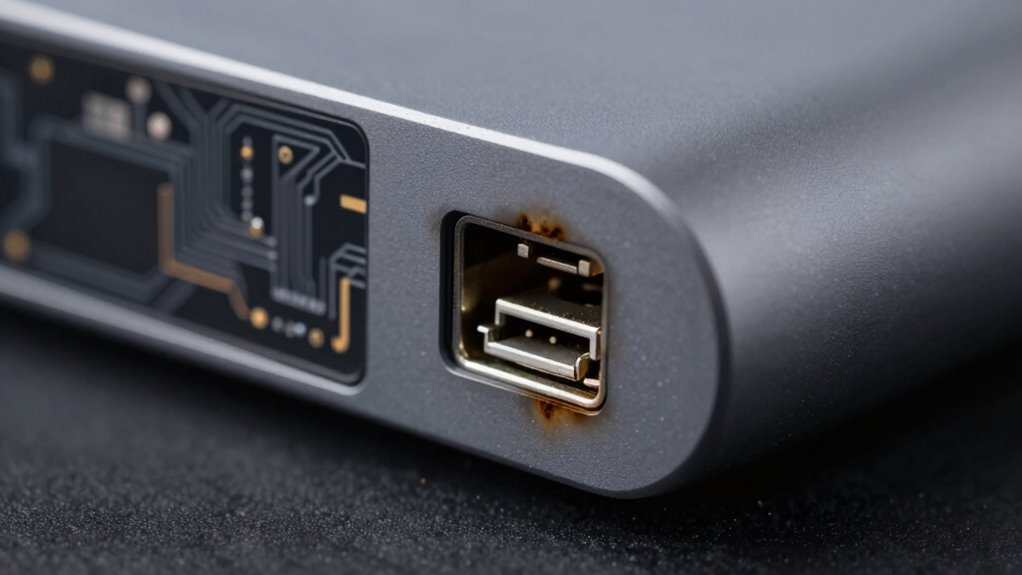
When a power surge occurs, your electronic devices can suffer immediate damage or develop long-term issues that aren’t immediately visible. A power surge is a sudden increase in voltage that flows through your electrical system, often caused by lightning strikes, faulty wiring, or issues with the power grid. While it might seem like the outage itself is the biggest threat, the real danger often lies in what happens during the surge. That’s because surges can overload your device’s circuitry, causing irreversible damage or degrading components over time. This is why circuit protection is essential—it’s your first line of defense against these unpredictable voltage spikes. Proper circuit protection devices like surge protectors are designed to absorb or block excess voltage, preventing it from reaching sensitive electronics. Without them, your devices are vulnerable to the full force of the surge, which can fry delicate circuits instantly or weaken them gradually.
The tricky part about surge recovery is that the damage isn’t always obvious right away. When the power comes back on after an outage, you might notice your devices aren’t working properly or have a strange malfunction. But even if they seem fine, internal components might have suffered micro-damage that causes problems down the line. It’s similar to a runner who feels okay immediately after a minor injury, only to experience persistent issues later. During a surge, the excessive voltage can generate heat and stress inside your device’s circuitry, leading to weakened solder joints, damaged capacitors, or burned-out transistors. These issues may not show up immediately, but they make your electronics more susceptible to failure over time. That’s why surge recovery isn’t just about restoring power; it’s about preventing ongoing damage. Recognizing the importance of circuit protection can significantly reduce the risk of long-term harm to your devices. Additionally, understanding how electronic components respond to voltage spikes can help in choosing the most effective protective measures. Regular maintenance and inspection of your protective devices are also crucial in damage prevention. Furthermore, being aware of the signs of electronic component stress can assist you in acting before a complete failure occurs.
Power surges can also cause secondary problems that are harder to detect. For instance, a surge might trip a circuit breaker temporarily, but it could also cause subtle damage to the internal wiring or components that aren’t immediately apparent. Over time, this damage accumulates, shortening the lifespan of your electronics or causing unpredictable failures. Proper circuit protection measures, like high-quality surge protectors and uninterruptible power supplies, help mitigate these risks. They absorb or divert the excess energy, giving your devices a safer environment to operate in. Yet, even the best protection isn’t foolproof, and surges can sometimes overwhelm these defenses, making it vital to regularly check and replace your protective devices. Ultimately, understanding that surge recovery can be more damaging than the outage itself underscores the importance of proactive circuit protection and timely replacement of damaged equipment.
As an affiliate, we earn on qualifying purchases.
Frequently Asked Questions
How Do Surges Damage Sensitive Electronic Components?
Voltage spikes from surges can damage your sensitive electronic components by overwhelming their internal circuitry. When a surge occurs, it forces excessive current into your devices, potentially burning out delicate parts like microchips and capacitors. Even after the power returns to normal, the internal circuitry may have already suffered stress or damage, leading to long-term issues or complete failure of your electronics. Protecting against surges is essential for device longevity.
Can Surge Protectors Completely Prevent Electronic Damage?
Surge protectors can’t completely prevent electronic damage because voltage fluctuations can sometimes exceed their capacity. They provide significant protection during power spikes, but extreme surges or prolonged instability can still cause harm. To guarantee better power stability, consider using additional measures like uninterruptible power supplies (UPS) or whole-house surge protectors. These help reduce the risk of damage, but no solution is entirely foolproof against all electrical surges.
What Are Signs of Surge Damage in Electronics?
Signs of surge damage include unexpected device shutdowns, flickering screens, or a burning smell. You might notice power fluctuations or sudden voltage spikes causing irregular operation. Sometimes, your electronics won’t turn on at all or exhibit persistent errors. If your device shows these symptoms after a storm or power surge, it’s likely suffered damage. Always inspect for visible damage and consider professional testing to confirm.
How Long Should Electronics Be Unplugged After a Surge?
You should unplug your electronics for at least 24 to 48 hours after a surge to allow the power grid stability to improve and reduce residual voltage. This waiting period helps protect your devices, especially if surge event frequency has been high recently. During this time, avoid using surge protectors that might be overwhelmed. Giving your electronics time to recover minimizes potential damage caused by lingering voltage fluctuations.
Are Certain Devices More Vulnerable to Surge Recovery Issues?
Yes, certain devices are more vulnerable to surge recovery issues because of their device vulnerability and surge susceptibility. Sensitive electronics like computers, flat-screen TVs, and audio equipment often have delicate components that can be damaged during power fluctuations. These devices may experience more surge recovery problems due to their internal circuitry, making them prone to electrical stress. To protect your devices, consider using surge protectors and unplugging them during outages or surges.
electronic circuit surge protection
As an affiliate, we earn on qualifying purchases.
As an affiliate, we earn on qualifying purchases.
Conclusion
When it comes to electronics, surge recovery can be more challenging than the outage itself. You might think once the power stabilizes, everything’s fine, but surges can silently damage sensitive components. Always stay vigilant and protect your devices with surge protectors. Remember, it’s better to be safe than sorry—sometimes, the true trouble lies in what you can’t see. Keep your electronics guarded, and you’ll avoid headaches down the road.
As an affiliate, we earn on qualifying purchases.
As an affiliate, we earn on qualifying purchases.
Halloween Picks
halloween
As an affiliate, we earn on qualifying purchases.