
Many people forget to check essential generator components until it’s too late. You should regularly inspect and replace oil and filters, test the battery, examine spark plugs and ignition parts, verify fuel system integrity, monitor coolant levels, and perform load testing. Skipping these steps can lead to unexpected failures and costly repairs. Staying on top of these six maintenance checks ensures your generator stays reliable when you need it most. Keep going to learn how to keep your generator in top shape.

Get backup power and energy gear delivered free — and shop member deals
- Fast, free delivery on millions of items
- Access to Prime Big Deal Days deals on October 6–7
- Prime Video, Amazon Music and more included
Key Takeaways
- Many neglect regular oil and filter changes, risking engine wear and costly damage.
- Battery and charging system inspections are often overlooked, leading to startup failures.
- Fuel system checks for contamination and leaks are frequently skipped, causing engine issues.
- Cooling system maintenance, including coolant levels and leaks, is commonly ignored until overheating occurs.
- Load and operational testing are often postponed, risking generator failure under real-world demands.
generator oil filter replacement kit
As an affiliate, we earn on qualifying purchases.
As an affiliate, we earn on qualifying purchases.
Checking and Replacing Oil and Oil Filters

Have you checked your generator’s oil and filters recently? Regularly inspecting the oil filter is essential to keep your generator running smoothly. A clogged or dirty oil filter can hinder oil flow, leading to engine wear or failure. During an oil change, make sure to replace the oil filter to guarantee ideal filtration and protect your engine. Don’t skip this step, as it’s crucial for maintaining proper lubrication and preventing buildup of debris. Check the oil level and quality regularly, especially before heavy use or during seasonal changes. Changing the oil and oil filter at recommended intervals keeps your generator efficient and extends its lifespan. Staying proactive with these simple checks can save you from costly repairs down the line. Additionally, understanding the importance of filter maintenance can help you avoid unexpected breakdowns and ensure optimal performance. Proper generator care and hygiene standards for body jewelry can also prevent infections that might compromise your health and comfort. Regular inspections are also vital to identify wear and tear early before they cause significant issues.
generator battery tester multimeter
As an affiliate, we earn on qualifying purchases.
As an affiliate, we earn on qualifying purchases.
Inspecting and Testing the Battery
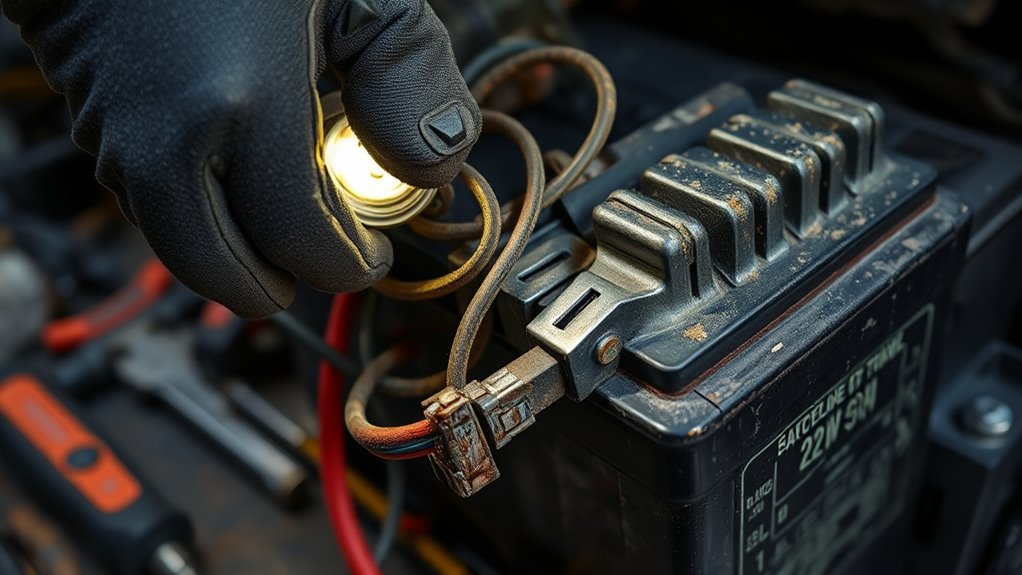
Start by checking the battery voltage to verify it’s within the proper range. Then, test the charging system to confirm it’s functioning correctly. Finally, inspect the terminals for corrosion or loose connections to prevent starting issues. Regularly monitor system performance to ensure your generator operates reliably during emergencies. Additionally, performing preventive maintenance can help identify potential problems before they lead to failure. Incorporating routine diagnostic checks can further improve overall system reliability.
Check Battery Voltage
Wondering how to guarantee your generator’s battery is ready to perform? Start by checking the battery voltage with a reliable multimeter. A healthy battery should read around 12.6 volts when fully charged. Watch out for voltage fluctuation, which indicates potential issues. Also, inspect for signs of battery corrosion around the terminals; corrosion can cause poor connections and inaccurate readings. If you notice corrosion, clean it carefully using a mixture of baking soda and water. Regularly monitoring the voltage helps catch problems early, preventing unexpected failures. Keep in mind that a sudden drop in voltage or inconsistent readings can signal a failing battery or that it needs charging. Staying proactive with voltage checks ensures your generator runs smoothly when you need it most. Additionally, sustainable maintenance practices are increasingly important to extend battery lifespan and reduce environmental impact. Incorporating solar-powered security solutions can also support your backup power systems by providing reliable, eco-friendly monitoring options. Regularly scheduling these checks as part of your preventive maintenance routine can greatly improve your generator’s reliability, especially when combined with proper storage to protect against extreme weather conditions. Moreover, staying informed about AI discoveries related to battery technology can help you adopt emerging innovations for better energy management.
Test Charging System
To guarantee your generator’s charging system is functioning properly, you should inspect and test the battery’s charging output. Begin by checking the alternator function, ensuring it produces the correct voltage when the engine is running—typically around 13.8 to 14.4 volts. Use a multimeter to measure the voltage at the battery terminals; a low reading indicates the alternator isn’t charging properly. Next, examine the wiring connections between the alternator and battery, making sure they are secure, free of corrosion, and undamaged. Faulty wiring can disrupt the charging process, leaving your battery undercharged and potentially causing startup failures. Regularly testing the charging system helps identify issues early, preventing unexpected breakdowns. Proper inspection of the alternator function and wiring connections keeps your generator running smoothly. Additionally, understanding alternator function and how it impacts your generator can help you troubleshoot problems more effectively, especially regarding charging system issues. Maintaining clean and tight connections ensures optimal electrical flow, reducing the risk of voltage drops that can impair charging efficiency. Regular testing also helps to identify and address corrosion on connections that can hinder electrical performance.
Inspect Battery Terminals
Inspecting your battery terminals is a crucial step in maintaining your generator’s reliability. You should regularly check for corrosion, which can hinder electrical flow and lead to starting issues. Look for a white, powdery substance around the terminals; if you see it, it’s time for terminal cleaning. To prevent corrosion, apply a protective coating or terminal protectant after cleaning. When inspecting, ensure the terminals are tight and secure, avoiding loose connections that can cause voltage drops. Clean the terminals using a wire brush or a mixture of baking soda and water to remove any corrosion buildup. Proper terminal cleaning and corrosion prevention help maintain a solid electrical connection, ensuring your generator starts smoothly when you need it most. Regularly inspecting these components keeps your system dependable. Additionally, understanding how battery chemistry affects terminal corrosion can help you choose the right maintenance practices to extend your battery’s lifespan and prevent costly repairs. Moreover, performing regular maintenance checks can identify potential issues before they escalate, saving you time and money in the long run. Incorporating routine inspections of battery terminals into your maintenance schedule is essential for maintaining overall generator performance. Regularly monitoring the state of charge can also prevent unexpected failures and prolong your battery’s life.
generator fuel system inspection tool
As an affiliate, we earn on qualifying purchases.
As an affiliate, we earn on qualifying purchases.
Examining Spark Plugs and Ignition Components
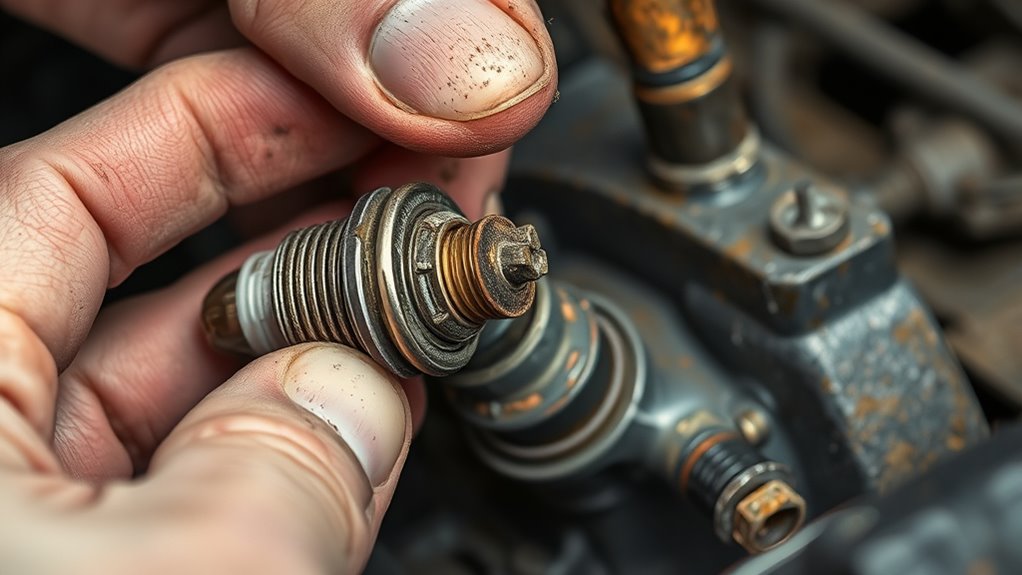
Examining spark plugs and ignition components is a crucial step in maintaining your generator’s performance. You should check the spark plug gap, ensuring it matches manufacturer specifications for ideal ignition. A misaligned gap can cause misfires and power issues. Additionally, inspect the ignition coil testing results; weak or faulty coils reduce spark strength, leading to poor engine operation. When examining these parts, look for signs of wear, corrosion, or carbon buildup. Regular testing and adjustment help prevent unexpected breakdowns. It’s also important to understand safety precautions when working on your generator to avoid injury. Proper navigation and mapping of internal components can help identify issues more effectively. Understanding the generator’s electrical system can assist in diagnosing complex ignition problems. Incorporating preventive maintenance can extend the lifespan of your generator and ensure reliable operation. Regularly consulting your generator’s owner’s manual helps ensure all procedures are performed correctly. Here’s a quick overview:
| Component | Inspection Focus | Common Issue |
|---|---|---|
| Spark plug | Spark plug gap, wear | Misfire, poor combustion |
| Ignition coil | Coil testing, cracks | Weak spark, failure |
| Spark plug wires | Connection, insulation | Arcing, resistance |
| Ignition module | Functionality check | Ignition failure |
coolant level tester for generators
As an affiliate, we earn on qualifying purchases.
As an affiliate, we earn on qualifying purchases.
Verifying Fuel System Integrity and Fuel Quality
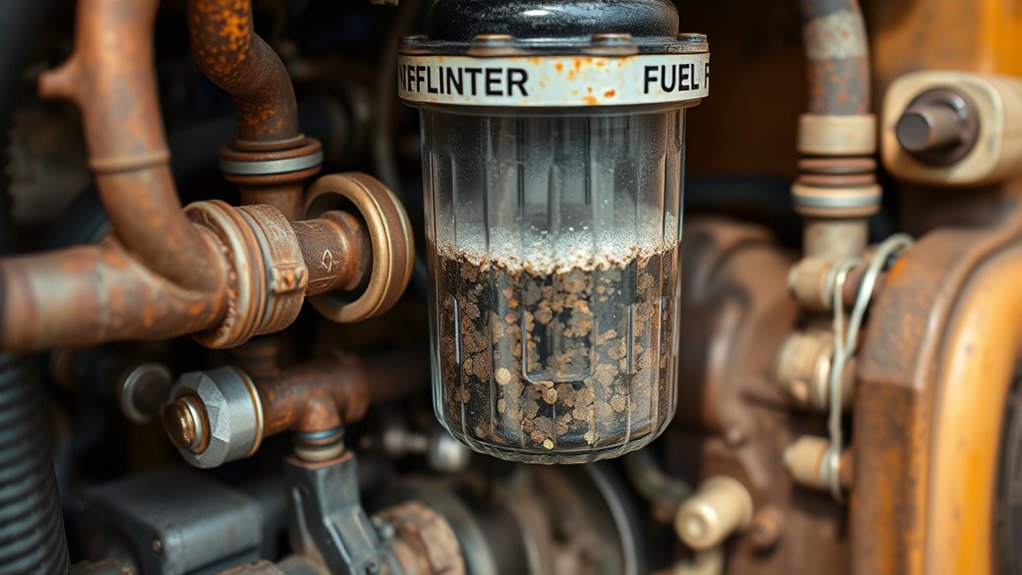
You need to make certain your fuel system is free from contamination and leaks, as these issues can cause engine problems or failures. Regularly check for signs of fuel contamination, such as sediment or water, and inspect all connections for leaks. Addressing these concerns promptly guarantees your generator runs smoothly when you need it most. Incorporating proper maintenance procedures can further extend your generator’s lifespan and ensure optimal performance. Additionally, using high-quality fuel and implementing fuel filtration can help prevent buildup and maintain fuel integrity over time.
Fuel Contamination Risks
Fuel contamination remains a significant risk that can compromise generator performance and lead to costly repairs. Contaminated fuel can cause clogging, corrosion, and reduced efficiency. To prevent this, regularly verify fuel system integrity and check fuel quality. Pay attention to fuel additive effectiveness, as proper additives can inhibit microbial growth and keep fuel clean. Ensuring fuel storage safety is vital; store fuel in sealed, appropriate containers away from moisture and temperature extremes. Regularly test fuel samples for signs of contamination like water or sediment. Maintaining these practices helps you detect issues early, avoiding engine failure and costly downtime. By staying vigilant about fuel contamination risks, you protect your generator’s reliability and extend its service life, saving you money and ensuring continuous operation when you need it most.
Fuel System Leak Checks
Regularly checking the fuel system for leaks is essential to maintaining generator reliability. Start with a thorough fuel line inspection, looking for cracks, corrosion, or signs of seepage. Leaking fuel lines can lead to dangerous fires or complete system failure. Next, ensure the fuel filter is clean and replace it if it shows signs of clogging or deterioration. A clogged filter reduces fuel flow and can cause engine misfires or stalls. Tighten fittings and connections to prevent leaks, and use soapy water to detect any bubbling that indicates leaks. Consistent leak checks help you catch issues early, saving costly repairs and avoiding unexpected breakdowns. Proper maintenance of the fuel system guarantees your generator runs smoothly when you need it most.
Testing the Cooling System and Coolant Levels
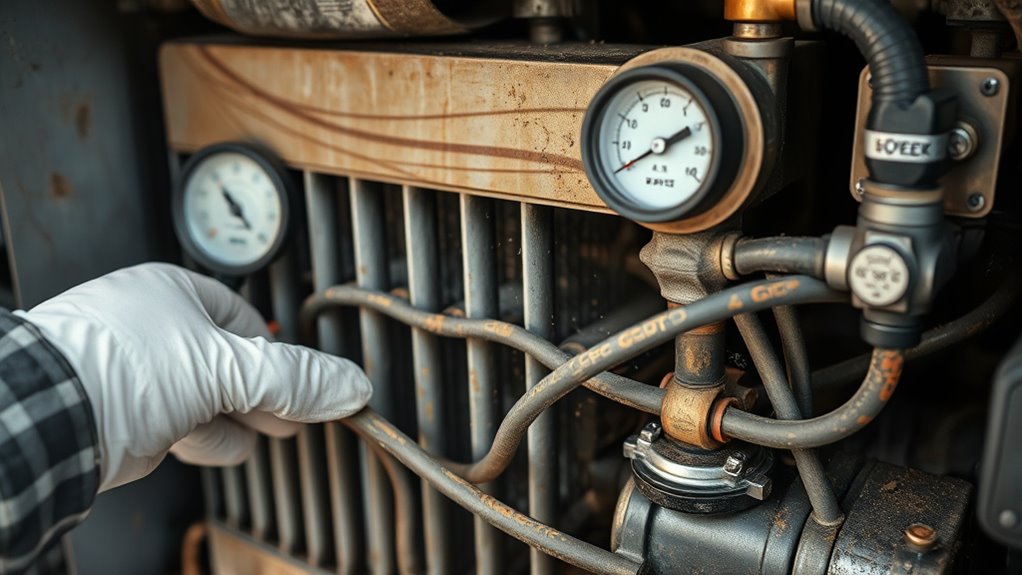
Testing the cooling system and coolant levels is an essential step in guaranteeing your generator operates smoothly and efficiently. You need to regularly check for coolant leaks, which can cause overheating, and confirm the thermostat functions correctly to regulate temperature. If the thermostat isn’t working, your generator may run too hot or too cold, risking damage.
Here’s a quick overview:
| Step | What to Do | Why It Matters |
|---|---|---|
| Check coolant levels | Guarantee coolant is at recommended level | Prevents overheating |
| Inspect for leaks | Look for puddles or wet spots | Detects coolant leaks early |
| Test thermostat | Verify it opens/closes properly | Maintains ideal temperature |
| Top off coolant | Add coolant if needed | Keeps system balanced |
| Review system pressure | Make sure pressure is within range | Avoids system failure |
Conducting Load Testing and Operational Checks
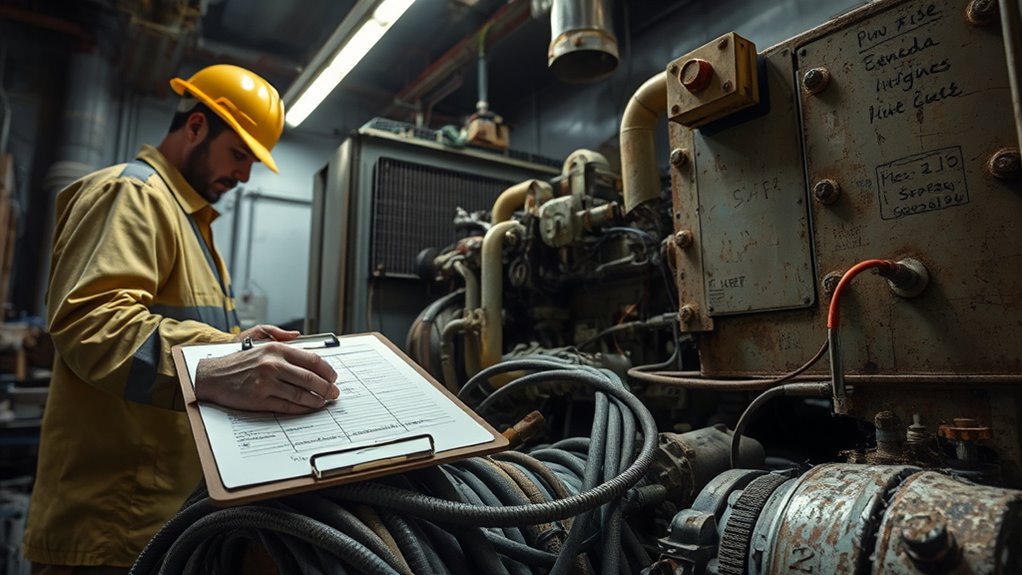
Have you ever wondered if your generator can handle the actual load it’s designed for? Conducting load testing and operational checks helps you determine this. By simulating real-world conditions, you verify that your generator’s power output meets expectations without overloading it. Regular load testing extends your generator’s lifespan by identifying potential issues early, preventing unexpected failures. During these checks, monitor how well the generator responds under full load, ensuring it maintains stable voltage and frequency. If it struggles or fluctuates, it’s a sign to perform maintenance or repairs before critical use. These tests confirm your generator’s reliability, saving you from costly downtime and preserving its ability to deliver consistent power when you need it most.
Frequently Asked Questions
How Often Should I Schedule Professional Generator Inspections?
You should schedule professional generator inspections at least once a year, or more often if you use your generator heavily. Regular checkups help maintain fuel efficiency and keep noise levels in check, preventing costly breakdowns. During inspections, professionals can identify issues early, ensuring your generator runs smoothly when you need it most. Staying proactive with maintenance guarantees you money and ensures reliable power during outages.
What Are Signs of a Failing Generator That I Shouldn’T Ignore?
You shouldn’t ignore signs like strange noises, reduced power, or difficulty starting your generator. Check for low generator oil levels and signs of battery corrosion, which can cause starting issues. If you notice engine overheating or unusual smells, address them promptly. Regular maintenance helps catch these problems early, preventing costly breakdowns. Stay attentive to these warning signs, and schedule professional inspections to keep your generator running smoothly.
Can I Perform Maintenance Tasks Myself or Should I Hire a Technician?
You can perform basic DIY maintenance tasks like checking oil levels, inspecting filters, and cleaning vents if you feel confident. However, for complex issues or troubleshooting, it’s best to seek technician assistance. Regularly scheduled professional maintenance guarantees your generator runs efficiently and safely, preventing costly repairs later. When in doubt, hiring a qualified technician helps keep your generator in top shape, giving you peace of mind during power outages.
What Are the Most Common Generator Issues During Winter or Extreme Weather?
During winter or extreme weather, you might face generator issues like fuel quality problems causing poor combustion, or battery corrosion leading to startup failures. Cold temperatures can thicken fuel, clogging filters, while moisture buildup accelerates battery corrosion, reducing power. Regularly inspecting fuel filters and battery terminals helps prevent these issues. Keep the generator in a sheltered spot and perform timely maintenance to guarantee reliable operation during harsh conditions.
How Can I Prolong My Generator’s Lifespan With Proper Maintenance?
You can dramatically extend your generator’s lifespan by sticking to proper maintenance routines. Regularly check and maintain fuel quality—bad fuel can cause catastrophic failures. Keep oil levels topped up and change the oil as recommended; neglecting this can lead to engine wear that’s beyond repair. By staying proactive with these simple steps, you’ll prevent costly breakdowns, ensuring your generator runs smoothly and lasts for years to come.
Conclusion
Skipping these essential generator checks might seem minor now, but it could lead to unexpected surprises when you need power most. Regular maintenance acts as a gentle reminder to keep everything running smoothly, helping you avoid inconvenient setbacks. By paying attention to these often-overlooked steps, you’re investing in peace of mind and reliability. Don’t wait for a small issue to become a big problem—stay proactive and keep your generator in top shape.
Fall Picks
fall essentials
As an affiliate, we earn on qualifying purchases.