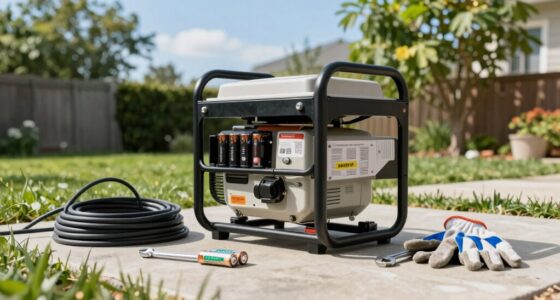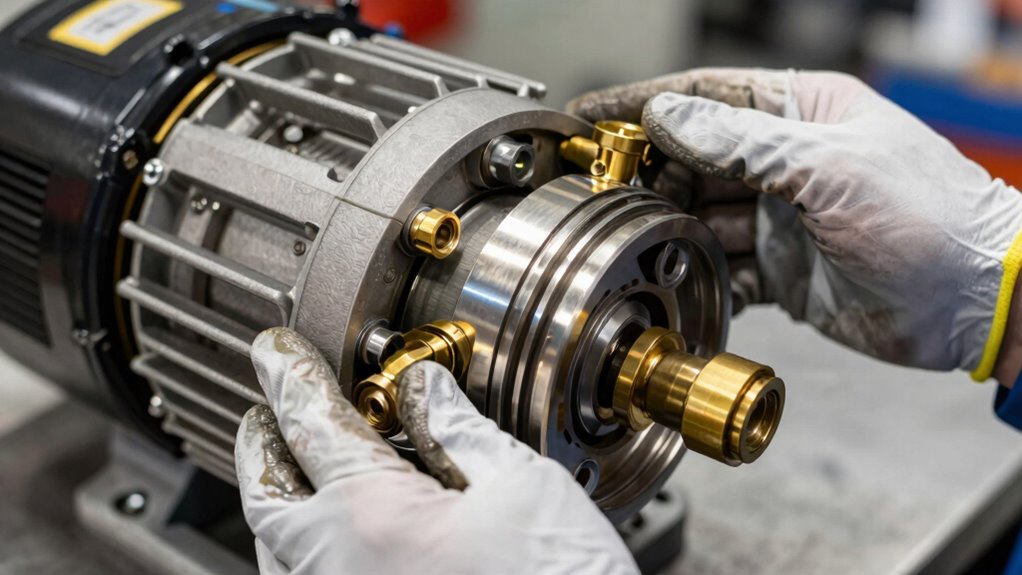

To guarantee your generator runs smoothly when you need it, you should follow a proper break-in process. This involves starting the engine, running it at low to moderate loads, and gradually increasing workload without overloading it early on. Monitoring performance, checking oil levels, and following manufacturer guidelines help minimize damage and improve efficiency long-term. If you keep these steps in mind, you’ll keep your generator reliable and quiet for years; learn more to master the details.
Listen free for 30 days with Audible
Thousands of audiobooks and originals — cancel anytime.
As an affiliate, we earn on qualifying purchases.
Key Takeaways
- Break-in optimizes engine parts for smoother operation, fuel efficiency, and noise reduction.
- Start with low loads immediately after initial startup, gradually increasing over several hours.
- Use proper fuel, check oil levels, and follow manufacturer guidelines during break-in.
- Avoid excessive loads early; overloading can cause overheating and premature wear.
- Regular post-break-in maintenance, like oil changes and inspecting components, ensures long-term performance.

Porch Shield Generator Cover for 5500-15000W, 38 x 28 x 30 inch, Black
- Compatibility: Fits 5500W to 15000W generators
- Premium Material: 600D water-resistant polyester fabric
- All-Weather Protection: Resists sun, rain, snow, wind, dust, dirt
As an affiliate, we earn on qualifying purchases.
Understanding the Purpose of Generator Break-In
Have you ever wondered why new generators require a break-in period? It’s essential to understand that this process helps optimize fuel efficiency and noise reduction. During break-in, the engine’s moving parts settle, creating a smoother operation. This settling minimizes friction and wear, which can otherwise cause inefficiencies or increased noise over time. Properly breaking in your generator ensures that it runs as quietly as possible while using fuel efficiently. Without this initial period, you might notice more noise and higher fuel consumption, leading to quicker wear and potential breakdowns. The break-in process allows components to adapt to each other, resulting in a generator that performs reliably and quietly when you need it most. Following manufacturer recommendations and proper maintenance during this period can further extend the lifespan of your generator. Additionally, understanding the break-in process can help you identify early signs of issues, preventing costly repairs later on. Initiating a proper break-in can also help prevent early engine failure caused by improper seating of engine components. Moreover, adhering to recommended break-in procedures can improve the overall engine performance, ensuring your generator operates at peak efficiency over its lifespan. Properly conducting the break-in period can also enhance long-term durability and reduce the likelihood of needing repairs down the line.
Porch Shield Generator Cover for 5000-10000W, 32 x 24 x 24 inch, Black
- Compatibility: Fits 5000-10000W generators
- Durable Material: 600D water-resistant polyester fabric
- All-Around Protection: Protects against sun, rain, snow, dust
As an affiliate, we earn on qualifying purchases.
When to Start the Break-In Process
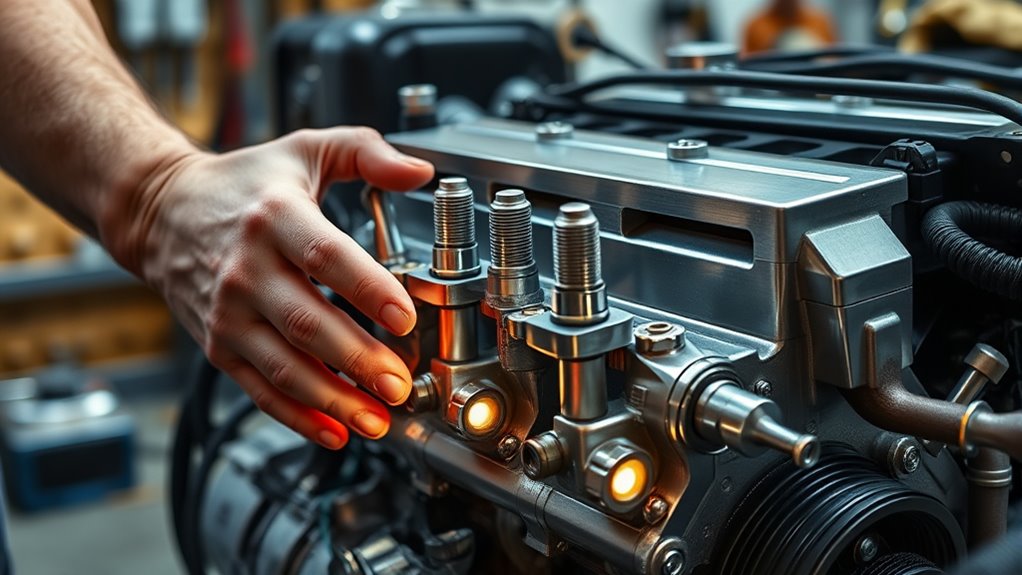
You should begin the break-in process immediately after you first start using your new generator. Starting early helps optimize fuel efficiency and noise reduction over time. During the initial hours, keep the load moderate to allow parts to settle smoothly. To guarantee proper break-in, focus on these key points:
- Vary the load periodically to promote even wear
- Avoid high RPM settings to prevent stress
- Run the generator for several hours without interruption
- Ensure proper ventilation to maintain safe operating conditions during break-in
- Incorporate connected technology features when possible to monitor performance and identify potential issues early
- Follow safety checklists to prevent hazards during initial operation
- Maintain proper oil levels to ensure engine components are adequately lubricated during the break-in period. Additionally, monitor engine temperature closely to prevent overheating and ensure optimal performance during this critical phase.
Preparing Your Generator for Break-In
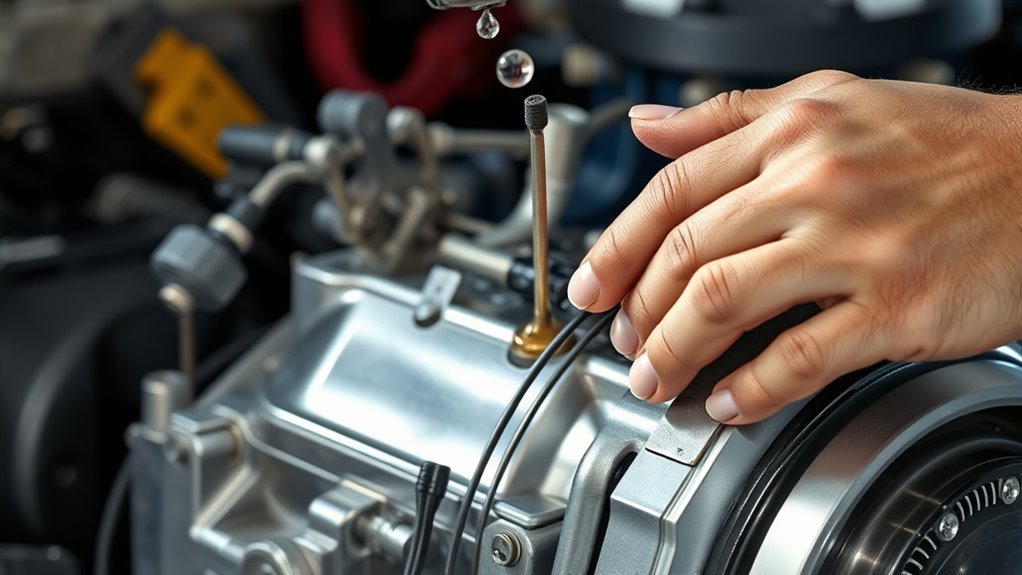
Properly preparing your generator before starting the break-in process guarantees it operates smoothly from the beginning. First, verify it’s placed on a stable, level surface to prevent uneven wear. Check the oil level and top it off if needed, as proper lubrication enhances fuel efficiency and reduces unnecessary noise during operation. Use fresh, high-quality fuel to prevent deposits that can hinder performance. Before powering up, inspect all connections, filters, and ventilation areas to verify they’re clean and secure. Setting up in a well-ventilated area minimizes noise and improves overall efficiency. Taking these steps helps your generator run more quietly and efficiently during break-in, establishing a solid foundation for peak performance when you need it most. Additionally, ensuring the fuel system is free of contaminants contributes to smoother operation and longevity. Regularly checking the engine oil levels and quality also aids in maintaining optimal performance throughout the break-in period. Understanding the importance of engine components during break-in can prevent potential issues later on. It’s also beneficial to monitor temperature and pressure to ensure all parts are functioning correctly during initial runs. Proper monitoring of thermal behavior helps identify any early signs of stress or malfunction, supporting a successful break-in.
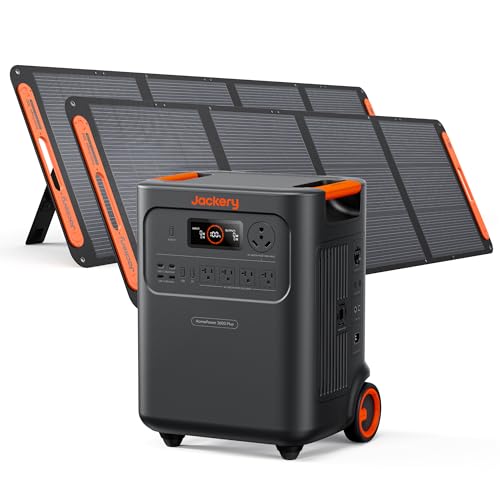
Jackery HomePower 3600 Plus Portable Power Station with 2X 200W Solar Panels, 3600W AC Output, 3584Wh LFP Solar Generator, Expandable up to 21kWh, Essential Home Backup for Home Use, Emergencies, RV
- High Power Output: 3600W AC output for home appliances
- Expandable Capacity: Up to 21kWh with multiple units
- Dual Voltage Support: 120V & 240V in parallel
As an affiliate, we earn on qualifying purchases.
Step-by-Step Guide to Breaking In Your Generator

With your generator prepped and ready, it’s time to follow a clear, step-by-step process to break it in properly. First, start the engine and let it run at a low load for about 30 minutes. Next, gradually increase the load in small increments, avoiding sudden surges. Additionally, running the generator under typical operating conditions for a few hours helps components settle, ensuring optimal performance and longevity. This process promotes better fuel efficiency and noise reduction over time. Remember, don’t push the generator too hard early on, as this can cause unnecessary wear. Focusing on a gentle, steady break-in ensures smoother operation and longer lifespan. It’s also beneficial to monitor vibration levels during this period to identify any early issues that may need attention. Keep the environment quiet during this process to monitor noise levels and assess how the generator settles into its ideal performance. Incorporating energy-efficient practices during operation can further enhance overall efficiency and sustainability. Additionally, following manufacturer guidelines for break-in procedures can help optimize performance from the start. Paying attention to proper lubrication throughout the process can also extend the generator’s service life and maintain optimal functioning.
Common Mistakes to Avoid During Break-In
Avoid ignoring your generator’s manufacturer guidelines, as skipping these can cause damage early on. Don’t load your generator too much too soon; applying excessive load can strain the engine. Also, neglecting regular oil changes during break-in can lead to poor performance and long-term issues. Proper installation practices are essential, as improper setup can cause operational problems and reduce the lifespan of your generator. Additionally, understanding engine break-in procedures can ensure your generator runs smoothly and reliably over time. Being aware of manipulation tactics can also help you recognize and prevent potential sabotage or misuse during critical periods. Remember, following proper maintenance routines during break-in is crucial for optimal performance and durability.
Overlooking Manufacturer Guidelines
Many new generator owners make the mistake of ignoring the manufacturer’s break-in instructions, which can lead to serious issues down the line. Skipping these guidelines may void your warranty and cause premature wear. To avoid this, follow these key points:
- Read and adhere strictly to the manufacturer instructions for break-in procedures.
- Use recommended oil types and change them at specified intervals.
- Avoid exceeding recommended RPMs or loads during the initial run.
- Cultivating a methodical approach to following manufacturer guidelines helps ensure long-term generator performance.
Using Excessive Load Early
Exceeding the recommended load during the initial break-in period can cause significant damage to your generator. Overloading early puts unnecessary strain on engine components that haven’t yet fully seated or broken in. This excessive load can lead to overheating, increased wear, and even premature failure. It’s tempting to test your generator’s capacity, but doing so too soon risks compromising its long-term performance. Always start with a light load and gradually increase as the manual advises. Avoid the mistake of applying excessive load right away, as it can undo the careful break-in process. Remember, patience during this phase ensures that your generator develops a smooth, reliable operation when you need it most. Properly managing load during break-in is key to a durable, efficient generator.
Neglecting Regular Oil Changes
Neglecting regular oil changes during the break-in period can seriously harm your generator’s engine. Fresh oil lubricates moving parts, reduces friction, and helps remove debris. Skipping scheduled oil changes can lead to increased wear and potential engine failure. To avoid this, follow your maintenance schedule diligently. Key points include:
- Change the oil at recommended intervals to ensure proper lubrication.
- Use the correct oil type specified by the manufacturer.
- Inspect oil quality regularly and replace it if it appears dirty or degraded. Regular oil analysis can also help monitor engine health and detect issues early.
Ignoring these steps can cause engine parts to wear prematurely, reducing lifespan and performance. Proper maintenance during break-in is essential for a smooth-running generator when you need it most. Staying mindful of oil quality and adhering to manufacturer guidelines will help maintain optimal engine health. Stay on top of your maintenance schedule to keep your generator reliable and efficient for years to come.
Monitoring Your Generator’s Performance
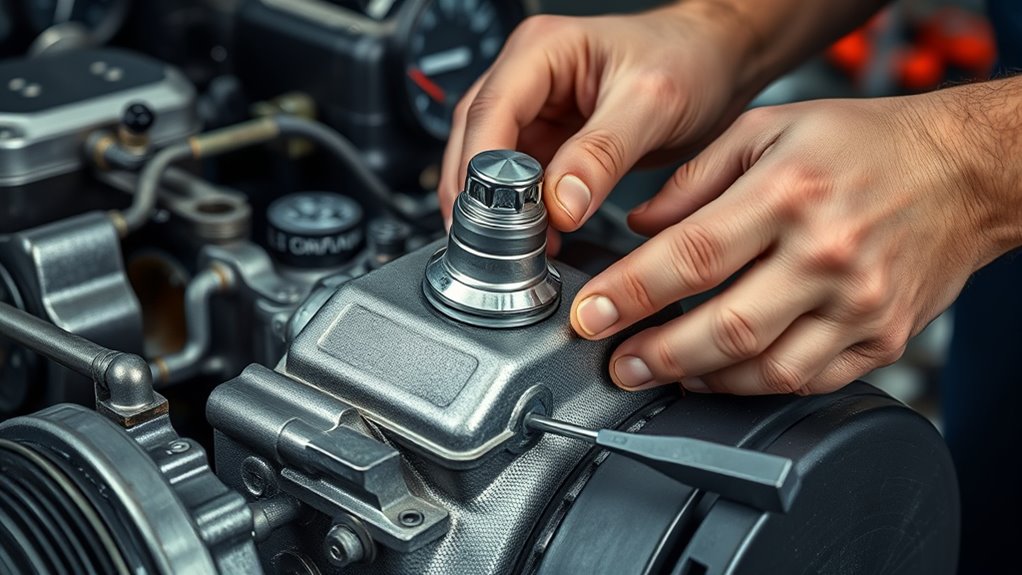
Monitoring your generator’s performance is crucial to guarantee it runs smoothly during break-in and beyond. Pay close attention to fuel efficiency, making sure your generator isn’t consuming more fuel than necessary, which can indicate underlying issues. Keep an eye on noise levels; unusual or loud noises may signal mechanical problems or improper break-in procedures. Regularly check gauges and indicators for temperature, oil pressure, and voltage output to catch early signs of trouble. Listen for irregular sounds or vibrations that could lead to more significant damage if ignored. Tracking these factors helps you identify problems early, allowing for timely adjustments. Consistent monitoring ensures your generator remains reliable, efficient, and ready when you need it most.
Post-Break-In Maintenance Tips
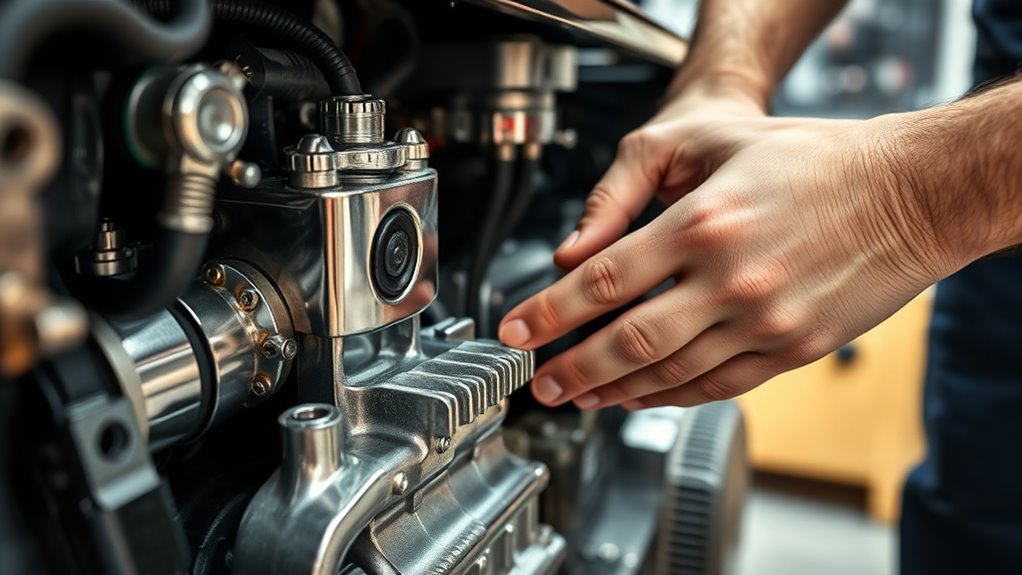
After breaking in your generator, it’s important to keep it running smoothly with regular maintenance. You should change the oil frequently, check the spark plug for wear, and inspect the fuel system for leaks or clogs. Staying on top of these tasks guarantees your generator stays reliable when you need it most.
Change Oil Regularly
Regularly changing your generator’s oil is essential to keep it running smoothly after the break-in period. Fresh oil reduces wear and prevents buildup that can harm engine components. When performing an oil change, also consider filter replacement to improve oil flow and filtration efficiency. Keep these tips in mind:
- Change the oil at least every 50 hours of use or as recommended by your manufacturer.
- Replace the oil filter each time you do an oil change to prevent debris from circulating.
- Use the correct oil type and viscosity specified for your generator model.
Consistent maintenance ensures peak performance and longevity. Skipping these steps can lead to reduced efficiency and costly repairs down the line. Make oil change and filter replacement part of your regular maintenance routine for reliable operation.
Check Spark Plug
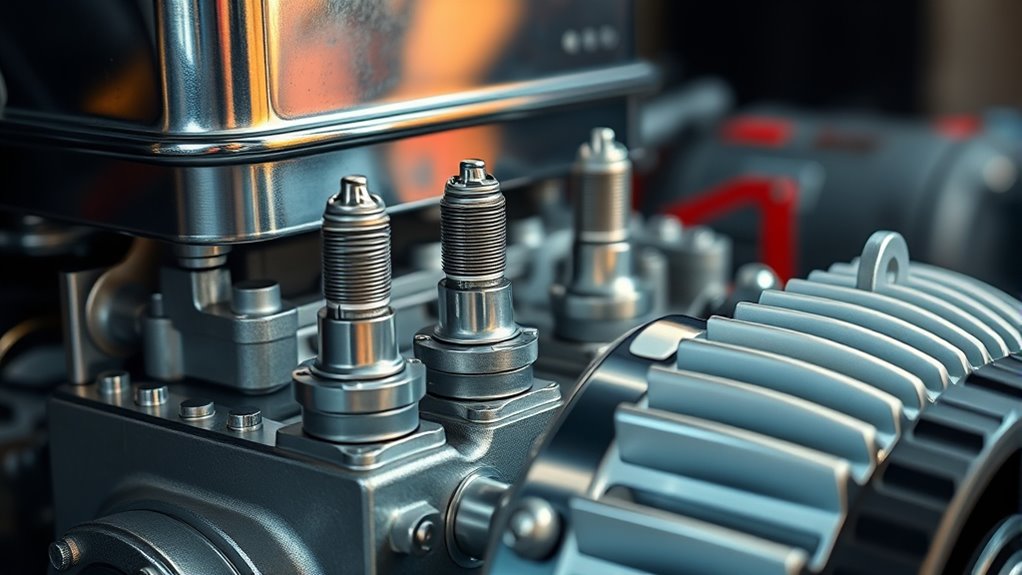
Once you’ve completed your oil change and replaced the filter, it’s a good idea to inspect the spark plug. Start by removing it and performing a spark plug inspection to check for signs of wear, carbon buildup, or damage. A clean, properly gapped spark plug ensures efficient ignition and smooth generator operation. If the spark plug looks dirty or worn out, consider replacing it to maintain peak performance. Regular spark plug inspection after the break-in helps catch potential issues early, preventing misfires or power loss. When replacing the spark plug, always use the recommended type and gap it correctly as per your generator’s manual. Keeping the spark plug in good condition contributes greatly to the longevity and reliable start-up of your generator.
Inspect Fuel System
Have you checked your fuel system lately? Ensuring it’s clean and functioning properly is key for reliable generator operation. Start by inspecting the fuel filter; a clogged filter can restrict flow and cause performance issues. Next, verify fuel quality—use fresh, clean fuel to prevent deposits that can clog components. Finally, consider the following steps:
- Replace the fuel filter if it appears dirty or hasn’t been changed recently.
- Drain old fuel and refill with fresh fuel to maintain ideal fuel quality.
- Check fuel lines for cracks or leaks, ensuring proper delivery to the engine.
Maintaining a clean fuel system helps your generator run smoothly and prolongs its lifespan, especially after break-in. Regular inspections prevent costly repairs and keep your power source dependable when you need it most.
Frequently Asked Questions
How Long Should the Break-In Process Last?
The break-in process should typically last about 8 to 20 hours of run time. During this period, you’ll want to monitor oil viscosity and engine temperature closely, making sure they stay within recommended ranges. Avoid high loads early on, and gradually increase usage. This helps the engine parts settle properly, reducing wear and tear, and ensures your generator runs smoothly when you need it most.
Can I Break in My Generator With Synthetic Oil?
Think of breaking in your generator like training a young athlete; you want smooth progress. You can use synthetic oil, but keep in mind the break-in compatibility. Synthetic oils often provide better protection, but some manufacturers recommend conventional oil during initial run-in because it helps seat the parts properly. Check your generator’s manual first to guarantee synthetic oil won’t interfere with the break-in process, guaranteeing a smooth, long-lasting performance.
What Noise Levels Are Normal During Break-In?
During break-in, you’ll notice some noise, but it should stay within normal noise levels for your generator. Expect a bit more sound during the initial hours, which is common. Conduct sound testing to make sure it stays within acceptable limits, and don’t worry if it’s louder at first—this will decrease as the parts settle. Keep an ear out for unusual sounds, and consult your manual if noise exceeds recommended levels.
Is It Necessary to Change Oil Immediately After Break-In?
Yes, you should change the oil immediately after the break-in period. During the break-in duration, your generator’s engine experiences increased oil consumption and wear as components settle. Changing the oil promptly helps remove any metal shavings or contaminants that can cause damage. This guarantees your generator runs smoothly and prolongs its lifespan, so don’t skip this vital step after the initial break-in.
How Often Should I Run the Generator During Break-In?
You should run your generator for about 15-30 minutes every few hours during break-in. This helps improve fuel efficiency and guarantees all parts get properly lubricated. Keep the load light to reduce noise and prevent unnecessary wear. Avoid running it continuously; instead, vary the runtime to allow the engine to settle. Regular short runs build a smooth, reliable operation when you need it most.
Conclusion
By gently guiding your generator through its initial journey, you’re setting the stage for smooth operation when it truly counts. Patience and careful attention now will help prevent future hiccups, allowing your unit to perform reliably when it’s needed most. Think of this break-in as a quiet promise to future you—ensuring the quiet strength and dependability of your generator, so you can focus on what truly matters without worry.
Back to school Picks
back to school
As an affiliate, we earn on qualifying purchases.