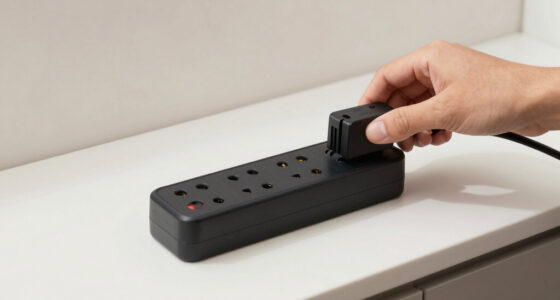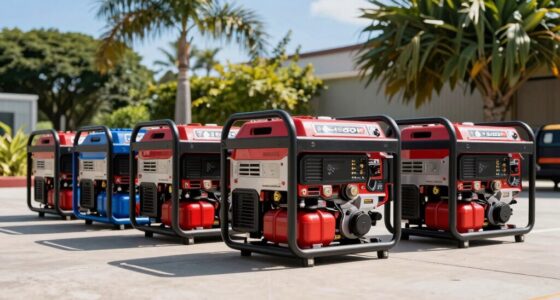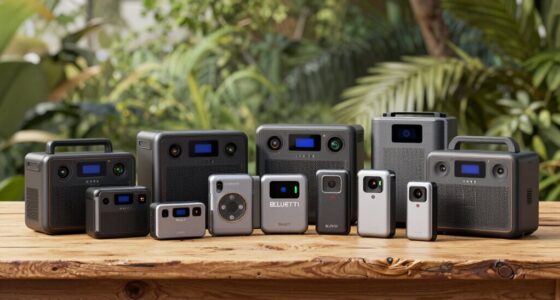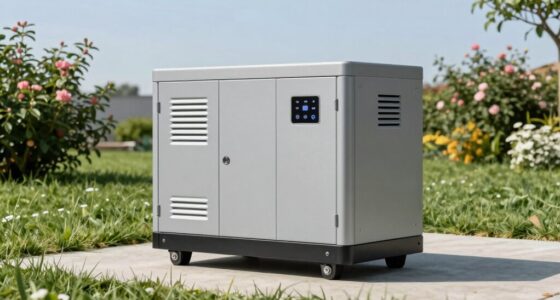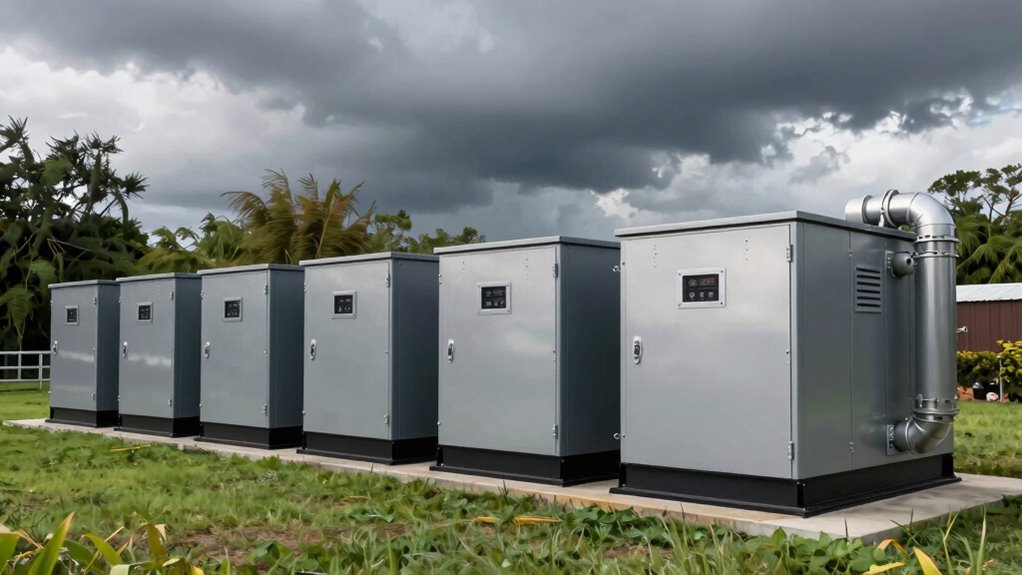
Preparing for hurricane season means ensuring your home stays powered even during outages. The best standby generator for hurricane season offers reliable, automatic power backup that kicks in when you need it most. The Honeywell 22kW stands out for its robust capacity, ideal for larger homes, while the Honeywell 14kW provides a more budget-friendly option suitable for smaller households. Key tradeoffs include balancing power output with upfront cost and installation complexity. Continue reading for a detailed breakdown of the top models and what makes each one a smart choice for storm preparedness.

Get backup power and energy gear delivered free — and shop member deals
- Fast, free delivery on millions of items
- Access to Prime Big Deal Days deals on October 6–7
- Prime Video, Amazon Music and more included
Complete the kit


Key Takeaways
- The highest power output doesn’t always mean better value if your home doesn’t need that much energy.
- Tri-fuel options provide flexibility in fuel sources, but may come with higher cost and maintenance complexity.
- Portability features are less relevant for permanent standby generators but matter for portable models.
- Automatic transfer switch features are vital for seamless power during outages, especially during storms.
- Installation complexity varies significantly; professional setup is often a must for true standby units.
| Honeywell 14kW Home Standby Generator |  | Best Overall for Reliable Whole-House Backup | Wattage: 14,000 watts | Fuel Type: Natural Gas, Propane | Power Source: Fuel Powered | VIEW ON AMAZON | See Our Full Breakdown |
| Honeywell 22kW Home Standby Generator | | Best for High Power & Sensitive Electronics | Power Output: 22kW | Engine: Generac G-Force | Technology: PrecisionPower | VIEW ON AMAZON | See Our Full Breakdown |
| Novus 4125W Inverter Generator with Wheels |  | Best for Portability & Outdoor Use | Starting Watts: 4125 | Running Watts: 3300 | Engine: 158cc 4-cycle OHV | VIEW ON AMAZON | See Our Full Breakdown |
| Amerisun 4500-Watt Gas Powered Portable Inverter Generator with CO Sensor | 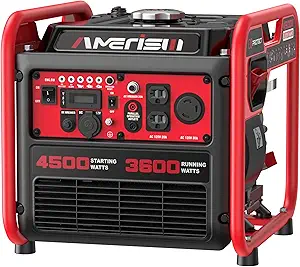 | Best for Compact Emergency Power & Safety | Wattage: 4500W | Fuel Type: Gas | Voltage: 120 volts | VIEW ON AMAZON | See Our Full Breakdown |
| WEN 14,500-Watt Tri-Fuel Generator with Electric Start |  | Best Versatile Backup for Extended Power Needs | Power Output: 14500 surge / 11500 running watts | Fuel Type: Gasoline, Propane, Natural Gas | Voltage: 120V/240V | VIEW ON AMAZON | See Our Full Breakdown |
| Westinghouse 14500 Peak Watt Tri-Fuel Portable Generator with Remote Electric Start |  | Best Overall Power and Versatility for Extended Outages | Peak Watts: 14,500 | Running Watts: 11,500 | Fuel Types: Gasoline, Propane, Natural Gas | VIEW ON AMAZON | See Our Full Breakdown |
| Generac 12,500 Starting Watt Tri-Fuel Portable Generator with Electric Start |  | Best for Safety and Convenience in Home Backup Scenarios | Starting Watts: 12,500 | Running Watts: 9,500 | Fuel Tank Capacity: 7.5 gallons | VIEW ON AMAZON | See Our Full Breakdown |
More Details on Our Top Picks
Honeywell 14kW Home Standby Generator
This Honeywell 14kW generator is a strong choice for homeowners needing dependable backup during hurricane season. Its automatic transfer switch and seamless power restoration outperform portable options like the Novus 4125W, which require manual setup. The aluminum enclosure offers excellent weather resistance, and the LCD controls simplify monitoring, but its larger size and weight mean professional installation is advisable. The higher initial cost is offset by the convenience of automatic operation and maintenance efficiency. Compared with smaller generators, this model provides enough capacity to power essential circuits for most homes, making it ideal for those wanting peace of mind during extended outages.
Pros:- Automatic transfer switch ensures seamless power restoration
- Weather-resistant aluminum enclosure withstands harsh conditions
- User-friendly LCD controls simplify maintenance monitoring
- Quiet-Test mode reduces noise during testing
Cons:- Requires professional installation due to size and fuel connections
- Higher upfront cost compared to portable generators
Best for: Homeowners seeking a reliable, automatic backup system capable of powering essential circuits during prolonged outages.
Not ideal for: Renters or those with limited outdoor space who need portable, lightweight solutions for occasional outages.
- Wattage:14,000 watts
- Fuel Type:Natural Gas, Propane
- Power Source:Fuel Powered
- Voltage:120 volts
- Output Wattage:14,000
- Additional Features:Automatic Shut Down, Fuel Efficient, Short Circuit Protection
Our verdict“This generator is best suited for homeowners who want automatic, reliable backup power with minimal hassle.”
Honeywell 22kW Home Standby Generator
The Honeywell 22kW generator is designed for larger homes or those with many electronics, offering cleaner power than smaller models like the Novus 4125W. Its advanced technology, including the Generac G-Force engine and PrecisionPower system, delivers stable electricity suitable for sensitive devices. The all-aluminum RhinoCoat enclosure ensures durability, and the quiet self-test mode minimizes noise during regular checks. However, the higher cost and lack of detailed pricing information might deter budget-conscious buyers. This model is ideal for users who need a significant power boost without sacrificing power quality, but it may be more than necessary for small households or minimal backup needs.
Pros:- Provides clean, stable power ideal for sensitive electronics
- Durable, corrosion-resistant aluminum enclosure
- Quiet operation with self-test mode
- User-friendly LCD control panel
Cons:- Higher initial cost due to advanced features
- No specific price details available
Best for: Large households or users with sensitive electronics requiring high-capacity, clean power during outages.
Not ideal for: Budget-sensitive buyers or those with small homes who don’t need such high wattage.
- Power Output:22kW
- Engine:Generac G-Force
- Technology:PrecisionPower
- Enclosure Material:All-Aluminum with RhinoCoat
- Self-Test Mode:Quiet-Test
Our verdict“This generator excels for large homes with critical electronics, but its cost may be a barrier for some buyers.”
Novus 4125W Inverter Generator with Wheels
The Novus 4125W inverter generator offers a portable solution that outshines larger standby units like the Honeywell 14kW for outdoor or recreational needs. Its lightweight design at just 58 lbs and built-in wheels make it easy to transport, and its quiet operation at 57 dBA is suitable for camping, tailgating, or emergency outdoor use. The clean power output protects sensitive electronics, which portable users may appreciate over larger, less refined generators. The main tradeoff is its limited runtime of up to 8 hours and a weight that could still be a challenge for some. This makes it an excellent choice for those prioritizing mobility, but not for powering a whole home during extended outages.
Pros:- Lightweight at 58 lbs with wheels and telescoping handle
- Quiet operation at 57 dBA
- Clean power suitable for sensitive electronics
- Multiple outlets including USB ports
Cons:- Limited runtime of about 8 hours at 25% load
- Not designed for whole-home backup
Best for: Outdoor enthusiasts and small-scale emergency users needing portable, quiet power for sensitive electronics.
Not ideal for: Homeowners seeking whole-house backup or long-duration power solutions.
- Starting Watts:4125
- Running Watts:3300
- Engine:158cc 4-cycle OHV
- Fuel Tank Capacity:1.8 gallons
- Runtime at 25% load:up to 8 hours
- Noise Level:57 dBA
Our verdict“Ideal for outdoor or emergency use where portability and quiet operation are priorities over extended runtime.”
Amerisun 4500-Watt Gas Powered Portable Inverter Generator with CO Sensor
The Amerisun 4500W inverter generator offers reliable power in a compact, lightweight package, making it a practical choice for emergency backup and outdoor activities, especially when space is limited. Its CO sensor adds a safety layer that larger standby generators lack, similar to the CO Watchdog feature in the WEN TF-1450X. The generator’s noise level at 76 dB is higher than the Novus but still manageable for most residential uses. Its limited runtime of about 8 hours at half load and basic safety features mean it’s best for short-term outages or outdoor use rather than prolonged power failures. This generator is an excellent fit for users prioritizing portability and safety but not requiring large-scale, continuous power.
Pros:- Reliable 4500W power output for emergencies
- Parallel capability for increased power
- Compact, lightweight design
- CO sensor enhances safety
Cons:- Noise level of 76 dB may be loud for some
- Limited runtime and basic safety features
Best for: Small households or outdoor enthusiasts needing portable, safe, emergency power.
Not ideal for: Homes requiring continuous, whole-house backup or extended outages.
- Wattage:4500W
- Fuel Type:Gas
- Voltage:120 volts
- Engine Displacement:223 cc
- Weight:61 lbs
- Noise Level:76 dBA
Our verdict“A strong choice for portable, safe power during short outages or outdoor activities, but not for long-term home backup.”
WEN 14,500-Watt Tri-Fuel Generator with Electric Start
The WEN TF-1450X stands out for its flexibility, offering three fuel options—gasoline, propane, and natural gas—making it highly adaptable during hurricane season. Its electric start simplifies operation, and the CO Watchdog sensor enhances safety, similar to the Amerisun model. Its 14,500 surge watts provide enough power for most household essentials, and the wheel kit improves portability. However, the generator’s bulk and weight (over 100 lbs) can make handling challenging, and natural gas connection requires an additional hose, which may complicate setup. Compared to the Honeywell standby units, the WEN is more mobile and versatile but sacrifices the convenience of automatic transfer and permanent installation.
Pros:- Tri-fuel operation for maximum flexibility
- Electric start for easy operation
- CO Watchdog safety sensor
- Wheel kit for mobility
Cons:- Heavy and bulky at over 100 lbs
- Natural gas hose sold separately
- Requires regular maintenance
Best for: Homeowners who want versatile, multi-fuel backup power with easy start capability and portability.
Not ideal for: Those looking for a permanent, automatic standby system or minimal maintenance setup.
- Power Output:14500 surge / 11500 running watts
- Fuel Type:Gasoline, Propane, Natural Gas
- Voltage:120V/240V
- Tank Capacity:8.2 gallons
- Runtime:Up to 12 hours at half load
- Additional Features:Electric start, CO Watchdog, wheel kit
Our verdict“This generator provides flexible, portable backup power for users comfortable with manual operation and maintenance.”
Westinghouse 14500 Peak Watt Tri-Fuel Portable Generator with Remote Electric Start
This model stands out for its impressive peak wattage and flexible fuel options, making it a strong choice for those who need reliable backup power during hurricane season. Compared with the Generac 12,500-Watt, it offers more wattage and longer runtime, especially on gasoline, which is critical during prolonged outages. Its tri-fuel capability ensures you can switch between gasoline, propane, or natural gas, providing extra resilience when fuel supplies are tight. The remote electric start adds convenience, especially during stressful storm preparations. However, its weight and bulk make it less portable, and the higher price reflects its heavy-duty design. This generator makes the most sense for homeowners who prioritize capacity and fuel flexibility over portability.
Pros:- Powerful 14,500 peak watts and 11,500 running watts for demanding loads
- Tri-fuel capability offers fuel flexibility during shortages
- Long runtime up to 19 hours on gasoline for extended outages
- Low THD safe for sensitive electronics
Cons:- Relatively heavy and bulky, limiting portability
- Higher price point may be a barrier for budget-conscious buyers
Best for: Homeowners needing a high-capacity, versatile backup power solution for extended outages with access to multiple fuel sources
Not ideal for: People seeking a lightweight, easily transportable generator for occasional use or camping trips
- Peak Watts:14,500
- Running Watts:11,500
- Fuel Types:Gasoline, Propane, Natural Gas
- Engine:550cc 4-Stroke OHV
- Runtime:Up to 19 hours (gasoline), Up to 7 hours (propane)
- Fuel Tank Capacity:9.5 gallons
Our verdict“This generator suits those who need substantial power and fuel options, accepting some portability tradeoffs.”
Generac 12,500 Starting Watt Tri-Fuel Portable Generator with Electric Start
This generator excels in safety features and consistent power output, making it ideal for homeowners who prioritize protection during hurricane season. Its automatic voltage regulation ensures stable power, reducing risk to sensitive devices. COsense technology adds a layer of safety by monitoring carbon monoxide levels, a critical feature in storm-related power outages. Compared to the Westinghouse tri-fuel model, it offers slightly less wattage but compensates with safety features and extended runtime, especially on natural gas—an advantage if fuel storage is limited. Its weight of 219 lbs makes it less portable, so it’s better suited for static backup installations rather than frequent moving. This makes it a smart choice for those who want a reliable, safe power source for home use, despite the setup complexity.
Pros:- Tri-fuel flexibility for varied fuel sources
- Automatic voltage regulation for stable power delivery
- COsense technology enhances safety during operation
- Extended runtime up to 14 hours on natural gas
Cons:- Heavy weight makes transportation difficult
- Setup can be complex for those unfamiliar with generators
- Price details are not specified, which may impact decision-making
Best for: Homeowners seeking a safe, reliable, and versatile generator with safety-focused features for hurricane season
Not ideal for: Individuals looking for a lightweight, portable generator for outdoor activities or frequent transport
- Starting Watts:12,500
- Running Watts:9,500
- Fuel Tank Capacity:7.5 gallons
- Runtime at 50% load:9.5 hours
- Runtime at 25% load:14 hours
- Weight:219 lbs
Our verdict“This generator is best suited for homeowners prioritizing safety, stable power, and fuel versatility over portability.”
How We Picked
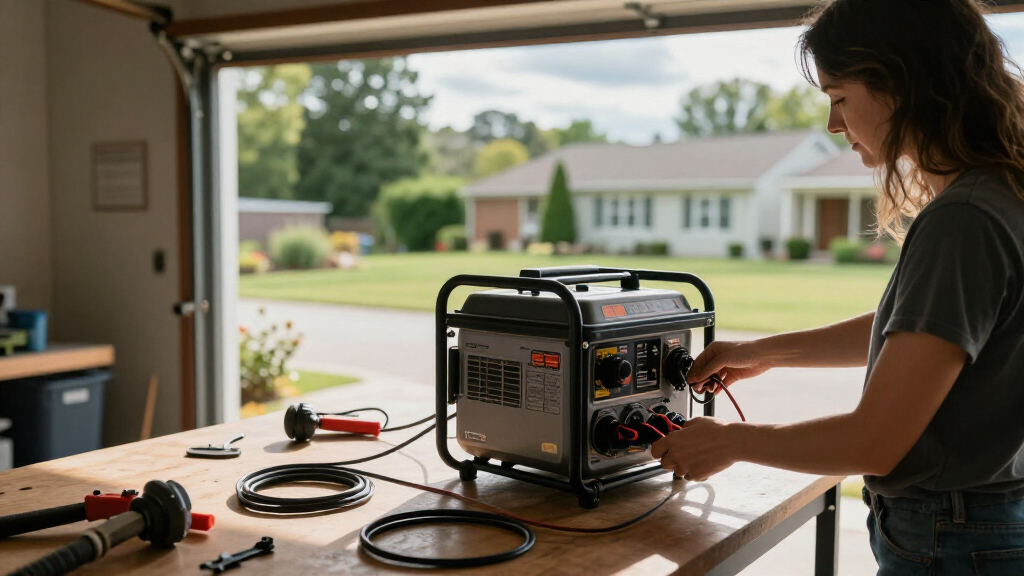
I evaluated each generator based on performance, reliability, and suitability for hurricane season. Power capacity (kW), fuel type, and automatic features were primary considerations, as they directly impact how well the generator can handle prolonged outages. Build quality and brand reputation also played a role, ensuring durability under storm conditions. Cost was balanced against features, so the ranking favors models offering the best mix of value and dependability for storm preparedness. Emphasis was placed on ease of use and maintenance, since reliability during a crisis depends on straightforward operation and minimal fuss.Factors to Consider When Choosing Standby Generator For Hurricane Season
Choosing the right standby generator for hurricane season involves balancing several key factors. It’s not just about raw power but also about ease of installation, fuel options, and automatic operation. Understanding these elements helps you avoid common pitfalls, such as underestimating your home’s power needs or selecting a model with complicated maintenance. Effective planning ensures your home remains livable and safe during extended outages. Here are the main considerations to guide your purchase:Power Capacity and Home Size Compatibility
Select a generator with sufficient wattage to support your essential appliances and systems. Larger homes or those with central AC often require higher capacity units, typically 20kW or more. Underestimating your needs can lead to frequent overloads or the inability to power critical devices. Conversely, overestimating can result in unnecessary expense and installation complexity. Carefully assess your power load before choosing a model.
Fuel Type and Availability
Generators run on different fuels: natural gas, propane, or gasoline. Natural gas and propane are preferred for standby units because they are cleaner and easier to supply during emergencies. Gasoline-powered portable models are less suitable for continuous, long-term outages due to fuel storage and refueling hassles. Consider your access to fuel sources and the potential need for tri-fuel options, which offer flexibility but may increase upfront costs and maintenance requirements.
Automatic Transfer Switch and Ease of Use
An automatic transfer switch (ATS) is vital for seamless transition from grid power to generator power during outages. It ensures your home’s critical systems stay running without manual intervention, which is crucial during storms when safety and convenience matter most. Manual switches or simpler models may save money initially but can leave you vulnerable during extended outages. Prioritize models with reliable ATS features for peace of mind.
Installation and Maintenance
The complexity of installing a standby generator can vary widely, often requiring professional setup, permits, and ongoing maintenance. Cheaper or smaller models may be easier to install, but may not meet your power needs. Larger, permanent units demand more space and specialized knowledge for proper installation. Regular maintenance is essential to ensure readiness, so factor in ongoing costs and effort when choosing a model.
Budget and Value Considerations
While it might be tempting to choose the least expensive option, investing in a reliable, well-built generator can save money and hassle in the long run. Premium models often offer quieter operation, better fuel efficiency, and longer warranties. Balance your budget with your home’s needs and how critical continuous power is during hurricanes. Sometimes, spending more upfront results in greater peace of mind and fewer disruptions.
Frequently Asked Questions
How do I determine the right generator size for my home?
To find the correct size, list all essential appliances and systems you want to power during an outage. Check their wattage ratings and add them up to get a total load. It’s wise to include a buffer—typically 20-25%—to accommodate startup surges and future needs. Consulting a professional for an electrical assessment can ensure you select a generator that balances capacity with efficiency, avoiding both under and over-sizing.
Can I install a standby generator myself?
Installing a standby generator involves electrical work, gas connections, and permits, which generally require professional expertise. Improper installation can be dangerous and may void warranties or violate local codes. Hiring a licensed electrician ensures the unit is installed safely, complies with regulations, and functions correctly when needed. Attempting DIY installation without proper knowledge is risky and not recommended for these systems.
What maintenance does a standby generator require?
Regular maintenance includes oil changes, inspecting fuel and electrical connections, and testing the automatic transfer switch. Many models have self-diagnostic features to alert you to issues. During hurricane season, it’s important to run the generator periodically to ensure readiness. Proper maintenance not only prolongs the lifespan of the unit but also guarantees reliable operation during emergencies.
How long can a standby generator run continuously?
The runtime depends on fuel capacity and load. Most standby generators are designed for continuous operation during power outages but may need refueling or maintenance after extended use. It’s important to monitor fuel levels and ensure fuel supplies are sufficient for anticipated outage durations. Planning for refueling or fuel delivery during a storm is a wise step to prevent unexpected shutdowns.
Are tri-fuel generators worth the extra cost?
Tri-fuel generators offer the flexibility to run on natural gas, propane, or gasoline, which can be advantageous during hurricanes when fuel availability varies. They provide greater resilience, especially if one fuel source becomes scarce. However, they tend to be more expensive and require more maintenance. If you live in an area prone to extended outages or fuel shortages, investing in a tri-fuel model can be a strategic choice for peace of mind.
Conclusion
For those seeking the best overall reliability and power, the Honeywell 22kW Home Standby Generator makes a compelling choice, especially for larger households. Budget-conscious buyers or those with smaller homes might prefer the Honeywell 14kW model, offering sufficient capacity at a lower price. If ease of use and advanced features matter most, the Generac 12,500-Watt Tri-Fuel Portable Generator provides versatility for varied fuel sources. New homeowners or storm-prone residents should prioritize models with automatic transfer switches, while those with existing fuel infrastructure might opt for higher-capacity, permanent standby units. Carefully matching your home’s needs with these priorities will ensure your preparedness for hurricane season.
As an affiliate, we earn on qualifying purchases.Fall Picks
fall essentials