
Choosing the best home server hardware often involves balancing performance, expandability, and budget. The top pick for overall excellence is the Synology RackStation RS3621xs+, which offers robust performance and extensive storage, ideal for demanding users. For those seeking value, the UGREEN NAS DXP4800 Plus provides solid features at a lower price, while the Synology DiskStation DS1823xs+ caters to users needing high-speed access and large capacity. The main tradeoffs involve deciding whether you need enterprise-grade power or a more modest, easy-to-manage system. Continue reading for a detailed breakdown of these options and more, to help you find the best fit for your home setup.
Key Takeaways
- High-performance Intel and AMD CPUs are reserved for advanced users with demanding workloads.
- Redundant power supplies and enterprise features are predominantly found in higher-end models.
- Most budget options sacrifice expandability and speed for simplicity and lower cost.
- NAS devices with 2 bays are suitable for basic backups, but larger capacities require 4 or more bays.
- Choosing between pre-built systems and DIY solutions depends on technical skill and customization needs.




| home server hardware | Processor | Memory |
|---|---|---|
| Synology RackStation RS3621xs+ | Xeon D-1541 8-Core 2.1GHz (up to 2.7GHz Turbo) | 64GB DDR4 ECC UDIMM |
| ASUS Dual AMD EPYC 4X NVMe 1U | 2x AMD EPYC 7742 2.25GHz 64-Core | 64GB DDR4 |
| UGREEN NAS DXP4800 Plus 4-Bay | Intel Pentium Gold 8505 5-Core | — |
| Synology RackStation RS1221RP+ | — | 32GB DDR4 ECC |
| Synology RackStation RS2423RP+ | Ryzen V1780B 4-Core 3.35GHz | 32GB DDR4 ECC |
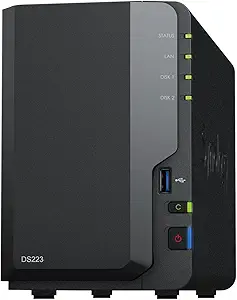
| Synology DS223 Home & Office B | — | — |
| UGREEN NAS DXP2800 2-Bay Netwo | Intel N100 Quad-Core | — |
| Synology DS225+ Private Cloud | — | — |
| Synology DiskStation DS1823xs+ | Ryzen 3.35GHz | 32GB DDR4 ECC |
| Synology RackStation RS3618xs | Xeon D-1521 4-Core | 64GB DDR4 ECC |
| Synology RackStation RS822RP+ | Ryzen R1500B 4-Core 2.2GHz | 32GB DDR4 SODIMM |
| Synology DiskStation DS1823xs+ | Ryzen V1780B 4-Core 3.35GHz | 32GB DDR4 ECC SODIMM |
| UGREEN NAS DH4300 Plus 4-Bay N | — | — |
More Details on Our Top Picks
Synology RackStation RS3621xs+ NAS Server with Xeon 2.1GHz CPU, 64GB Memory, 24TB SSD Storage, 2 x 10GbE LAN Ports, DSM Operating System Bundle with Rail Kit
The Synology RackStation RS3621xs+ stands out for its robust scalability and enterprise-grade performance, making it ideal for small to medium businesses that need reliable, multi-user data management. With a Xeon D-1541 processor and 64GB of ECC RAM, it handles demanding workloads more effectively than consumer-focused options like the Ugreen NAS DXP4800+. However, its capacity is constrained by the need to purchase drives separately, and the initial setup can be complex. Compared to the RS1221RP+, it offers higher scalability and better multi-user performance, but at a higher price and with less redundancy options. This NAS makes the most sense for organizations prioritizing security, uptime, and expandability.
Pros:- High-performance Xeon processor and ECC memory for demanding workloads
- Supports up to 24TB SSD storage for fast data access
- Includes rail kit for straightforward installation
Cons:- Hard drives and memory are sold separately, adding to initial cost
- Setup and configuration require technical knowledge
Best for: Small to medium-sized businesses needing scalable, enterprise-grade storage with high data security
Not ideal for: Home users or small offices with limited technical expertise or budget for future upgrades
- Processor:Xeon D-1541 8-Core 2.1GHz (up to 2.7GHz Turbo)
- Memory:64GB DDR4 ECC UDIMM
- Storage:24TB (12 x 2TB) SATA SSDs
- LAN Ports:4 x 1GbE, 2 x 10GbE
- USB Ports:2 x USB 3.2
- File System:Btrfs
Our verdict“This NAS suits organizations that need scalable, reliable enterprise storage despite higher complexity and cost.”
ASUS Dual AMD EPYC 4X NVMe 1U Server, 2x EPYC 7742 2.25GHz 64-Core CPUs, 64GB DDR4 RAM, 2x 1.92TB SSD, 10GbE, 1600W, Rails, RS700A-E11-RS4U (Renewed)
This ASUS 1U server is designed for users who need intense computational power in a compact chassis, making it ideal for virtualization, heavy data processing, or hosting multiple services. With dual AMD EPYC 7742 processors and 64GB DDR4 RAM, it outperforms many NAS units in raw processing, like the Synology RS1221RP+. However, being a renewed product, it might come with warranty limitations, and its enterprise focus means it’s less user-friendly for typical home or small business setups. It lacks GPU support, which can be a limiting factor for AI or GPU-accelerated tasks. Compared to dedicated NAS solutions, this is better suited for advanced users needing raw compute, not simple storage.
Pros:- Exceptional dual AMD EPYC processors for intensive tasks
- Reliable dual 1600W power supplies for uptime
- Compact 1U form factor saves space
Cons:- Renewed product may have warranty and reliability concerns
- No GPU support limits AI or graphics-intensive tasks
Best for: Tech-savvy professionals running virtualization, AI workloads, or high-density data processing
Not ideal for: Small offices or home users seeking plug-and-play NAS solutions
- Processor:2x AMD EPYC 7742 2.25GHz 64-Core
- Memory:64GB DDR4
- Storage:2x 1.92TB SSD
- Network:10GbE
- Power Supply:2x 1600W 80Plus Platinum
- Form Factor:1U Server
Our verdict“Ideal for users demanding maximum processing power in a small footprint, accepting some uncertainties of a renewed product.”
UGREEN NAS DXP4800 Plus 4-Bay NAS with Intel Pentium Gold 8505, 8GB DDR5 RAM, 128GB SSD, 10GbE, 4K HDMI, Diskless
The UGREEN DXP4800 Plus is a powerful 4-bay NAS tailored for small offices or tech-savvy users who need more than basic storage. Its Intel Pentium Gold 8505 CPU and 8GB DDR5 RAM enable virtualization, Docker containers, and media streaming, making it more adaptable than typical consumer NAS models. The built-in 128GB SSD accelerates performance, and the 10GbE port supports fast transfers. Unlike the Synology units, it lacks the same extensive ecosystem but offers flexibility for custom setups. Its wired-only connectivity may be limiting for some, and the absence of included drives means additional cost. Still, it’s a good choice for those who want high performance with advanced features.
Pros:- Fast CPU and DDR5 RAM for multitasking and virtualization
- Supports Docker, remote access, and advanced management
- 10GbE port ensures quick data transfer speeds
Cons:- Drives are not included, increasing initial investment
- Wired Ethernet only, no Wi-Fi support
Best for: Small business owners or advanced home users needing virtualization and fast local network speeds
Not ideal for: Home users seeking simple backups or those with no technical background
- Processor:Intel Pentium Gold 8505 5-Core
- RAM:8GB DDR5
- SSD:128GB built-in
- Network Ports:1x 10GbE, 1x 2.5GbE
- Max Storage:144TB
- Supported OS:Windows, macOS, Linux, iOS, Android
Our verdict“A flexible, high-performance NAS for users comfortable with setup and looking for advanced features beyond basic storage.”
Synology RackStation RS1221RP+ NAS Server with Ryzen 2.2GHz CPU, 32GB Memory, 32TB SSD Storage, Redundant Power, DSM Operating System Bundle with Rail Kit
The Synology RS1221RP+ offers a balanced combination of power, reliability, and redundancy for small to medium businesses. Its Ryzen V1500B CPU and 32GB ECC RAM deliver solid performance for backup, file sharing, and server tasks. The redundant power supplies ensure continuous operation during hardware failures, a feature that sets it apart from simpler NAS units like the DS223. While the 32TB SSD storage provides fast access, the setup involves purchasing drives and RAM separately, which could be daunting for less experienced users. Compared to the RS3621xs+, it’s less scalable but more straightforward in deployment and maintenance, making it suitable for those prioritizing uptime and data integrity.
Pros:- Redundant power supplies for enhanced uptime
- Strong performance for backup and file services
- Supports enterprise features with Btrfs filesystem
Cons:- Drives and memory upgrades sold separately, requiring technical setup
- Setup can be complex for those unfamiliar with enterprise hardware
Best for: Small businesses needing reliable backup, file sharing, and minimal downtime
Not ideal for: Home users or those who want maximum storage capacity without additional setup complexity
- CPU:Ryzen V1500B 4-Core 2.2GHz
- Memory:32GB DDR4 ECC
- Storage:32TB SATA SSDs
- Network Ports:4 x 1GbE
- Additional Ports:2 x USB 3.2, 1 x eSATA
- File System:Btrfs
Our verdict“This NAS is ideal for businesses prioritizing uptime and data integrity over initial simplicity or maximum capacity.”
Synology RackStation RS2423RP+ NAS Server with Ryzen 3.35GHz CPU, 32GB Memory, 192TB Storage, 10GbE LAN, Redundant Power, DSM OS, Rail Kit
The Synology RS2423RP+ excels at handling vast amounts of data and security needs, making it well-suited for growing businesses with intense storage and surveillance requirements. Its Ryzen 3.35GHz CPU and 32GB ECC RAM support heavy multitasking and data encryption, while the 192TB capacity can accommodate extensive storage needs. The 10GbE ports ensure rapid data transfer, and redundant power supplies provide resilience. Compared with the RS3621xs+, it offers significantly more storage capacity but involves more complex setup and higher initial costs. It’s best for organizations that require both large-scale storage and advanced security or surveillance features, accepting that setup may be complex.
Pros:- Massive 192TB storage capacity for large-scale data
- Fast 10GbE network ports for high-speed transfers
- Supports AES-256 encryption for data security
Cons:- Setup and configuration are complex and time-consuming
- Higher cost due to large capacity and enterprise features
Best for: Businesses with extensive storage, security, and surveillance demands
Not ideal for: Small offices or home users with limited technical expertise or lower storage needs
- Processor:Ryzen V1780B 4-Core 3.35GHz
- Memory:32GB DDR4 ECC
- Storage Capacity:192TB (12 x 16TB HDDs)
- Network:10GbE LAN
- Redundant Power:Yes
- Operating System:DSM
Our verdict“This NAS suits organizations that need large, secure storage and are prepared for a more involved setup process.”
Synology DS223 Home & Office Backup Hub – 2-Bay Diskless NAS
The Synology DS223 stands out as a flexible solution for users needing centralized data management without the complexity of enterprise systems. Its 2-bay design makes it ideal for small-scale backups and collaboration, especially when paired with reliable HDDs. Compared to the Ugreen NAS DXP2800, which offers more raw processing power and media features, the DS223 emphasizes ease of use and integration within home or small business environments. The main tradeoff is that it’s diskless, so buyers must purchase compatible drives separately, adding initial cost and setup time. This model is perfect for non-technical users seeking a straightforward, expandable data hub, but less suited for those needing immediate storage capacity or high-performance media playback.
Pros:- Centralizes data from multiple devices for easy access
- Supports professional file sharing and collaboration
- Automated backup options for various devices
- Can be transformed into a surveillance system
Cons:- Requires buying hard drives separately, increasing initial cost
- Setup can be complex for users unfamiliar with NAS systems
Best for: Home users or small offices needing centralized backup and file sharing, with some surveillance capabilities.
Not ideal for: Users requiring high-speed media streaming or large storage capacity out of the box, as it relies on separate drive purchases and has limited performance for intensive tasks.
- Number of Bays:2
- Diskless:Yes
- Warranty:2 years
Our verdict“This is best suited for users seeking a flexible, expandable data hub for small-scale home or office environments who are comfortable with setup complexity.”
UGREEN NAS DXP2800 2-Bay Network Attached Storage – Intel N100 Quad-Core, 8GB DDR5, 2.5GbE, 2x M.2 NVMe, 4K HDMI, Diskless
The UGREEN NAS DXP2800 is a compelling choice for users who need substantial storage and multimedia capabilities in a compact form. Its 8GB DDR5 RAM and Intel N100 quad-core CPU deliver enough power for AI photo organization and 4K output, making it ideal for creative workflows. Unlike the Synology DS225+, which emphasizes data protection and cloud features, the DXP2800 focuses on raw multimedia performance and ease of multi-device access. The primary tradeoff is that it’s diskless, requiring additional purchase of drives, and its 2-bay design limits expansion. This pick is best for tech-savvy users who want high capacity and multimedia features but are comfortable with initial setup and drive selection, not for those seeking plug-and-play simplicity or large-scale storage without extra investment.
Pros:- High storage capacity up to 80TB with additional drives
- Powerful Intel N100 quad-core processor
- Supports AI-powered photo management and 4K output
- Easy multi-device access and setup
Cons:- Requires technical knowledge for initial setup
- No pre-installed drives, adding to cost and complexity
- Limited to 2-bay configuration for expansion
Best for: Content creators and enthusiasts needing high storage, AI organization, and multimedia output in a user-friendly package.
Not ideal for: Beginners or users looking for ready-to-use storage solutions without additional drive costs or technical setup requirements.
- Processor:Intel N100 Quad-Core
- RAM:8GB DDR5
- Storage Capacity:Up to 80TB
- Network:2.5GbE
- M.2 Slots:2x NVMe
- Video Output:4K HDMI
Our verdict“This device makes the most sense for advanced users who need substantial multimedia storage and processing power with room for future expansion.”
Synology DS225+ Private Cloud Media Server – 2-Bay Diskless NAS with Intel CPU
The Synology DS225+ is designed for users wanting a dedicated private cloud combined with media streaming and surveillance. Its support for 4K media playback and automated backups makes it ideal for multimedia-heavy homes. When compared to the Synology DS223, which caters more toward general data sharing, the DS225+ adds media capabilities and an Intel CPU for better performance. However, being diskless again means extra drive costs, and its setup can be intimidating for newcomers. This model is best for those looking for a reliable, secure media server with backup and surveillance features, but less so for users who need immediate storage capacity or simple plug-and-play operation.
Pros:- Supports 4K media streaming and playback
- Automated backups with multi-layered data protection
- Enables surveillance with up to 30 AI-detected IP cameras
- Reliable Intel CPU for smooth performance
Cons:- Requires purchasing drives separately
- Complex setup for inexperienced users
- Limited to 2 drive bays for storage expansion
Best for: Home users wanting a private cloud with excellent media streaming and security features, including surveillance support.
Not ideal for: Beginners seeking a straightforward, pre-configured storage device, or users needing large built-in capacity without additional drive purchases.
- Storage Bays:2
- CPU:Intel
- Transfer Speed:282 MB/s
- Warranty:3 Years
Our verdict“Ideal for home media enthusiasts who need a secure, feature-rich private cloud with surveillance and multimedia streaming capabilities.”
Synology DiskStation DS1823xs+ NAS Server with Ryzen 3.35GHz CPU, 32GB Memory, 64TB Storage, 1TB NVMe SSD, 10GbE LAN
The Synology DS1823xs+ is a powerhouse tailored for demanding environments that need extensive storage and high-performance data handling. Its Ryzen 3.35GHz CPU and 32GB RAM support intensive multitasking, while the 64TB base storage and optional SSD cache ensure rapid data access. Compared with the RS3618xs, which offers enterprise-level scalability, the DS1823xs+ strikes a balance for small to medium business use with versatile connectivity, including 10GbE LAN. The main tradeoff is its higher price and the fact that drives and memory upgrades are sold separately, requiring technical installation. This model is best for organizations or advanced users needing scalable, high-speed storage without the complexity of full enterprise hardware.
Pros:- High-capacity storage suitable for large data needs
- Powerful Ryzen processor with ample RAM
- Supports 10GbE LAN for fast networking
- Scalable with additional drives and SSDs
Cons:- Drives and memory upgrades are sold separately
- Setup can be complex for non-technical users
- Premium price point for advanced features
Best for: Small to medium-sized businesses requiring high-capacity, high-performance storage with scalability and advanced features.
Not ideal for: Home users or beginners who prefer pre-configured, ready-to-use systems, as setup involves component installation and configuration.
- Processor:Ryzen 3.35GHz
- Memory:32GB DDR4 ECC
- Storage Capacity:64TB (8 x 8TB)
- SSD:1TB NVMe
- LAN Ports:1 x 10GbE, 2 x 1GbE
Our verdict“This NAS is best suited for small businesses or power users needing scalable, high-speed storage with enterprise-like features.”
Synology RackStation RS3618xs NAS Server with Xeon 2.4GHz CPU, 64GB Memory, 120TB Storage, 4 x 1GbE LAN, DSM OS, Rail Kit
The Synology RS3618xs is designed for large-scale, demanding enterprise environments or advanced data centers. Its 12-bay rackmount design allows for extensive storage expansion, while the Xeon processor and 64GB DDR4 ECC memory ensure robust performance under heavy workloads. Compared to the DS1823xs+, which caters to smaller scale, the RS3618xs offers even greater scalability and security features, including multiple LAN connections and comprehensive management options. The tradeoffs include its high cost, the necessity of installing drives and memory separately, and the complexity of setup. This NAS makes the most sense for organizations that require maximum capacity, security, and reliability in a rackmount form factor.
Pros:- High scalability with 12 drive bays
- Powerful Xeon CPU for demanding workloads
- Robust data security with Btrfs filesystem
- Includes sliding rail kit for easy rack installation
Cons:- Requires separate purchase of drives and memory
- Setup involves drive and component installation
- High initial investment suited for enterprise budgets
Best for: Large businesses or data centers needing scalable, enterprise-grade storage with top-tier security and redundancy.
Not ideal for: Small offices or home users who do not require rackmount infrastructure or such extensive scalability, due to cost and complexity.
- Processor:Xeon D-1521 4-Core
- Memory:64GB DDR4 ECC
- Storage Capacity:120TB
- Number of Bays:12
- Network Ports:4 x 1GbE
Our verdict“This is the ideal choice for large-scale, security-conscious organizations needing maximum storage and performance scalability.”
Synology RackStation RS822RP+ NAS Server with Ryzen 2.2GHz CPU, 32GB Memory, 16TB Storage, 4 x 1GbE LAN Ports, Redundant Power, DSM OS Bundle with Rail Kit
This model stands out as a balanced choice for SMBs needing reliable, scalable storage with robust management tools. Compared with the Synology RS3621xs+, it offers a more compact, 1U form factor that fits smaller server racks but still delivers impressive data handling thanks to its Ryzen CPU and 32GB RAM. The 16TB storage is ample for many uses, though upgrading drives requires separate purchases and installation, which might be a hurdle for less technical users. Its redundant power supply enhances reliability, making it suitable for critical environments. The DSM OS provides a user-friendly interface, but the initial setup and hardware upgrades could be complex for newcomers. Overall, this NAS makes the most sense for small to medium-sized businesses that prioritize performance and reliability without needing enterprise-grade features.
Pros:- High-capacity 16TB storage with room for expansion
- Powerful Ryzen 2.2GHz CPU and 32GB RAM for multitasking
- Redundant power supply for increased uptime
- DSM OS offers intuitive management tools
Cons:- Hard drives and memory upgrades are sold separately and require installation
- Can be complex for users unfamiliar with NAS configurations
Best for: Small business IT teams seeking a reliable, manageable NAS with good expandability
Not ideal for: Home users or hobbyists who need simple, plug-and-play storage without hardware complexity
- Processor:Ryzen R1500B 4-Core 2.2GHz
- Memory:32GB DDR4 SODIMM
- Storage:16TB (4 x 4TB) SATA 3.5″ HDDs
- Network Ports:4 x 1GbE LAN
- Additional Ports:2 x USB 3.2, 1 x eSATA, 1 x PCIe
- Power:Redundant Power Supply
- Operating System:Synology DSM
Our verdict“This NAS is best suited for SMBs demanding a dependable, scalable, and manageable storage solution with enterprise features.”
Synology DiskStation DS1823xs+ NAS Server with Ryzen 3.35GHz CPU, 32GB Memory, 32TB SSD Storage, 1TB NVMe SSD, 10GbE LAN
The DS1823xs+ excels in environments demanding substantial storage and fast data transfer, such as media production or data centers. Unlike the RS822RP+, it offers 32TB of SSD storage with NVMe cache, significantly boosting read/write speeds for demanding workloads. Its 10GbE port supports high-bandwidth networking, ideal for real-time data sharing and backup. The 32GB ECC RAM ensures data integrity and smooth multitasking, making it suitable for intensive tasks. However, the higher capacity and advanced features come with a higher price point, and the need for separate drive purchases adds to setup complexity. It is best for organizations that require extensive, fast storage and can handle more sophisticated hardware management. For smaller or less tech-savvy users, this may be overkill.
Pros:- Massive 32TB SSD storage with NVMe cache for speed
- 10GbE LAN port for rapid network access
- Powerful Ryzen 3.35GHz CPU and 32GB ECC RAM for demanding workloads
- Versatile connectivity with multiple USB and eSATA ports
Cons:- Additional drives and memory sold separately, increasing initial cost
- Setup and maintenance are more complex for non-technical users
- Higher price point compared to entry-level solutions
Best for: Large SMBs or creative teams needing fast, high-capacity storage with enterprise-grade connectivity
Not ideal for: Small offices or individuals seeking simple, low-cost NAS solutions
- Processor:Ryzen V1780B 4-Core 3.35GHz
- Memory:32GB DDR4 ECC SODIMM
- Storage:32TB (8 x 4TB) SATA SSDs + 1TB NVMe SSD
- LAN Ports:1 x 10GbE, 2 x 1GbE
- USB Ports:3 x USB 3.2
- eSATA Ports:2
- Operating System:Synology DSM
Our verdict“This NAS is ideal for large-scale, high-speed data environments that require maximum throughput and storage capacity.”
UGREEN NAS DH4300 Plus 4-Bay Network Attached Storage (Diskless)
The UGREEN DH4300 Plus offers a straightforward, budget-friendly way to create a private storage hub, especially suited for home media or backup. Its support for up to 128TB of storage makes it flexible enough for large media libraries or backups, but unlike the Synology DS1221+, it lacks advanced management features and virtual machine support. The 2.5GbE network provides faster transfers than traditional Gigabit Ethernet, although it does not support Wi-Fi, limiting flexibility in some setups. The device’s simple setup and encryption features make it accessible for less technical users who primarily want secure, local storage. This NAS makes the most sense for users who want a large, secure media server without the complexity or cost of enterprise hardware, but it’s not suitable for those needing virtual machines or wireless access.
Pros:- Supports large capacity up to 128TB
- Easy to set up with user-friendly app
- Secure data storage with advanced encryption
- Supports 4K HDMI for media streaming
Cons:- No Wi-Fi support, requires wired Ethernet
- Limited to wired network connections
- Does not support virtual machines or advanced enterprise features
Best for: Home users or small offices needing large storage with simple management and media capabilities
Not ideal for: Tech enthusiasts requiring virtualization or Wi-Fi support, or enterprise environments
- Support Capacity:up to 128TB
- RAM:8GB LPDDR4X
- Network:2.5GbE
- Video Output:4K HDMI
- Connectivity:Wired Ethernet only
- Supports:Docker (not virtual machines)
Our verdict“This NAS is best for home users or small setups prioritizing large, secure storage with simple operation and media support.”
How We Picked
To determine the best home server hardware, I evaluated each product based on performance, expandability, build quality, ease of setup, and value for money. Performance metrics such as CPU power, RAM, and storage options helped distinguish high-end from entry-level units. Usability factors included user interface simplicity and accessibility, especially for non-technical users. Build quality and reliability were assessed through features like redundant power supplies and hardware durability. I ranked products by how well they balanced these factors to suit different user needs, from beginners to power users, ensuring a practical overview for diverse home server requirements.Factors to Consider When Choosing Best Home Server Hardware
Selecting the right home server hardware involves more than just picking the latest model. Understanding key factors like performance, expandability, and ease of use can save time and money. It’s important to consider your current needs and future growth potential. Investing in a system with enough CPU power and RAM ensures smooth operation, especially if you plan to run multiple services or virtual machines. Storage capacity should match your media or data requirements, and redundancy features protect against hardware failures. Lastly, compatibility with your existing network setup and ease of maintenance can greatly influence long-term satisfaction.Performance and Processing Power
For smooth operation of multiple services, media streaming, or virtual machines, prioritize systems with strong CPUs and ample RAM. Higher-end Intel Xeon or AMD Ryzen processors typically handle intensive workloads, but they come with increased cost and power consumption. Entry-level models with lower-tier CPUs are suitable for simple backups and media serving but may struggle under heavier loads. Consider your expected workload carefully to avoid overpaying for unnecessary power or, conversely, underperforming with a system that’s too weak for your needs.
Storage Capacity and Expandability
Your storage needs depend heavily on what you plan to store—media files, backups, or business data. Systems with more bays, such as 4 or 8, allow for greater flexibility and future expansion. When choosing, look at both raw capacity and the support for fast SSDs, which can significantly boost performance. Redundant storage options, like RAID configurations, protect your data against disk failures. Be cautious about underestimating your future storage needs, as upgrading later can be costly or complicated.
Ease of Use and Management
User-friendly interfaces, such as Synology’s DSM or QNAP’s QTS, greatly simplify system setup and ongoing management. For beginners, a system with straightforward setup and clear documentation is essential. Advanced users may prefer more customizable options, but these often come with a steeper learning curve. Consider whether the hardware supports remote management or mobile apps, which can streamline maintenance and monitoring in the long run. Overly complex systems can become frustrating, especially if you lack technical experience.
Power Consumption and Noise Levels
Compared to enterprise servers, home setups benefit from energy-efficient hardware that reduces operating costs. Look for models with low power consumption and quiet operation if your server will run in a living space. High-performance CPUs tend to generate more heat and noise, requiring better cooling solutions. Balance your need for speed with practicality, especially if the server will operate continuously. Over-specifying for power and noise can lead to unnecessary expense and discomfort.
Price and Total Cost of Ownership
While budget options may seem attractive initially, hidden costs like additional drives, expansion units, or power upgrades can quickly add up. Premium systems often include features like redundant power supplies and advanced management tools, which can extend lifespan and reduce downtime. Consider your long-term investment: a more capable system might save money by requiring fewer replacements or repairs later. Always compare the total cost, including potential future upgrades, to find the best value for your specific needs.
Frequently Asked Questions
Can I upgrade my home server hardware later?
Many home server models allow for upgrades, especially in terms of storage and RAM. Systems with modular designs or multiple drive bays facilitate adding extra disks or SSDs as your needs grow. However, CPU upgrades are often limited to more advanced, enterprise-oriented models. It’s wise to choose a system with room for expansion if you anticipate increased storage or performance demands. Planning ahead can prevent the need for costly replacements down the line.
Is a NAS sufficient for media streaming and backups?
For basic media streaming and backups, a 2-bay NAS with a modest CPU and 4-8GB of RAM can suffice. These systems are simple to set up and maintain, making them ideal for home users. However, if you plan to run multiple media servers, virtual machines, or handle large data transfers, higher-performance models with more bays and faster CPUs become necessary. Always match your hardware choice to your expected workload to avoid bottlenecks or slowdowns.
How much should I pay for a good home server?
Prices vary widely depending on performance and features. Budget models can start around a few hundred dollars but often lack expandability or speed. Mid-range systems, around $500-$1000, typically offer better performance, more bays, and easier management. Premium enterprise-grade servers can cost several thousand dollars, providing advanced features like redundant power, higher core counts, and faster networking. Consider your needs carefully—investing in the right hardware can improve reliability and reduce long-term costs.
What features should I prioritize for future-proofing?
Focus on systems with support for multiple drive bays, fast networking options like 10GbE, and expandable RAM. Compatibility with SSDs for caching or storage boosts performance. Redundant power supplies and high-quality cooling extend hardware lifespan and reliability. Additionally, choosing hardware with a robust management interface makes future maintenance easier. Prioritizing these features helps ensure your server remains capable as your data and workload grow.
Are pre-built home servers better than DIY solutions?
Pre-built systems offer convenience, reliable warranties, and optimized software, making them attractive for most home users. They typically come with support and easier setup, reducing the risk of compatibility issues. DIY solutions, however, provide greater customization and potentially better performance for specific tasks, but they demand more technical expertise and time investment. For most users, a pre-built system strikes the best balance between ease and capability, but experienced enthusiasts may prefer DIY for tailored setups.
Conclusion
For most home users, the Synology RackStation RS3621xs+ stands out as the best overall choice, offering a blend of performance, expandability, and ease of management. If you’re working with a tighter budget or need a simple backup solution, the UGREEN NAS DXP4800 Plus provides excellent value. Those seeking a premium, high-speed setup with maximum capacity should consider the Synology DiskStation DS1823xs+. Beginners should lean toward systems with user-friendly interfaces like Synology’s DSM, while power users with demanding workloads might prioritize enterprise-grade hardware with Xeon or Ryzen processors. Matching your specific needs with the right features will ensure your home server setup is reliable and scalable in 2026 and beyond.