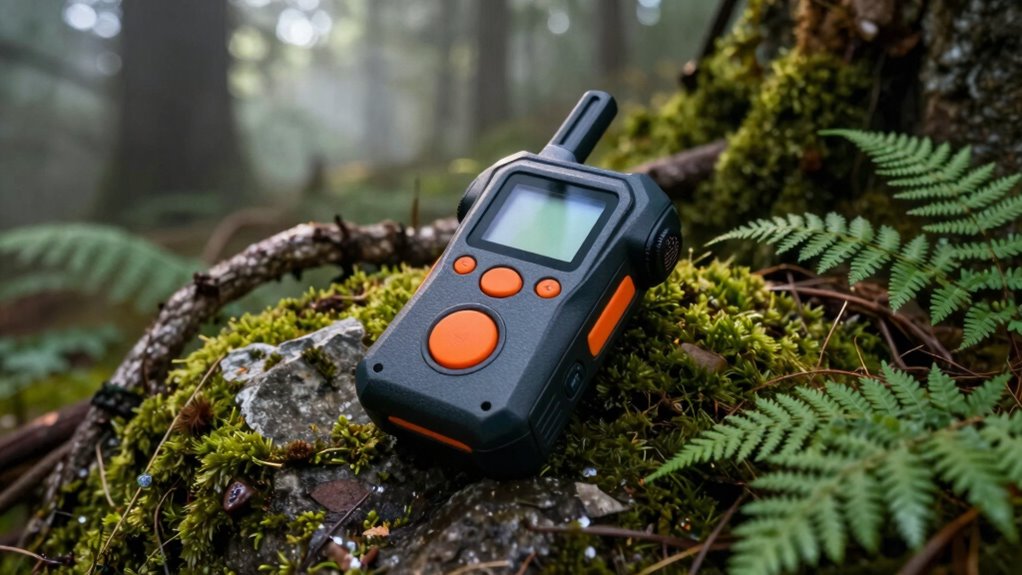

When choosing a satellite messenger for emergencies, reliability, coverage, and ease of use are key. The Garmin inReach Mini 3 Plus stands out as the overall best for its comprehensive features and global coverage. The ZOLEO Satellite Communicator offers great versatility at a more affordable price, while the Motorola Defy Satellite Link excels in rugged environments. Each option comes with tradeoffs—some prioritize battery life, others focus on simplicity or advanced features. Keep reading to see how these products stack up and find the best fit for your safety needs.

Get backup power and energy gear delivered free with Prime
- Fast, free delivery on millions of items
- Prime Video, Amazon Music and more included
- Member-only deals all year
Key Takeaways
- The top-ranked Garmin inReach Mini 3 Plus balances coverage, ease of use, and advanced features, making it ideal for most users.
- Rugged options like the Motorola Defy Satellite Link are best suited for harsh environments but tend to come at a higher cost.
- Budget-friendly models like the ZOLEO still provide reliable emergency communication without sacrificing essential features.
- Battery life varies significantly; consider how long you’ll need the device to operate between charges, especially off-grid.
- Ease of setup and interface simplicity are often overlooked but crucial, particularly for non-technical users or in high-stress situations.
| Spot X with Bluetooth 2-Way Satellite Messenger |  | Best Overall for Versatile Remote Communication | Connectivity: Bluetooth, Satellite, GPS | Includes: Device, strap, carabiner, micro USB, quick start guide, SOS sticker, warranty, kickstand | Warranty: Limited | VIEW ON AMAZON | See Our Full Breakdown |
| ZOLEO Satellite Communicator (Slate Grey) |  | Best for Global Connectivity and Long Battery Life | Connectivity: Iridium satellite, cellular, Wi-Fi | Battery Life: Over 200 hours | Durability: IP68-rated | VIEW ON AMAZON | See Our Full Breakdown |
| Garmin inReach® Mini 2 Satellite Communicator, Orange |  | Best for Compact Portability and Long Battery Life | Color: Orange | Water Resistance: Yes | Battery Life: Up to 14 days | VIEW ON AMAZON | See Our Full Breakdown |
| Garmin inReach Mini 3 Plus Satellite Communicator Bundle |  | Best for Rugged, Advanced Communication in Remote Areas | Includes: Device, microfiber cloth, USB cable, wall charger | Connectivity: Iridium, Bluetooth, Wi-Fi, cellular | Display: Color touchscreen, scratch-resistant | VIEW ON AMAZON | See Our Full Breakdown |
| Garmin inReach® Mini 3 Plus Satellite Communicator |  | Best for Rugged, All-in-One Remote Connectivity | Connectivity: Iridium satellite network | Display: High-resolution, scratch-resistant touchscreen | Water Resistance: IP67 | VIEW ON AMAZON | See Our Full Breakdown |
| Garmin inReach® Messenger Satellite Communicator, Global Two-Way Messaging |  | Best Overall Satellite Messenger for Emergency Communication | Battery Life: Up to 28 days in 10-minute tracking mode | Connectivity: Satellite and cellular options | Compatibility: Pairs with select smart devices, Garmin handhelds, wearables | VIEW ON AMAZON | See Our Full Breakdown |
| Spot Gen 4 Satellite GPS Messenger |  | Best Reliable Basic Emergency Satellite Messenger | Brand: Spot | Model Number: Gen 4 | Item Type: Satellite Messenger | VIEW ON AMAZON | See Our Full Breakdown |
| Motorola Defy Satellite Link – Rugged Handheld GPS Communicator with Two-Way Satellite Messaging and Emergency SOS |  | Best Rugged, All-Weather Satellite Communicator | Service plan cost: $19.99/month | Compatibility: iOS 14+ and Android 10+ | Features: Two-way messaging, Emergency SOS, GPS | VIEW ON AMAZON | See Our Full Breakdown |
| Garmin inReach Mini 2 Satellite Communicator (Flame Red) Bundle |  | Best Compact, Feature-Rich Emergency Satellite Device | Color: Flame Red | Dimensions: 4” x 2” | Weight: 3.5 oz | VIEW ON AMAZON | See Our Full Breakdown |
| Garmin inReach Messenger Handheld Satellite Communicator, Global Two-Way Messaging (Renewed) |  | Best Value for Basic Emergency Messaging | Connectivity: Satellite, Cellular (optimized) | Battery Life: Up to 28 days in tracking mode | Battery Type: Rechargeable lithium | VIEW ON AMAZON | See Our Full Breakdown |
| satellite messenger for emergencie | Battery Life | Connectivity |
|---|---|---|
| Spot X with Bluetooth 2-Way Sa | — | Bluetooth, Satellite, GPS |
| ZOLEO Satellite Communicator | Over 200 hours | Iridium satellite, cellular, Wi-Fi |
| Garmin inReach® Mini 2 Satelli | Up to 14 days | — |
| Garmin inReach Mini 3 Plus Sat | Up to 350 hours in tracking mode | Iridium, Bluetooth, Wi-Fi, cellular |
| Garmin inReach® Mini 3 Plus Sa | Up to 350 hours in tracking mode | Iridium satellite network |
| Garmin inReach® Messenger Sate | Up to 28 days in 10-minute tracking mode | Satellite and cellular options |
| Spot Gen 4 Satellite GPS Messe | — | — |
| Motorola Defy Satellite Link | — | — |
| Garmin inReach Mini 2 Satellit | Up to 14 days (default), up to 30 days (extended) | — |
| Garmin inReach Messenger Handh | Up to 28 days in tracking mode | Satellite, Cellular (optimized) |
More Details on Our Top Picks
Spot X with Bluetooth 2-Way Satellite Messenger
The Spot X stands out for combining two-way satellite messaging with Bluetooth connectivity in a compact package, making it a versatile choice for outdoor enthusiasts who need reliable communication in remote areas. Unlike the Garmin inReach Mini 2, which offers longer battery life, the Spot X’s two-way messaging via Bluetooth provides added convenience for quick updates. However, it requires a subscription plan to unlock full functionality, which can be a downside compared to some models with more inclusive pricing. Its GPS sharing and SOS features are dependable, but customer ratings indicate moderate satisfaction, hinting at potential reliability or usability issues. This pick makes sense for users who want a balance of portability and communication options but are prepared for ongoing costs.
Pros:- Enables two-way communication via satellite and Bluetooth
- Includes SOS feature with 24/7 Search & Rescue support
- Shares GPS coordinates for precise location tracking
- Compact and portable design suitable for outdoor activities
Cons:- Requires a subscription plan for full functionality
Best for: Outdoor adventurers who need handheld two-way messaging with GPS in remote locations
Not ideal for: Casual users seeking a budget-friendly device or those who prefer built-in mapping without ongoing fees
- Connectivity:Bluetooth, Satellite, GPS
- Includes:Device, strap, carabiner, micro USB, quick start guide, SOS sticker, warranty, kickstand
- Warranty:Limited
- Global Trade ID:00893049001707
Our verdict“Ideal for users who prioritize two-way messaging and GPS sharing in outdoor settings, accepting subscription costs.”
ZOLEO Satellite Communicator (Slate Grey)
The ZOLEO Satellite Communicator excels at providing global messaging through the Iridium satellite network, making it a top choice for travelers who venture far beyond cell coverage. Compared with the Garmin inReach Mini 2, ZOLEO offers longer battery life—over 200 hours—and supports unlimited check-ins, weather updates, and longer messages, which are vital for extended trips. Its rugged IP68 rating adds resilience against harsh weather, but it does come with the need for a monthly service plan, adding to ongoing costs. While ideal for remote adventures, its reliance on satellite coverage means limited functionality in urban environments with poor satellite visibility. This device makes sense for those prioritizing continuous connectivity and durability in extreme conditions.
Pros:- Global satellite messaging for remote connectivity
- Rugged IP68-rated design with long battery life
- Emergency SOS with optional medical coverage
- Unlimited check-ins and weather forecasts
Cons:- Requires a paid service plan for full features
- Additional costs for travel risk coverage
Best for: Long-term travelers, remote workers, and outdoor explorers needing reliable global messaging and weather updates
Not ideal for: Casual users or those on a tight budget who don’t require extended satellite connectivity or rugged durability
- Connectivity:Iridium satellite, cellular, Wi-Fi
- Battery Life:Over 200 hours
- Durability:IP68-rated
- Messaging:Unlimited check-ins, weather, long messages
Our verdict“Best suited for travelers who need durable, long-lasting communication in the most remote locations, despite ongoing service fees.”
Garmin inReach® Mini 2 Satellite Communicator, Orange
The Garmin inReach® Mini 2 is ideal for those who need a lightweight, portable satellite device that doesn’t compromise on features. Its compact design makes it easy to carry for hiking or climbing, and with up to 14 days of battery life in tracking mode, it supports multi-day adventures without frequent charging. Its global two-way messaging and interactive SOS are reliable, but unlike the Garmin inReach Mini 3 Plus, it lacks a color touchscreen, which can make navigation and status checks less intuitive in bright light. The active subscription requirement for full functionality means ongoing costs, which could be a dealbreaker for casual users. This device fits best for those who value portability and long-term use over advanced display features.
Pros:- Compact and lightweight for portability
- Global two-way messaging and SOS
- Long battery life up to 14 days
- Water-resistant and durable
Cons:- Active subscription required
- Small screen can be hard to read in bright sunlight
Best for: Hikers and outdoor enthusiasts needing a lightweight device with long battery life and basic communication
Not ideal for: Users seeking a built-in mapping screen or more advanced features in a larger device
- Color:Orange
- Water Resistance:Yes
- Battery Life:Up to 14 days
- Special Features:Bluetooth, digital compass
Our verdict“Perfect for lightweight outdoor activities where long battery life and portability are priorities, accepting the need for ongoing subscription fees.”
Garmin inReach Mini 3 Plus Satellite Communicator Bundle
The Garmin inReach Mini 3 Plus Bundle delivers a step up in durability and functionality with a high-res color touchscreen, making it ideal for serious adventurers. Its impact-resistant, IP67-rated design withstands tough environments, while the extended battery life—up to 350 hours in tracking mode—supports multi-day expeditions. Unlike the basic Mini 2, the 3 Plus offers interactive SOS, Garmin Explore integration, and real-time location sharing, making it suitable for professionals or dedicated outdoor explorers. The high cost and need for an active satellite subscription are considerations, but for those who require robust features and rugged design, this device is a worthwhile investment.
Pros:- Rugged, impact-resistant with IP67 rating
- Long battery life for extended trips
- High-resolution display with touchscreen
- Interactive SOS and real-time sharing
Cons:- High initial cost
- Requires active satellite subscription
Best for: Expeditioners, field professionals, and serious hikers needing durable, feature-rich communication tools
Not ideal for: Casual users or those on a tight budget who don’t need advanced features or rugged design
- Includes:Device, microfiber cloth, USB cable, wall charger
- Connectivity:Iridium, Bluetooth, Wi-Fi, cellular
- Display:Color touchscreen, scratch-resistant
- Battery Life:Up to 350 hours in tracking mode
Our verdict“Ideal for users requiring rugged durability and advanced features for extended remote missions, with a willingness to invest more upfront.”
Garmin inReach® Mini 3 Plus Satellite Communicator
The Garmin inReach® Mini 3 Plus offers a compact yet powerful solution for remote communication, featuring a high-res, scratch-resistant color touchscreen and a rugged IP67-rated design. It excels in extreme environments, supporting SOS, two-way messaging, and weather updates, making it suitable for demanding outdoor adventures. Its long-lasting battery—up to 350 hours in tracking mode—ensures multi-day use without frequent charging. However, it requires an active satellite subscription, and some jurisdictions may restrict use, which could limit its appeal for casual or budget-conscious users. This device makes the most sense for serious outdoor explorers who need durability, reliable communication, and detailed info at their fingertips.
Pros:- Global satellite coverage for reliable communication
- Weather updates and SOS features
- Rugged, impact-resistant design
- High-resolution, scratch-resistant display
Cons:- Active satellite subscription required
- Some regulatory restrictions in certain regions
Best for: Adventurers and professionals in harsh environments needing reliable, feature-rich satellite communication
Not ideal for: Casual users or those who prefer larger devices with built-in maps or screens
- Connectivity:Iridium satellite network
- Display:High-resolution, scratch-resistant touchscreen
- Water Resistance:IP67
- Battery Life:Up to 350 hours in tracking mode
Our verdict“Best suited for serious users who need rugged durability and comprehensive features in remote areas, despite higher costs.”
Garmin inReach® Messenger Satellite Communicator, Global Two-Way Messaging
This device stands out for its combination of robust features and versatility, supporting both satellite and cellular connections, which makes it a strong choice over simpler units like the Spot Gen 4. Its ability to send and receive group messages, share locations, and trigger SOS alerts ensures reliable safety in remote settings. The long battery life—up to 28 days in tracking mode—reduces the need for frequent recharges during extended trips, and its compatibility with Garmin wearables and smart devices adds convenience. However, the need for an active subscription for full functionality and potential regulatory restrictions can be hurdles. Compared to the Garmin Mini 2, this model offers more extensive messaging options but at a higher cost and complexity.
Pros:- Supports global two-way messaging and location sharing
- Long-lasting battery life up to 28 days
- Supports group messaging and preset messages
Cons:- Requires a paid subscription for full features
- Some regions restrict satellite device use
Best for: Adventurers who need a reliable, all-in-one communication device with extensive messaging and safety features.
Not ideal for: Casual users or occasional travelers who prefer a simple, low-cost emergency device without ongoing subscription fees.
- Battery Life:Up to 28 days in 10-minute tracking mode
- Connectivity:Satellite and cellular options
- Compatibility:Pairs with select smart devices, Garmin handhelds, wearables
- Subscription Required:Yes
Our verdict“This is a top choice for serious outdoor enthusiasts seeking a comprehensive satellite communication tool with safety features.”
Spot Gen 4 Satellite GPS Messenger
The Spot Gen 4 is a straightforward, rugged device designed for outdoor adventurers who need GPS tracking and emergency SOS without extra bells and whistles. Its compact design makes it highly portable, and it reliably transmits GPS coordinates and triggers SOS alerts, much like the Garmin inReach Mini 2, but with fewer communication features. Its simplicity is a strength for users who want a dedicated emergency device without the complexity of smartphone pairing or multimedia capabilities. The main tradeoff is the necessity of ongoing subscription plans and the absence of advanced messaging or weather updates, which makes it less versatile than more integrated options. For users seeking basic safety and location sharing, this device offers dependable performance at a lower price point than premium models.
Pros:- Reliable satellite communication and GPS tracking
- Emergency SOS feature for safety
- Portable, lightweight design
Cons:- Subscription required for service plans
- No multimedia or advanced messaging features
Best for: Hikers, campers, or boaters who prioritize straightforward GPS tracking and emergency alerts over advanced messaging features.
Not ideal for: Urban explorers or tech-savvy users needing multimedia or integrated communication options, as it lacks such features.
- Brand:Spot
- Model Number:Gen 4
- Item Type:Satellite Messenger
- Warranty:Limited
Our verdict“Ideal for those who want a simple, rugged device focused on GPS and emergency alerts without extra complexities.”
Motorola Defy Satellite Link – Rugged Handheld GPS Communicator with Two-Way Satellite Messaging and Emergency SOS
The Motorola Defy Satellite Link excels in durability and connectivity, supporting two-way messaging and SOS in challenging environments. Its rugged design surpasses the more delicate Garmin Mini 2, making it suitable for extreme conditions. The device supports both iOS and Android, offering flexibility for different users, but the ongoing $19.99/month service plan and reliance solely on satellite coverage can add significant costs and limitations. This makes it less ideal for casual users or those with infrequent needs, but perfect for professionals or serious outdoor enthusiasts who need reliable, durable communication gear in remote areas. The limited display features also mean less interaction compared to the Garmin inReach Mini 2, which offers weather updates and more interactive options.
Pros:- Rugged, water- and dust-resistant design
- Supports two-way satellite messaging and SOS
- Compatible with both iOS and Android
Cons:- Monthly service plan can be costly
- Limited to satellite coverage, dependent on signal
Best for: Outdoor professionals, search-and-rescue teams, or adventurers in extreme environments requiring rugged durability.
Not ideal for: Casual travelers or those seeking a low-cost, no-subscription emergency device, as ongoing costs and subscription requirements are high.
- Service plan cost:$19.99/month
- Compatibility:iOS 14+ and Android 10+
- Features:Two-way messaging, Emergency SOS, GPS
Our verdict“Best suited for users who need a durable, all-weather satellite communicator with reliable safety features, despite higher ongoing costs.”
Garmin inReach Mini 2 Satellite Communicator (Flame Red) Bundle
The Garmin inReach Mini 2 combines portability with a suite of safety features, making it ideal for lightweight outdoor activities. Its compact size—just 4 inches by 2 inches—belies its extensive capabilities, such as global Iridium satellite coverage, interactive SOS, weather updates, and long battery life—up to 14 days in default mode or 30 days in extended mode. Unlike bulkier devices, it offers a practical balance between size and functionality, but the subscription costs for satellite plans can be steep, and its limited display means it relies heavily on paired devices for full interaction. This pick is perfect for minimalists who still want comprehensive safety features without carrying bulky gear, but it may be less suitable for users who require standalone multimedia or extensive onboard features.
Pros:- Highly portable and durable design
- Global Iridium satellite coverage
- Long battery life supports extended trips
Cons:- Requires subscription plans for satellite service
- Limited display features, relies on paired devices
Best for: Backcountry explorers, ultralight hikers, or climbers who prioritize portability but need reliable satellite safety features.
Not ideal for: Users wanting a standalone device with a built-in screen for weather or messaging without pairing to a smartphone or wearable device.
- Color:Flame Red
- Dimensions:4” x 2”
- Weight:3.5 oz
- Battery Life:Up to 14 days (default), up to 30 days (extended)
- Water Resistance:IPX7
- Drop Resistance:MIL-STD-810
Our verdict“Perfect for lightweight adventurers seeking a compact yet capable satellite communicator with extensive safety features.”
Garmin inReach Messenger Handheld Satellite Communicator, Global Two-Way Messaging (Renewed)
This renewed Garmin inReach Messenger offers a compelling balance of features and affordability, making it appealing for budget-conscious users who still need reliable emergency communication. It provides global two-way messaging, group chats, location sharing, and SOS, comparable to newer models like the Mini 2, but at a lower cost. Its battery life—up to 28 days in tracking mode—ensures extended use, while compatibility with smart devices adds convenience. The main limitation is that it’s a refurbished product with a limited warranty, and it still requires a subscription plan for satellite access. Still, it presents an excellent option for those seeking dependable safety features without paying full retail prices or for those willing to accept the slight risk of a refurbished device.
Pros:- Supports global two-way messaging and SOS
- Long battery life—up to 28 days
- Compatible with smart devices and Garmin wearables
Cons:- Refurbished, with limited warranty
- Subscription needed for satellite service
Best for: Budget-conscious outdoor enthusiasts or occasional users who want dependable safety features at a lower price point.
Not ideal for: Heavy users or those seeking brand-new devices with full warranties and the latest features, as this is a refurbished unit.
- Connectivity:Satellite, Cellular (optimized)
- Battery Life:Up to 28 days in tracking mode
- Battery Type:Rechargeable lithium
- Subscription Required:Yes
- Emergency SOS:Yes
- Group Messaging:Yes
- Location Sharing:Yes
Our verdict“Ideal for budget-minded adventurers who need dependable emergency communication without the upfront cost of new devices.”

How We Picked
I evaluated these satellite messengers based on core criteria that matter most in emergencies: reliability of satellite coverage, durability, user interface simplicity, battery life, and value for money. Devices were compared on technical specs, user reviews, and overall versatility—especially how well they perform in remote or challenging environments. The ranking reflects a balance between advanced features for experienced users and straightforward usability for beginners. I also prioritized models that offer global coverage and emergency SOS capabilities, ensuring they meet high safety standards.| satellite messenger for emergencie | Connectivity | Battery Life |
|---|---|---|
| Spot X with Bluetooth 2-Way Sa | Bluetooth, Satellite, GPS | — |
| ZOLEO Satellite Communicator | Iridium satellite, cellular, Wi-Fi | Over 200 hours |
| Garmin inReach® Mini 2 Satelli | — | Up to 14 days |
| Garmin inReach Mini 3 Plus Sat | Iridium, Bluetooth, Wi-Fi, cellular | Up to 350 hours in tracking mode |
| Garmin inReach® Mini 3 Plus Sa | Iridium satellite network | Up to 350 hours in tracking mode |
| Garmin inReach® Messenger Sate | Satellite and cellular options | Up to 28 days in 10-minute tracking mode |
| Spot Gen 4 Satellite GPS Messe | — | — |
| Motorola Defy Satellite Link | — | — |
| Garmin inReach Mini 2 Satellit | — | Up to 14 days (default), up to 30 days (extended) |
| Garmin inReach Messenger Handh | Satellite, Cellular (optimized) | Up to 28 days in tracking mode |
Factors to Consider When Choosing Satellite Messenger For Emergencies
Choosing the right satellite messenger for emergencies involves balancing several factors. Beyond basic features, you need to consider durability, coverage, ease of use, and battery life to ensure the device will perform when it matters most. Understanding these aspects can help you avoid common pitfalls like overspending on unnecessary features or selecting a device with limited coverage for your intended environment.Coverage and Network Compatibility
Not all satellite networks are created equal. Global coverage, especially in remote areas, depends on the satellite network used—be sure to check if the device supports Iridium, Globalstar, or other networks. Devices with Iridium coverage tend to perform better worldwide, but they may come at a higher price. A mismatch between your typical travel destinations and the device’s network coverage can leave you vulnerable in emergencies.
Durability and Ruggedness
Many emergency situations involve harsh conditions—think moisture, shocks, or extreme temperatures. A rugged, water-resistant design can be a lifesaver. However, these features often add to the device’s weight and cost. If you’re venturing into extreme environments regularly, prioritize rugged construction, but for casual use or urban emergencies, a lighter, less rugged device may suffice.
Battery Life and Power Management
Long-lasting battery life is essential when you’re off-grid for extended periods. Some models offer weeks of standby but may drain quickly with active use. Consider whether the device has replaceable batteries or fast charging options. Overestimating battery life can leave you stranded, so match the device’s endurance to your typical usage patterns and trip duration.
Ease of Use and Interface
In emergency scenarios, simplicity can be the difference between quick help and confusion. Devices with intuitive interfaces, clear display screens, and straightforward SOS functions reduce stress during crises. Beware of overly complex setups or confusing menus, especially if you’re not tech-savvy. Sometimes, a slightly fewer features but more user-friendly device offers better peace of mind.
Cost and Value
High-quality satellite messengers can be a significant investment, but cheaper options may compromise on coverage or durability. Evaluate whether the added features justify the price, especially if you don’t need advanced navigation or messaging. Consider ongoing costs like subscription plans, which vary widely, and balance initial investment against long-term safety and performance.
Frequently Asked Questions
Can a satellite messenger work without a subscription plan?
Most satellite messengers require a subscription to access satellite networks and emergency services. Some models offer limited free plans or pay-as-you-go options, but ongoing costs are common. Without a subscription, the device can often only function as a GPS tracker without two-way messaging or SOS capabilities, limiting its usefulness in emergencies.
How reliable is satellite coverage in remote areas?
Coverage depends heavily on the satellite network and the device’s capabilities. Devices supporting Iridium networks generally offer near-global coverage, including polar regions, while others may have blind spots. Environmental factors like dense canopy or deep valleys can also impact signal strength. For critical emergencies, choosing a device with reliable, worldwide coverage is essential.
Are rugged devices worth the extra cost for casual users?
If you frequently travel in extreme environments like mountains, deserts, or remote wilderness, rugged devices provide peace of mind with enhanced durability. For occasional use or urban travel, less rugged models often meet needs at a lower price point. Carefully consider your typical usage environment before investing in high-end rugged features.
How important is battery life compared to other features?
Battery life can be a deciding factor, especially for multi-day trips where charging options are limited. A device with poor battery endurance may leave you unprotected when you need it most. While features like advanced navigation or messaging are useful, they are secondary to ensuring the device remains operational during emergencies. Always match battery capacity with your trip length and activity level.
What should I look for in an emergency SOS feature?
An effective SOS feature should be quick to activate, reliable, and capable of transmitting your location accurately. Some devices also offer automatic alerts or allow messaging with predefined emergency contacts. Confirm that the SOS function works seamlessly and that the device supports clear, two-way communication in case you need to provide additional details or instructions.
Conclusion
For most users seeking a reliable emergency satellite messenger, the Garmin inReach Mini 3 Plus makes an excellent choice thanks to its global coverage and user-friendly design. Beginners or casual adventurers will appreciate models like the ZOLEO Satellite Communicator for simplicity and affordability. Those venturing into rugged, remote environments should consider more durable options like the Motorola Defy Satellite Link despite the higher cost. Budget-conscious travelers will find value in reliable, no-frills devices, while professionals requiring advanced features should look towards premium bundles. Ultimately, your choice depends on your environment, budget, and safety priorities.