Whole house surge protectors shield every outlet in your home from voltage spikes caused by lightning, grid switching, and large appliances cycling on and off — but choosing the right one comes down to your electrical panel brand and how much surge current capacity (measured in kA) you actually need. The Square D HEPD80 earns my best overall pick for its 80 kA rating and broad compatibility with any panel, while the Eaton CHSPT2ULTRA stands out for its high total surge capacity and status indicator, and the Type BR breaker-style SPD is the easiest install if you have a compatible Eaton/Cutler-Hammer or GE panel. The main tradeoff in this category is between breaker-format devices that snap into your panel like a normal breaker versus wire-in Type 1/Type 2 units that offer higher ratings but need more mounting space and wiring work. Capacity matters too: an 80 kA unit handles far more surge energy over its lifetime than a 25–35 kA model, which can mean the difference between surviving a major event and needing replacement. Keep reading for the full breakdown of all 15 models and which one fits your panel and budget.

Get backup power and energy gear delivered free — and shop member deals
- Fast, free delivery on millions of items
- Access to Prime Big Deal Days deals on October 6–7
- Prime Video, Amazon Music and more included
Key Takeaways
- Panel compatibility is the single biggest deciding factor: the four Type BR breaker-style SPDs (including both 3-packs) only work in Eaton BR and compatible GE panels, while wire-in models like the Square D HEPD80 and Eaton CHSPT2ULTRA work with virtually any brand.
- Surge capacity varies by more than 3x across this lineup — from 25 kA (Square D HSPD-25, Homeline SurgeBreaker) up to 80 kA (HEPD80, HSPD-80, FHSPD108S) — and higher kA ratings mean the device absorbs more total surge energy before needing replacement.
- The Furniqro FHSPD36S and FHSPD108S from the same brand landed at opposite ends of my ranking, showing that capacity and build quality within a brand can vary as much as between brands.
- The two Type BR 3-packs are only worth it if you genuinely need multiple units (or spares); a single high-capacity device protects the whole panel, so most homeowners are better served by one stronger SPD.
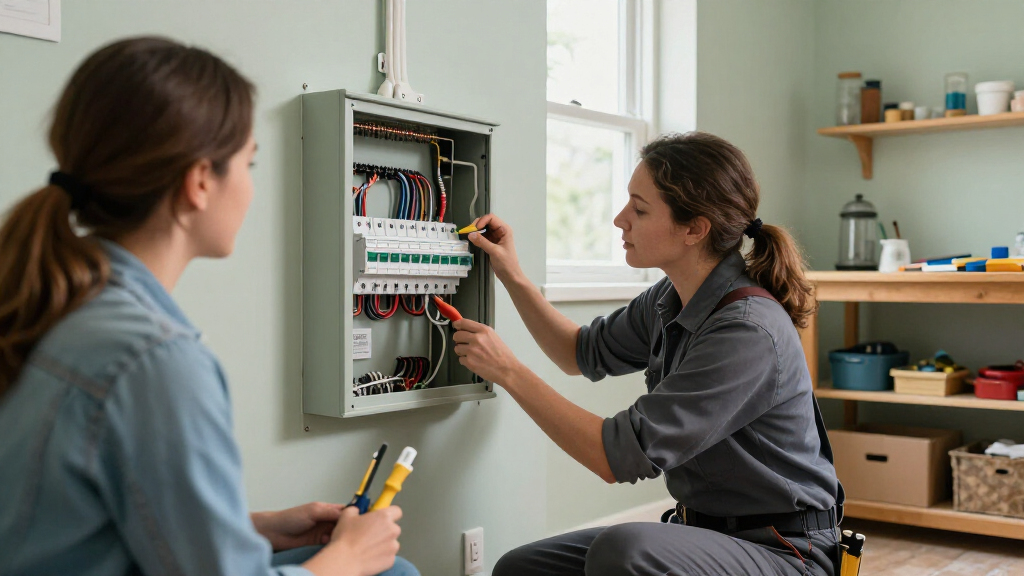
- Every model here needs professional installation inside the electrical panel — none of these are plug-in devices — so budget for an electrician regardless of which unit you pick.
| Leviton R2120-B Type 1 Surge Protective Panel, 120/240 VAC |  | Best for Harsh-Environment Installation | Type: Type 1 surge protective device | Voltage: 120/240 VAC, split phase | Max surge current: 18 kA per mode / 36 kA per phase | VIEW LATEST PRICE | See Our Full Breakdown |
| Type BR Two-Pole Circuit Breaker Surge Protective Device |  | Best for Eaton BR-Panel Owners Who Want a Slot-In Install | Type: BR (circuit breaker surge protective device) | Poles: Two | Installation: Snaps into BR-series load center breaker slots | VIEW LATEST PRICE | See Our Full Breakdown |
| Square D HEPD80 Whole Home Surge Protection Device, 1-Phase, 3-Wire, 120/240V, 80 kA |  | Best Name-Brand Reliability | Phase: 1-phase | Wire configuration: 3-wire | Voltage: 120/240V | VIEW LATEST PRICE | See Our Full Breakdown |
| HSPD-80 Whole-Home Surge Protective Device, Type 1, 120/240 VAC | 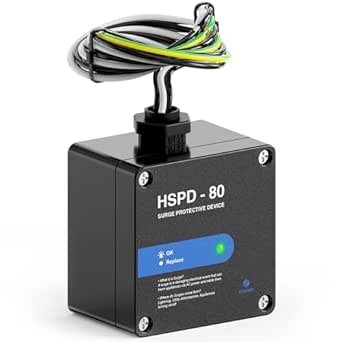 | Best Brand-Agnostic Pick | Type: Type 1 surge protective device | Surge capacity: Up to 80 kA | Voltage: 120/240 VAC | VIEW LATEST PRICE | See Our Full Breakdown |
| FHSPD108S Whole-Home Surge Protector, 108,000 Amps, 120/240V |  | Best for Maximum Surge Capacity | Model: FHSPD108S | Surge capacity: Up to 108,000 amps | System voltage: 120/240V | VIEW LATEST PRICE | See Our Full Breakdown |
| Type BR Whole-Panel Circuit Breaker Surge Protective Device |  | Best Plug-In Breaker Option for BR Panels | Panel Type: Type BR | Device Type: Plug-in circuit breaker surge protective device | Branch Circuit Spaces Used: 2 | VIEW LATEST PRICE | See Our Full Breakdown |
| Eaton CHSPT2ULTRA Surge Protection Device, 1-Phase, 120/240V, 2-Pole, 2-Wire |  | Best Brand-Agnostic Pick | Model: CHSPT2ULTRA | Phase: 1 | Voltage: 120/240V | VIEW LATEST PRICE | See Our Full Breakdown |
| ABB THOMESURGEP Whole Home Surge Protection Device, Type 1, NEMA 3R |  | Best Premium Service-Entrance Protection | Brand: ABB | Model: THOMESURGEP | Device Type: Type 1 surge protective device | VIEW LATEST PRICE | See Our Full Breakdown |
| Furniqro FHSPD36S Whole-Home Surge Protector, 36,000 Amps, 120/240V |  | Best Value High-Capacity Option | Brand: Furniqro | Model: FHSPD36S | Surge Capacity: 36,000 Amps | VIEW LATEST PRICE | See Our Full Breakdown |
| Type BR Whole-Panel Circuit Breaker Surge Protective Device (3-Pack) |  | Best for Multi-Panel Homes and Contractors | Panel Type: Type BR | Voltage: 120/240V | Branch Circuit Spaces: 2 per unit | VIEW LATEST PRICE | See Our Full Breakdown |
| Square D by Schneider Electric Homeline SurgeBreaker Surge Protection Device, 25 kA, 120/240 V |  | Best for Homeline Panel Owners | Brand: Square D by Schneider Electric | Model: HOM2175SB | Surge Capacity: 25 kA | VIEW LATEST PRICE | See Our Full Breakdown |
| HSPD Square Whole-Home Surge Protective Device, Type 1, 120/240 VAC (HSPD-25) |  | Most Flexible Installation | Type: Type 1 surge protective device | Voltage: 120/240 VAC | Surge Capacity: Up to 25/50/80 kA (rating not specified per unit) | VIEW LATEST PRICE | See Our Full Breakdown |
| Eaton CHSPT2SURGE Type 2 Whole-Home Surge Protector | 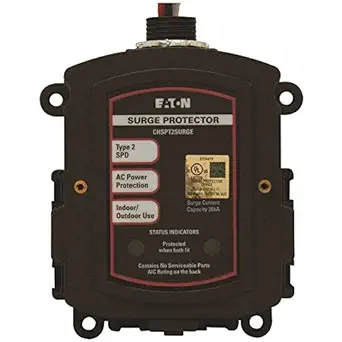 | Best Universal Hardwired Pick | Brand: Eaton | Model: CHSPT2SURGE | Type: Type 2 surge protector | VIEW LATEST PRICE | See Our Full Breakdown |
| Type BR Whole-Panel Circuit Breaker Surge Protective Device, 3-Pack |  | Best Multi-Panel Value | Panel Type: Type BR | Installation Space: 2 branch circuit spaces per device | Surge Current: 18 kA | VIEW LATEST PRICE | See Our Full Breakdown |
| Siemens QSPD2A035B BoltShield Indoor Surge Protective Device, 35 kA |  | Best Plug-In Capacity | Brand: Siemens | Model: QSPD2A035B | Surge Current Protection: 35 kA per phase | VIEW LATEST PRICE | See Our Full Breakdown |
| whole house surge protector | Voltage | Installation | Model |
|---|---|---|---|
| Leviton R2120-B Type 1 Surge P | 120/240 VAC, split phase | — | — |
| Type BR Two-Pole Circuit Break | — | Snaps into BR-series load center breaker slots | — |
| Square D HEPD80 Whole Home Sur | 120/240V | Residential load center | — |
| HSPD-80 Whole-Home Surge Prote | 120/240 VAC | Indoor or outdoor | HSPD-80 |
| FHSPD108S Whole-Home Surge Pro | — | Indoor or outdoor | FHSPD108S |
| Type BR Whole-Panel Circuit Br | 120/240V | — | — |
| Eaton CHSPT2ULTRA Surge Protec | 120/240V | — | CHSPT2ULTRA |
| ABB THOMESURGEP Whole Home Sur | 120/240 V and 120/208 V AC | — | THOMESURGEP |
| Furniqro FHSPD36S Whole-Home S | 120/240V | Indoor or outdoor | FHSPD36S |
| Type BR Whole-Panel Circuit Br | 120/240V | Pigtail wiring | — |
| Square D by Schneider Electric | 120/240 V, 1-phase, 3-wire | Plug-on; requires 2 spaces | HOM2175SB |
| HSPD Square Whole-Home Surge P | 120/240 VAC | Indoor or outdoor | — |
| Eaton CHSPT2SURGE Type 2 Whole | 120/240 VAC, single phase, 60 Hz | — | CHSPT2SURGE |
| Type BR Whole-Panel Circuit Br | — | Panel-mounted breaker-style | — |
| Siemens QSPD2A035B BoltShield | — | Plugs directly into load center bus, indoor | QSPD2A035B |
More Details on Our Top Picks
Leviton R2120-B Type 1 Surge Protective Panel, 120/240 VAC
Most whole-house surge protectors in this roundup, like the Square D HEPD80, assume a sheltered spot near the load center. The Leviton R2120-B stands apart because its NEMA 4X-rated enclosure can shrug off rain, dust, and corrosion — a real advantage if your panel sits on an exterior wall, in a garage exposed to the elements, or in a coastal climate where lesser enclosures corrode. Inside, thermally protected MOVs add a safety layer cheap units skip: if a surge overwhelms the metal oxide varistors, they disconnect rather than failing catastrophically. Compared with the breaker-style Type BR device, this model installs independently of your breaker brand, but it demands proper wiring knowledge — this is not a snap-in module. Its 18 kA per mode rating is also modest next to dedicated high-capacity units like the FHSPD108S, so homes in lightning-prone regions may want more headroom.
Pros:- NEMA 4X enclosure withstands rain, dust, and corrosion for indoor or outdoor mounting
- Thermally protected MOVs fail safely instead of burning out dangerously
- Works with any breaker brand, unlike Eaton CHSPT2 or Square D Homeline units tied to their own panels
- LED status monitoring gives at-a-glance confirmation the device is still protecting
Cons:- 18 kA per mode surge capacity is lower than 80 kA+ competitors like the HSPD-80
- Hardwired installation demands electrical expertise most homeowners don’t have
Best for: Homeowners with exterior or exposed electrical panels who need weather-resistant protection regardless of breaker brand
Not ideal for: DIYers wanting a simple breaker-slot install — this is a hardwired Type 1 device that realistically requires an electrician
- Type:Type 1 surge protective device
- Voltage:120/240 VAC, split phase
- Max surge current:18 kA per mode / 36 kA per phase
- Nominal discharge current:10 kA
- Status monitoring:LED
- Listing:UL 1449
- Weight:7.2 ounces
Our verdict“This pick makes the most sense for buyers whose panel location demands a genuinely weatherproof enclosure and who are comfortable hiring an electrician for a hardwired install.”
Type BR Two-Pole Circuit Breaker Surge Protective Device
If your home has a BR-series load center, this device turns whole-house surge protection into a ten-minute breaker swap — no separate enclosure, no new knockouts, no wall space. That simplicity is its whole pitch. Compared with hardwired Type 1 units like the Leviton R2120-B or the brand-agnostic HSPD-80, you trade flexibility for convenience: snap it into two slots and you’re done. The tradeoff cuts deeper than installation, though. Breaker-style SPDs typically carry lower surge capacity than dedicated units like the 108 kA FHSPD108S, and they consume panel space — a problem in crowded panels where you may need a tandem breaker to free up room. Sparse documentation also means you’ll lean on the panel label and Eaton’s compatibility charts. For the right panel, though, nothing else here is this painless.
Pros:- Installs directly into two breaker slots like a standard circuit breaker
- No separate enclosure, conduit, or wall space required
- Integrates cleanly with existing BR-series load centers
- Familiar breaker form factor simplifies replacement when it wears out
Cons:- Only compatible with BR-type panels — useless for Square D, Siemens, or CH owners
- Lower surge capacity than dedicated 80 kA+ units like the HSPD-80
- Occupies two panel slots, which is a real constraint in full load centers
Best for: Eaton/Cutler-Hammer BR panel owners who want plug-in surge protection without hiring an electrician for a hardwired unit
Not ideal for: Homes with Square D, Siemens, or other load centers — this only fits BR-series panels, and capacity-conscious buyers in lightning country will want a larger dedicated SPD
- Type:BR (circuit breaker surge protective device)
- Poles:Two
- Installation:Snaps into BR-series load center breaker slots
- Compatibility:Eaton/Cutler-Hammer BR panels
Our verdict“If you have a BR panel and value a fast, tidy install over maximum surge capacity, this slot-in device is the path of least resistance.”
Square D HEPD80 Whole Home Surge Protection Device, 1-Phase, 3-Wire, 120/240V, 80 kA
Square D is the load center most electricians already trust, and the HEPD80 carries that pedigree into surge protection with a genuine 80 kA rating — matching the HSPD-80 and comfortably outclassing the 18 kA-per-mode Leviton R2120-B. Where the generic HSPD-80 leaves you guessing on install details, Square D publishes thorough documentation and its devices are what many panel installers stock by default, which matters if anything goes wrong years from now. The LED replacement indicator quietly earns its keep: surge protection degrades invisibly after events, and a clear end-of-life signal prevents the false confidence of a dead protector. The honest caveat — even Square D states it works together with plug-in surge strips, not instead of them, so sensitive electronics still deserve point-of-use backup. It’s also tied to Square D’s ecosystem rather than being fully brand-agnostic.
Pros:- 80 kA surge capacity handles serious events, including nearby lightning-induced surges
- Well-documented installation backed by a major electrical brand electricians recognize
- LED indicator clearly signals when the device has sacrificed itself and needs replacing
- Protects hardwired appliances like HVAC compressors and ranges that plug-in strips can’t cover
Cons:- Requires load-center installation — not a DIY project for most homeowners
- Manufacturer positions it as layering with, not replacing, point-of-use surge strips
Best for: Homeowners with Square D panels — or anyone prioritizing documented specs and electrician familiarity over bargain pricing
Not ideal for: Buyers expecting one device to eliminate the need for plug-in surge strips on sensitive electronics
- Phase:1-phase
- Wire configuration:3-wire
- Voltage:120/240V
- Surge capacity:80 kA
- Installation:Residential load center
- Status indicator:LED
Our verdict“For buyers who want proven documentation and real 80 kA capacity from a name electricians stand behind, this is the dependable default.”
HSPD-80 Whole-Home Surge Protective Device, Type 1, 120/240 VAC
The HSPD-80‘s strongest selling point is what it doesn’t restrict: unlike the Type BR breaker device (Eaton panels only) or the Square D HEPD80‘s ecosystem leanings, this Type 1 unit works with any brand of circuit breaker and load center. That brand-agnostic design means it survives a future panel upgrade — you won’t be rebuying protection if you swap your load center in five years. Its 80 kA surge capacity puts it in the same protective class as the Square D HEPD80 and well above small breaker-slot units, and the durable casing permits indoor or outdoor mounting, echoing the Leviton R2120-B’s flexibility. The honest weakness is documentation: installation instructions are thin compared with Square D’s published guides, so budget for an electrician unless you’re confident reading wiring diagrams yourself. It’s a strong value on specs, but you’re trading support depth for that openness.
Pros:- Compatible with any brand of circuit breaker and load center — no ecosystem lock-in
- 80 kA surge capacity matches the Square D HEPD80’s protection level
- Rugged casing allows indoor or outdoor installation like the Leviton R2120-B
- Compact Type 1 design mounts without consuming breaker slots
Cons:- Installation instructions are minimal compared with major-brand alternatives
- Newer product with a shorter track record than established units like the Square D HEPD80
Best for: Homeowners with mixed-brand or future-upgraded panels who want high capacity without ecosystem lock-in
Not ideal for: Buyers who want extensive manufacturer documentation and support — the sparse install instructions put the burden on you or your electrician
- Type:Type 1 surge protective device
- Surge capacity:Up to 80 kA
- Voltage:120/240 VAC
- Circuit breaker compatibility:Any brand
- Installation:Indoor or outdoor
- Model:HSPD-80
Our verdict“If your panel brand is mixed, uncertain, or likely to change, this flexible 80 kA unit avoids lock-in while matching big-brand capacity.”
FHSPD108S Whole-Home Surge Protector, 108,000 Amps, 120/240V
When raw headroom is the priority, the FHSPD108S outmuscles everything else in this lineup — its 108,000-amp rating clears the 80 kA HSPD-80 and Square D HEPD80 by a wide margin, and dwarfs the smaller Furniqro FHSPD36S from the same family. Why does that matter in practice? Surge protectors degrade cumulatively; a device that absorbs big hits repeatedly keeps protecting longer before its LEDs signal the end of life. For homes in lightning-prone regions or on rural utility lines with dirty power, that buffer is genuine insurance. Like the HSPD-80, it’s brand-agnostic — any load center, any breaker — and the enclosure handles indoor or outdoor placement. The catch: capacity means nothing if grounding is sloppy. The manufacturer itself flags that proper grounding protocols are mandatory, and a mis-grounded 108 kA device protects worse than a correctly installed small one.
Pros:- Highest surge capacity in the roundup at 108,000 amps — maximum longevity against repeated events
- Works with any brand of load center and circuit breaker
- Indoor or outdoor enclosure placement flexibility
- LED indicators confirm active protection status at a glance
Cons:- Effectiveness depends heavily on correct grounding, which many homes get wrong
- Higher capacity than most homes strictly need, at a premium over smaller units
Best for: Homeowners in lightning-heavy or rural areas who want the largest surge buffer available and will ensure proper grounding
Not ideal for: Casual buyers who won’t verify grounding quality — oversized capacity is wasted, or worse, ineffective on a poorly grounded system
- Model:FHSPD108S
- Surge capacity:Up to 108,000 amps
- System voltage:120/240V
- Frequency:60Hz
- Installation:Indoor or outdoor
- Compatibility:Any brand of load centers and circuit breakers
- Status indicators:LED
Our verdict“For storm-belt and rural homeowners who will invest in proper grounding, this is the biggest surge buffer money can buy in this lineup.”
Type BR Whole-Panel Circuit Breaker Surge Protective Device
If your panel is a Type BR load center, this snap-in surge protective device is the cleanest path to whole-panel coverage — it installs like a standard double-pole breaker instead of requiring a separate enclosure. Compared with the Eaton CHSPT2ULTRA, which mounts externally and works with any manufacturer’s panel, this one trades universal compatibility for a tidier install that lives inside the panel itself. The catch is capacity: at 18 kA of surge current, it sits below the Siemens BoltShield at 35 kA and well under the Furniqro FHSPD36S, so homes in lightning-prone regions may want more headroom. It also consumes two branch circuit spaces, which matters in a full panel. This pick makes the most sense for BR-panel owners with spare slots who want a factory-matched fit rather than an adapter-style solution.
Pros:- Snaps directly into Type BR panels like a standard breaker
- Protects the entire panel rather than individual circuits
- Cleaner installation than externally mounted devices
- Factory-matched fit for BR load centers
Cons:- 18 kA surge current is lower than competing 35 kA+ devices
- Requires two available branch circuit spaces
- Only works with Type BR panels — no cross-brand flexibility
Best for: Owners of Type BR panels with at least two free breaker slots who want a factory-matched, in-panel surge solution
Not ideal for: Homes in severe lightning areas or with already-full panels — the 18 kA rating is modest and it eats two slots
- Panel Type:Type BR
- Device Type:Plug-in circuit breaker surge protective device
- Branch Circuit Spaces Used:2
- Voltage:120/240V
- Pack Quantity:1
Our verdict“A straightforward choice for BR-panel owners with spare slots who value a tidy in-panel fit over maximum surge capacity.”
Eaton CHSPT2ULTRA Surge Protection Device, 1-Phase, 120/240V, 2-Pole, 2-Wire
The standout strength of the Eaton CHSPT2ULTRA is that it connects to load centers from any manufacturer, which immediately sets it apart from panel-locked options like the Type BR breaker-style SPD. If you don’t know your panel brand, or you’re protecting a mixed-vendor setup, this model removes the compatibility guessing game entirely. As a Type 2 device, it wires into the load side of the breaker rather than clipping into a slot, so the tradeoff is a slightly more involved installation than a snap-in breaker — but it doesn’t consume branch spaces the way the BR unit does. Compared with the ABB THOMESURGEP, a Type 1 device that mounts ahead of the main breaker, this one is generally simpler for an electrician to retrofit on an existing service. It’s a safe default for most single-family homes on standard 120/240V single-phase service.
Pros:- Works with load centers from any manufacturer
- Standard 120/240V single-phase compatibility fits most US homes
- Doesn’t occupy breaker spaces in the panel
- Backed by Eaton, a major established electrical brand
Cons:- Requires hardwired installation rather than simple plug-in mounting
- No surge current capacity listed to compare against higher-rated rivals
Best for: Homeowners who don’t know their panel brand or have a mixed-brand electrical setup and need guaranteed compatibility
Not ideal for: DIYers expecting a breaker-style snap-in — this requires hardwiring into the panel by an electrician
- Model:CHSPT2ULTRA
- Phase:1
- Voltage:120/240V
- Poles:2
- Wires:2
- Device Type:Type 2 SPD
- Compatibility:Load centers from any manufacturer
Our verdict“The most flexible choice for buyers who need one surge protector that will fit whatever panel they already have.”
ABB THOMESURGEP Whole Home Surge Protection Device, Type 1, NEMA 3R
As a Type 1 SPD, the ABB THOMESURGEP installs ahead of the main breaker — at the service entrance — which means it intercepts surges before they ever reach the panel. That’s a tier of protection the Eaton CHSPT2ULTRA (a Type 2, load-side device) and the breaker-style Type BR unit can’t match. The 200 kA SCCR and 10 kA nominal discharge rating reflect its commercial-grade pedigree, and the NEMA 3R enclosure suits outdoor or sub-panel mounting. The flip side: installation touches the service equipment itself, so this is strictly a licensed-electrician job, typically at higher cost than a snap-in breaker SPD. It also doesn’t free you from the price premium Type 1 devices carry. For homeowners building new or upgrading a service who want the strongest first line of defense, this option stands out despite the installation complexity.
Pros:- Type 1 installation intercepts surges before the main breaker
- 200 kA short-circuit current rating for heavy-duty resilience
- NEMA 3R enclosure supports outdoor and sub-panel mounting
- Dual voltage support for 120/240V and 120/208V AC systems
Cons:- Installation involves electrical service equipment and requires a professional
- Higher overall cost than breaker-style or Type 2 alternatives
- Listing includes unrelated Midwest Power outlet content that may confuse buyers
Best for: Homeowners doing a new build or service upgrade who want surge interception at the service entrance, installed by an electrician
Not ideal for: Renters or budget-focused buyers wanting a simple retrofit — Type 1 service-entrance installation is the most involved and costly route
- Brand:ABB
- Model:THOMESURGEP
- Device Type:Type 1 surge protective device
- Voltage:120/240 V and 120/208 V AC
- SCCR:200 kA
- Nominal Discharge Current:10 kA
- Operating Frequency:50–60 Hz
Our verdict“The pick for buyers who want surge protection as close to the utility feed as possible and are willing to pay for professional installation.”
Furniqro FHSPD36S Whole-Home Surge Protector, 36,000 Amps, 120/240V
The Furniqro FHSPD36S punches above its price class with a 36,000-amp surge capacity — double the 18 kA rating of the Type BR breaker SPD — while still fitting all brands of load centers, matching the Eaton CHSPT2ULTRA’s brand-agnostic appeal. Add indoor/outdoor-rated mounting and LED status indicators, and you get flexibility the BR unit simply can’t offer. The tradeoffs are real, though: no warranty is listed, which is a meaningful gap when competitors like ABB and Eaton carry major-brand backing, and the manufacturer notes that grounding problems or misuse can derail installation — so a proper ground check is non-negotiable. It also trails the FHSPD108S’s massive 108,000-amp capacity for extreme lightning zones. For a straightforward capacity-per-dollar play on a standard home, this model makes the most sense.
Pros:- 36,000-amp surge capacity outperforms similarly priced 18–25 kA units
- Fits all brands of load centers and circuit breakers
- Rated for indoor or outdoor installation
- LED indicators give at-a-glance protection status
Cons:- No warranty is listed, unlike major-brand competitors
- Grounding problems or misuse can cause installation issues
- Lacks the name recognition and support network of Eaton or ABB
Best for: Budget-conscious homeowners who want above-average surge capacity and universal panel compatibility without paying for a premium brand name
Not ideal for: Buyers who prioritize warranty coverage and long-term brand support, or those in extreme lightning regions needing 100 kA-class protection
- Brand:Furniqro
- Model:FHSPD36S
- Surge Capacity:36,000 Amps
- Voltage:120/240V
- Frequency:60Hz
- Installation:Indoor or outdoor
- Compatibility:All brands of load centers and circuit breakers
- Status Indicators:LED
- Warranty:None listed
Our verdict“A strong capacity-for-the-money choice for homeowners comfortable trading brand backing and warranty for raw surge headroom.”
Type BR Whole-Panel Circuit Breaker Surge Protective Device (3-Pack)
This 3-pack takes the same Type BR breaker-style SPD formula — two branch slots, 18 kA rating, 120/240V — and bundles it for households with a main panel plus sub-panels, or for electricians covering multiple jobs. Compared with the single-unit Type BR SPD, the value proposition is coverage breadth rather than raw capacity: three protected panels beat one heavily protected panel in most homes. The pigtail installation wiring is a familiar job for anyone who has installed a breaker, but each unit still demands two free slots, so a trio needs six spaces total across your panels. Capacity-wise it lags the Furniqro FHSPD36S by half, so surge-heavy regions may prefer one higher-rated device over three modest ones. This option stands out for multi-property owners and pros who already standardize on BR hardware.
Pros:- Three units cover main panel plus sub-panels in one purchase
- Pigtail installation is familiar to anyone who has wired a breaker
- Snap-in BR-panel fit avoids external enclosures
- Standard 120/240V compatibility for typical residential service
Cons:- Requires six total branch circuit spaces across your panels
- 18 kA per unit is modest compared with 35 kA+ standalone devices
- Locked to Type BR panels with no cross-brand flexibility
Best for: Contractors and homeowners with multiple BR panels — main plus garage, shop, or rental sub-panels — who want consistent coverage everywhere
Not ideal for: Single-panel homes in lightning-prone areas — one higher-capacity unit like the FHSPD36S would serve better than three 18 kA devices
- Panel Type:Type BR
- Voltage:120/240V
- Branch Circuit Spaces:2 per unit
- Installation:Pigtail wiring
- Pack Size:3
Our verdict“The smart buy when you have several BR panels to protect at once — skip it if you only need one high-capacity device.”
Square D by Schneider Electric Homeline SurgeBreaker Surge Protection Device, 25 kA, 120/240 V
Most whole-house surge protectors force you to pick a mounting strategy, but the SurgeBreaker HOM2175SB skips that debate entirely — it plugs directly into a Homeline load center or CSED with no hardwiring at all. That makes installation dramatically faster than the Eaton CHSPT2SURGE, which demands a dedicated circuit breaker and field wiring. The tradeoff is ecosystem lock-in: unlike the HSPD-25, which works with any breaker brand and mounts indoors or out, this device only makes sense inside Square D’s Homeline family. Its 25 kA rating also sits below the Siemens BoltShield’s 35 kA per phase, so lightning-prone areas may want more headroom. For Homeline households, though, the LED status light, UL 1449 3rd Edition listing, and tool-light install are hard to argue with.
Pros:- Tool-light plug-on installation inside Homeline panels
- LED indicator confirms protection status at a glance
- UL 1449 3rd Edition listed for current safety standards
- Approved for service entrance locations and CSEDs
Cons:- Only compatible with Square D Homeline load centers
- 25 kA capacity is modest compared with 35–80 kA alternatives
- Occupies two panel spaces, which tightens crowded panels
Best for: Homeowners with an existing Square D Homeline load center or CSED who want a fast, clean, plug-on install without hiring an electrician for hardwiring
Not ideal for: Homes with non-Homeline panels — the plug-on design simply won’t fit, and buyers needing outdoor mounting or higher surge capacity should look elsewhere
- Brand:Square D by Schneider Electric
- Model:HOM2175SB
- Surge Capacity:25 kA
- Voltage:120/240 V, 1-phase, 3-wire
- Installation:Plug-on; requires 2 spaces
- Compatible Locations:Service entrances, CSEDs, Homeline load centers
- Certification:UL 1449 3rd Edition listed
Our verdict“If you already own a Homeline panel, this is the simplest path to whole-home surge protection — everyone else should pass.”
HSPD Square Whole-Home Surge Protective Device, Type 1, 120/240 VAC (HSPD-25)
Flexibility is the whole story here. As a Type 1 SPD, the HSPD-25 can be wired on the line side of the main breaker, and its brand-agnostic circuit breaker compatibility plus indoor/outdoor rating mean it fits homes the Square D SurgeBreaker and Siemens BoltShield can’t touch. Compared with the Eaton CHSPT2SURGE, buyers also dodge the dedicated-breaker requirement, which trims electrician time and panel space. My one real hesitation is the spec sheet: the surge capacity is listed as 25/50/80 kA without clarifying which number applies to this exact unit, and that ambiguity matters when you’re sizing protection against the plainly rated 80 kA Square D HEPD80. If lightning is a serious concern in your area, that vagueness may push you toward a clearly rated alternative. For everyone else, the compact body and mounting freedom carry a lot of practical weight.
Pros:- Works with circuit breakers from any brand
- Type 1 rating permits line-side installation
- Suitable for both indoor and outdoor mounting
- Compact design fits tight wall or panel locations
Cons:- Surge capacity listing of 25/50/80 kA doesn’t clarify the actual rating
- U-SPM technology is less documented than established competitors’ platforms
- Lower tier of the capacity range trails dedicated 80 kA units
Best for: Homeowners with mixed-brand or older panels who want one device that installs indoors or outdoors without compatibility headaches
Not ideal for: Buyers who need a clearly documented surge capacity — the ambiguous 25/50/80 kA listing makes it hard to compare against explicitly rated competitors
- Type:Type 1 surge protective device
- Voltage:120/240 VAC
- Surge Capacity:Up to 25/50/80 kA (rating not specified per unit)
- Circuit Breaker Compatibility:Any brand
- Installation:Indoor or outdoor
- Technology:U-SPM
Our verdict“The pick for awkward installations and brand-mismatched panels, provided you accept some fuzziness on the headline surge rating.”
Eaton CHSPT2SURGE Type 2 Whole-Home Surge Protector
This is the option I’d point to when panel brand loyalty doesn’t apply. The CHSPT2SURGE hardwires into load centers from any manufacturer, which immediately distinguishes it from the Siemens BoltShield’s Siemens-only bus plug-in design. Its NEMA 4 enclosure is also the toughest housing in this batch — the HSPD-25 offers flexible placement, but Eaton’s rating means real resistance to water and dust, making it comfortable in garages and damp utility areas. The catch is installation: as a Type 2 device, it must connect on the load side through a dedicated circuit breaker, so this is an electrician job with added panel space consumed — the plug-on Square D SurgeBreaker is far simpler if you own the right panel. At just over 13 ounces, the build feels tidy rather than industrial, but the quick-connect module mounting keeps the wiring clean.
Pros:- Compatible with load centers from any manufacturer
- NEMA 4 enclosure handles damp and dusty environments
- LED status indication confirms ongoing protection
- Quick-connect design simplifies module mounting
Cons:- Requires hardwiring through a dedicated circuit breaker
- Type 2 rating limits it to load-side installation only
- 22–36 kA capacity trails premium 80 kA units
Best for: Homeowners with mixed-brand panels who want a rugged, weather-rated enclosure and are comfortable paying an electrician for hardwired installation
Not ideal for: DIYers and anyone with a full panel — the dedicated circuit breaker requirement means professional wiring and two spare spaces you may not have
- Brand:Eaton
- Model:CHSPT2SURGE
- Type:Type 2 surge protector
- Voltage:120/240 VAC, single phase, 60 Hz
- Enclosure:NEMA 4
- Surge Current Capacity:22 kA (36 kA per phase)
- Connection:Hardwired; load side via dedicated circuit breaker
- Status Indication:LED
Our verdict“The safest universal choice for brand-agnostic, professionally installed protection in less-than-pristine locations.”
Type BR Whole-Panel Circuit Breaker Surge Protective Device, 3-Pack
Bought singly, whole-panel surge devices add up — which is exactly why this three-pack exists. Anyone managing a home plus a workshop, a rental property, or an outbuilding with Type BR panels can outfit each panel for less per unit than buying the Eaton CHSPT2SURGE or HSPD-25 individually. Like the Square D SurgeBreaker, each device snaps into two branch circuit spaces on the panel bus, so installation stays refreshingly screwdriver-free compared with Eaton’s hardwired approach. The honest tradeoff is capacity: at 18 kA per device, this is the lowest surge rating in the lineup, well under the Siemens BoltShield’s 35 kA per phase, so it’s better viewed as baseline protection across multiple panels than maximum defense for one. Single-panel homeowners with adequate headroom needs should buy a higher-rated unit instead.
Pros:- Three units in one pack lowers cost per protected panel
- Breaker-style install uses standard branch circuit spaces
- Whole-panel coverage from a familiar form factor
- No hardwiring or separate enclosure needed
Cons:- 18 kA surge rating is the lowest in this roundup
- Only fits Type BR panels
- Each device consumes two branch circuit spaces
Best for: Landlords, multi-building property owners, or anyone with two or three Type BR panels to protect on a per-panel budget
Not ideal for: Owners of a single panel in a lightning-prone region — the 18 kA rating is the lowest here and one higher-capacity device would serve better
- Panel Type:Type BR
- Installation Space:2 branch circuit spaces per device
- Surge Current:18 kA
- Pack Quantity:3 devices
- Installation:Panel-mounted breaker-style
- Coverage:Whole panel
Our verdict“A smart volume buy for protecting multiple BR panels affordably, but not the choice for maximum single-panel surge capacity.”
Siemens QSPD2A035B BoltShield Indoor Surge Protective Device, 35 kA
The BoltShield threads a nice needle: 35 kA of surge protection per phase in a device that plugs directly onto the Siemens bus — no enclosure, no field wiring, no electrician visit that stretches past an hour. That combination beats the Square D SurgeBreaker on raw capacity (25 kA) while remaining far simpler to mount than the hardwired Eaton CHSPT2SURGE. The green and red mechanical indicators are also more informative than most single-LED rivals, showing at a glance whether protection is live or spent. Two things hold it back from a broader recommendation: it’s Siemens-only, instantly excluding most panels in the wild, and it’s rated for indoor installation only — the HSPD-25 and Eaton both handle outdoor exposure. The 3-year, $10,000 connected-equipment warranty softens the blow of those limits for eligible households.
Pros:- 35 kA per phase outpaces comparable plug-on rivals
- Direct bus plug-in eliminates wiring and separate enclosures
- Dual green/red mechanical indicators clearly show status
- 3-year/$10,000 connected-equipment warranty included
Cons:- Compatible only with Siemens load centers
- Indoor installation rating only
- Lighter 6.4 oz build reflects a compact, not rugged, housing
Best for: Siemens panel owners who want near-premium surge capacity with the simplest possible in-panel installation
Not ideal for: Homes without Siemens load centers or anyone needing outdoor-rated protection — the bus plug-in design and indoor rating rule both out
- Brand:Siemens
- Model:QSPD2A035B
- Surge Current Protection:35 kA per phase
- Compatibility:Siemens load centers
- Status Indicators:Green/red mechanical indicators
- Installation:Plugs directly into load center bus, indoor
- Warranty:3 years / $10,000 standard
- Item Weight:6.4 ounces
Our verdict“Siemens households get the best capacity-to-effort ratio here; everyone else needs a brand-agnostic alternative.”

How We Picked
I evaluated each whole house surge protector on five factors that directly affect real-world protection: surge current capacity (higher kA ratings absorb more cumulative surge energy before the device wears out), panel compatibility (breaker-style units only fit specific panel brands, while Type 1 and Type 2 wire-in units are nearly universal), installation complexity (breaker-format devices snap in like standard breakers, wire-in units require mounting and landing conductors), monitoring and status reporting (indicator lights tell you when the device has sacrificed itself and needs replacement), and build quality and enclosure rating (NEMA ratings determine whether a unit can handle outdoor or garage installations).
Ranking followed the logic a buyer would actually use. High-capacity universal models like the Square D HEPD80 rose to the top because they combine strong protection with wide compatibility and a trusted status-indicator system. Breaker-style units ranked based on the convenience tradeoff — easier installation, but only if your panel matches. Lower-capacity 25–35 kA models landed lower because their smaller surge reserves make them better suited as secondary protection or for mild surge environments, not primary whole-home defense. Multi-packs were judged on whether a typical homeowner actually benefits from three units, which most do not.
Factors to Consider When Choosing Whole House Surge Protectors
Before picking a specific model, it helps to understand what separates a smart purchase from a wasted one in this category. These are the factors that actually change how well your home is protected.Type 1 vs. Type 2 vs. Breaker-Style Devices
The format you choose determines both compatibility and installation effort. Type 1 devices can be installed on the line side of the main breaker, which offers protection even before the main disconnect — useful for extreme surge environments. Type 2 devices must connect on the load side, which is how most residential electricians wire them anyway. Breaker-style SPDs are the wildcard: they physically replace or occupy a breaker slot, which makes installation fast and clean, but they lock you into a specific panel family. A common mistake is buying a breaker-format SPD because it looks easier, only to find it doesn’t fit a different-brand panel. If you plan to replace your panel in the next few years, a universal wire-in unit avoids that dead-end.
Surge Current Capacity: How Many kA Do You Need?
Capacity ratings in this category range from 25 kA to over 100 kA, and the number represents how much surge current the device can divert in a single event — plus, cumulatively, over its lifespan. A 25–35 kA unit handles ordinary grid fluctuations and appliance-induced surges fine, but a nearby lightning strike can exhaust it in one hit. An 80 kA-plus unit gives you headroom for repeated events and harsher electrical environments, which is why I weight capacity heavily in the rankings. Homes in areas with frequent lightning, older municipal grids, or large HVAC systems benefit most from the higher ratings. If you live in a mild-surge area and use plug-in protectors for sensitive electronics, a mid-range capacity is a reasonable compromise.
Panel Brand Compatibility
This is where more buying mistakes happen than anywhere else. Breaker-style SPDs in this roundup are built for Eaton BR-series panels (and certain GE panels with adapter considerations), the Square D Homeline SurgeBreaker fits Homeline panels only, and the Siemens BoltShield targets Siemens load centers. Wire-in units like the Eaton CHSPT2ULTRA, ABB THOMESURGEP, and Square D HEPD80 sidestep the problem entirely by landing on any panel’s bus or a spare breaker. Before ordering, open your panel door and photograph the label — the brand and series are printed there, and that photo will tell you instantly which format applies. Guessing here means a return shipment and a delayed install.
Status Indicators and End-of-Life Warnings
Every surge protector eventually sacrifices itself — the metal oxide varistors inside wear out absorbing repeated surges, and a spent SPD looks identical to a healthy one from the outside. That’s why indicator lights or audible alarms matter more than buyers expect. Models like the Eaton CHSPT2ULTRA and Square D HEPD80 include clear status reporting so you know when to replace the unit after a major storm. Cheaper or more basic units may only offer a small window LED, and some budget options give you little feedback at all. Since a silent failure leaves your home unprotected for months, I treat visible, reliable status reporting as a meaningful differentiator rather than a luxury feature.
Installation Requirements and Cost
None of these devices are DIY plug-ins — every one installs inside or on the electrical panel, which in most jurisdictions requires a licensed electrician and possibly a permit. Expect the labor to add a meaningful amount to the total project cost, sometimes rivaling the price of the device itself. Breaker-style units usually install faster because they snap into an existing slot, while wire-in units need mounting space (often on the side of the panel or nearby), short conductor runs, and a dedicated breaker connection. If your panel is full with no spare slots, a wire-in Type 1 unit that mounts externally becomes the practical choice. Getting two or three quotes is worthwhile, since electricians price SPD installs quite differently.
Layered Protection Strategy
A whole house SPD is the first layer, not the only one. It clamps large surges before they reach your wiring, but a small residual voltage can still reach sensitive electronics. The standard approach — recommended by electrical codes and utilities — is a tiered system: a whole-panel SPD at the service entrance, point-of-use protectors at expensive equipment, and for high-value electronics, a UPS with surge suppression. One mistake I see repeatedly is homeowners treating a 25 kA panel device as complete protection for a home theater or gaming setup. Pairing one of the higher-capacity units from this list with quality plug-in strips gives you far better real-world results than any single device alone.
Frequently Asked Questions
Can I install a whole house surge protector myself?
Do I need 80 kA, or is 25–35 kA enough?
Are the 3-packs of Type BR surge breakers worth buying?
What happens when a whole house surge protector wears out?
Will a whole house surge protector protect against direct lightning strikes?
Conclusion
Matching the right surge protector to your situation comes down to three questions: what panel do you have, how harsh is your surge environment, and how much install complexity will you accept. For best overall, the Square D HEPD80 combines top-tier 80 kA capacity with universal panel compatibility and reliable status indication — the safest default for most homes. The Eaton CHSPT2ULTRA is my best premium pick, pairing high capacity with a NEMA-rated enclosure and the best monitoring in the lineup for buyers who want maximum confidence. For best value, the HSPD-80 delivers the same 80 kA class of protection at a more accessible price point, while the Siemens BoltShield works if your budget and surge exposure are both moderate.
If you’re a beginner or want the simplest path, the Type BR breaker-style SPD snaps into compatible Eaton BR panels like an ordinary breaker — the least intimidating install, though an electrician is still required. The Homeline SurgeBreaker plays the same role for Square D Homeline panel owners. For specific needs: the ABB THOMESURGEP with its NEMA 3R enclosure suits outdoor or exposed mounting locations, the FHSPD108S offers the highest raw capacity for lightning-prone regions, and the 3-packs make sense only for electricians or multi-panel properties. Whatever you choose, verify your panel label before ordering and budget for professional installation — the right device, correctly installed, is some of the cheapest insurance your home’s electronics will ever get.
Halloween Picks
halloween
As an affiliate, we earn on qualifying purchases.