To create a backup power plan for your two-story home, start by identifying essential appliances and systems like your fridge, heating, lights, and communication devices. Determine the capacity needed for a backup system that can support these loads, and consider integrating renewable options like solar panels paired with batteries for sustainability. Use transfer switches and backup solutions like portable generators to guarantee continuous power. To maximize reliability, combining renewable energy with traditional options is key—continue exploring to learn more.
Key Takeaways
- Identify essential appliances and systems to prioritize during power outages for safety and functionality.
- Calculate backup power capacity based on critical loads for both floors and main circuits.
- Integrate renewable energy sources like solar panels with battery storage for sustainable backup power.
- Use transfer switches to easily switch between grid, renewable, and backup power sources.
- Regularly test, maintain, and adapt your backup system to ensure reliability during outages.
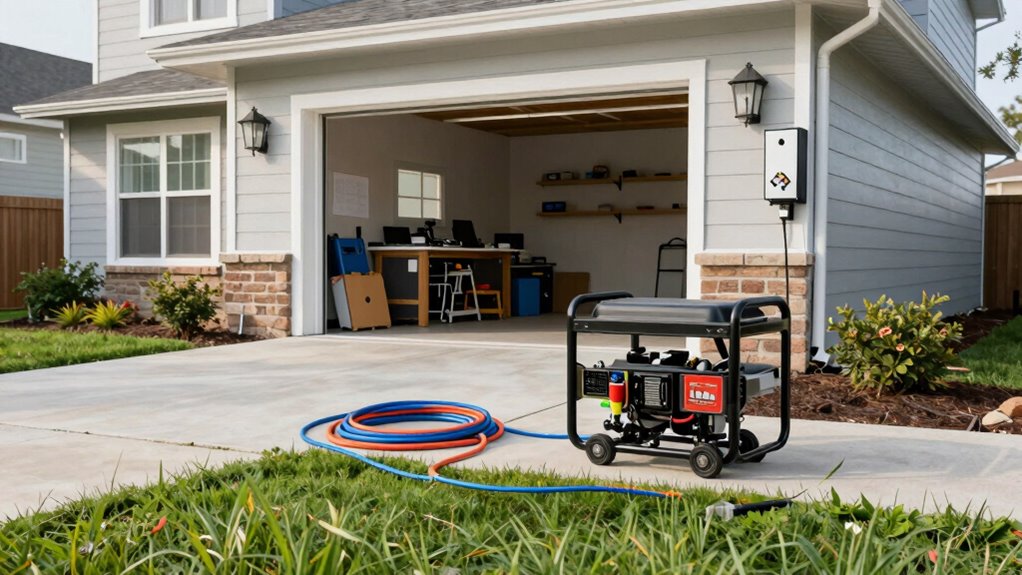
When a power outage strikes, having a reliable backup power plan guarantees your two-story home stays comfortable and functional. Power outage preparedness is essential, especially if you rely on electricity for heating, cooling, or medical devices. To create a solid backup plan, you should consider integrating renewable energy sources, which can provide sustainable and cost-effective power during outages. Solar panels paired with a battery storage system are an excellent starting point. They allow you to harness sunlight during the day and store energy for nighttime or cloudy days, reducing reliance on fossil fuels and lowering your energy costs over time.
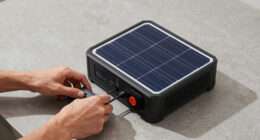
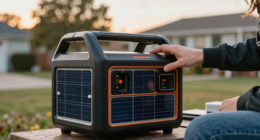
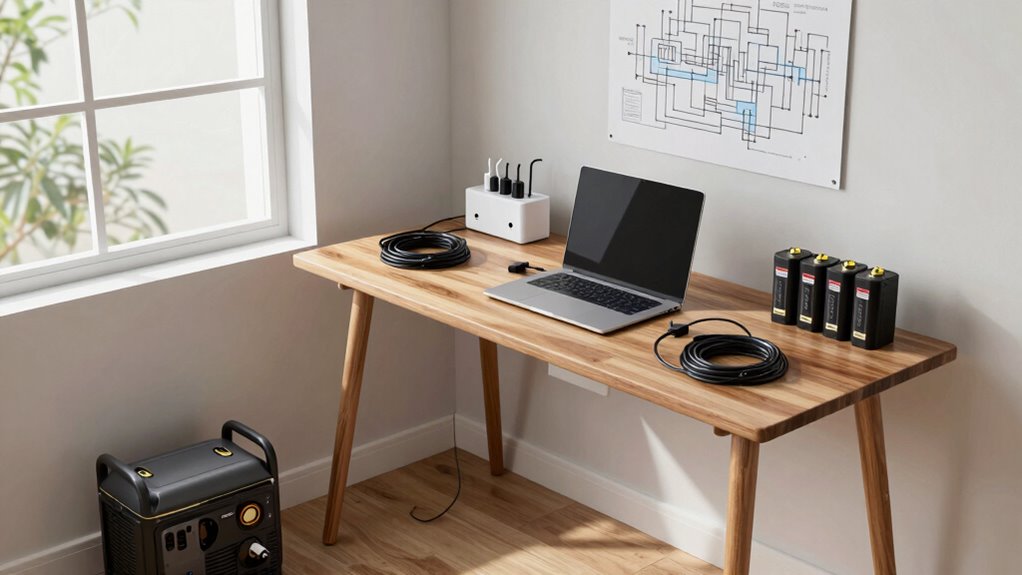
Begin by evaluating your home’s energy needs. List the critical appliances and systems you want to keep running during an outage, such as your refrigerator, heating system, lights, and communication devices. This step helps you determine the capacity of the backup system you’ll need. For a two-story home, it’s wise to focus on a combination of portable generators and a fixed renewable energy system. Portable generators can power smaller appliances and devices, but for continuous and cleaner energy, investing in a solar-plus-battery system is smarter. Consider consulting with a professional to design a system tailored to your home’s specific energy demands and local solar potential.
Evaluate your home’s essential appliances and consider a solar-plus-battery system for reliable backup power.
Next, think about the installation and integration of renewable energy systems. Solar panels can be mounted on your roof or in your yard, and paired with a battery bank that stores excess energy. During a power outage, the stored energy can power essential circuits through a transfer switch, ensuring that your home remains livable without the noise and emissions of traditional generators. A well-designed system can also be connected to the grid, allowing for net metering, which can offset your energy costs when the grid is operational. Additionally, understanding renewable energy options can help you choose the most effective setup for your home’s needs. Incorporating energy storage solutions is crucial for maximizing the benefits of renewable energy during outages.
Lastly, don’t forget the importance of regular maintenance and testing. Keep your backup system in top condition by scheduling periodic inspections and ensuring your batteries are charged and functioning properly. Stay informed about weather forecasts and plan your renewable energy setup accordingly, so you’re prepared for seasonal variations. Having an all-encompassing backup power plan that combines renewable energy with traditional options enhances your power outage preparedness. It ensures your two-story home remains comfortable and functional, giving you peace of mind knowing you can weather outages with confidence and sustainability in mind.
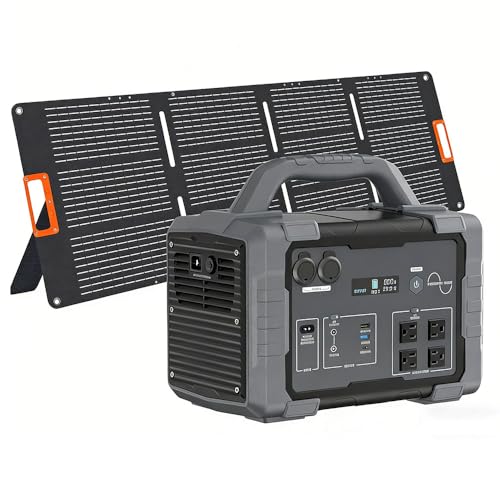
STARYLINE Solar Generator 1800W (3600W Surge) with 200W Solar Panel, 1024Wh LiFePO4 Portable Power Station Kit, 1.5H AC Fast Charge, Clean Energy for Home Backup, RV Camping, Emergency Outages
⚡ 1800W POWER ON THE GO: Experience true 1800W continuous AC output (3600W Surge). This heavy-duty solar generator…
As an affiliate, we earn on qualifying purchases.
As an affiliate, we earn on qualifying purchases.
Frequently Asked Questions
How Much Does a Backup Power System Typically Cost?
A backup power system typically costs between $3,000 and $15,000, depending on size and features. You should consider battery lifespan, which affects long-term costs, and fuel efficiency if choosing a generator. Investing in a reliable system guarantees your home stays powered during outages. Smaller portable options are cheaper, but whole-home systems offer better convenience. Always compare models to find the best balance of cost, efficiency, and durability.
What Maintenance Is Required for Backup Generators?
You should regularly inspect and service your backup generator to guarantee reliable operation. This includes checking fuel efficiency and refilling fuel tanks before long outages. Additionally, test the system periodically to prevent unexpected failures. To reduce noise, consider installing soundproof enclosures or mufflers. Remember, routine maintenance like changing oil, replacing filters, and inspecting spark plugs keeps your generator running smoothly and extends its lifespan, making sure it’s ready when you need it most.
Can I Install a Backup Power System Myself?
You can attempt a DIY installation of a backup power system, but safety considerations are vital. Make certain you understand electrical wiring and local codes before proceeding. If you’re unsure, it’s best to hire a professional to avoid risks like electrical shock or fire. Properly installed, a backup power system guarantees safety and reliability, so weigh your skills carefully before starting any DIY project.
How Long Can a Backup Generator Run Continuously?
A typical backup generator can run continuously for about 8 to 12 hours, depending on its fuel and power capacity. For example, a homeowner with a 10,000-watt generator fueled by propane might run it overnight during a power outage. Keep in mind, generator fuel consumption varies, so always have extra fuel on hand. Regular maintenance and proper sizing guarantee your generator can run as long as needed during emergencies.
What Safety Precautions Should I Follow During Installation?
During installation, you should prioritize safety by turning off the main electrical supply and using proper safety gear like gloves and goggles. Carefully handle electrical wiring, making certain connections are secure and insulated to prevent shocks or fires. Follow manufacturer instructions and local codes, and avoid rushing. If unsure, consider hiring a licensed electrician to guarantee safe, compliant installation, minimizing risks to yourself and your home.

Connecticut Electric Series 2 Backup Power Manual Transfer Switch Kit, 50 Amp, 10 Circuits, with 25' Cord & Outdoor Rated 50A Inlet (Transfer Switch Kit – 25 ft Cord)
HIGH-CAPACITY POWER SOLUTION: Designed for residential or small business applications with substantial power requirements, this robust transfer switch…
As an affiliate, we earn on qualifying purchases.
As an affiliate, we earn on qualifying purchases.
Conclusion
A backup power plan isn’t just a safety net; it’s your home’s silent guardian, ready to spring into action when the lights go out. By planning ahead and choosing the right solutions, you’re not just preparing for inconvenience—you’re ensuring peace of mind amid the storm. Think of it as your home’s heartbeat, steady and unwavering, no matter what chaos tries to shake it. Stay prepared, and let your home stand resilient like a fortress in the night.

Ontel Battery Daddy Storage & Organizer Case w/Tester, Stores & Protects Up to 180 Batteries, Double-Sided, Clear Locking Lid, Secure Latches & Portable Carrying Handle – Red (Batteries Not Included)
Double-Sided Battery Organizer: The Ontel Battery Daddy is a compact & portable way to organize, store and protect…
As an affiliate, we earn on qualifying purchases.
As an affiliate, we earn on qualifying purchases.

Westinghouse 12500 Watt Dual Fuel Home Backup Portable Generator, Remote Electric Start, Transfer Switch Ready, Gas and Propane Powered
9500 Running Watts and 12500 Peak Watts (Gasoline); 8500 Running Watts, 11200 Peak Watts (Propane); Remote Start with…
As an affiliate, we earn on qualifying purchases.
As an affiliate, we earn on qualifying purchases.