
In the first five minutes of a power outage, focus on safety and securing essentials like flashlights, batteries, and your phone. It’s essential to confirm whether the outage is brief or widespread, so check emergency channels or contact your utility company. Knowing the outage duration lets you plan better and prevents unnecessary panic. Stay aware and organized — there’s more critical advice that can help you handle this situation wisely.

Get backup power and energy gear delivered free with Prime
- Fast, free delivery on millions of items
- Prime Video, Amazon Music and more included
- Member-only deals all year
Key Takeaways
- Quickly assess safety hazards like downed lines or sparks before reacting.
- Confirm whether the outage is isolated or widespread via utility updates or alerts.
- Check if your essential supplies, like flashlights and batteries, are accessible.
- Verify your phone is charged and consider backup power options for communication.
- Determine outage duration to decide if immediate action or resource conservation is needed.
Products Worth Considering

Bose SoundLink Flex Bluetooth Speaker (2nd Gen) – Portable Outdoor Speaker with Hi‑Fi Audio, Waterproof and Dustproof, USB‑C, Up to 12 Hours

Samsung 65-Inch The Frame Pro Neo QLED 4K TV (2026) Bundle with Modern Brown Bezel, HDMI Cables, and Home Theater Guide

Dyson V8 Cyclone Cordless Vacuum
As an affiliate, we earn on qualifying purchases.
Assess the Situation and Secure Essential Items
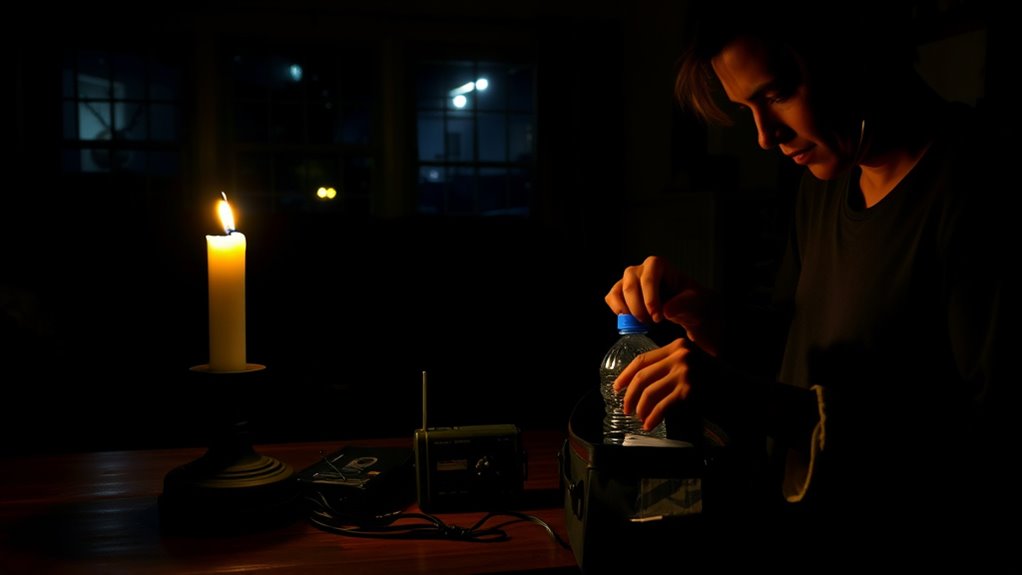
When the power goes out unexpectedly, your first priority is to quickly assess the situation and gather essential items. Check for any hazards, like downed power lines or sparks, to guarantee your safety and prevent accidents. If you have a generator, remember generator safety: never operate it indoors or in enclosed spaces, and keep it dry. Secure your crucial supplies such as flashlights, batteries, and a basic first-aid kit. It’s also important to establish emergency communication: make sure your phone is charged, and if possible, have a backup power source. Staying calm and organized helps you respond effectively. Understanding the importance of safe generator operation can help you better prepare your home for power disruptions, ensuring your entertainment setup remains safe and functional. It’s beneficial to familiarize yourself with power outage preparedness steps to stay resilient during unexpected blackouts. Being aware of emergency safety protocols allows you to act swiftly and reduce risks. Additionally, having an emergency plan in place can streamline your response and keep everyone safe. By acting swiftly and responsibly, you’ll minimize risks and ensure you’re prepared for the steps ahead.
Confirm the Outage Duration and Implement Step 2
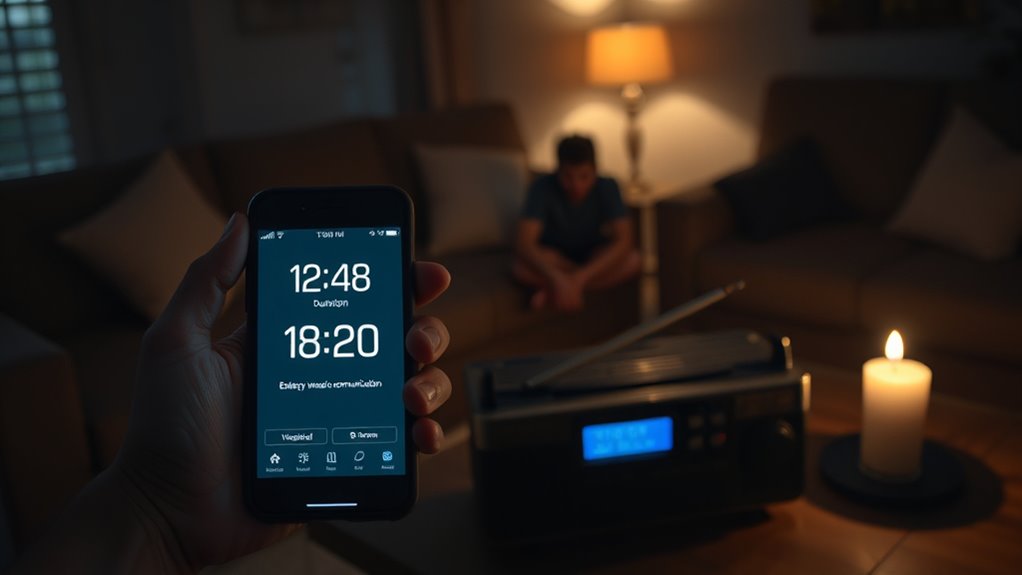
To effectively respond to a power outage, you need to determine how long it might last. Check your emergency communication channels—radio, phone alerts, or utility updates—to gather information about the outage’s expected duration. This information can help you decide whether to wait it out or prepare for longer-term measures. If you have a generator, verify it’s properly maintained and ready to power essential appliances. Confirm the outage isn’t isolated to your home by contacting your utility or checking online updates. Knowing the estimated duration allows you to plan your next steps, such as conserving resources or setting up backup power. Understanding outage causes can also help you assess the situation more accurately. Power management strategies are useful to have in mind, especially if outages tend to be prolonged. Clear communication and generator readiness are key to managing the situation effectively and avoiding unnecessary panic. Incorporating emergency preparedness into your response can further improve your resilience during outages.
Frequently Asked Questions
How Can I Tell if the Outage Is Widespread or Localized?
You can tell if the outage is widespread or localized by checking your utility company’s outage notifications online or through their app. Look for updates that specify the affected areas. Also, listen for local news or ask neighbors about power loss. Staying storm prepared helps you recognize patterns. If many nearby homes are out, it’s likely a widespread outage. Keep your phone charged and monitor official sources for timely info.
Should I Turn off Appliances During a Power Outage?
You should turn off appliances during a power outage to protect appliance safety and prevent power surge damage. Unplugging devices reduces the risk of damage from sudden surges when power returns. Keep essential appliances like your refrigerator running if possible, but turn off non-essential devices. This proactive step helps safeguard your electronics and makes sure they’re prepared for when the power comes back on, avoiding costly repairs or replacements.
What Items Are Essential to Have on Hand Immediately?
Did you know nearly 80% of power outages last less than an hour? You should have your emergency kit ready with essential supplies like bottled water, non-perishable food, flashlight, batteries, a first aid kit, and necessary medications. These items are crucial to keep you safe and comfortable until power is restored. Keep your emergency kit in an accessible spot so you can grab it quickly when needed.
How Do I Communicate if Phone Service Is Down?
If phone service is down, you should use your emergency kit’s backup communication plan. Reach out to neighbors, friends, or family members who might have working phones or internet. Keep a battery-powered or hand-crank radio to get updates. Make sure your communication plan includes alternative ways to stay in touch, like messaging apps or social media, and share your location if possible. Stay calm and stay connected through these methods.
When Is It Safe to Turn Appliances Back On?
You should wait until power is fully restored and any generator safety protocols are followed before turning appliances back on. Make sure your emergency kit is accessible in case you need it. Avoid reconnecting appliances immediately to prevent power surges. Check your generator’s safety instructions first, and only restart appliances gradually. This approach helps prevent damage and keeps you safe during the recovery process.
Conclusion
Once you’ve checked the outage and secured essentials, remember that quick action keeps chaos at bay. Missing step 2 can leave you in the dark longer than necessary, like wandering blindly in a storm. Stay calm, confirm how long the power will be out, and prepare accordingly. Think of this moment as the calm before the storm—your preparedness can turn a crisis into an opportunity to stay safe and in control, no matter what surprises come next.