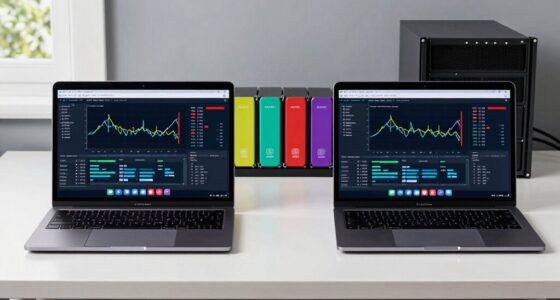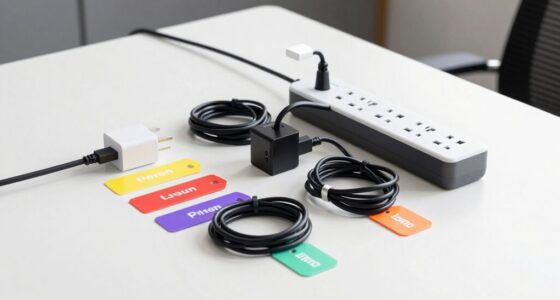
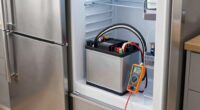
To build a simple home comfort backup plan, focus on essential systems like heating, cooling, and refrigeration. Choose easy-to-operate, maintenance-friendly backup equipment, such as portable generators with energy-efficient engines. Keep emergency supplies organized and accessible, and use smart technology like programmable thermostats to save energy. Practice conservation to reduce overall power needs, making your backup plan more effective. If you keep exploring, you’ll discover how to streamline your approach even further.
Key Takeaways
- Prioritize essential appliances like heating, cooling, and refrigeration for backup power during outages.
- Choose simple, portable backup solutions that are easy to operate and maintain.
- Keep accessible emergency supplies and portable chargers ready for quick deployment.
- Implement energy-efficient devices and smart thermostats to reduce backup energy needs.
- Practice conservation and power management to minimize overall energy consumption and improve readiness.
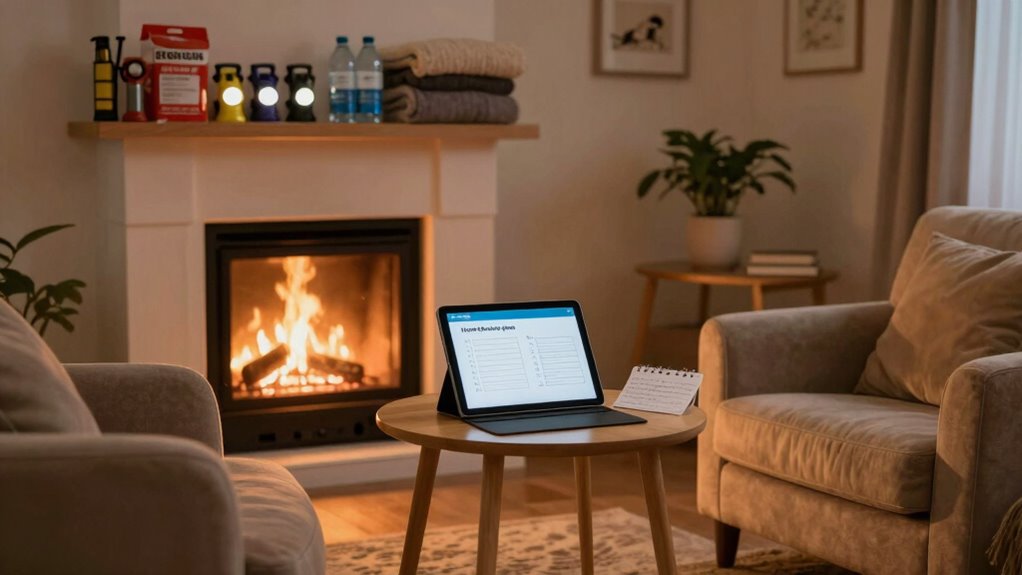
When unexpected power outages or emergencies strike, having a backup plan for your home comfort can make all the difference. It’s not about overcomplicating things; it’s about creating simple, effective solutions that keep you comfortable without adding stress. Start by prioritizing your needs—know which appliances or systems are essential during an outage, like heating, cooling, or refrigeration. This focus helps you avoid unnecessary investments and keeps your emergency preparedness realistic. Incorporating energy-efficient devices can also extend the lifespan of your backup resources and reduce energy consumption, making your plan more sustainable. For instance, a small, portable generator that runs on fuel-efficient engines can power your critical devices without wasting energy or creating excess noise. When selecting backup equipment, opt for models that are easy to operate and maintain, so you’re not overwhelmed when a crisis hits.
To simplify your backup plan, consider integrating a few key strategies. First, keep a designated emergency kit with essential supplies, including batteries, flashlights, and portable chargers. This way, you’re ready to stay connected and safe without rummaging through drawers or closets. Second, think about incorporating smart technology, like programmable thermostats or energy monitors, which can optimize your home’s energy use even during normal times. These tools help you identify ways to improve your home’s overall energy efficiency, reducing your reliance on backup systems during regular operations and ensuring they’re reserved for true emergencies. Additionally, understanding home energy efficiency can help you make smarter choices that keep your home comfortable with less dependence on backup systems. A clear understanding of power management can further enhance your preparedness, ensuring your backup solutions are used effectively and efficiently. Furthermore, adopting conservation practices can significantly decrease your overall energy needs, making backup solutions more practical and sustainable. Being aware of energy-saving tips can also help you implement small adjustments that make a big difference during outages, especially when combined with a basic knowledge of alternative power sources.

Westinghouse 12500 Watt Dual Fuel Home Backup Portable Generator, Remote Electric Start, Transfer Switch Ready, Gas and Propane Powered
9500 Running Watts and 12500 Peak Watts (Gasoline); 8500 Running Watts, 11200 Peak Watts (Propane); Remote Start with…
As an affiliate, we earn on qualifying purchases.
As an affiliate, we earn on qualifying purchases.
Frequently Asked Questions
How Often Should I Review My Backup Plan?
You should review your backup plan at least twice a year to guarantee it stays effective. During these reviews, update emergency protocols and check maintenance schedules for your systems. Changes in your home, technology, or family needs can impact your plan’s efficiency. Regularly revisiting these details helps you stay prepared for unexpected outages, ensuring your home remains comfortable without complications.
What Are the Most Affordable Backup Options?
You should consider cost-effective solutions like portable space heaters, battery-powered fans, or insulated curtains for affordable backup options. These budget-friendly options help maintain comfort without breaking the bank. Additionally, investing in a small generator or surge protectors can be practical. Focus on simple, reliable devices that you can easily operate and maintain, ensuring your backup plan stays affordable and effective during power outages or emergencies.
How Can I Ensure Backup Plan Compatibility?
You can guarantee your backup plan compatibility by prioritizing data encryption and seamless cloud integration. Verify that your backup software supports encryption standards to keep your data secure, and check if it integrates smoothly with your chosen cloud services. Testing your backup and restore processes regularly confirms compatibility, so your plan works reliably when needed. This proactive approach guarantees your backup system stays secure and compatible with evolving technology.
What Safety Precautions Are Necessary?
You should prioritize safety by keeping emergency kits accessible and well-stocked, including essentials like water, first aid supplies, and flashlights. Regularly check fire safety devices such as smoke detectors and fire extinguishers, ensuring they’re functional. Educate your household on fire safety protocols and evacuation plans. These precautions help protect everyone during emergencies, making your backup plan effective without adding unnecessary complexity.
Who Should I Consult for Professional Advice?
For professional advice, you should consult a licensed home insurance agent and local emergency contacts. They can provide personalized guidance on protecting your home and preparing for emergencies. An insurance expert will clarify coverage options, while emergency contacts ensure you know who to reach during crises. Together, they help streamline your backup plan, making it simple yet solid, so you’re always equipped without unnecessary complications.

Amazon Smart Thermostat – Save money and energy – Works with Alexa and Ring – C-wire required
Smart upgrade – Amazon Smart Thermostat is an easy way to switch from a traditional thermostat and help…
As an affiliate, we earn on qualifying purchases.
As an affiliate, we earn on qualifying purchases.
Conclusion
So there you have it—your foolproof, utterly complicated-free backup plan for home comfort. Who knew staying cozy or cool could be so simple? Just ignore the chaos, keep a flashlight handy, and maybe invest in that fancy blanket or portable fan you’ve been eyeing. Because in the end, when the power’s out or the heat’s gone rogue, all you really need is a little common sense—and perhaps an emergency snack stash. Stay prepared, my friend!

FosPower NOAA Emergency Weather Radio A1 7400mWh Portable Power Bank, AM/FM, USB/Solar/Hand Crank Charging, Battery Operated, SOS Alarm & Flashlight for Indoor/Outdoor Emergency – Orange
[7400mWh (2000mAh) POWER BANK WILL KEEP DEVICES POWERED] The FosPower FOSPWB-2376 emergency radio incorporates a 7400mWh (2000mAh) power…
As an affiliate, we earn on qualifying purchases.
As an affiliate, we earn on qualifying purchases.

EnginStar Portable Power Station 300W 296Wh Battery Bank with 110V Pure Sine Wave AC Outlet for Outdoors Camping Hunting and Emergency, 80000mAh Backup Battery Power Supply for CPAP
PORTABLE BUT POWERFUL: EnginStar Portable Power Station with ETL Certification, and the portable size of 9 x 5.5…
As an affiliate, we earn on qualifying purchases.
As an affiliate, we earn on qualifying purchases.